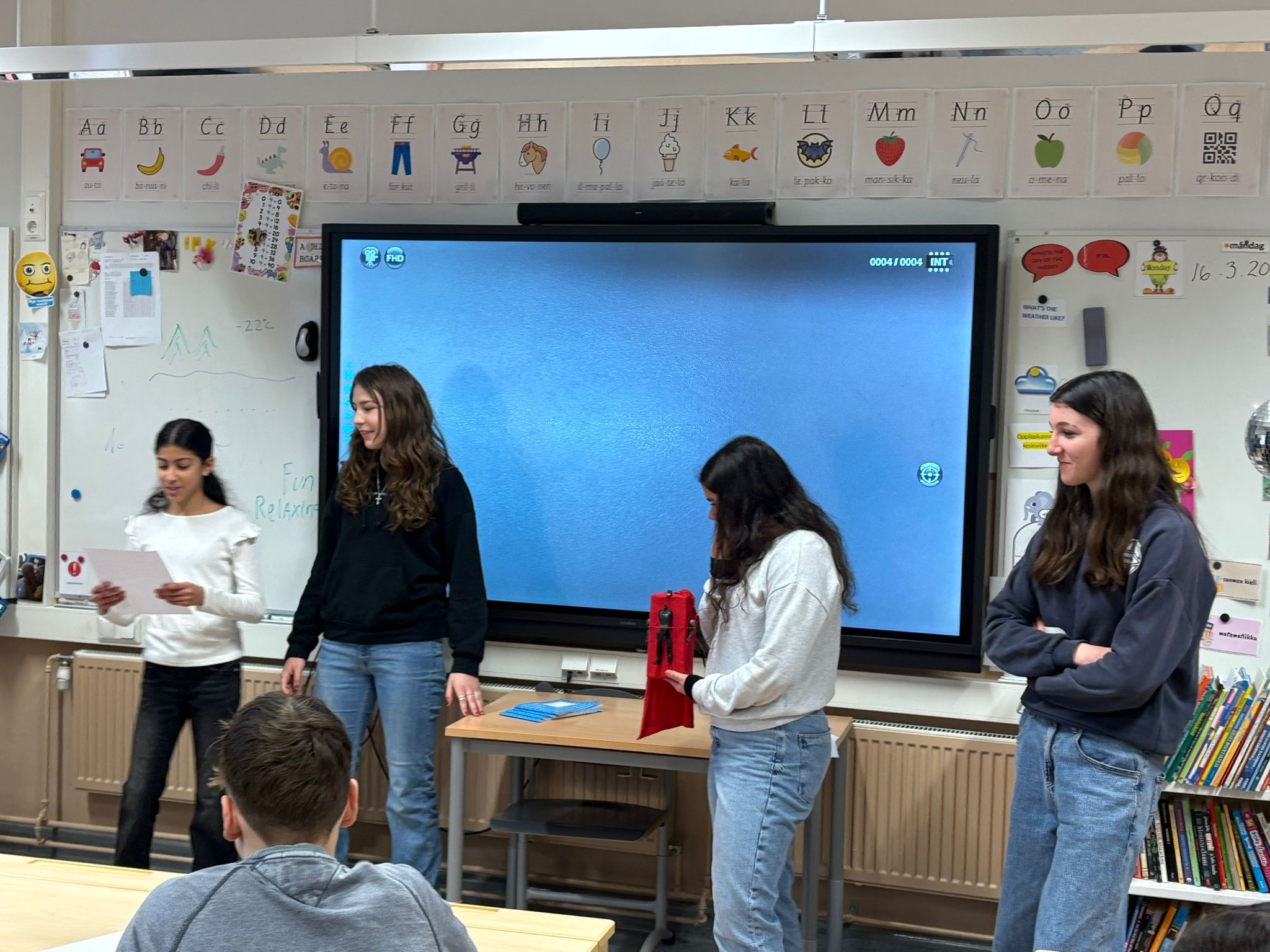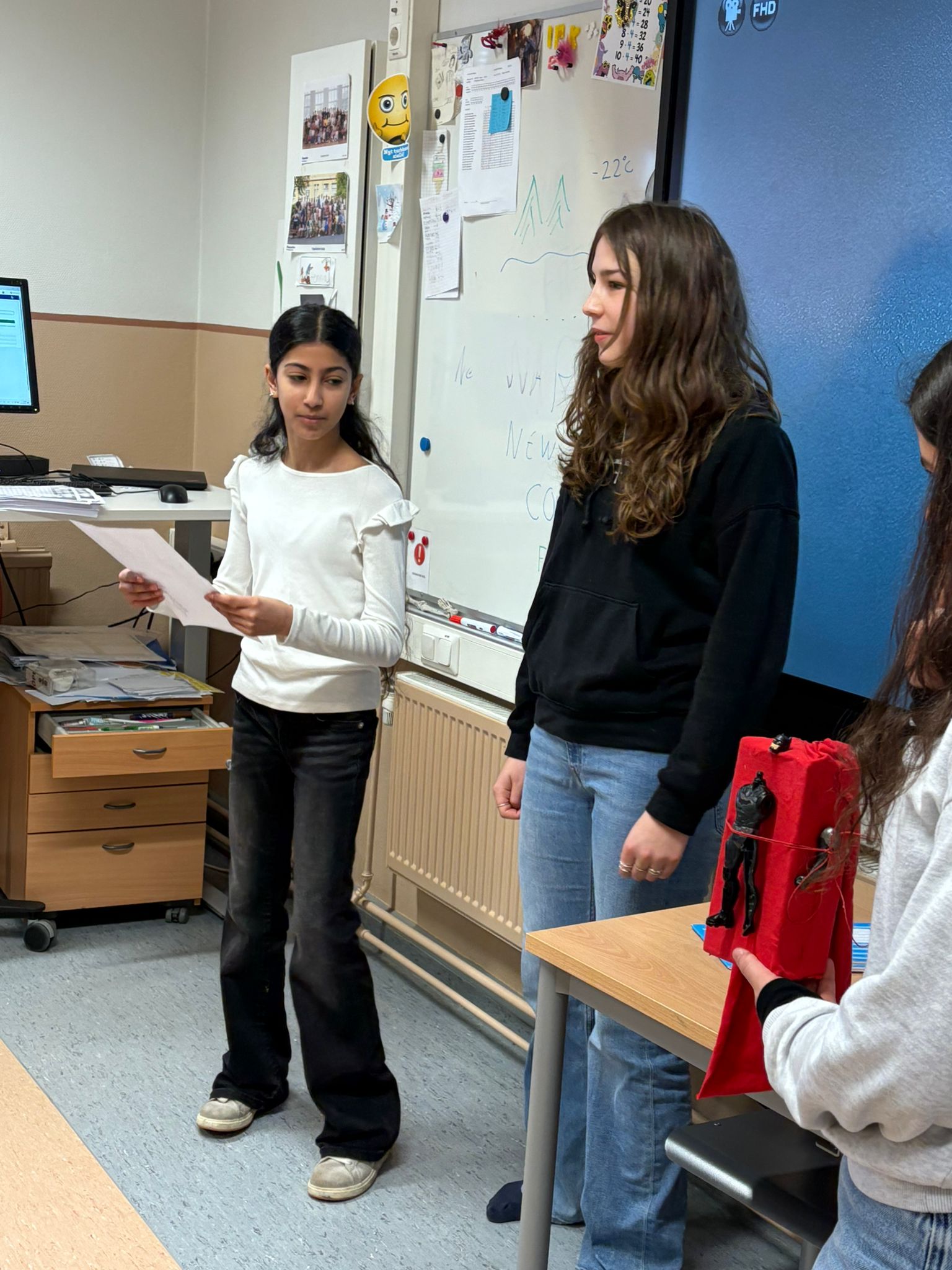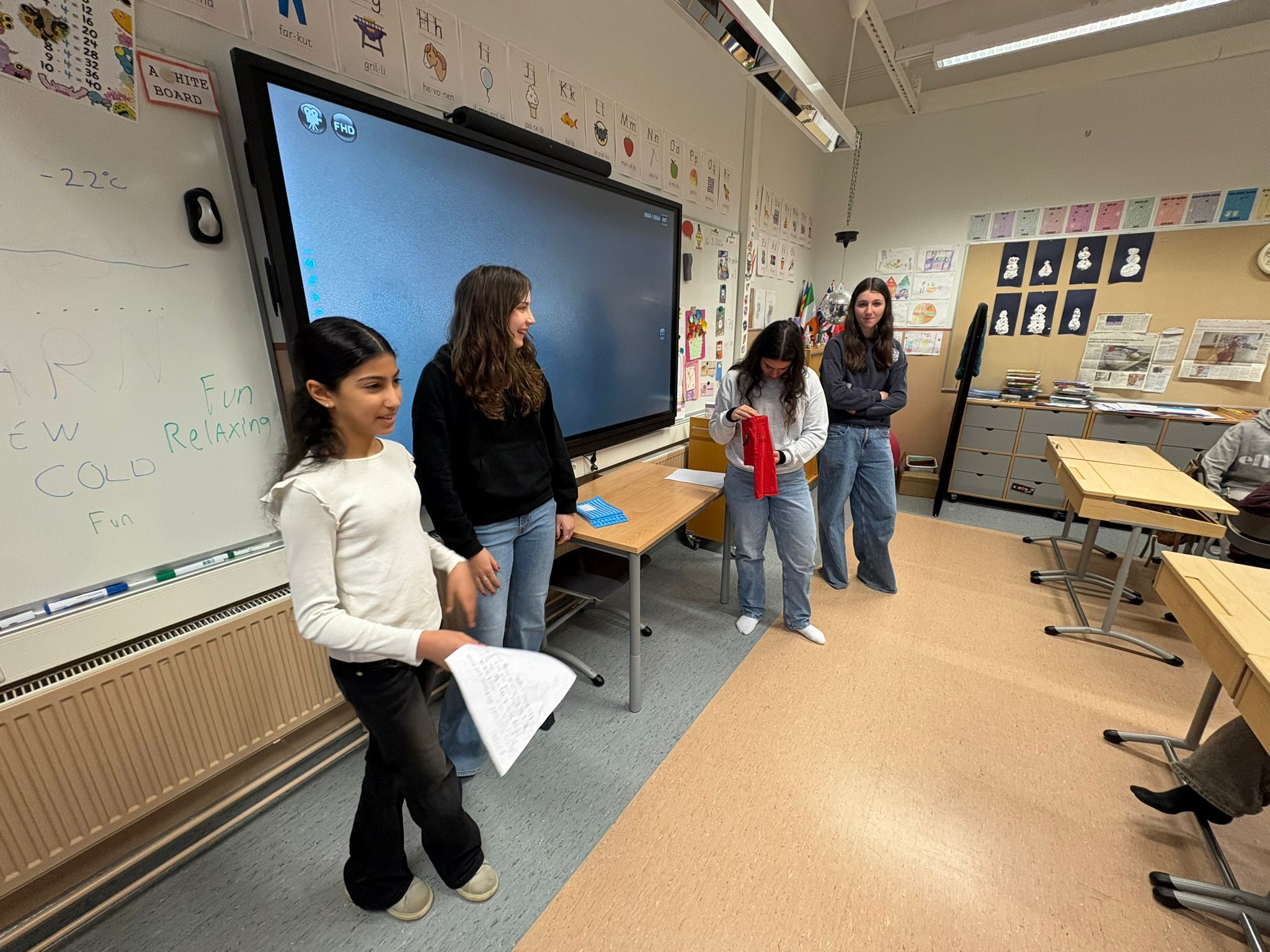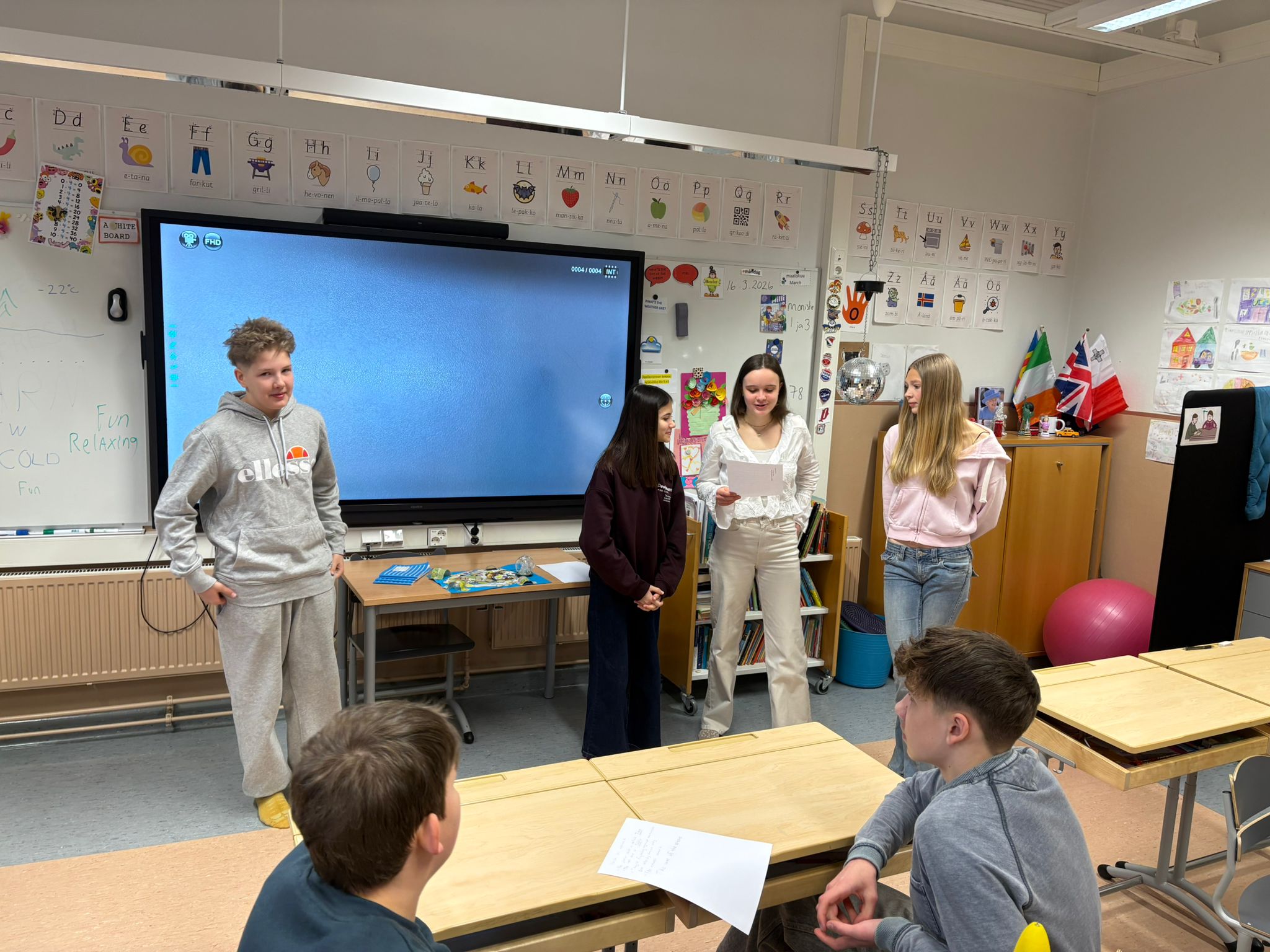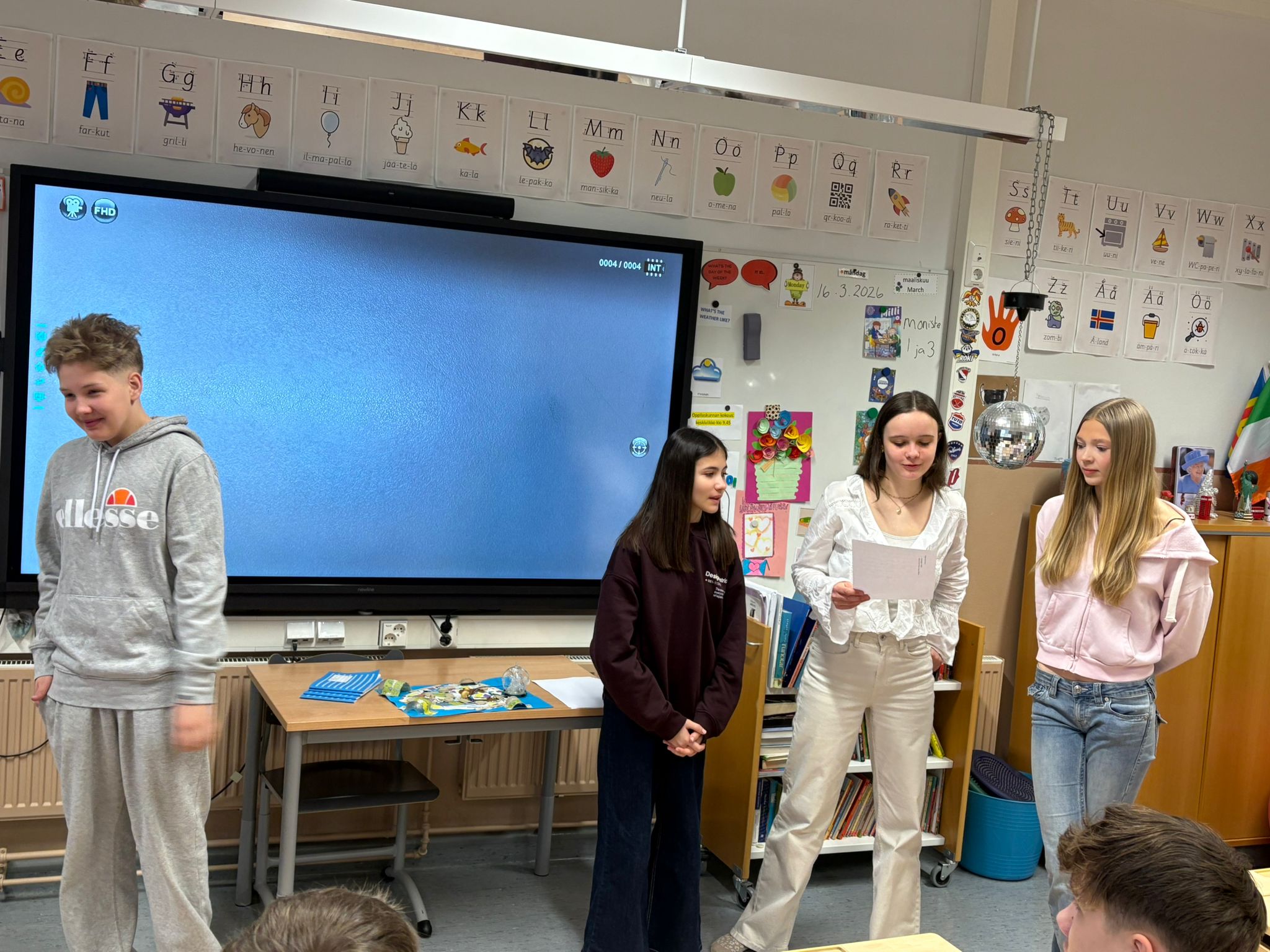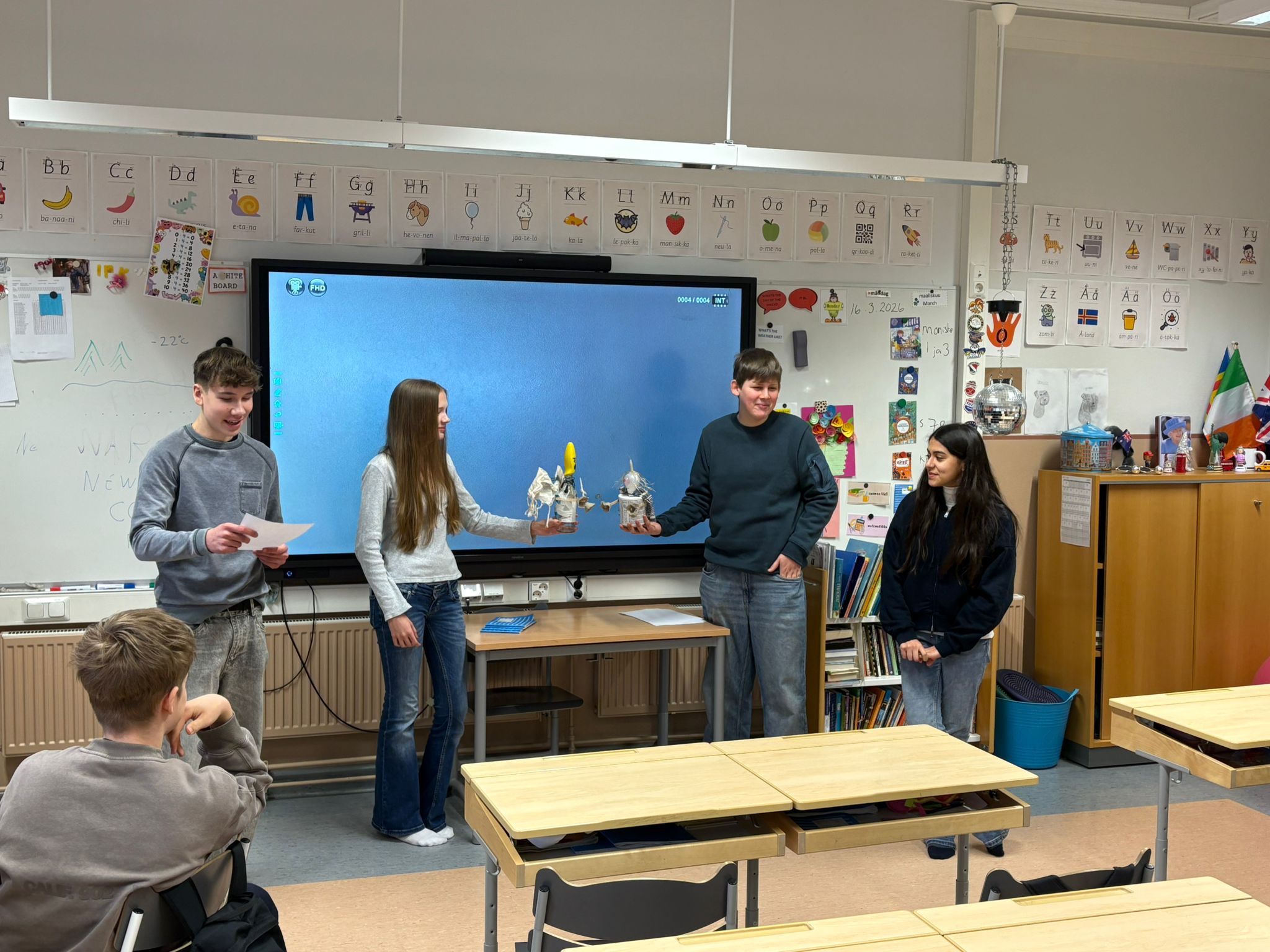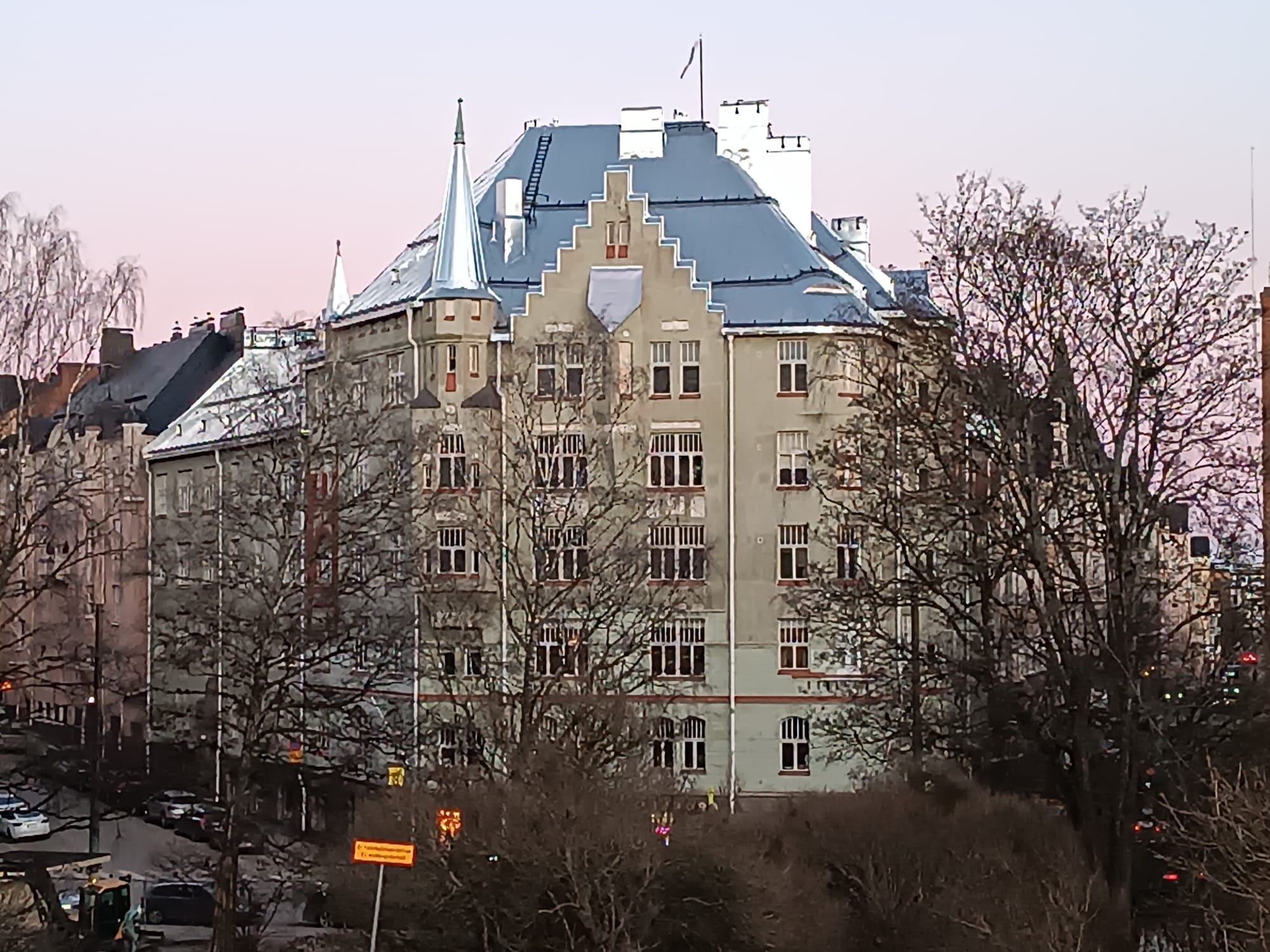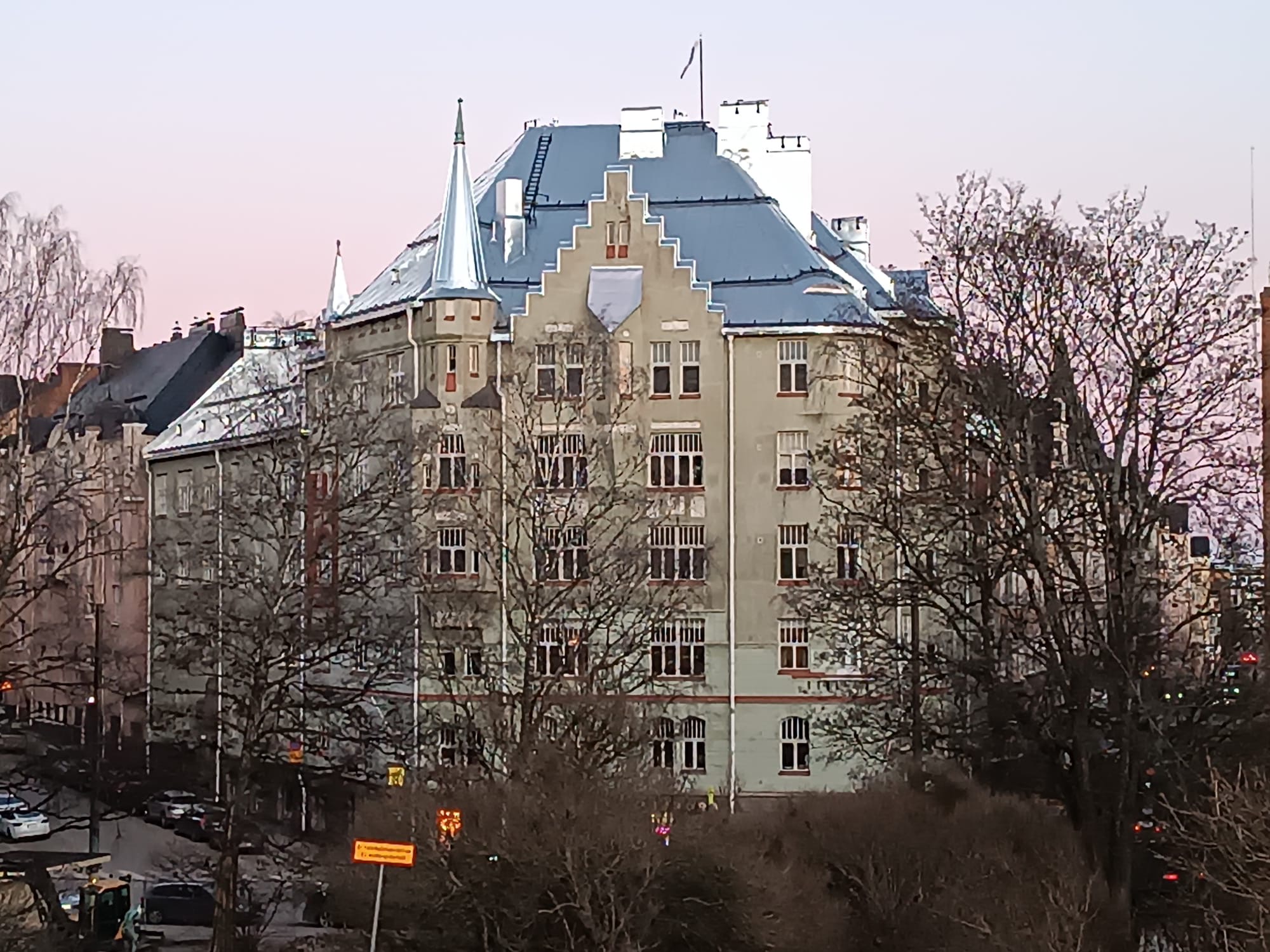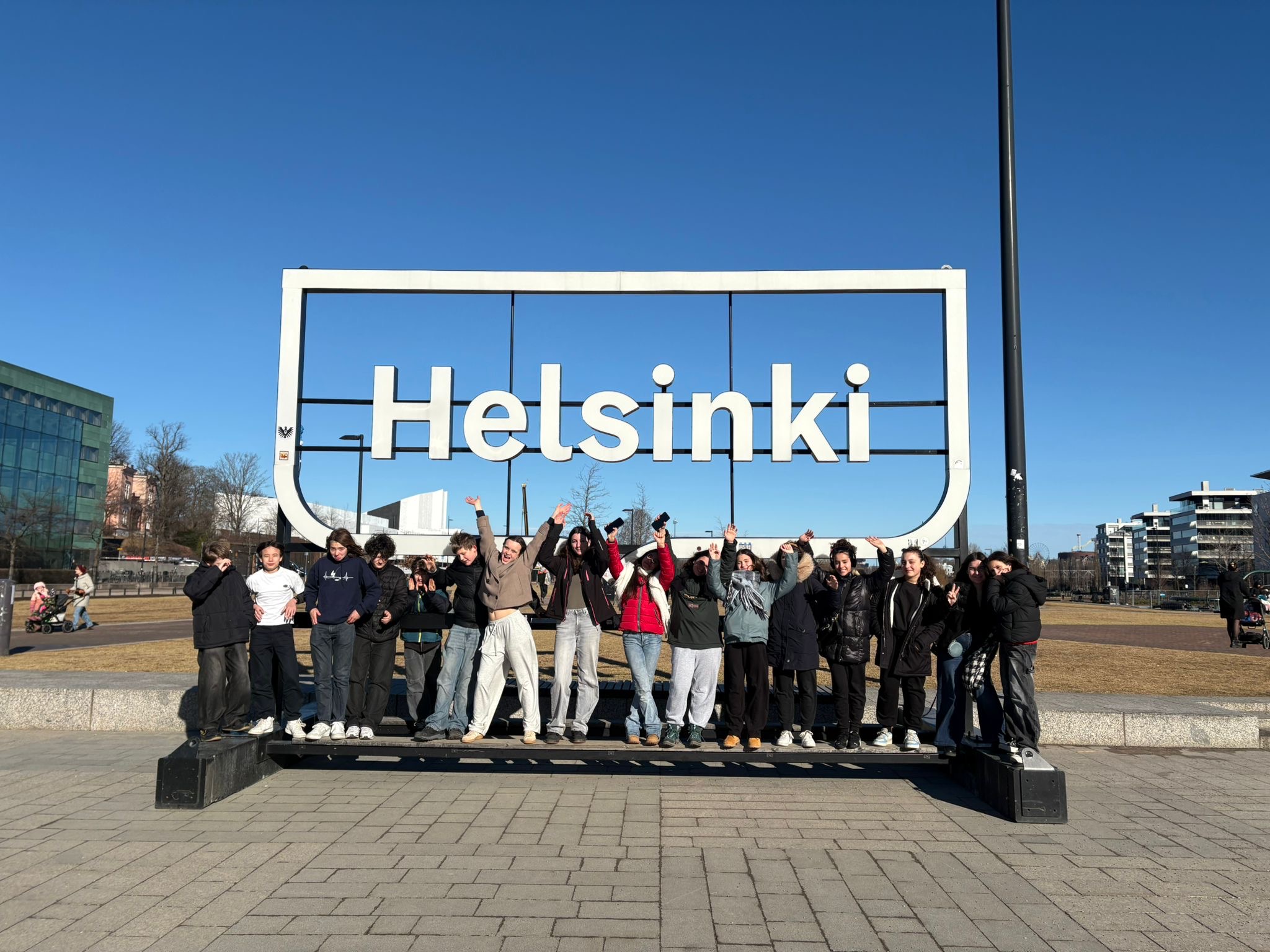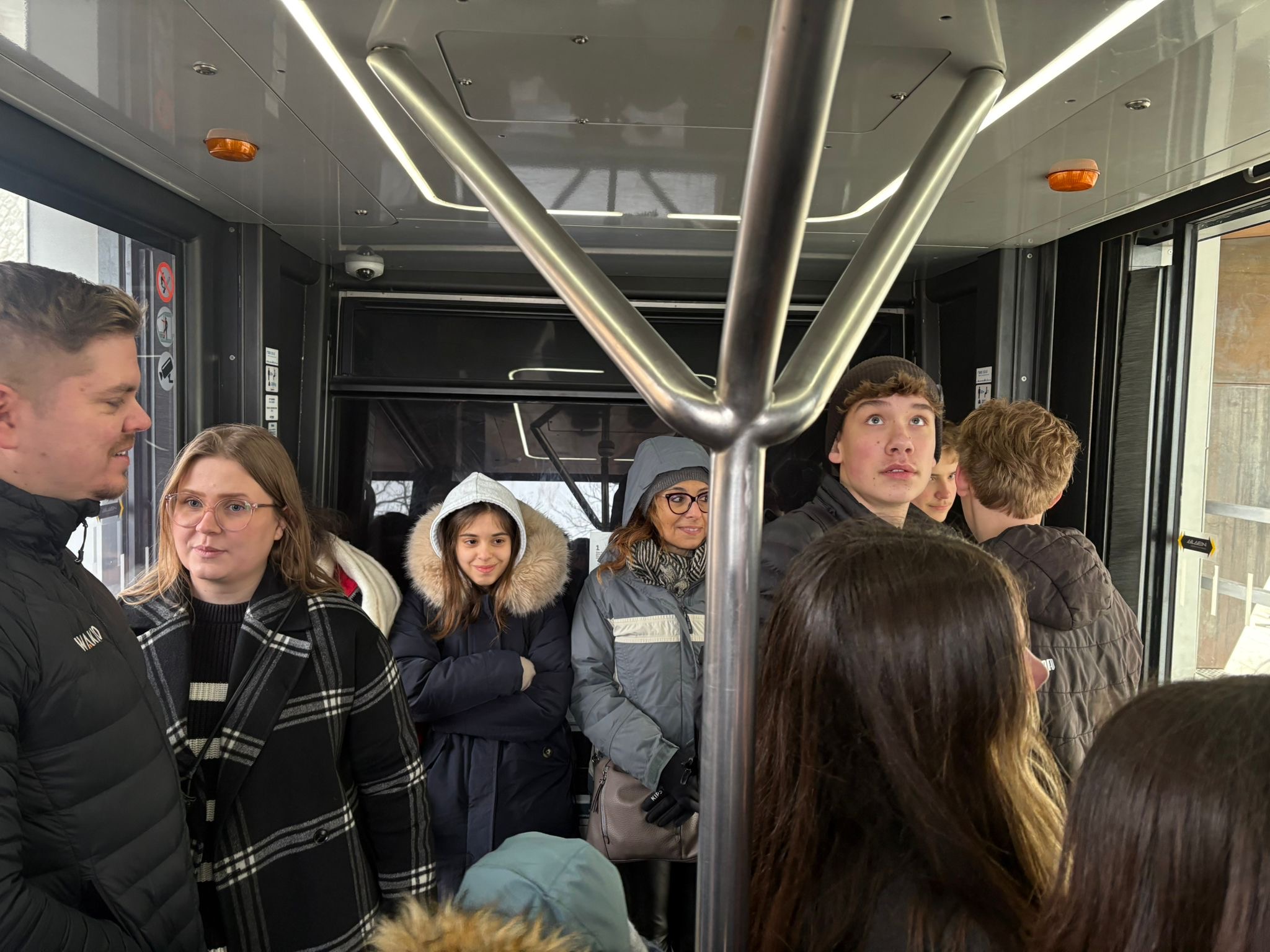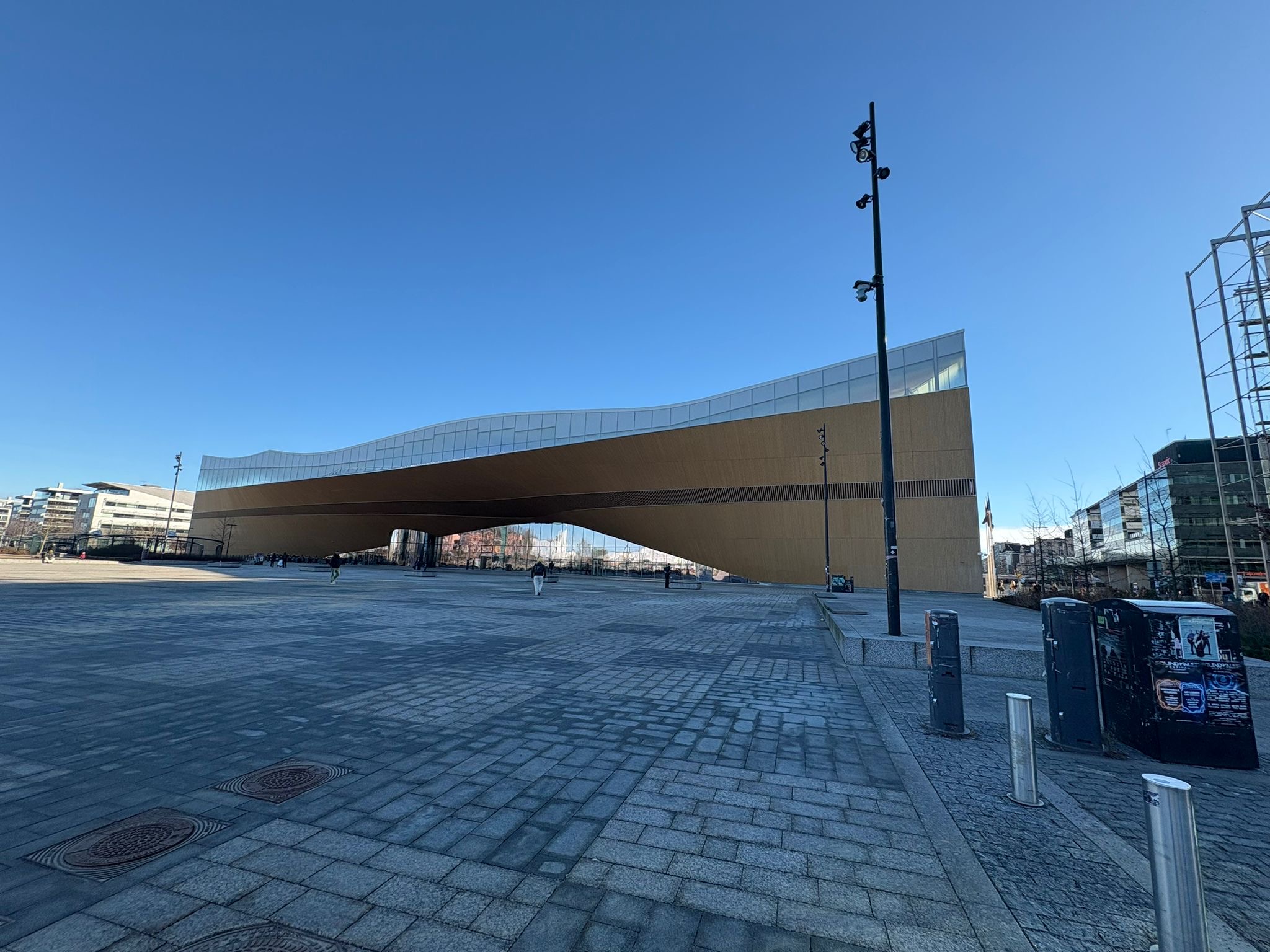
From the 16th to the 20th of March 2026, 8 students + 2 teachers per partner participated in the 3rd project mobility in Finaland.
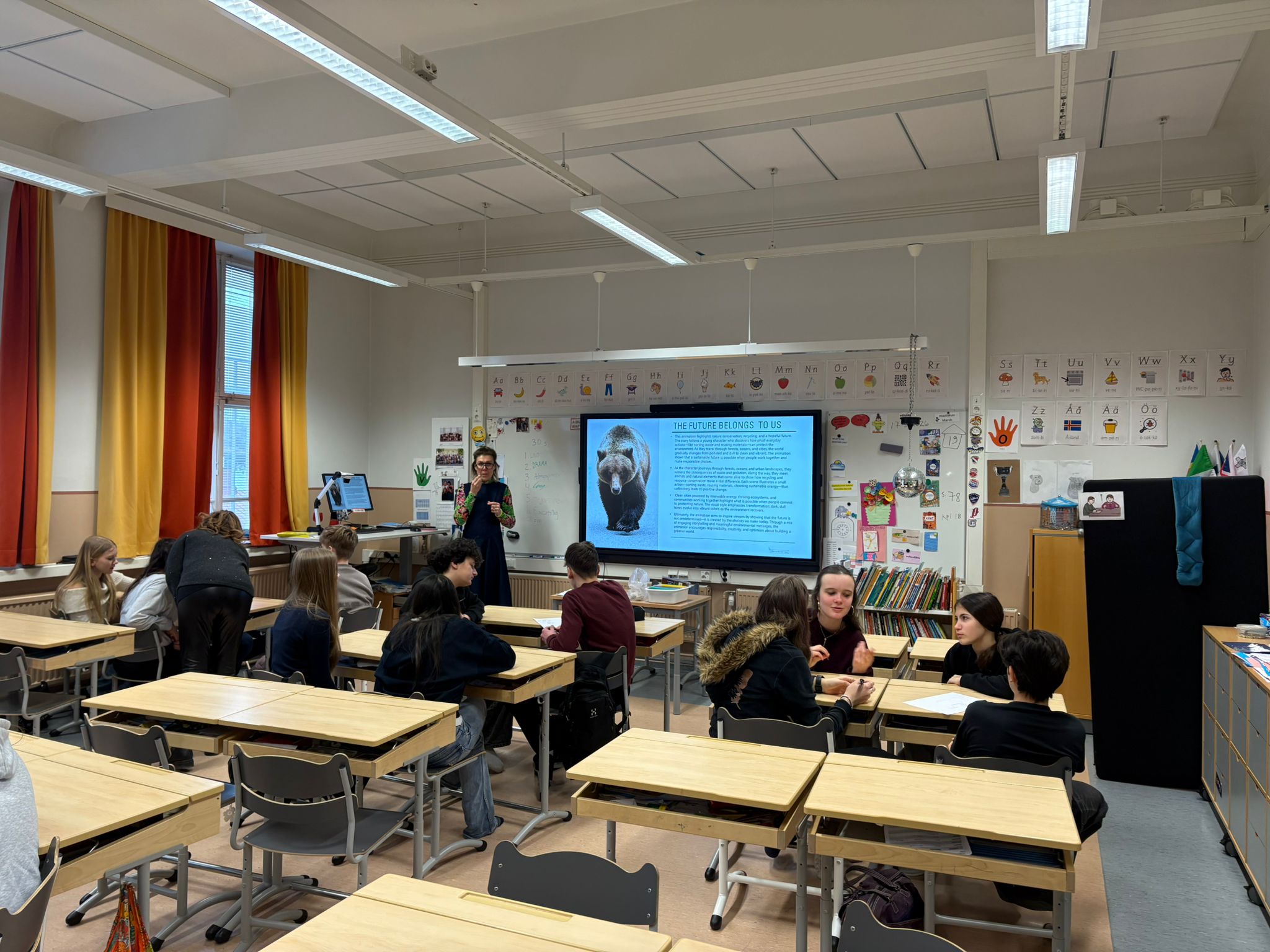
The activity is focused on STEAM to raise awareness for both students and teachers, mainly through hands-on activities, and workshops ran by experts. Students had also the opportunity to attend classes with their mates.
MONDAY
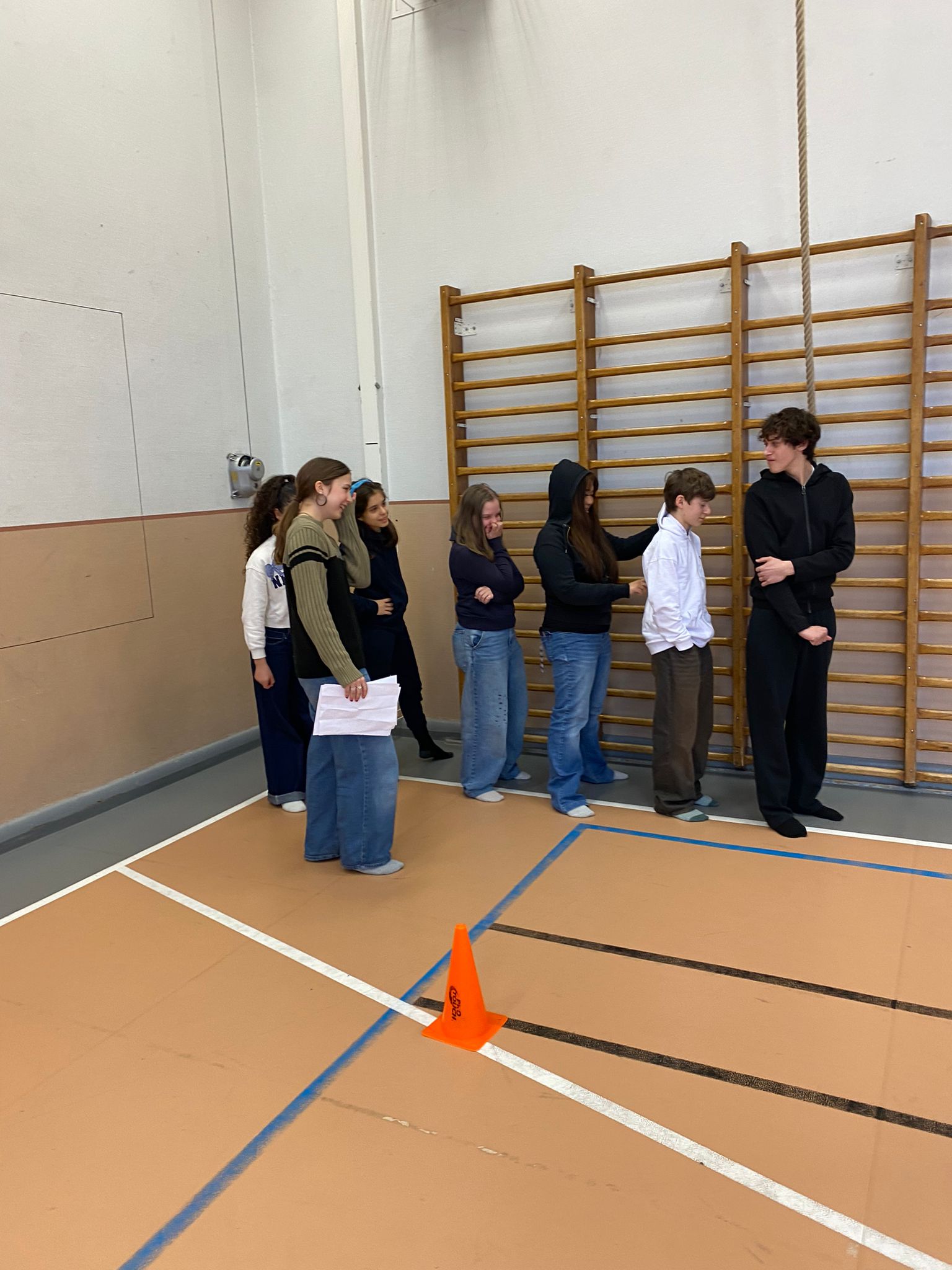
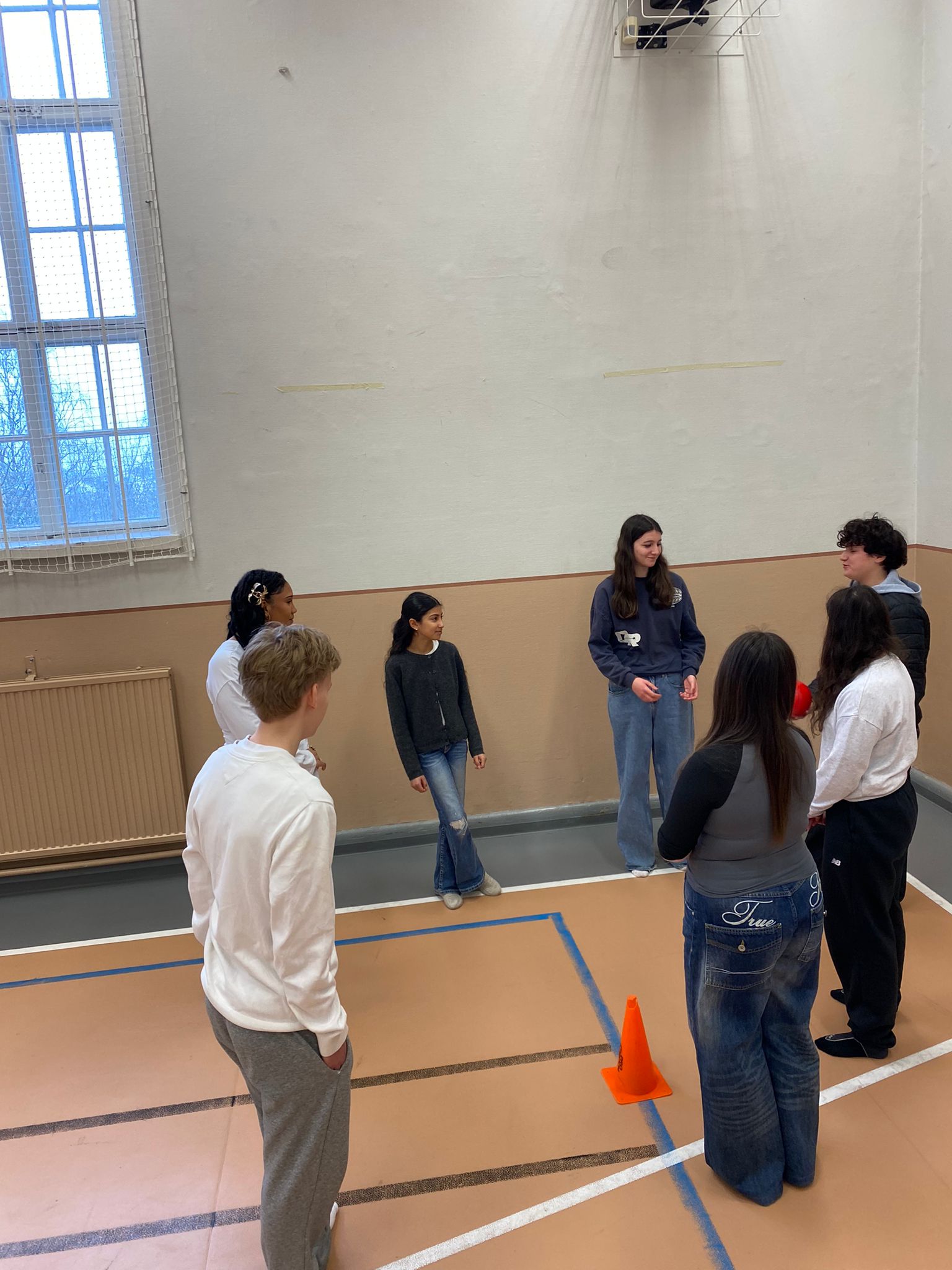
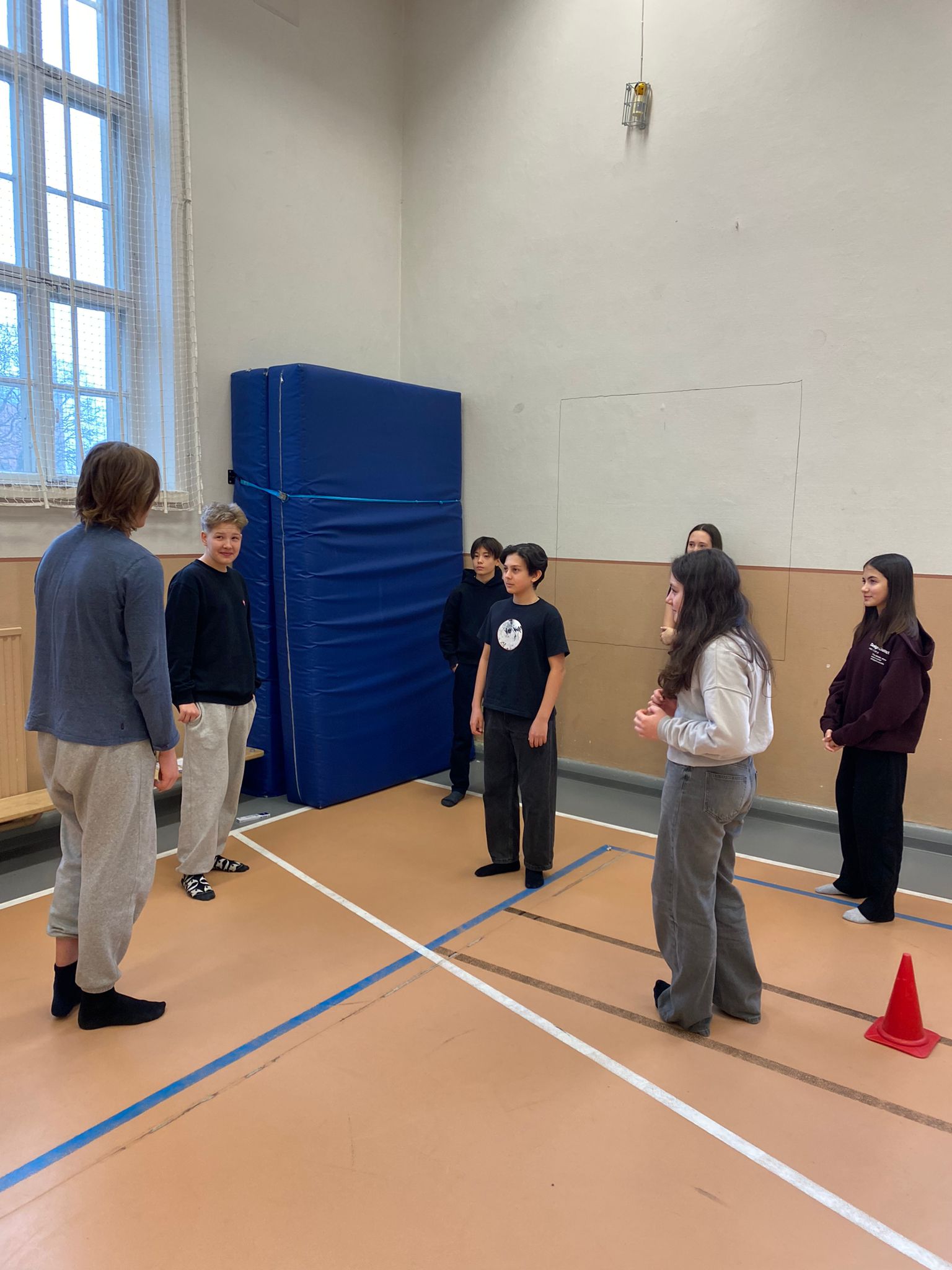
Integration and recycling – The first day we focused on establishing a social foundation for cross-border collaboration. We started the day with Ice breakers. Through them, we got to know each other, practiced our teamwork skills, and learned about Finnish cultural traditions—for example a traditional dance. Through collaboration, everyone also gained the courage to express themselves.
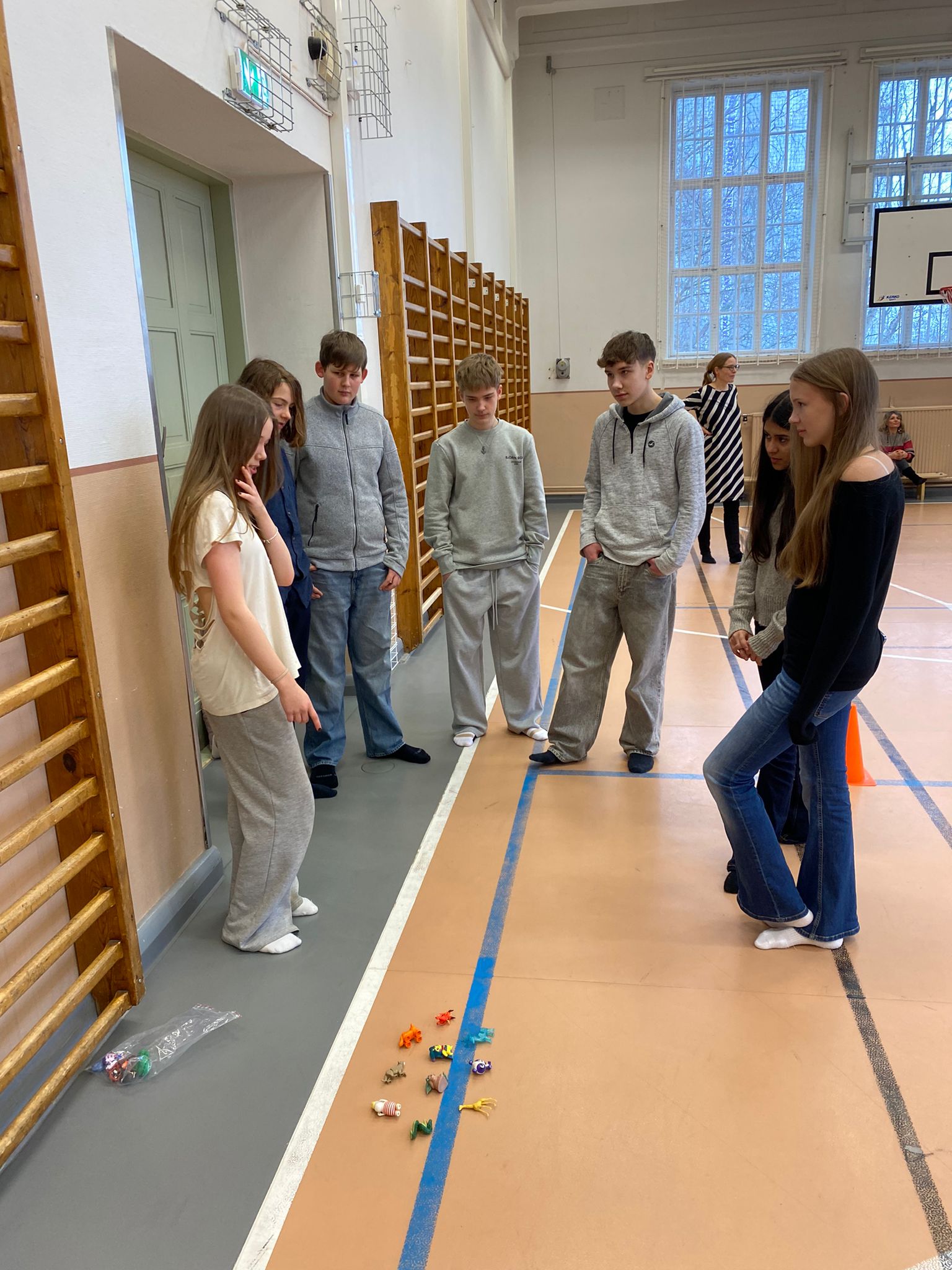
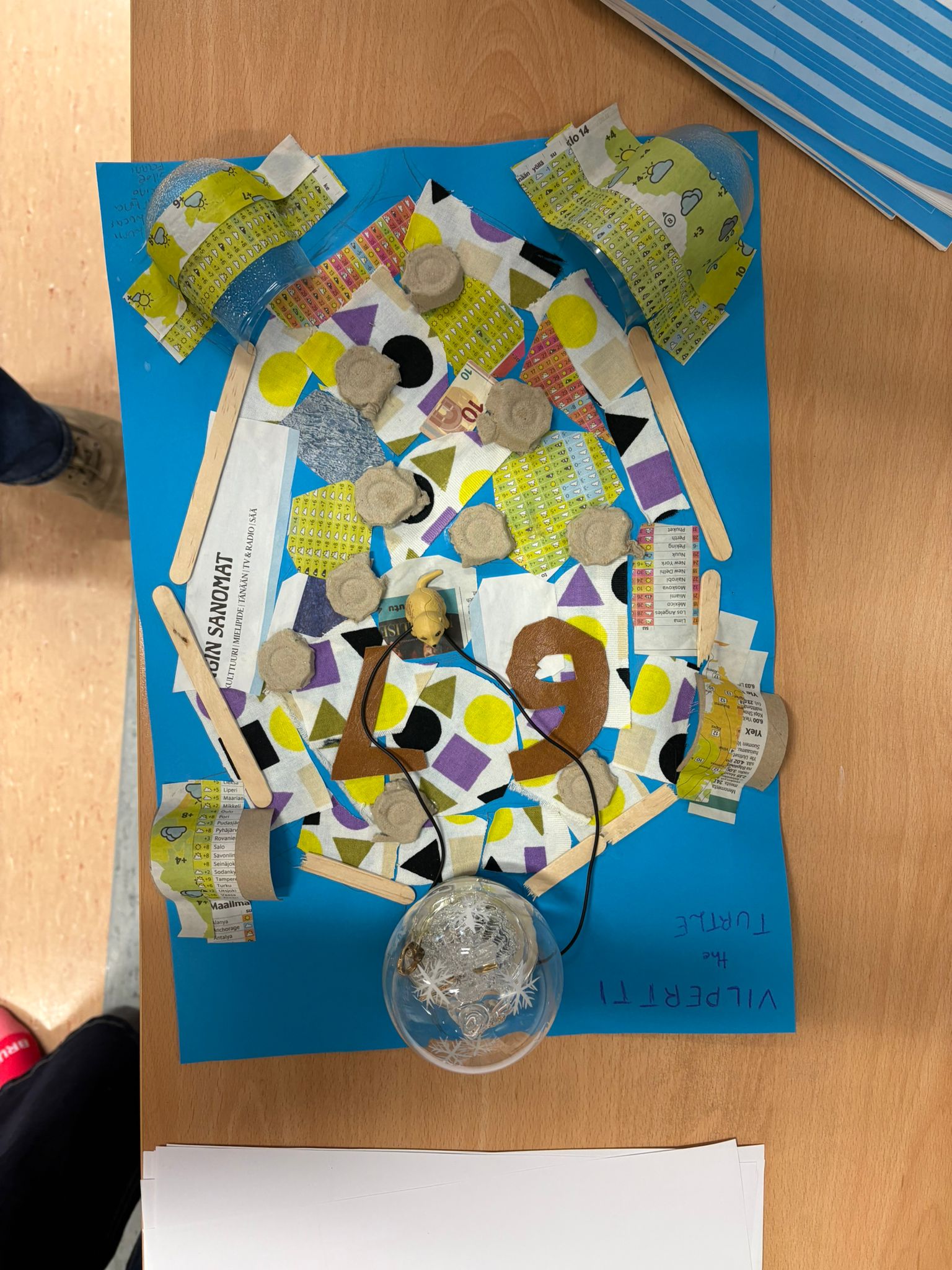
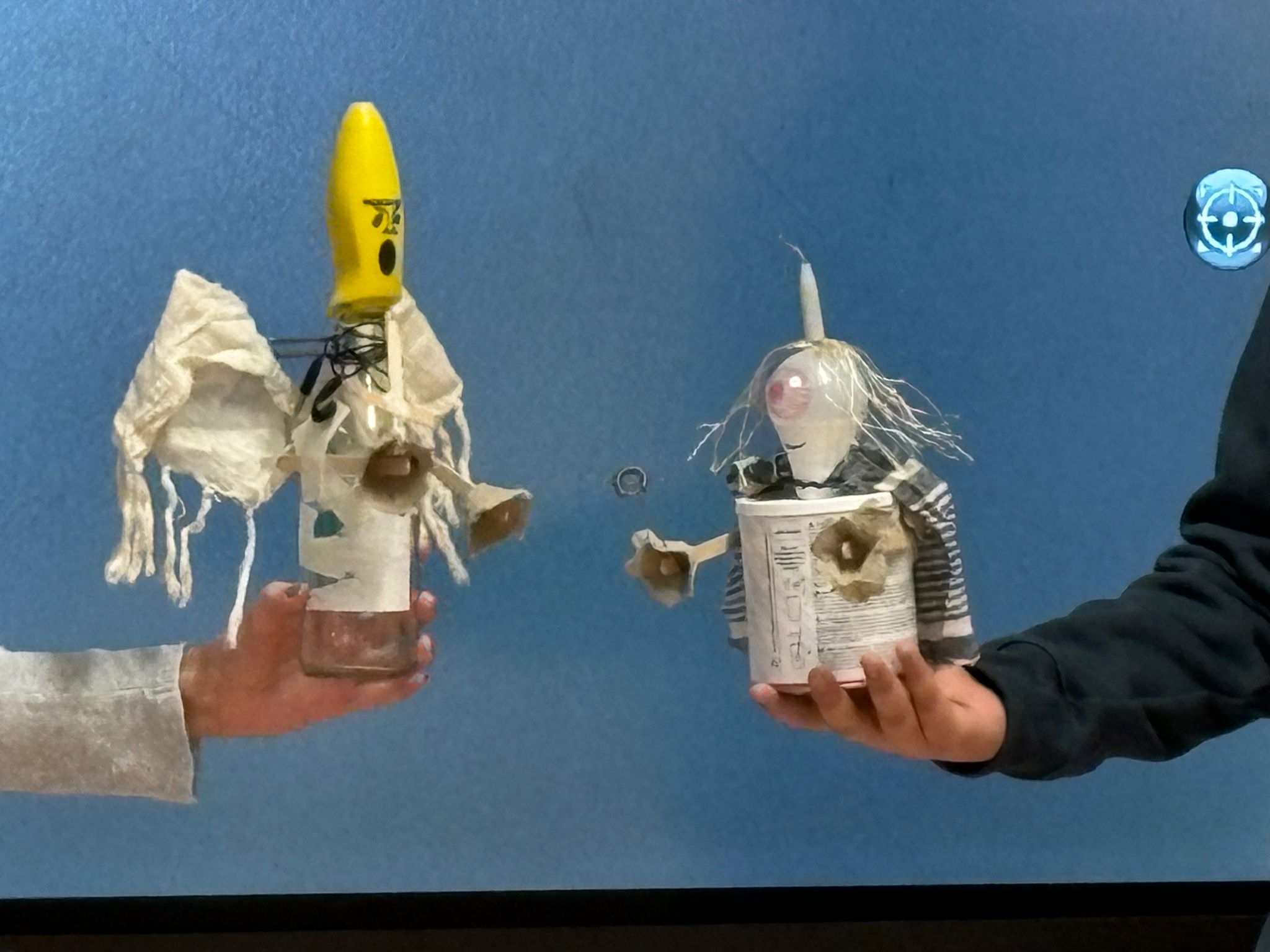
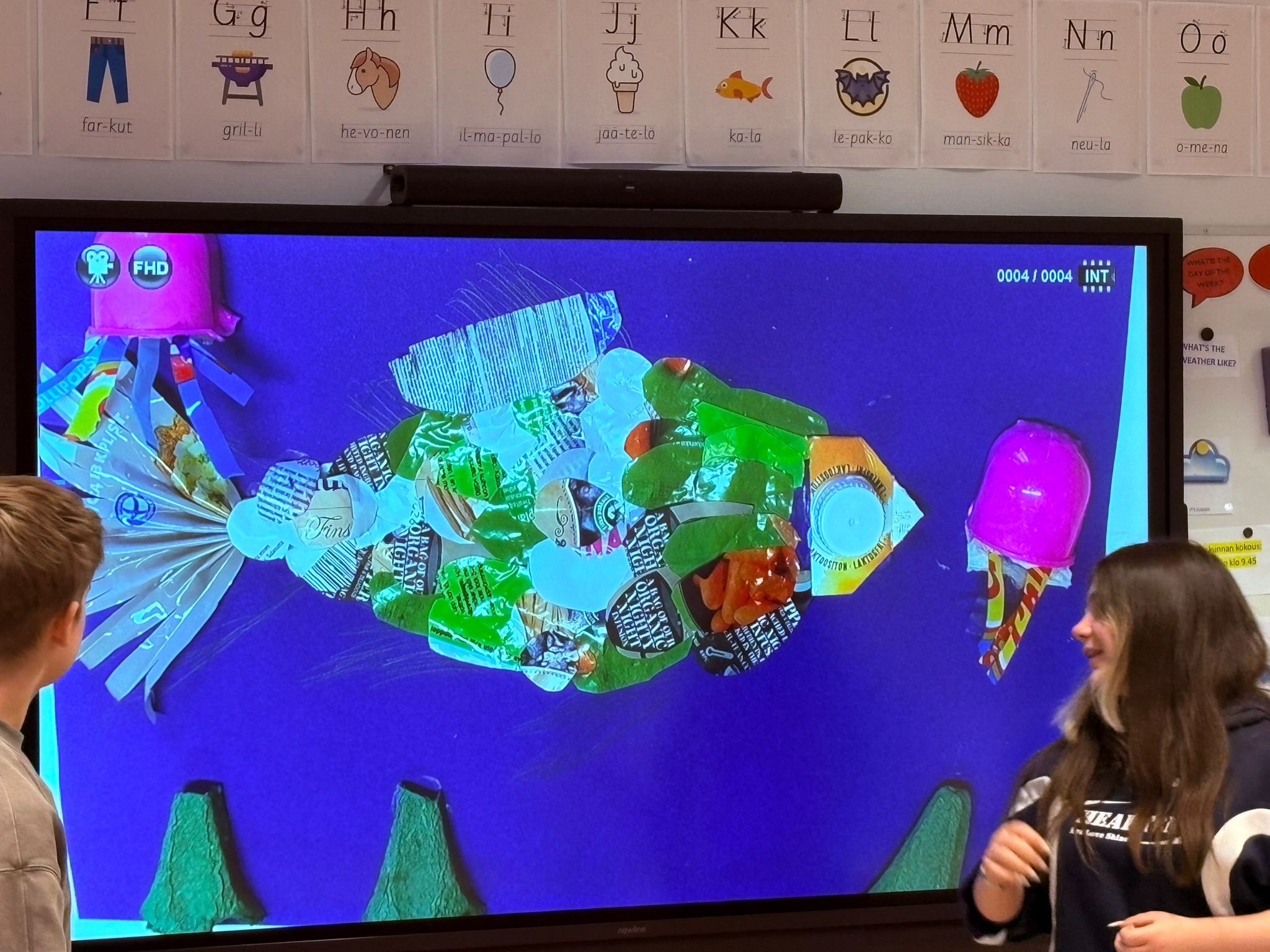
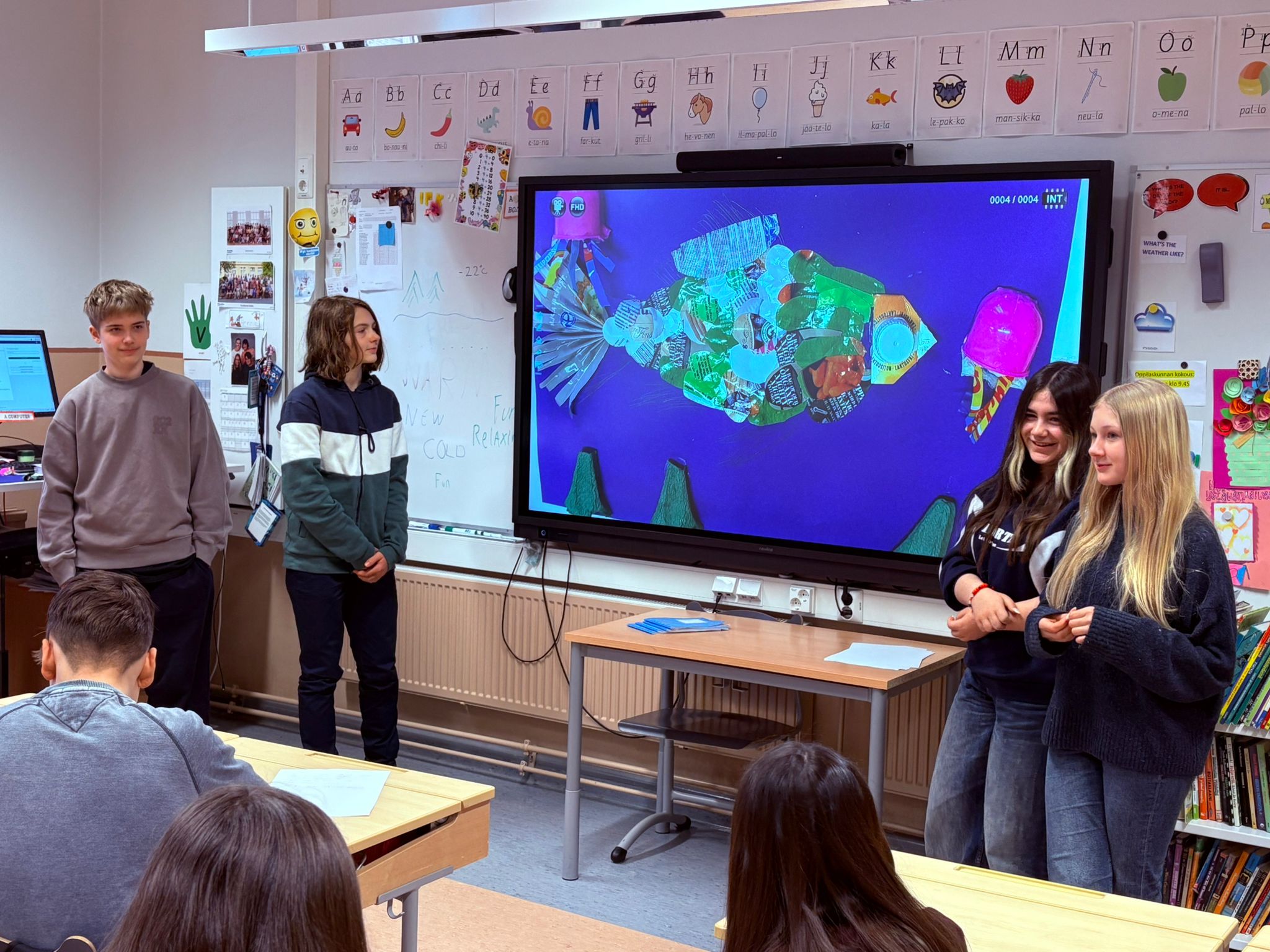
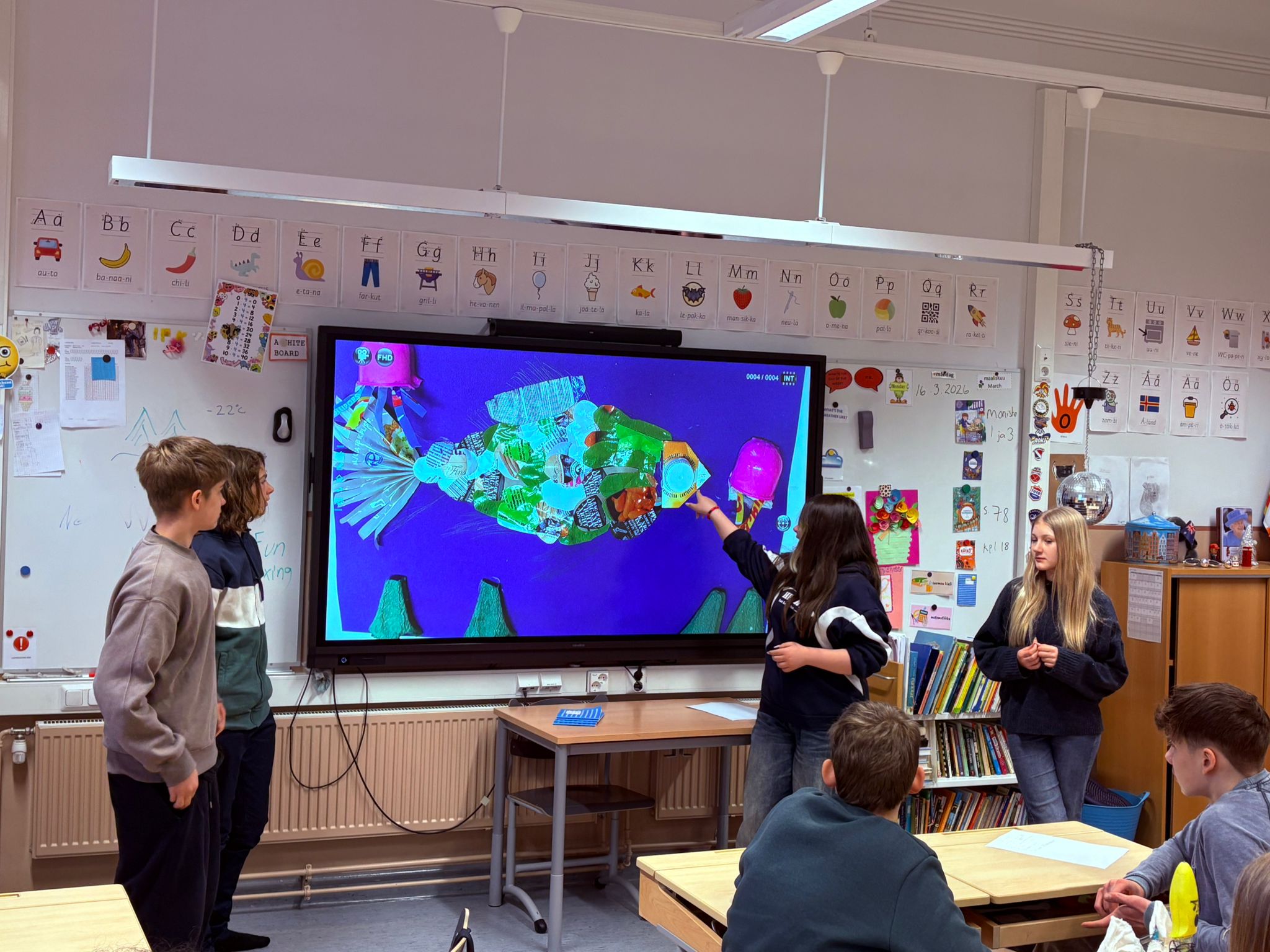
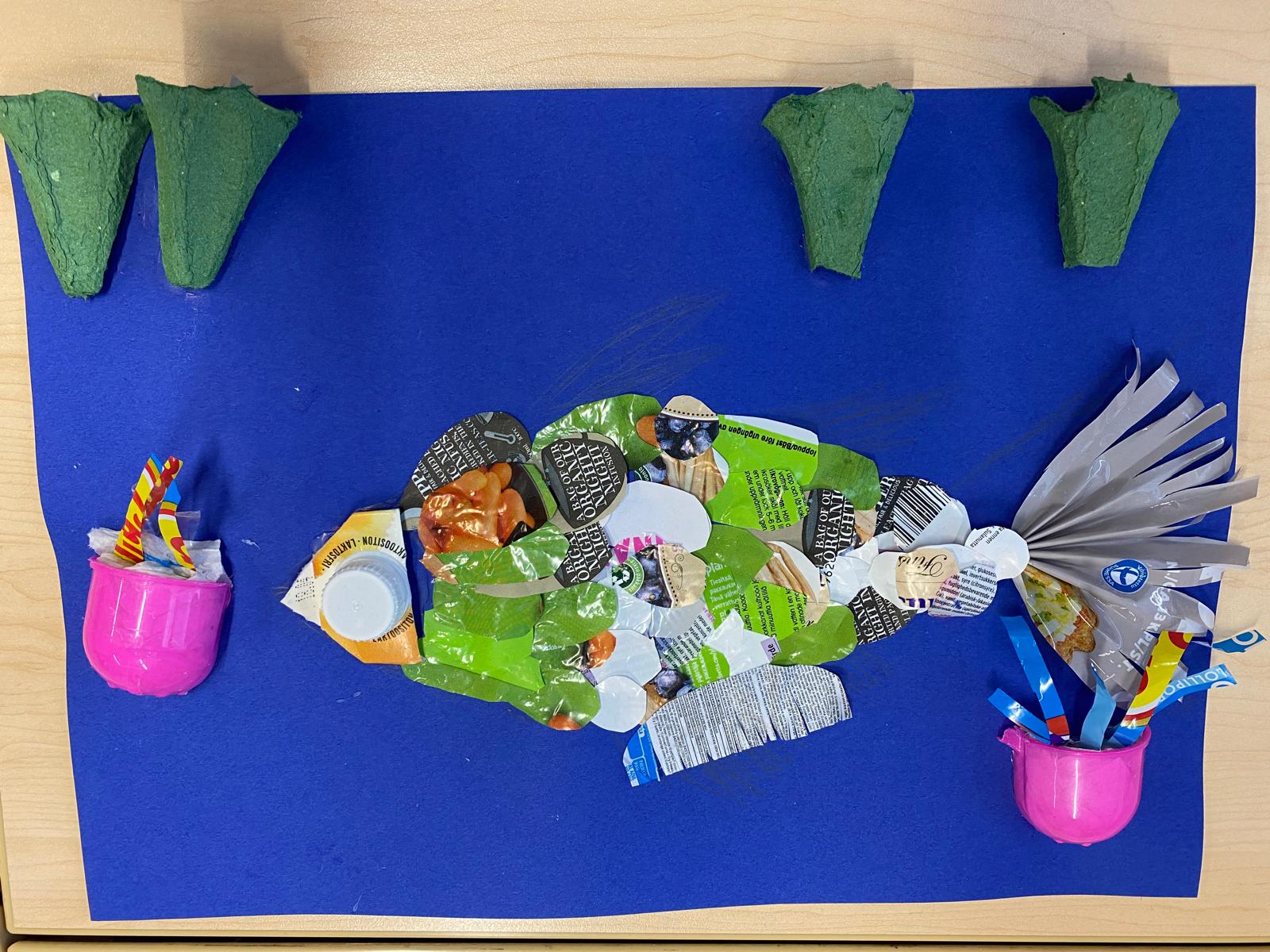
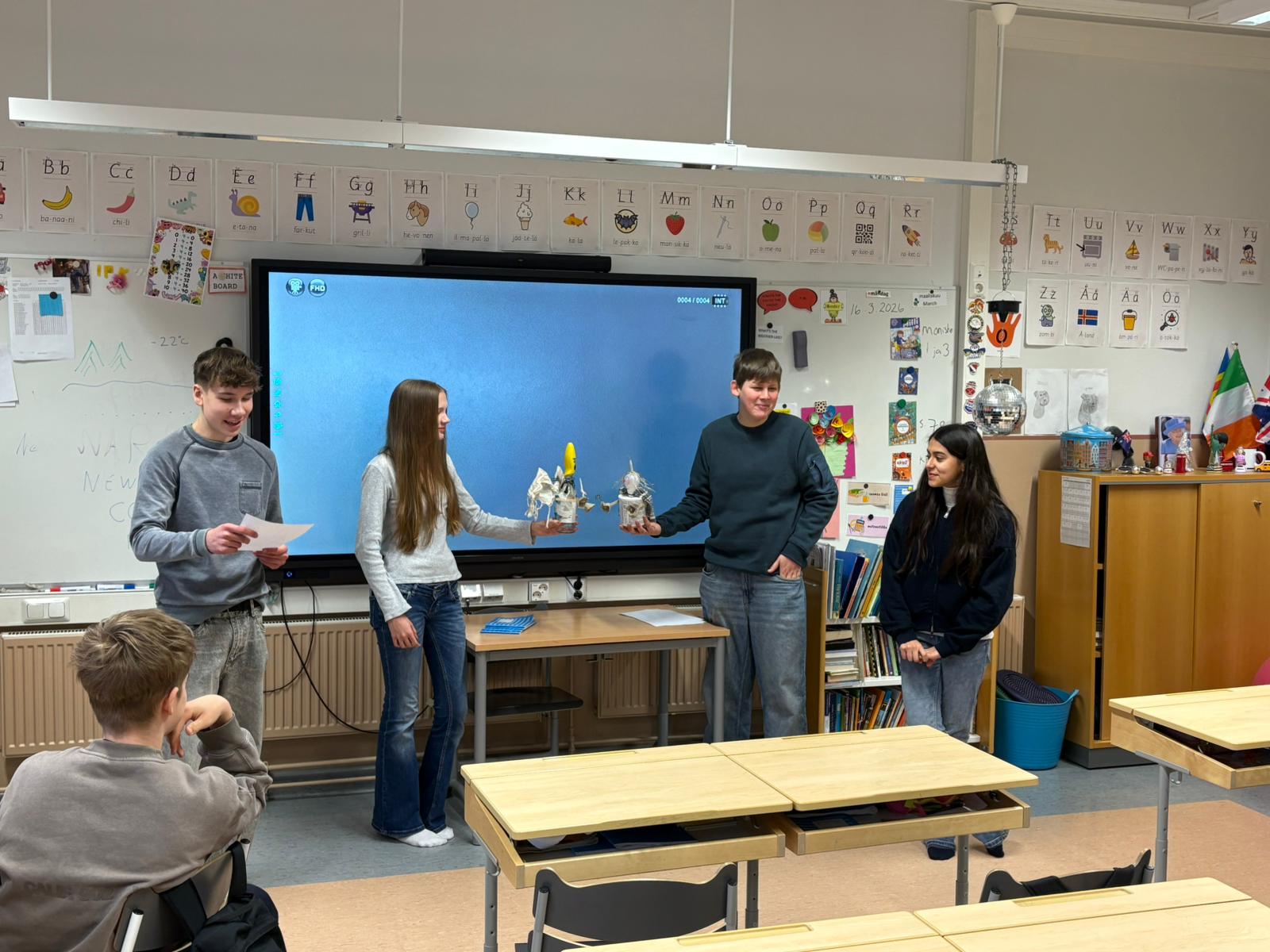
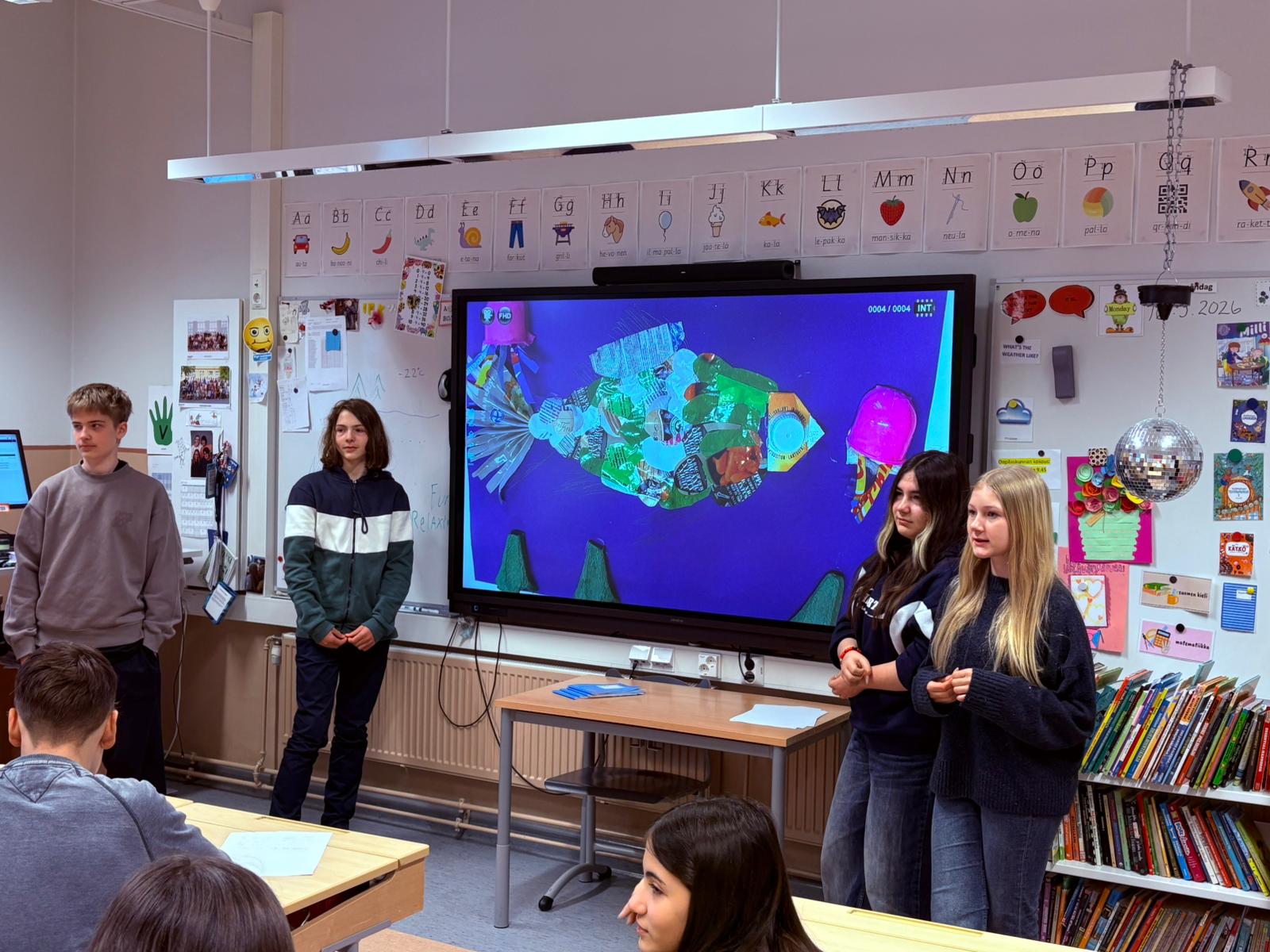
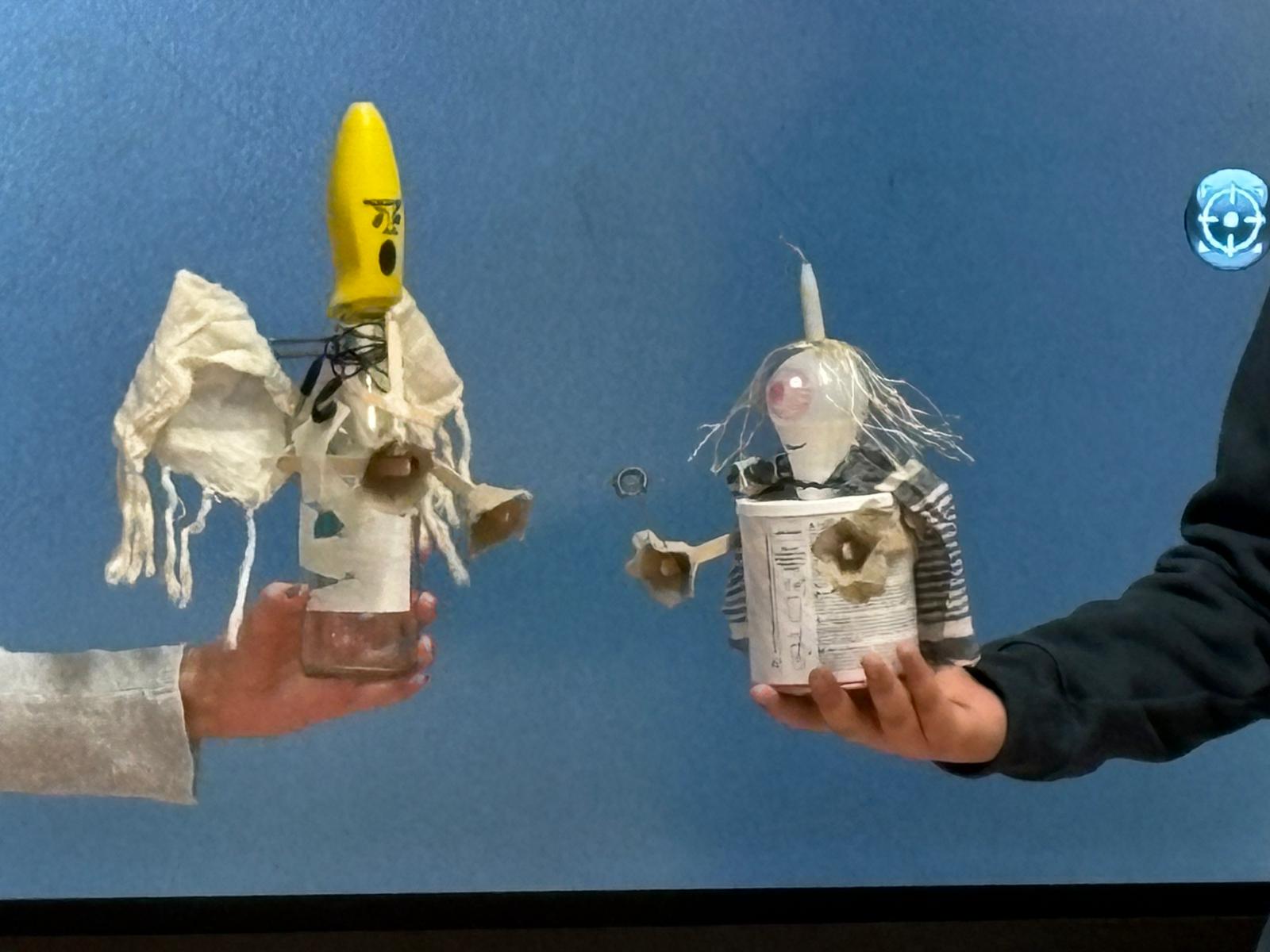
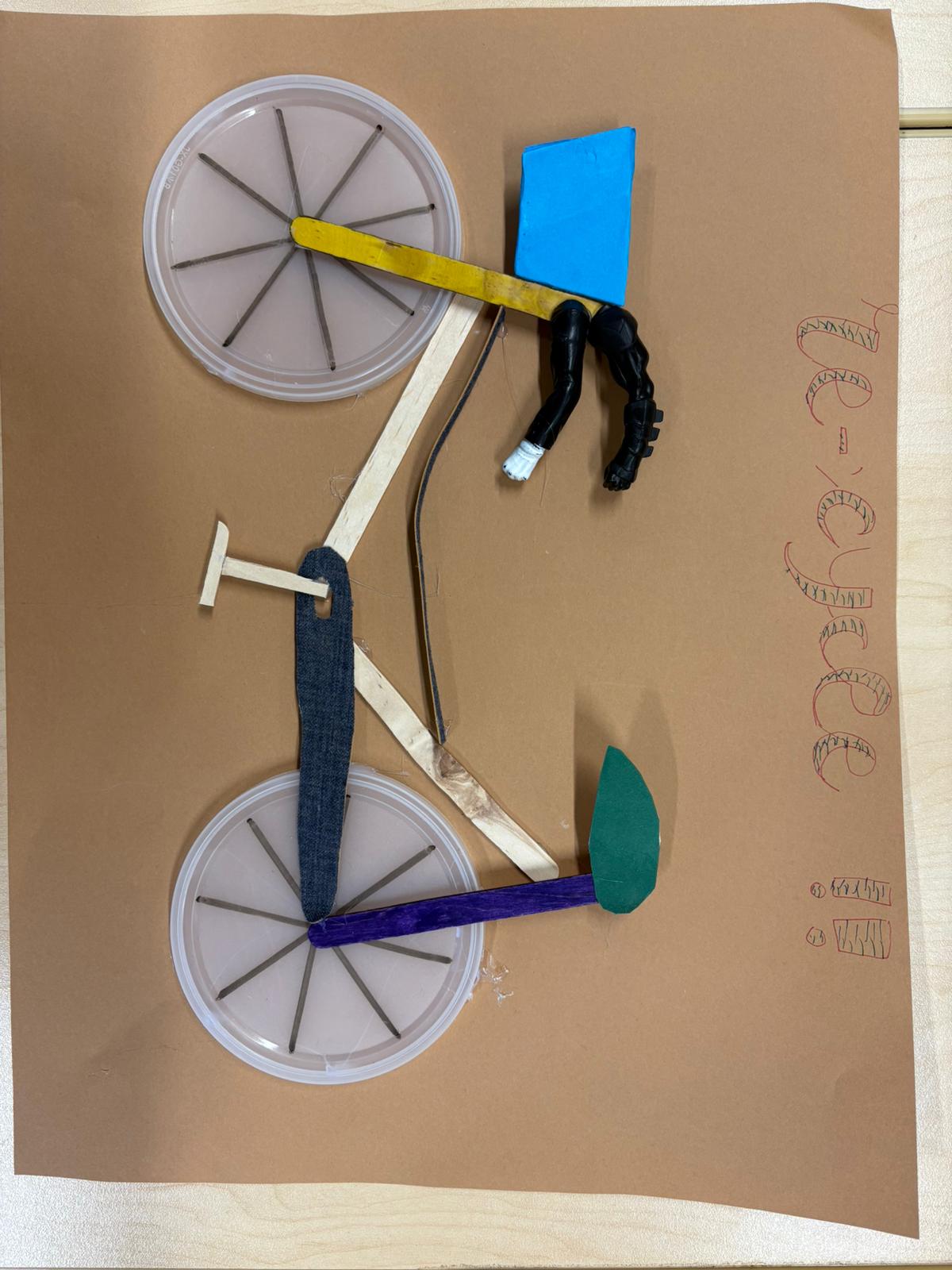
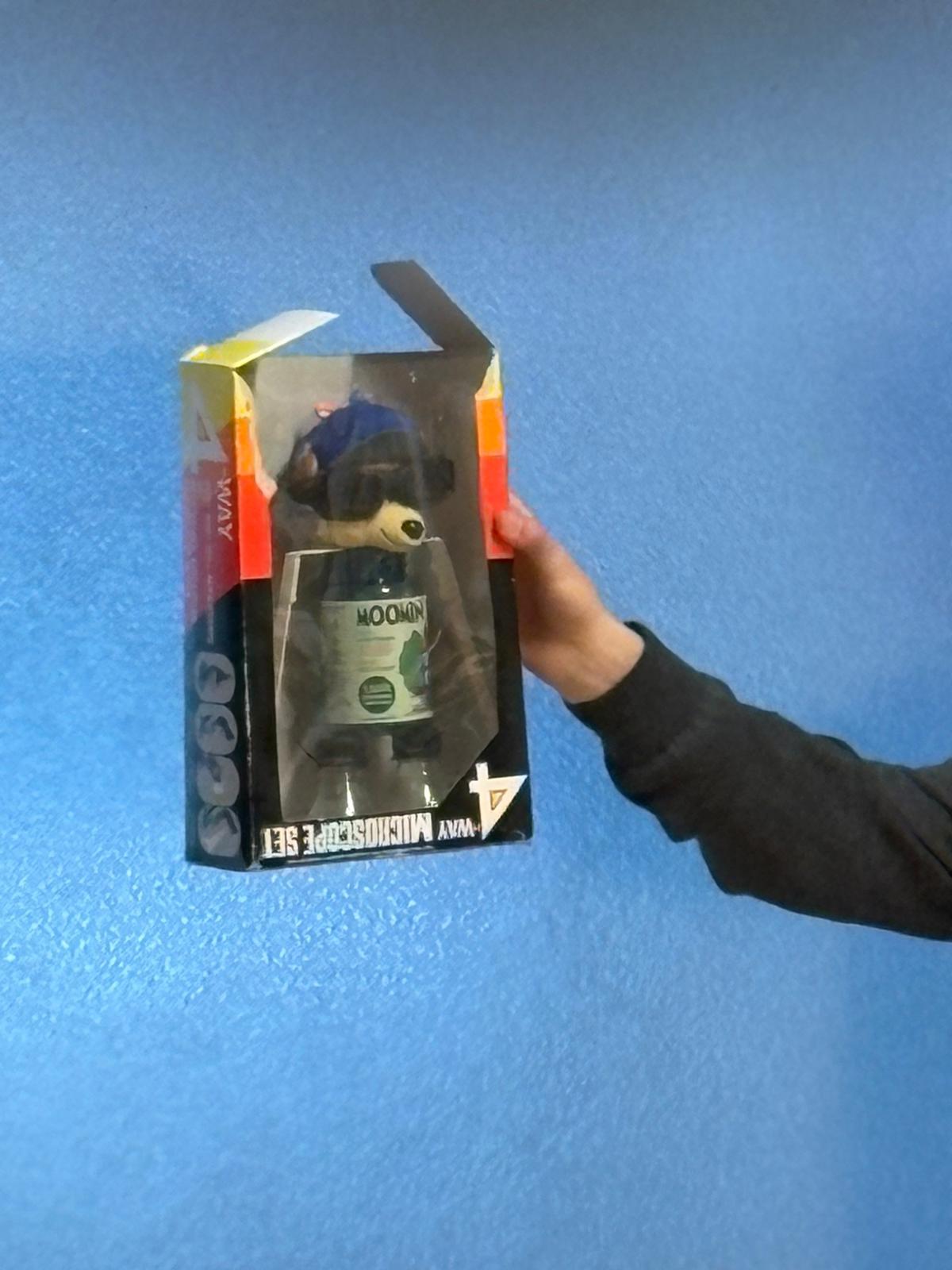
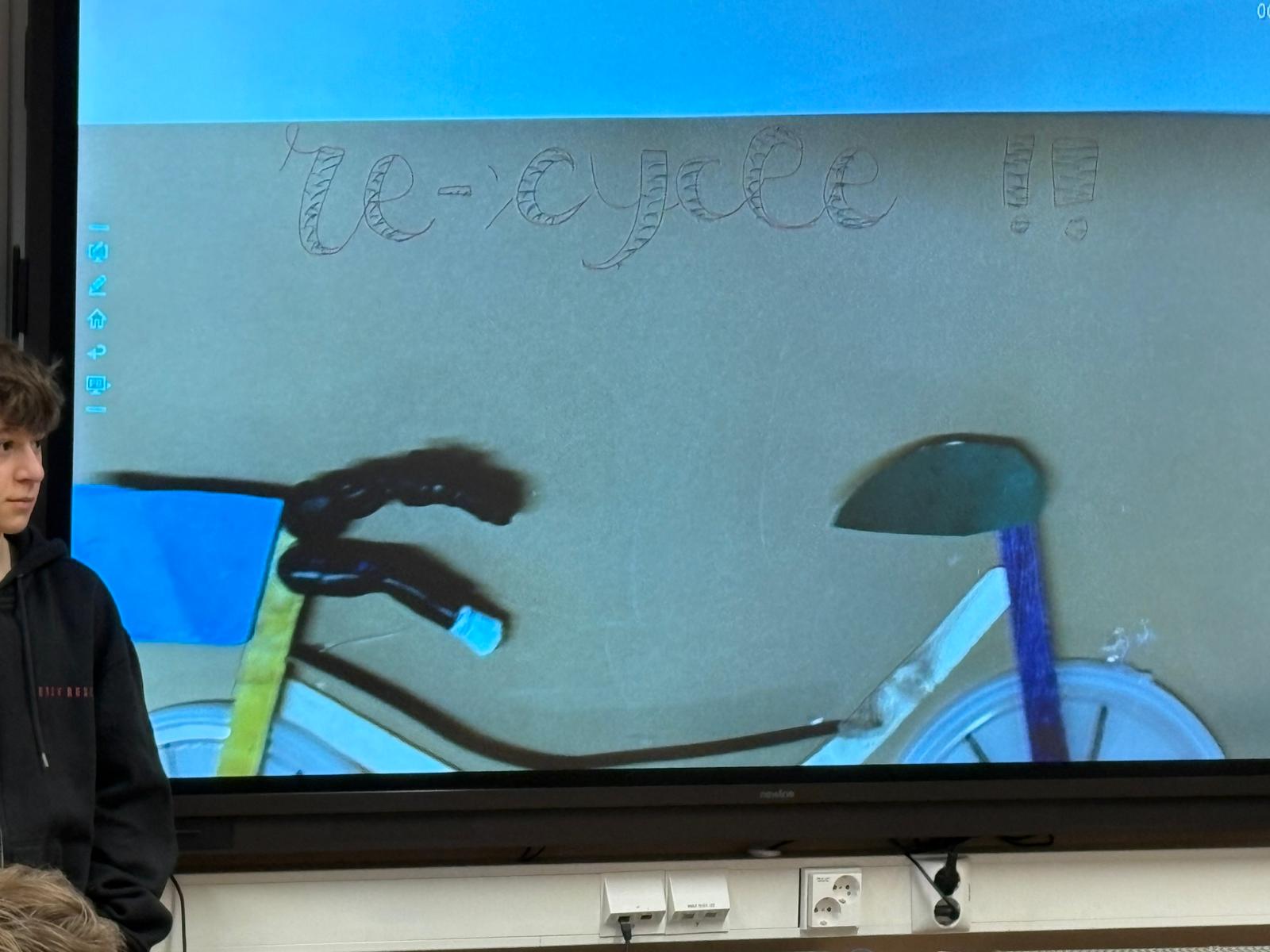
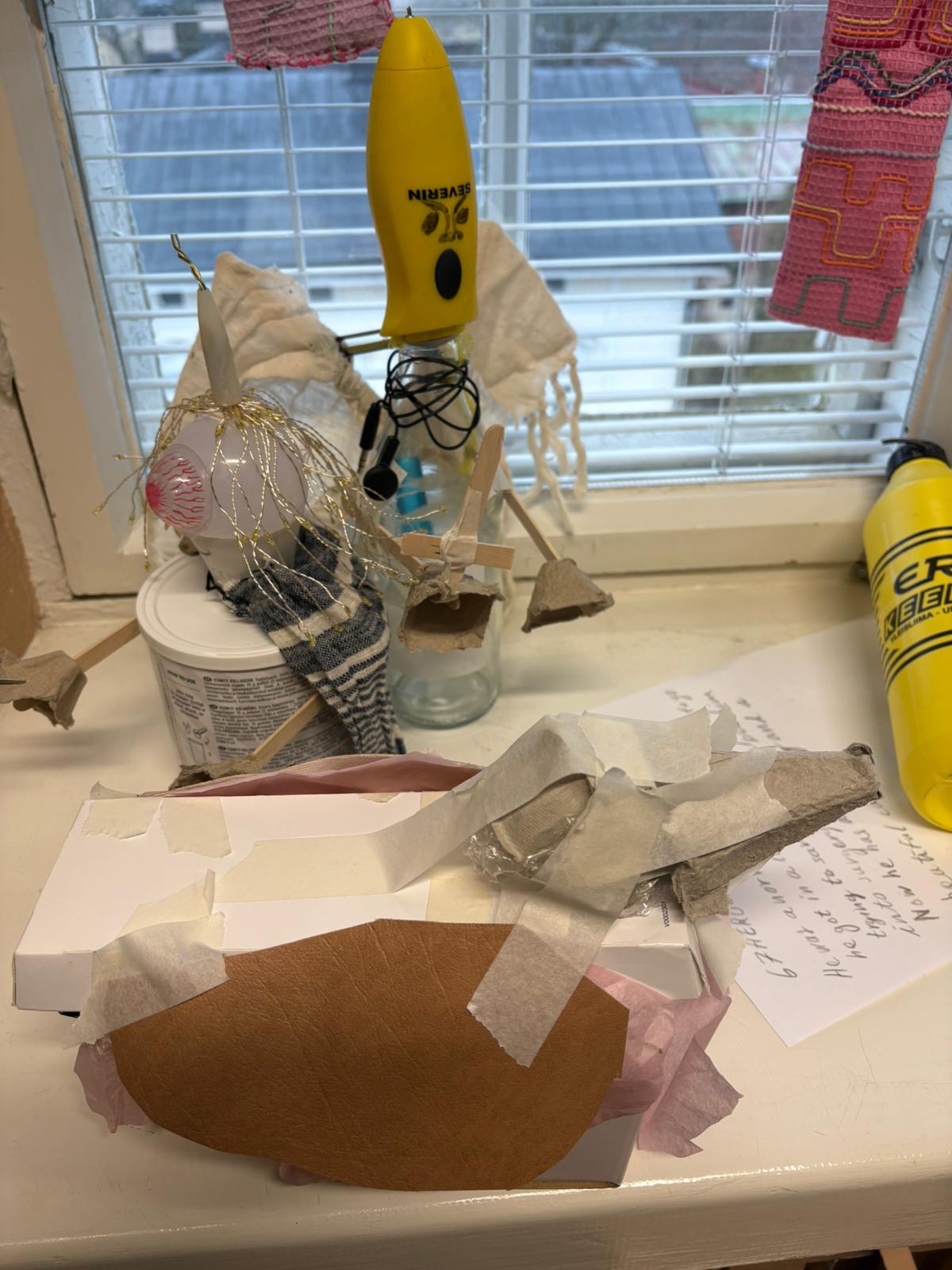
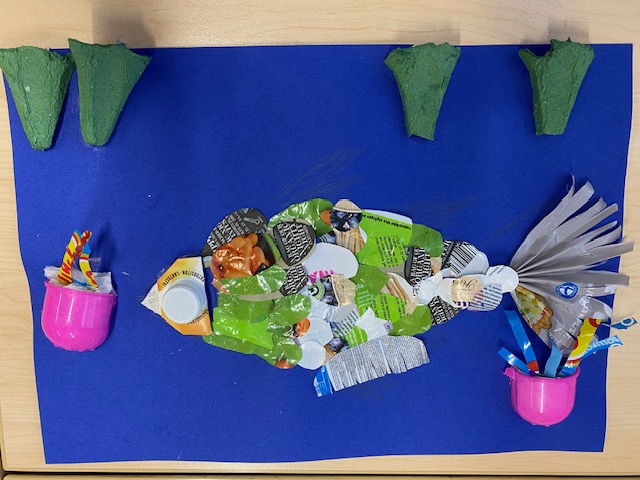
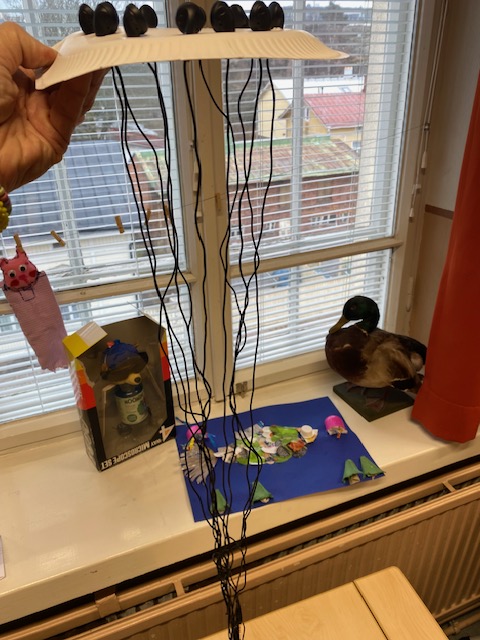
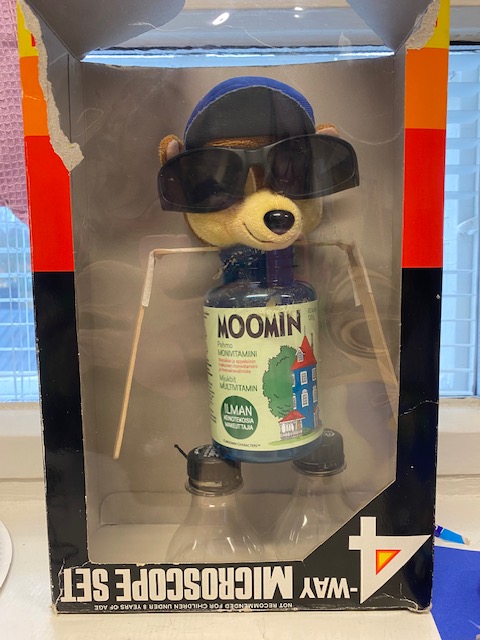
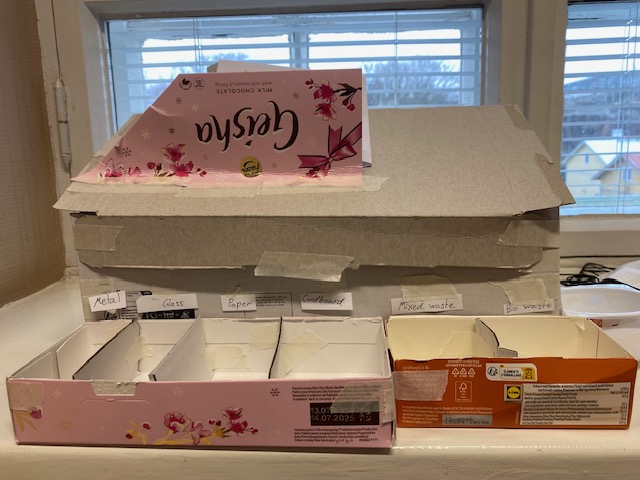
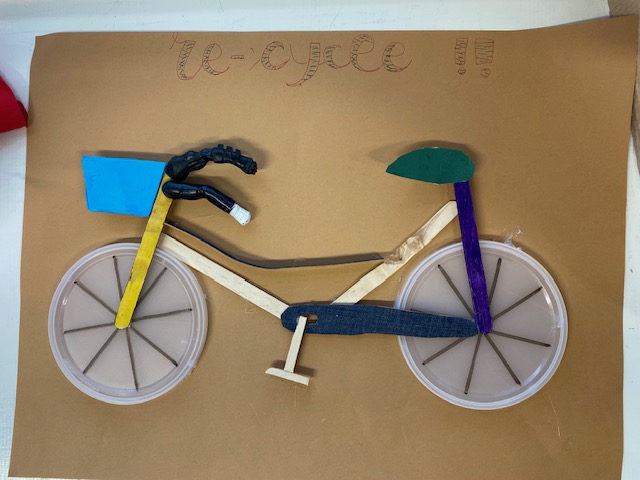
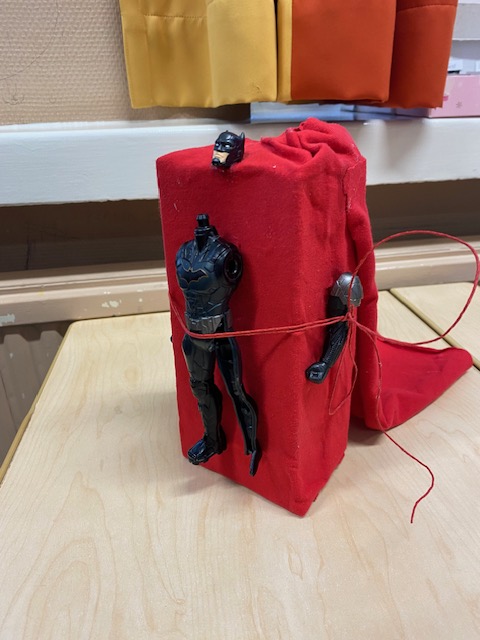
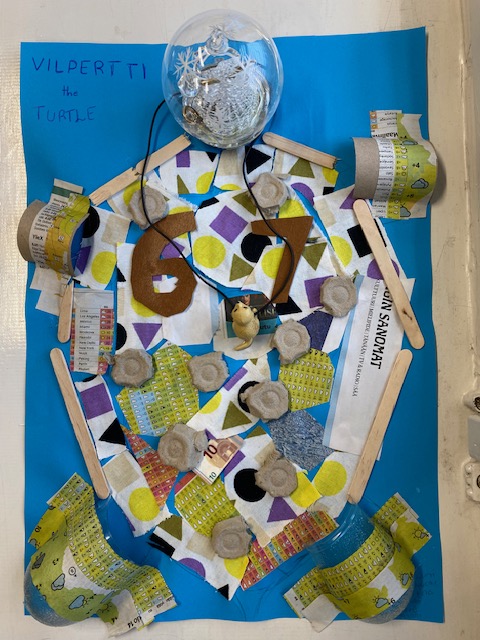
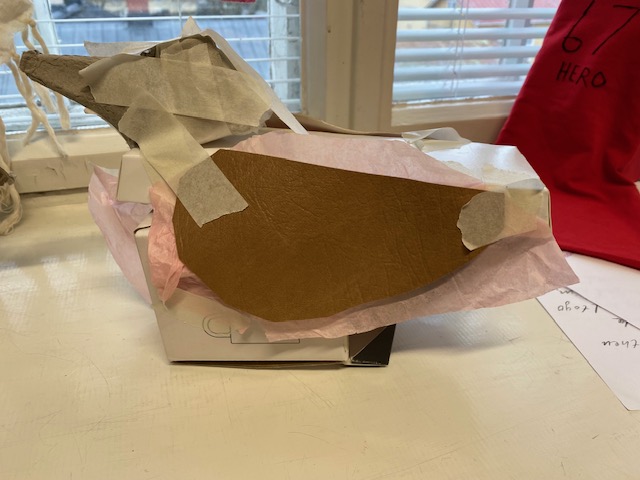
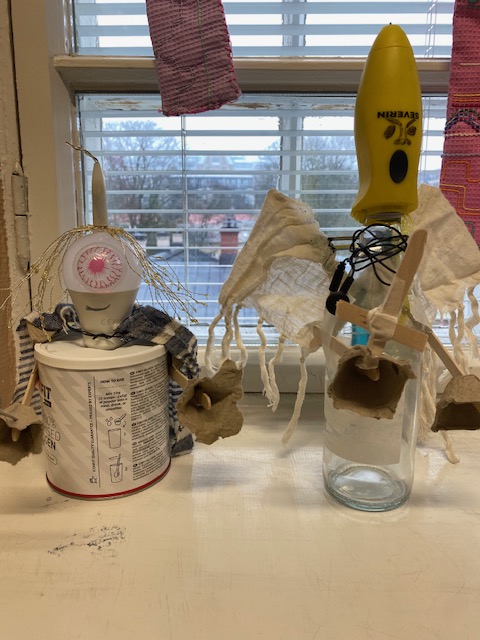
In the afternoon we began creating art pieces made from recycled materials. The students had brought various recyclable items from home, which they used in their small groups’ artworks. The aim of the artworks was to showcase the unique creativity of each group, emphasizing the use of recycled materials from the perspective of sustainable development.
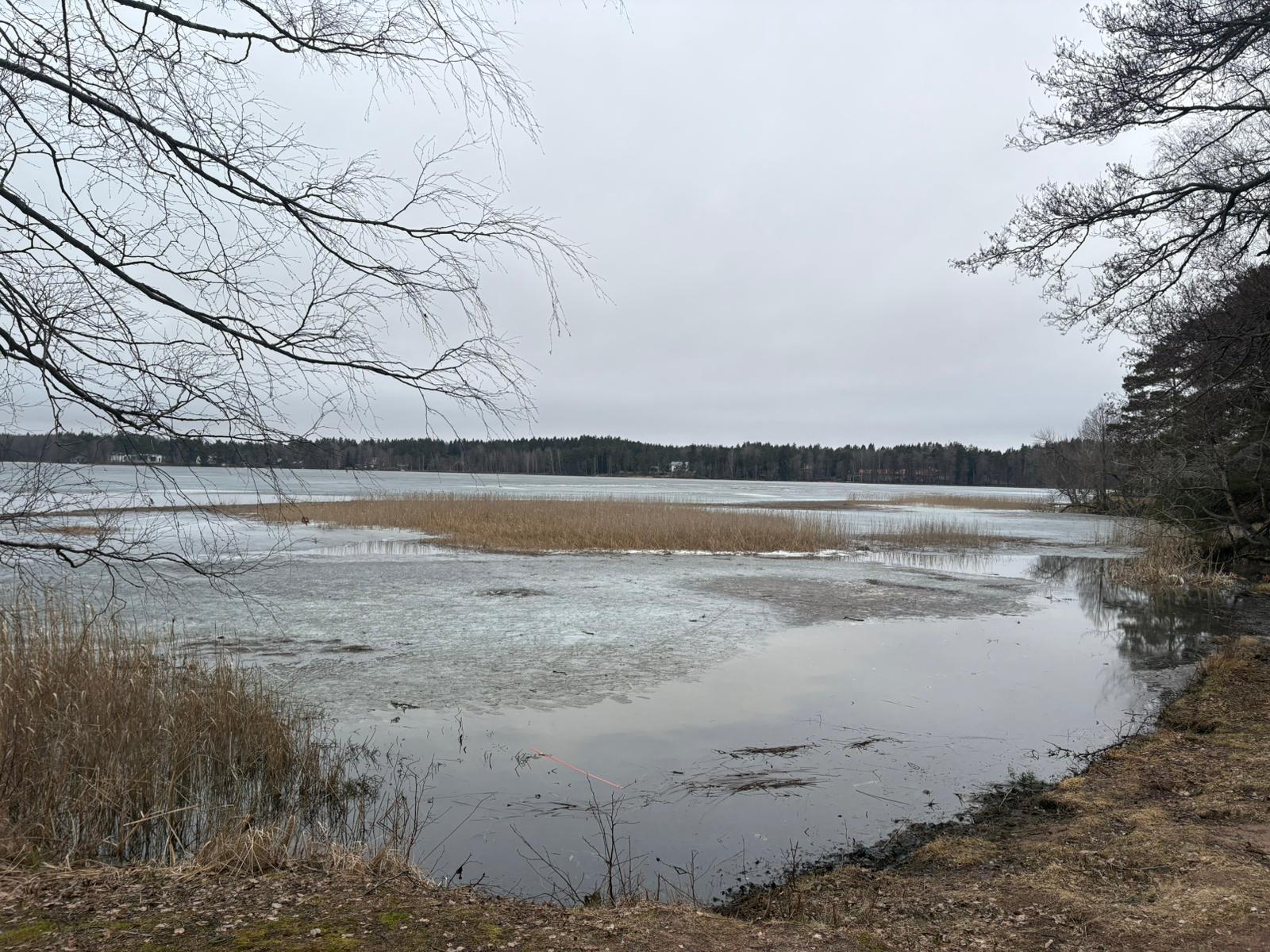
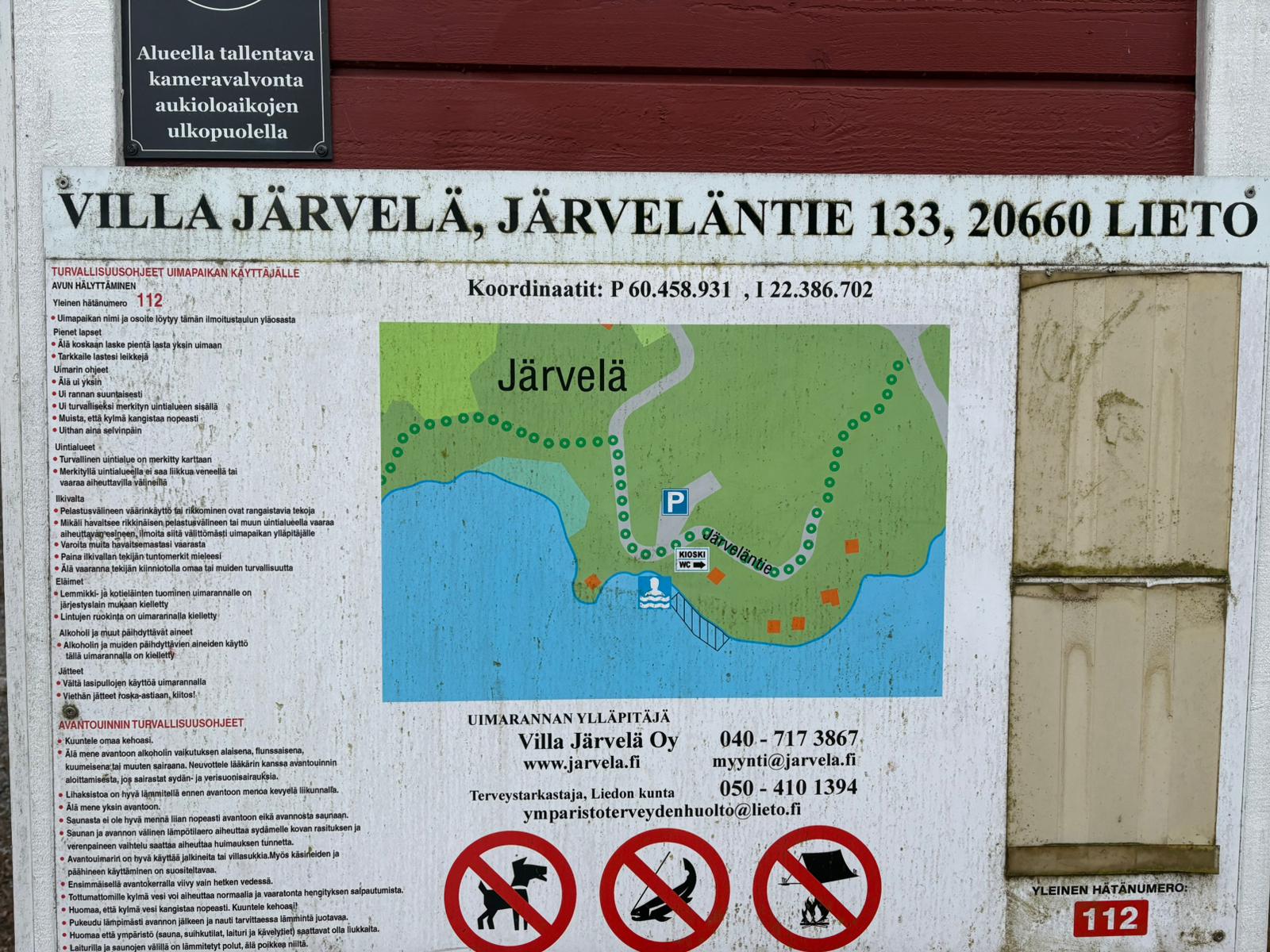
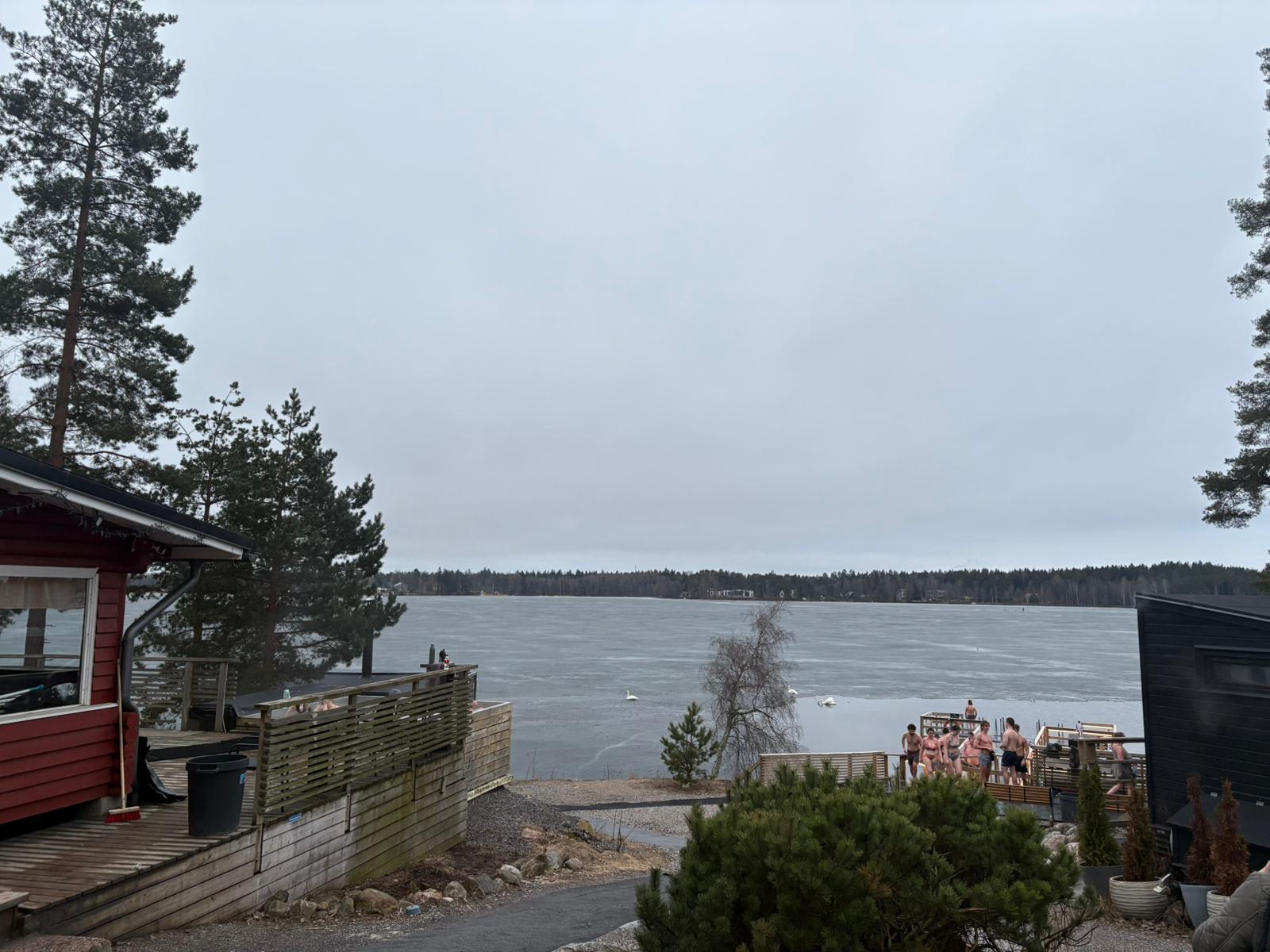
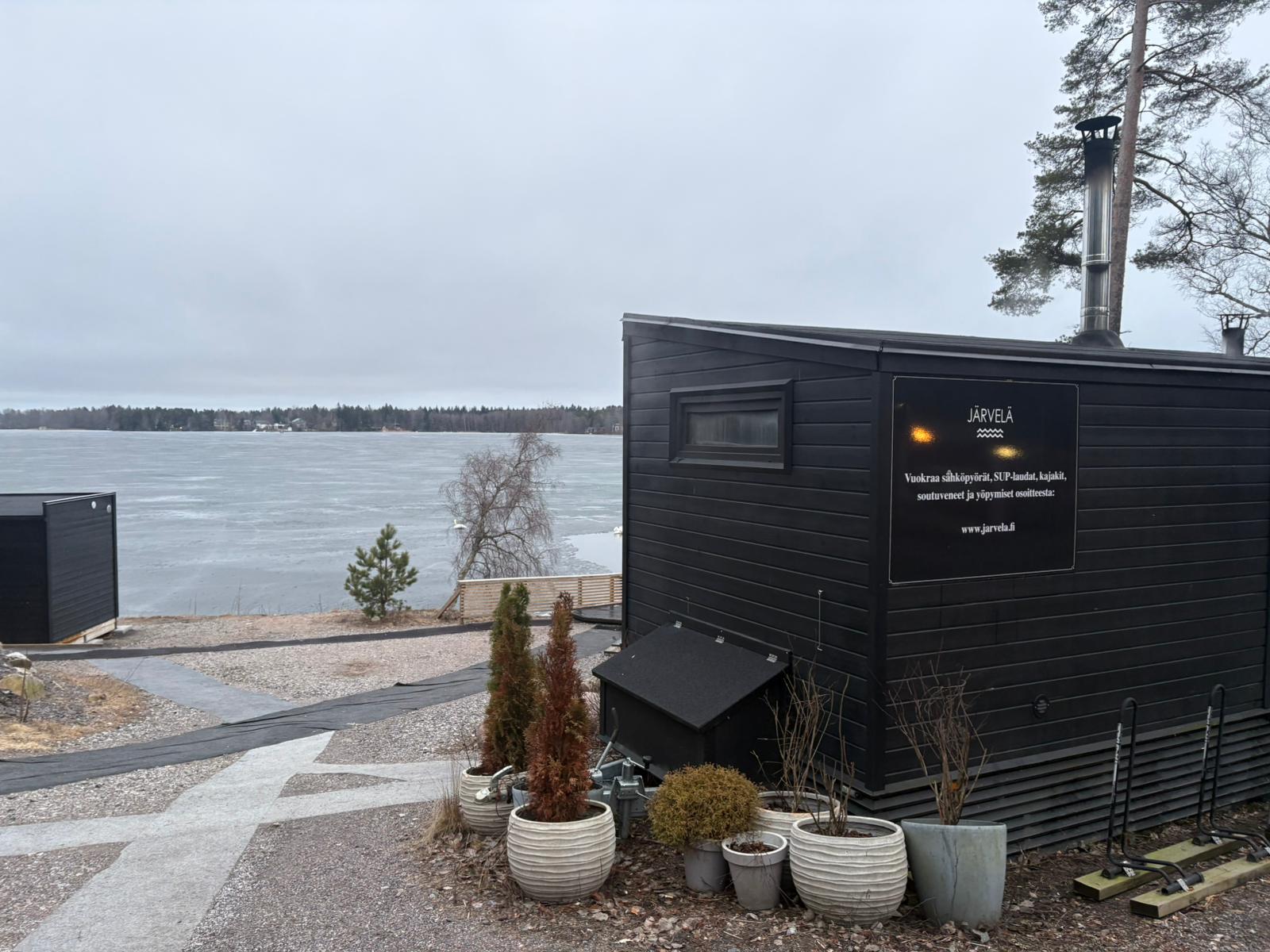
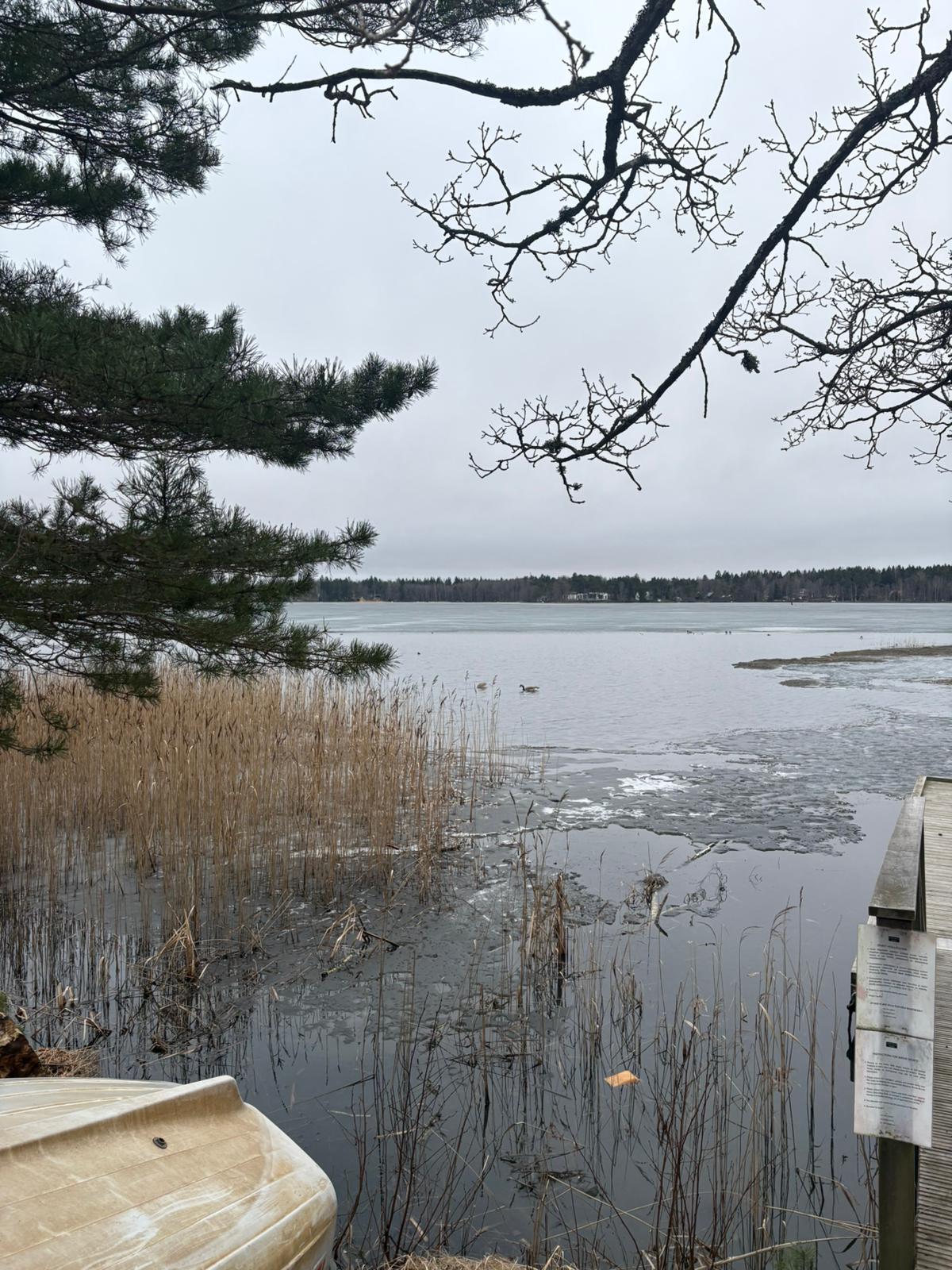
In the evening, we wanted to offer our guests the opportunity to see and experience the diversity, richness, and purity of Finnish nature. We arranged an opportunity for ice swimming by a beautiful lakeside. Everyone also got to experience a key part of Finnish culture: the sauna. While in nature we discussed the differences between the partner countries and the effect of climate change.
TUESDAY
Integration, presentations, history of Turku
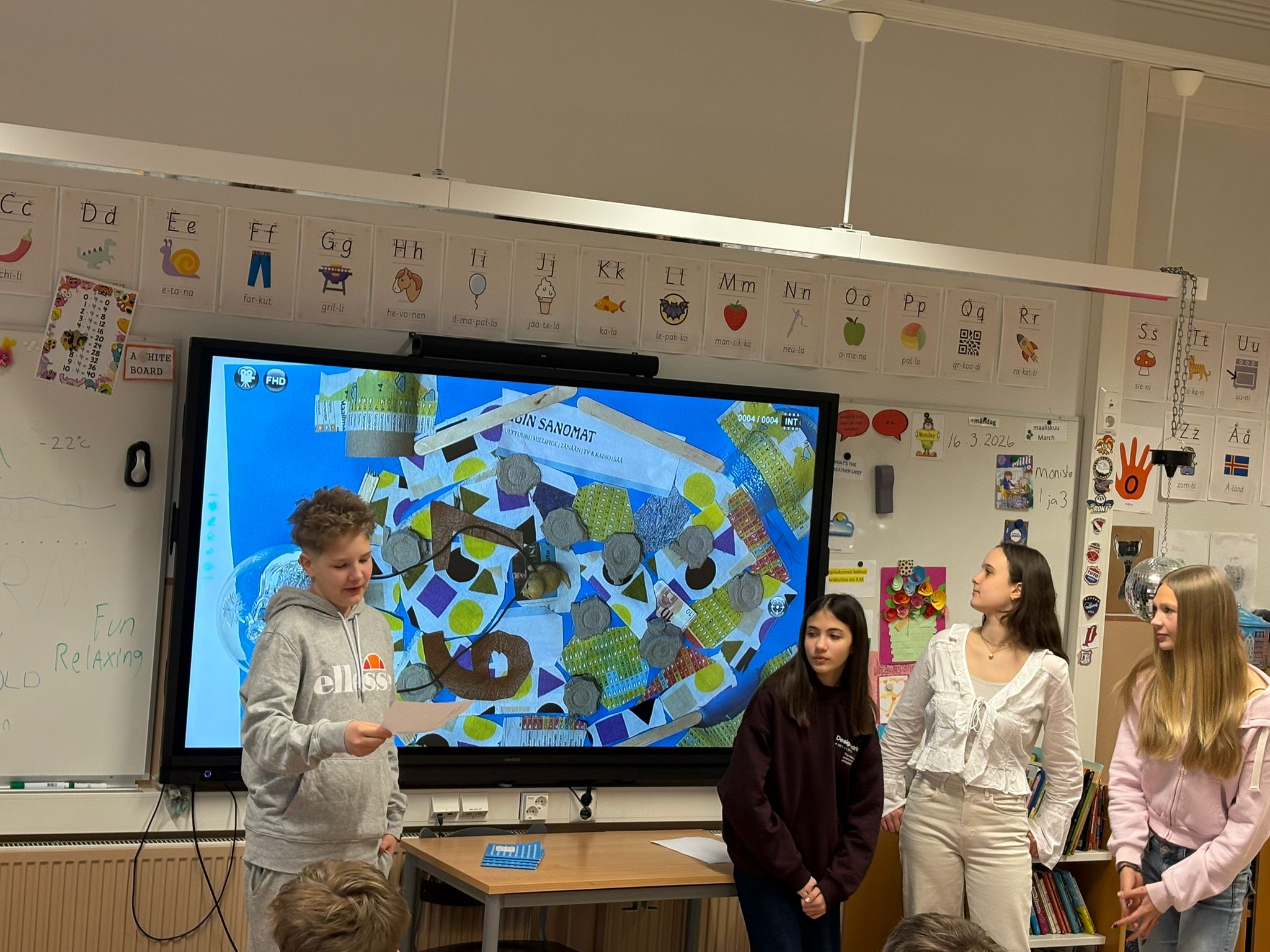
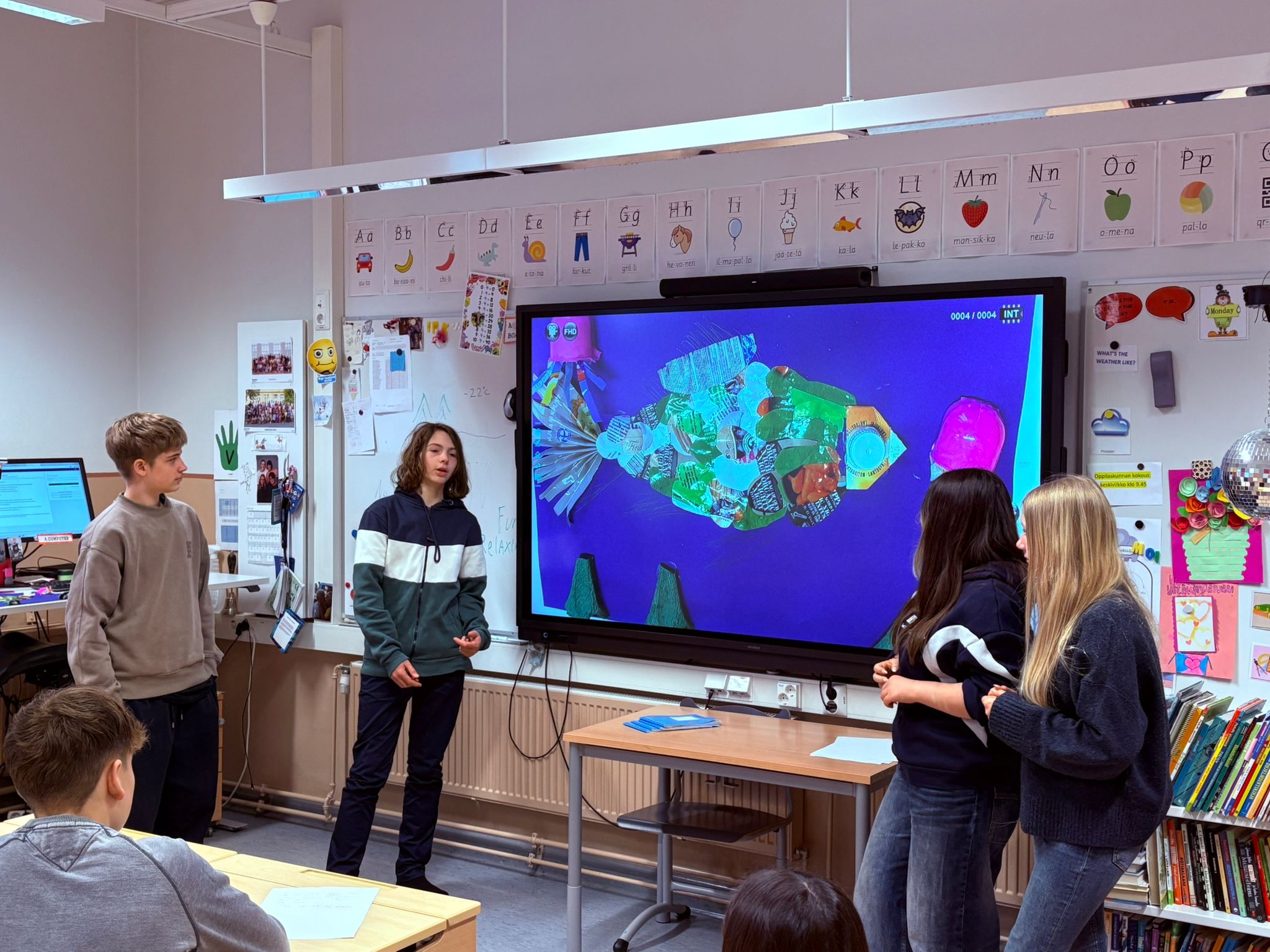
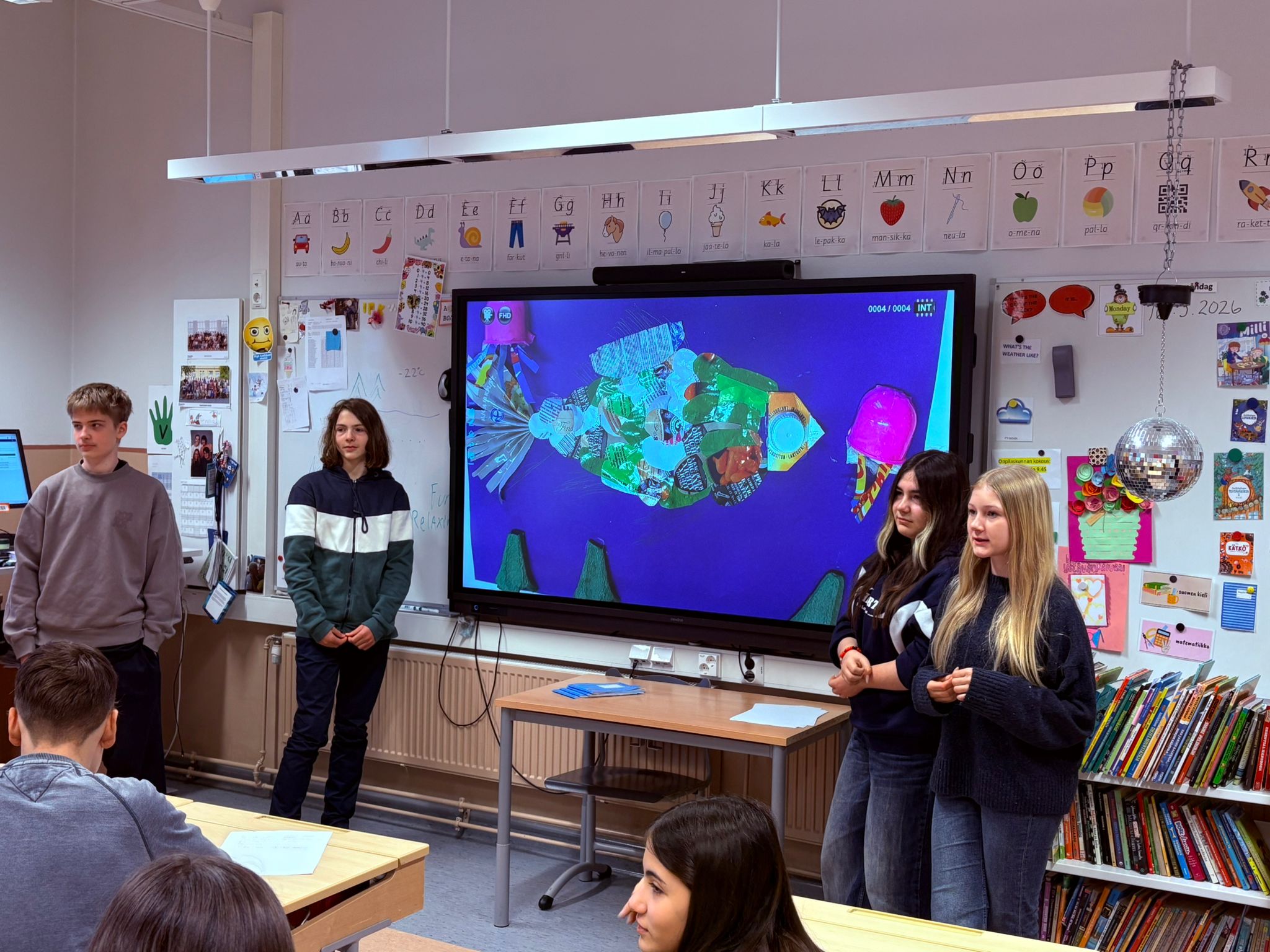
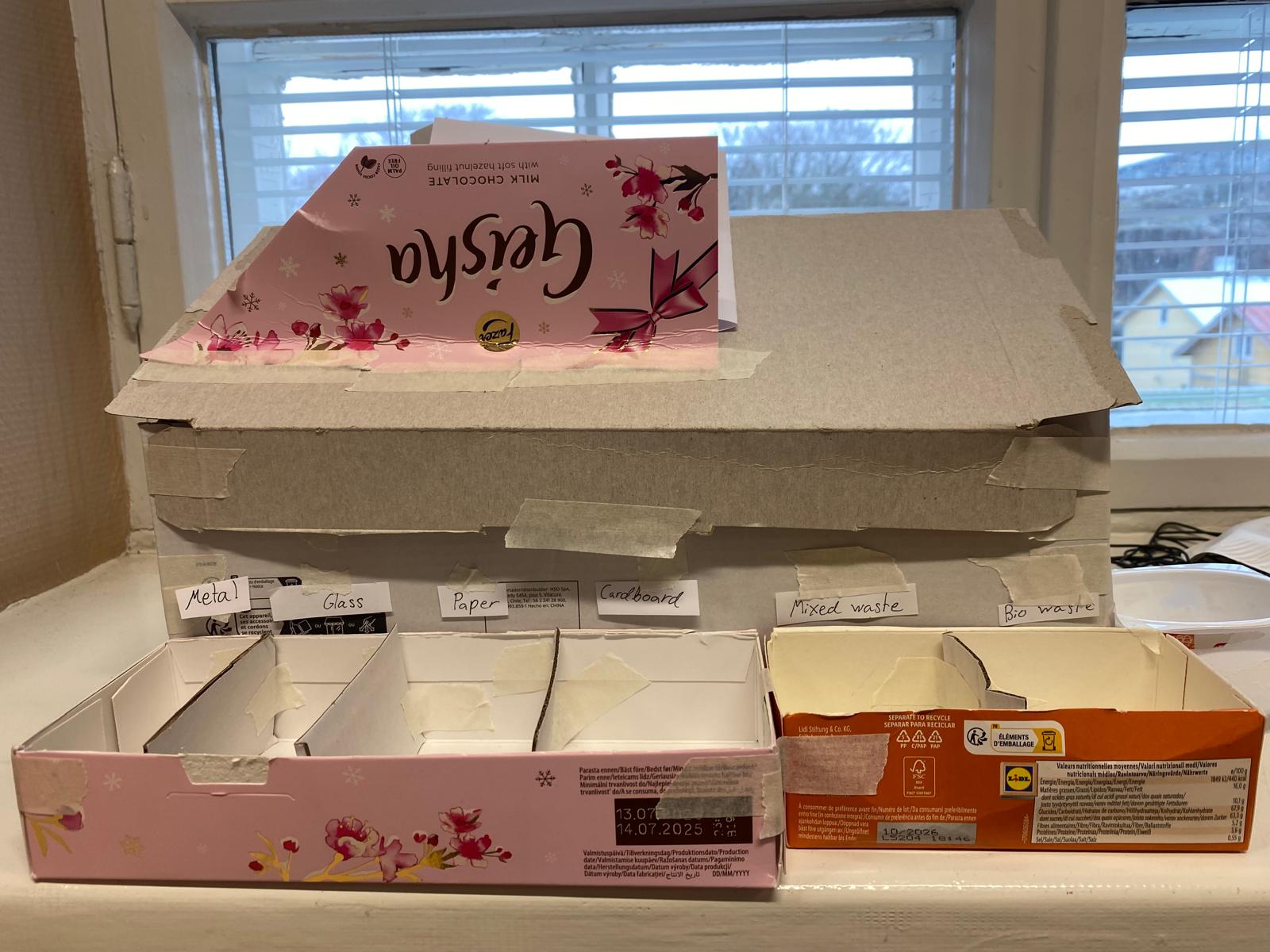
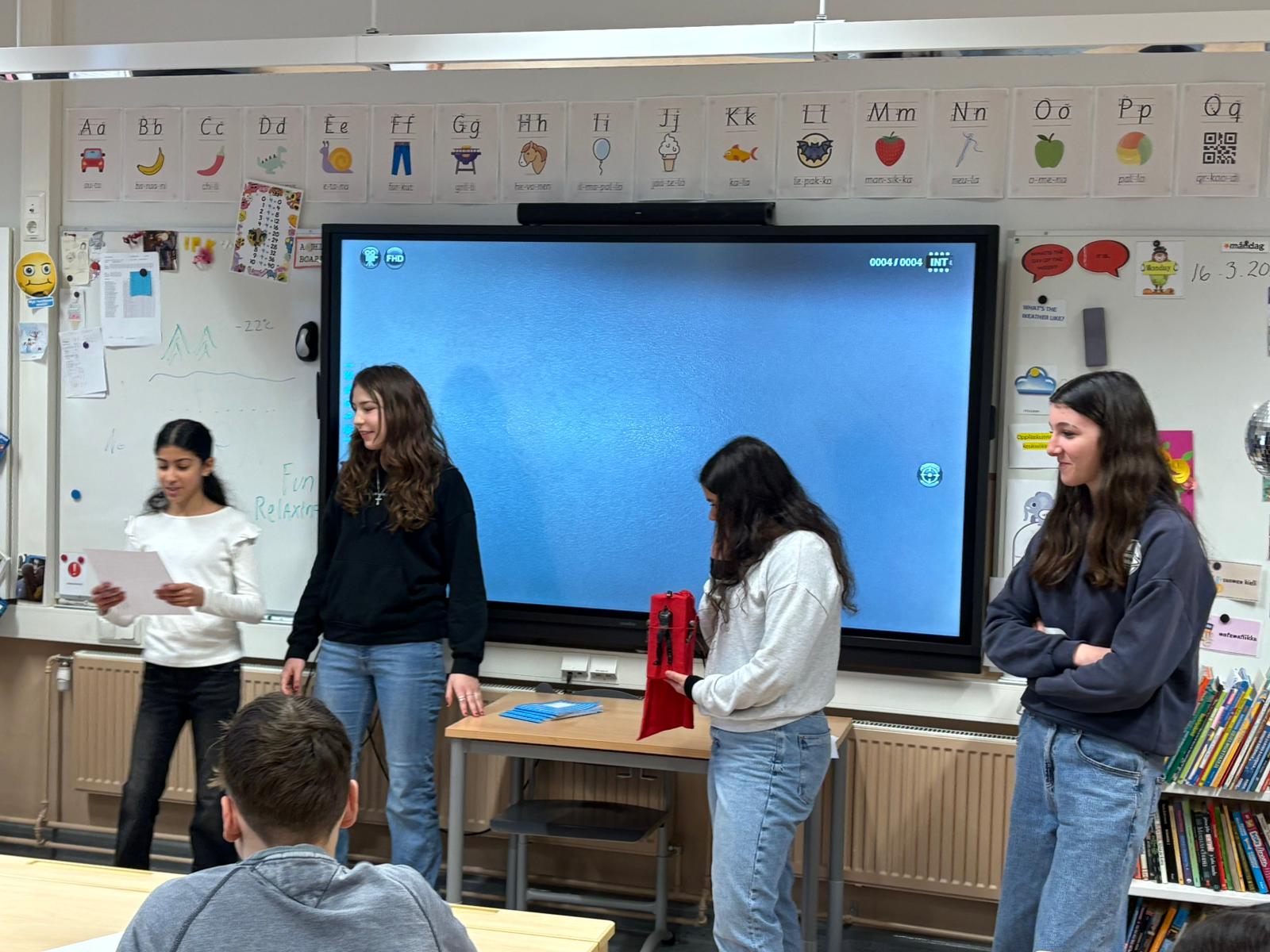
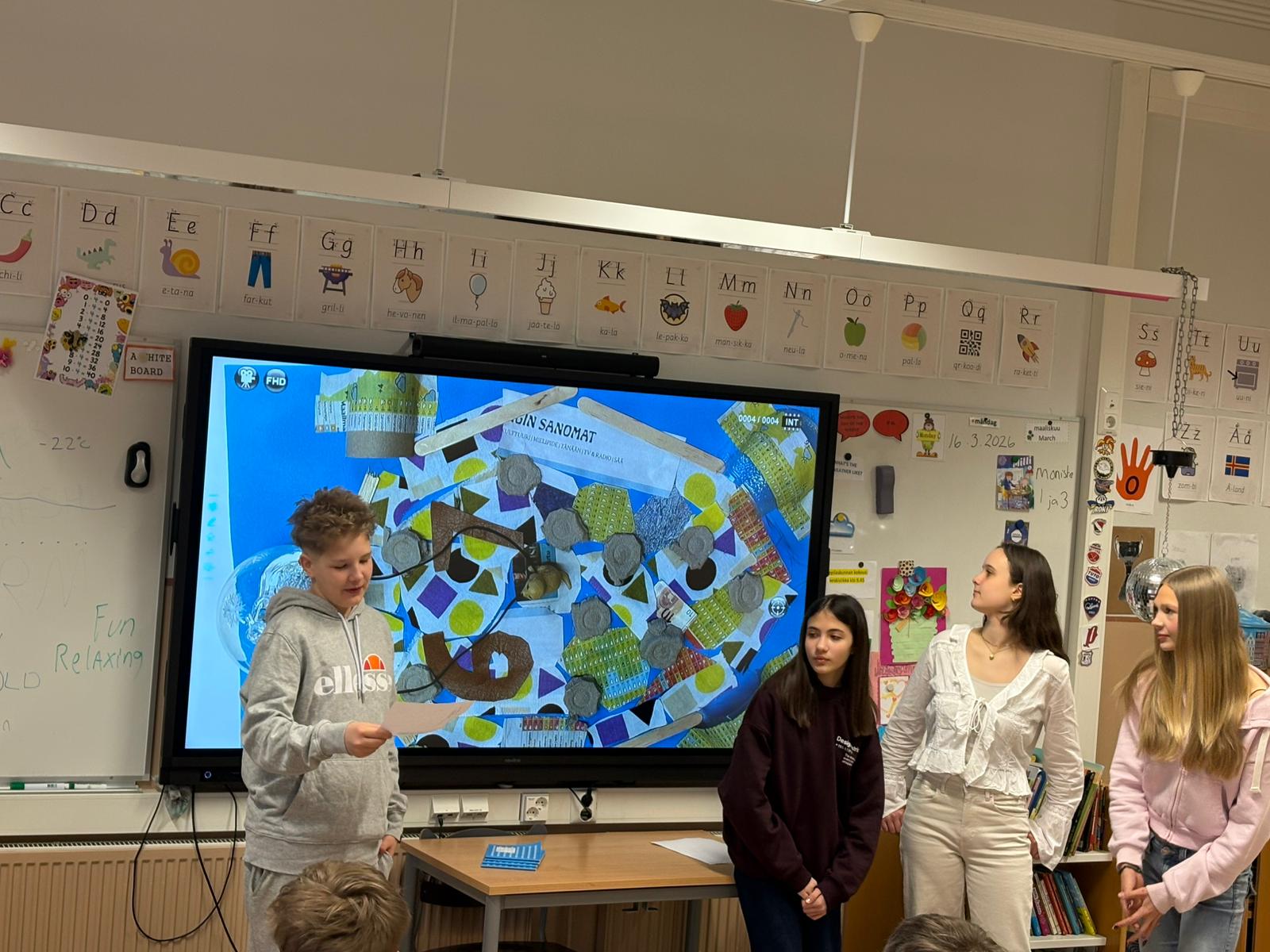
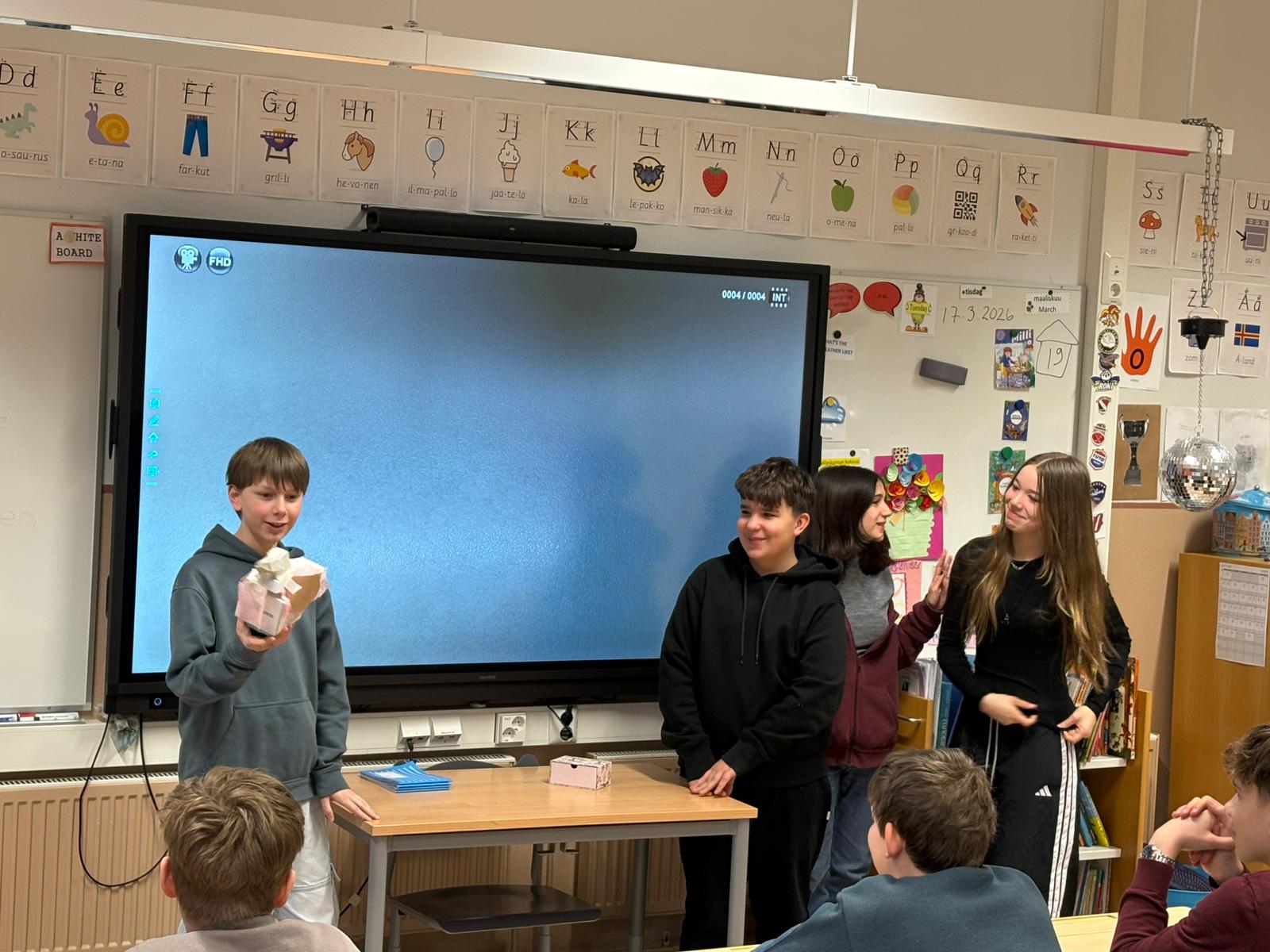
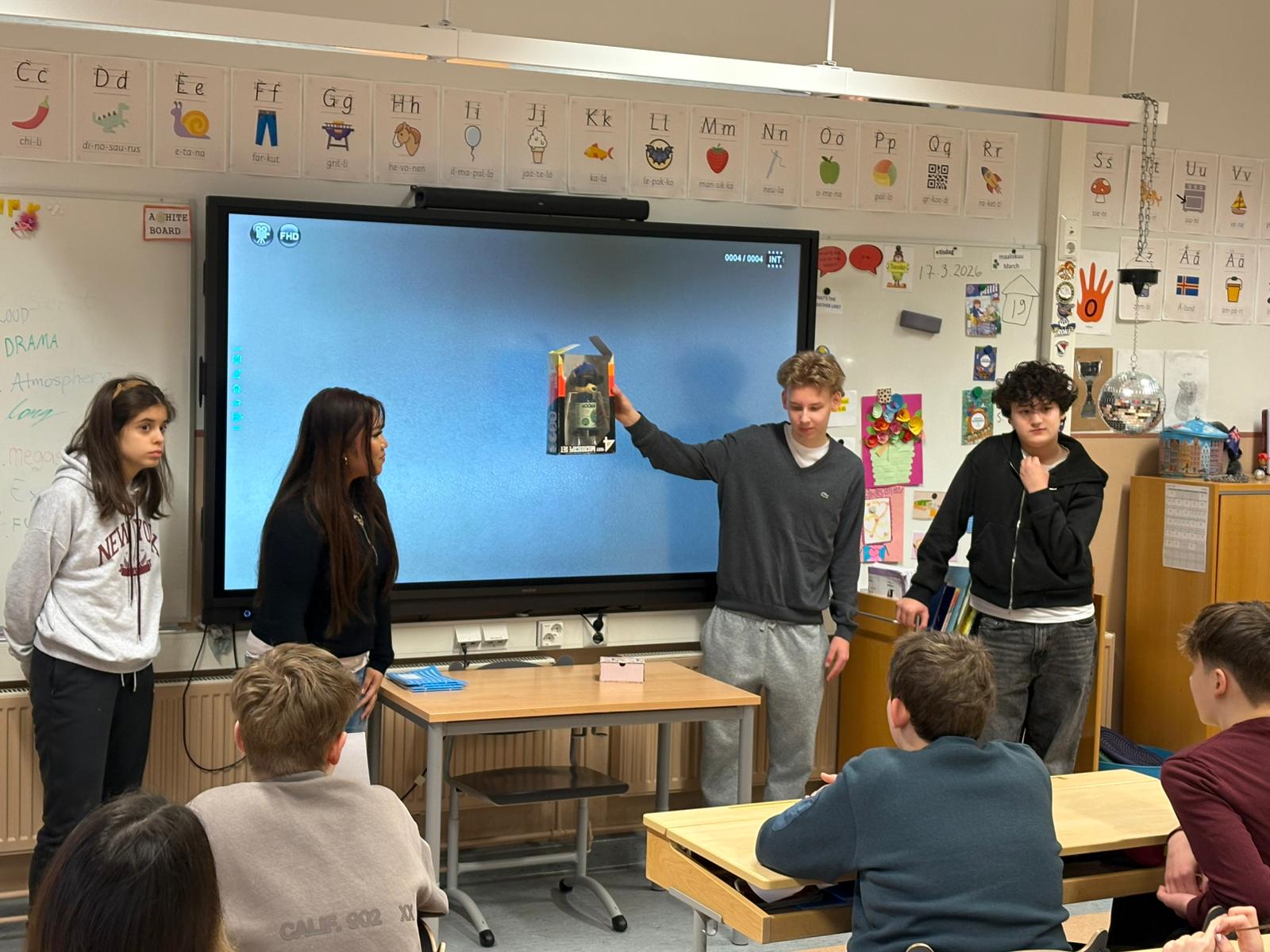
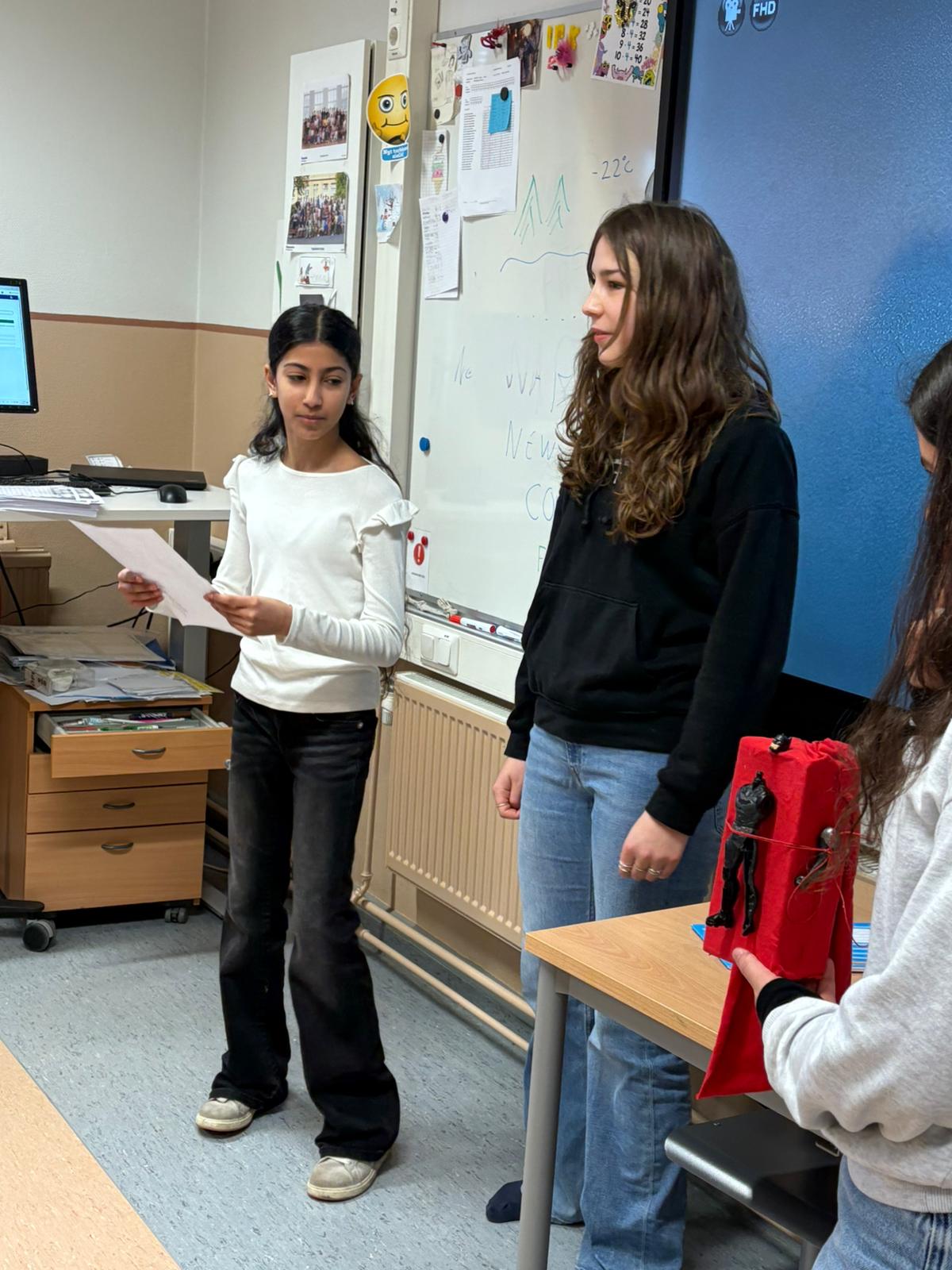
– In the morning we finished the artwork about environmental issues. The aim was to observe environmental issues and find different ways to save nature. We closed the artwork by talking about recycling and how many different sources can be used to build pieces of art. The main theme was finding ways to save natural resources. We compared the differences between countries, for example in electricity production. The students presented their work, trying to come up with ways to save natural resources. The projects used things like broken objects and materials designed for recycling, such as empty batteries or old toys.
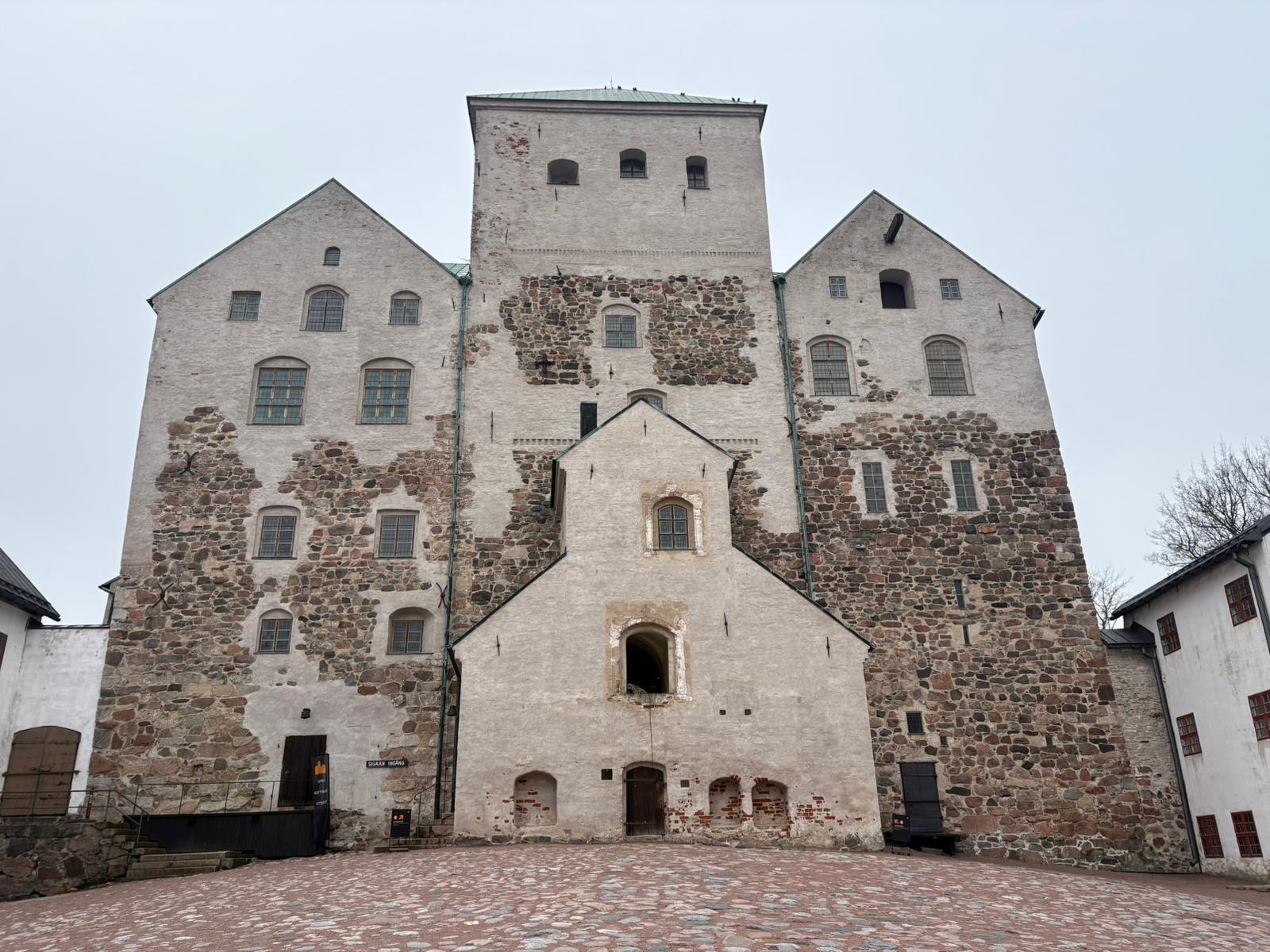
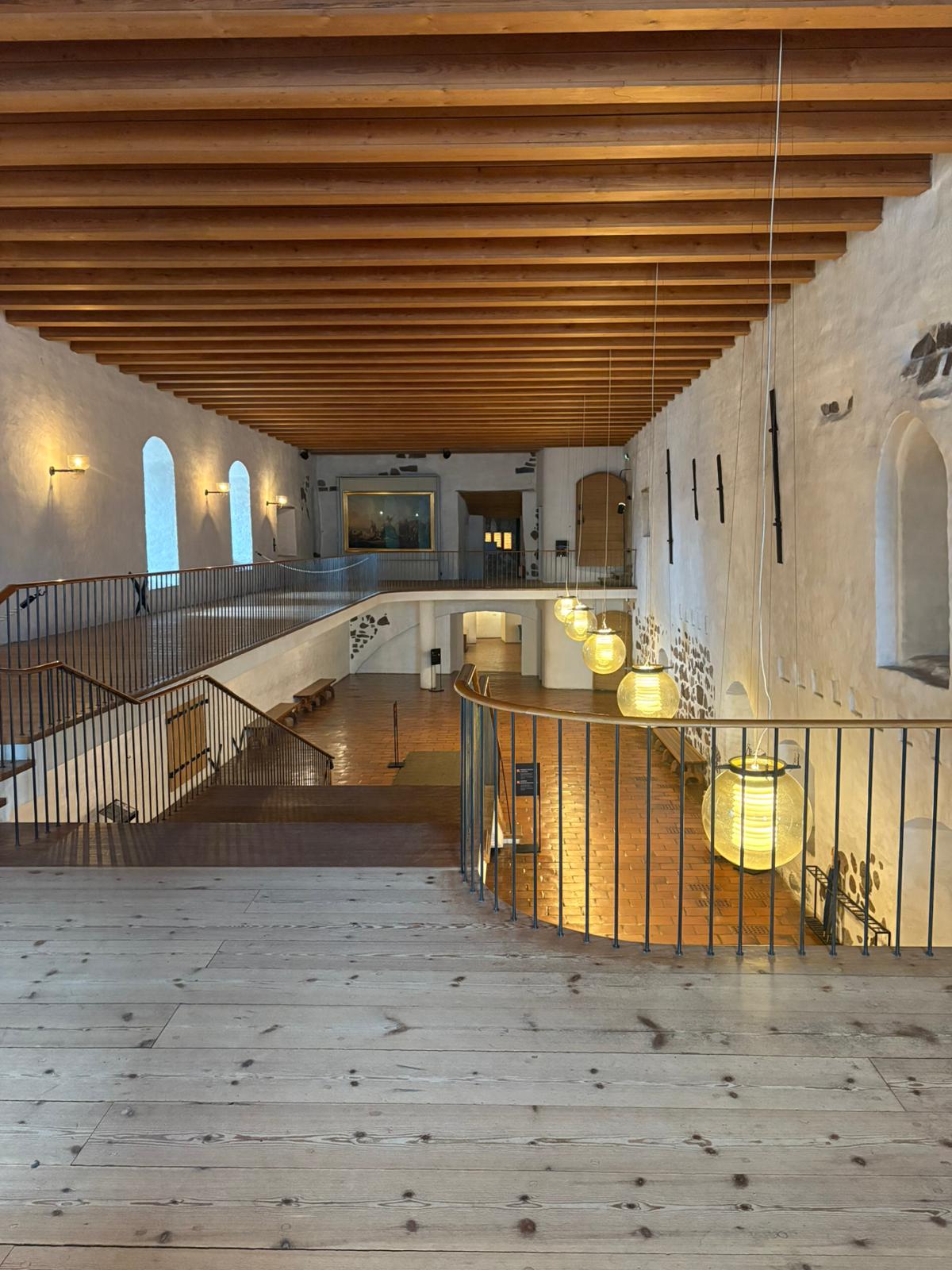
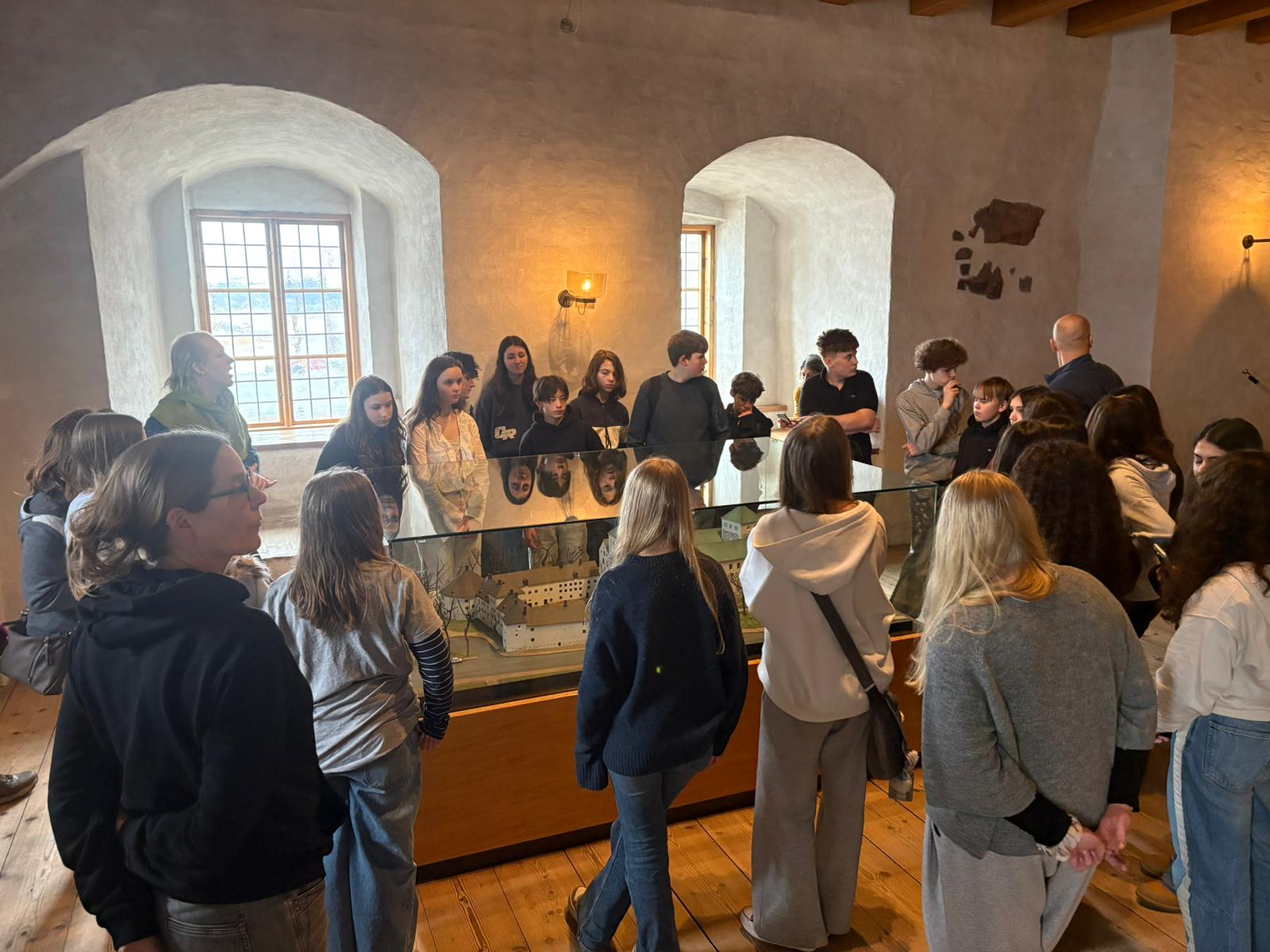
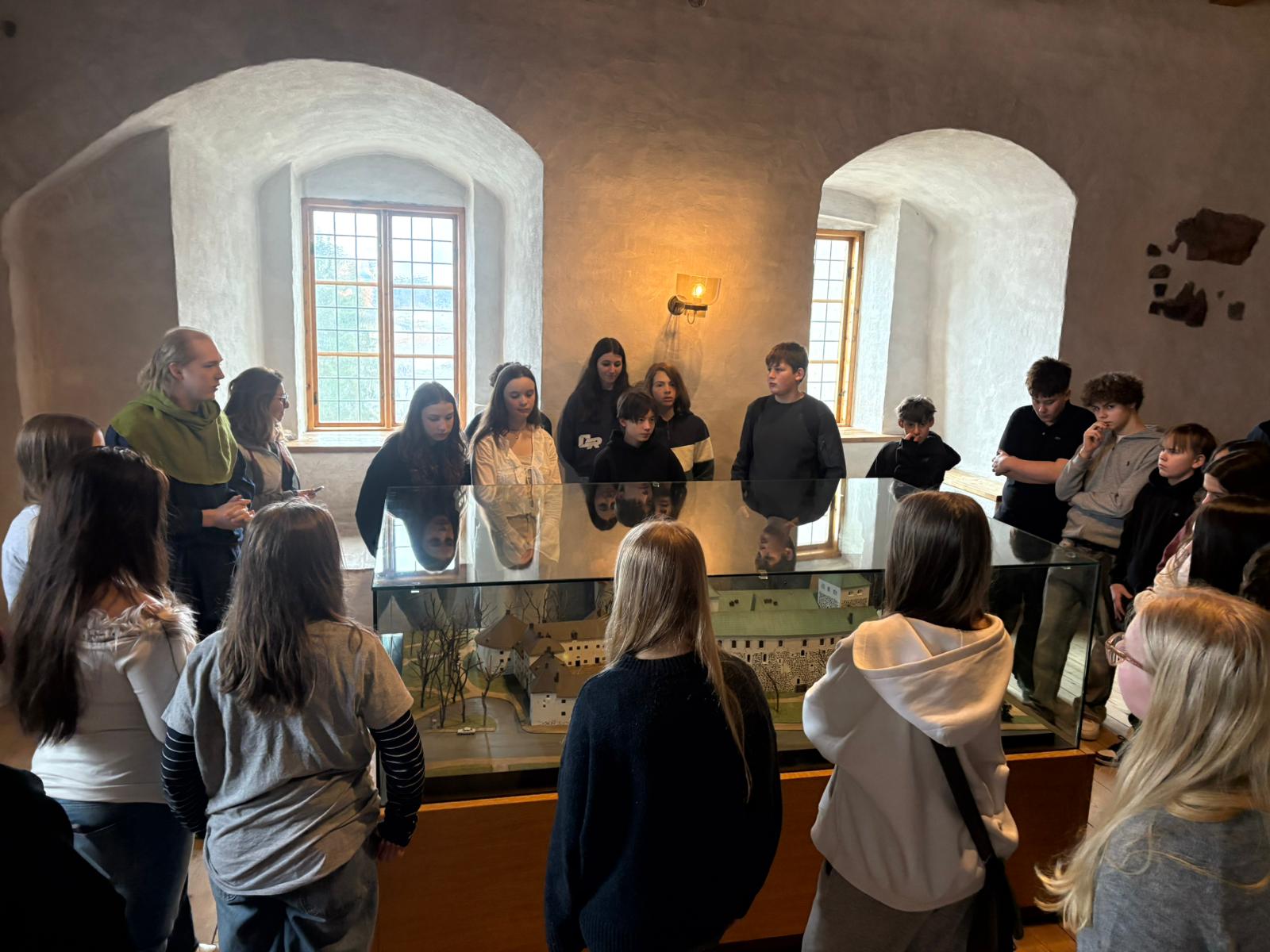
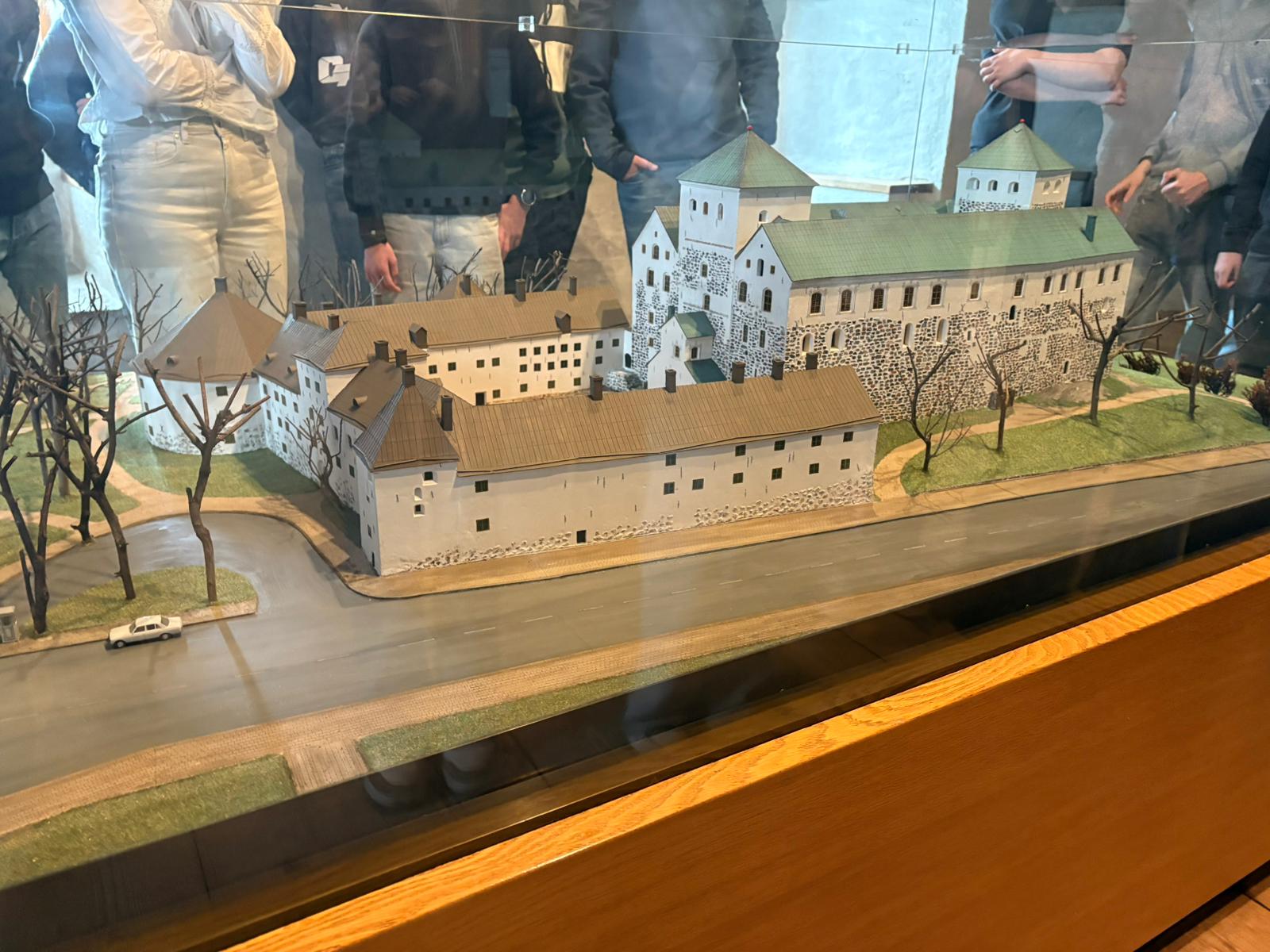
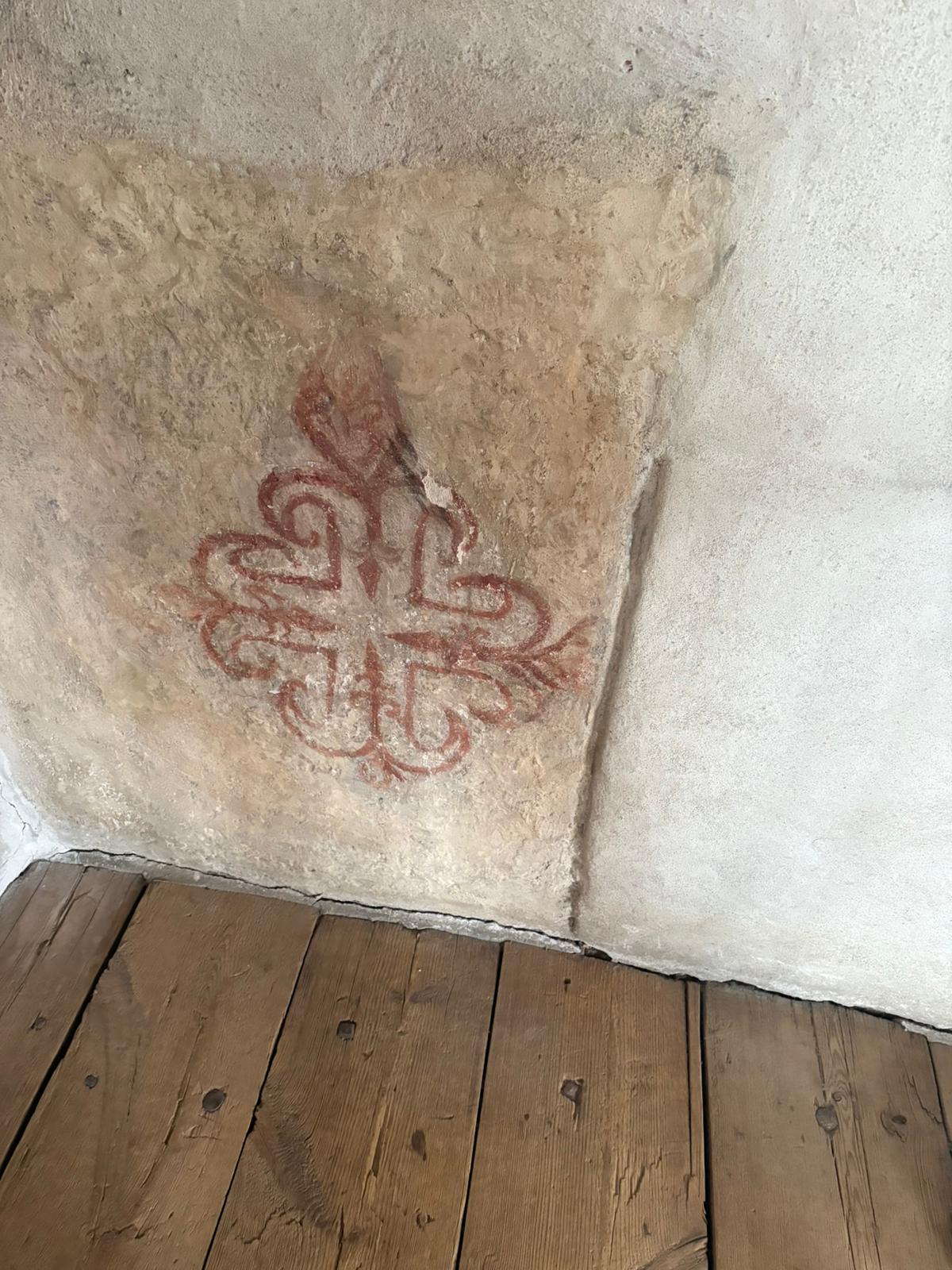
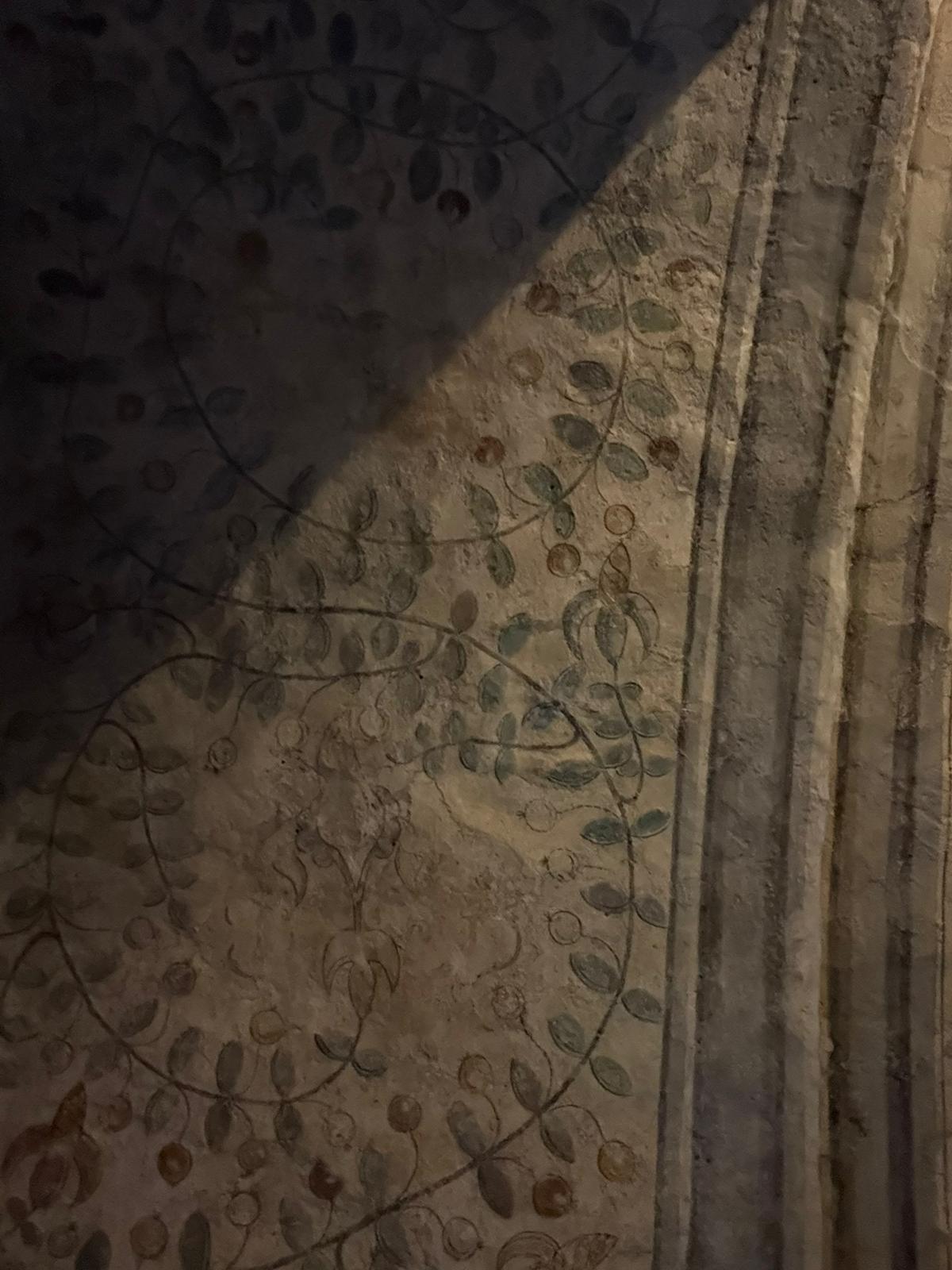
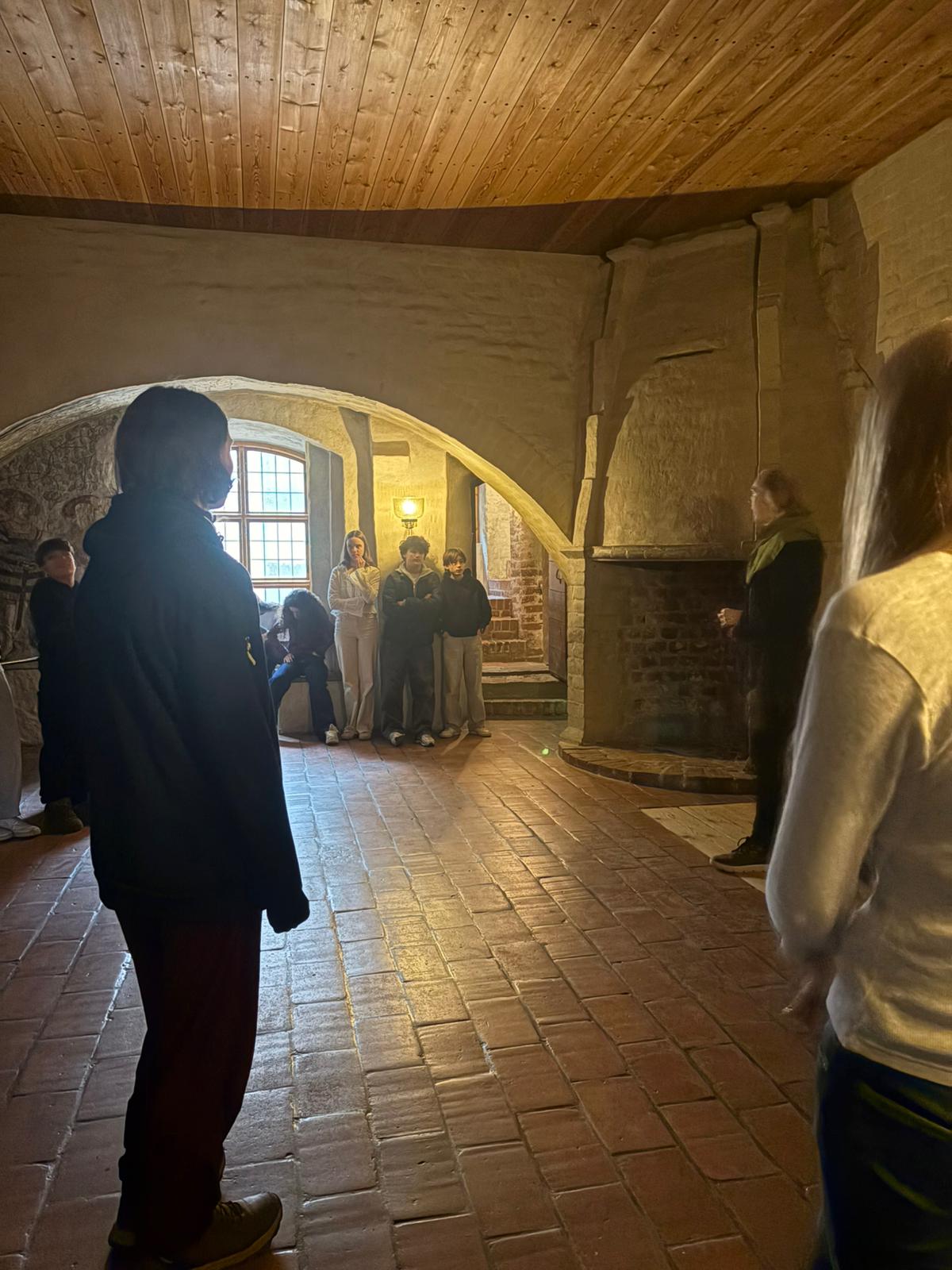
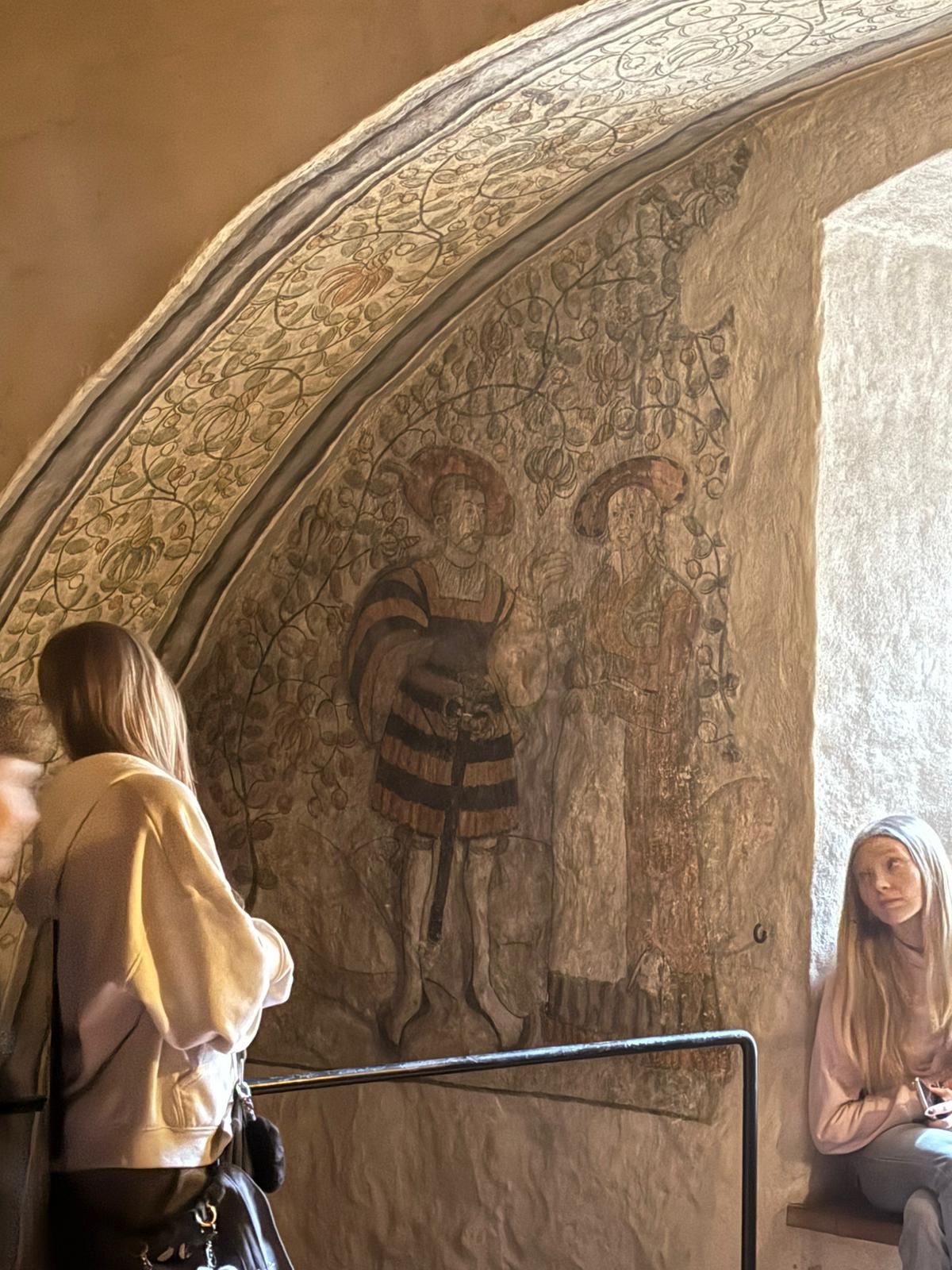
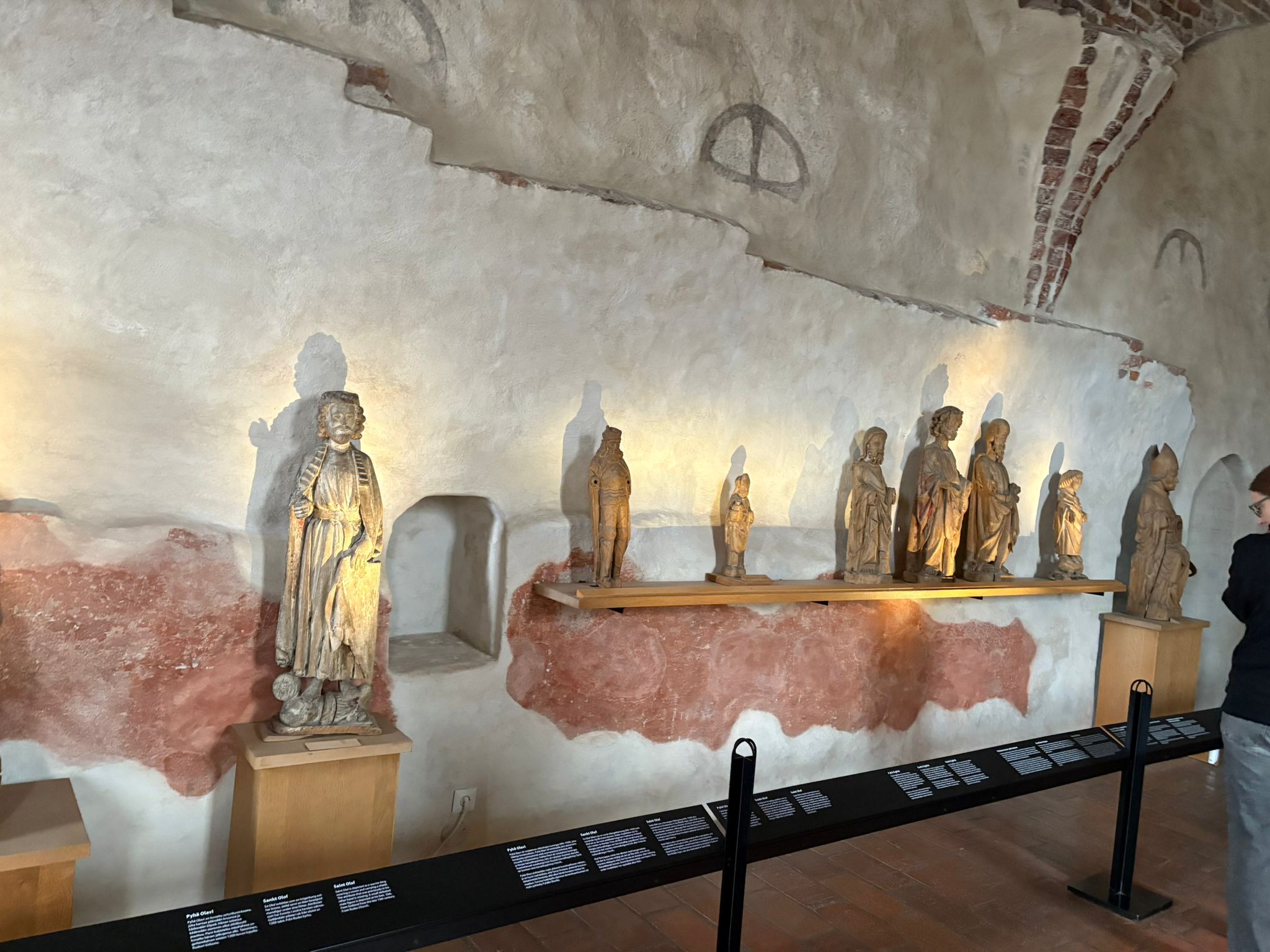
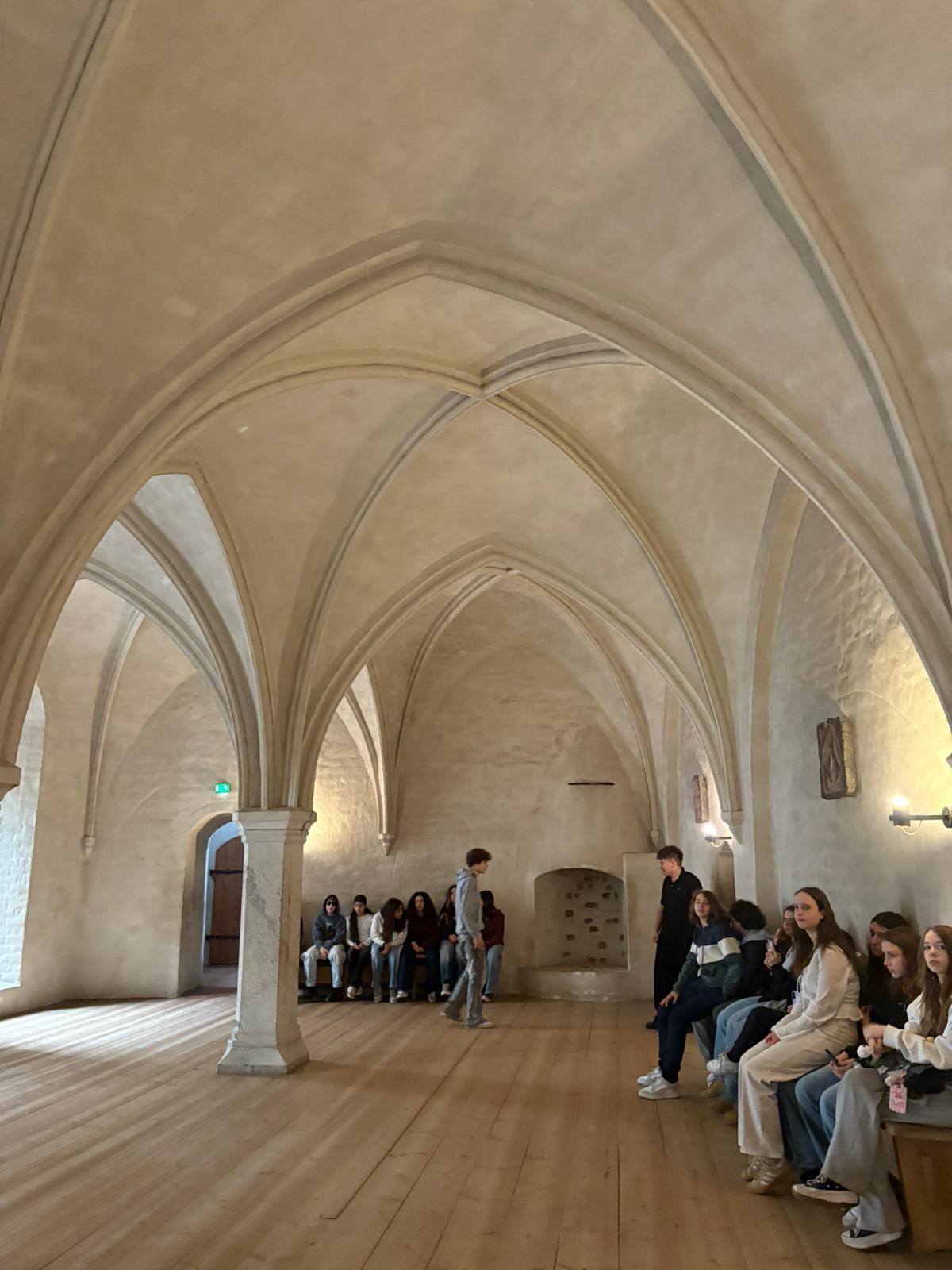
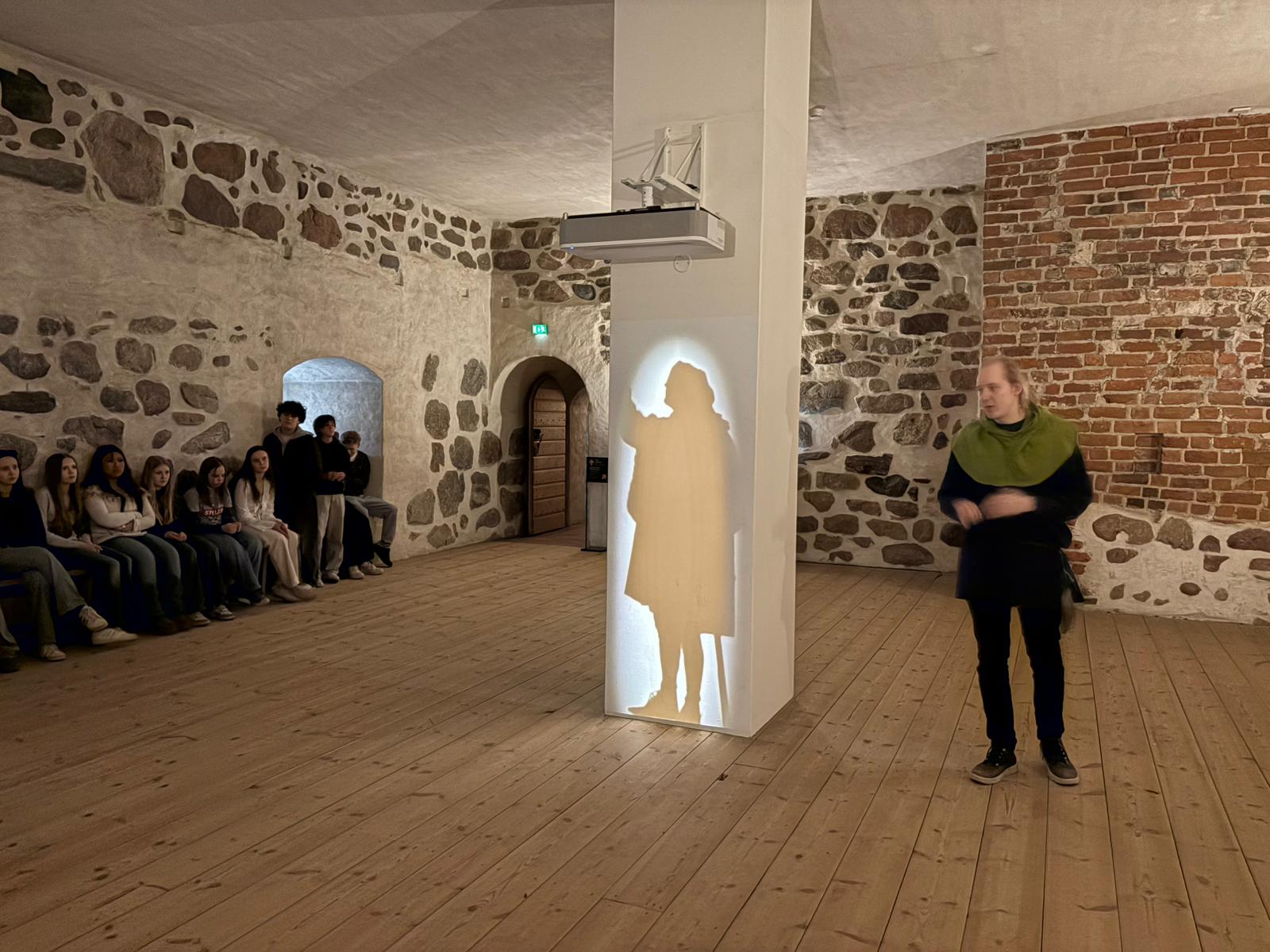
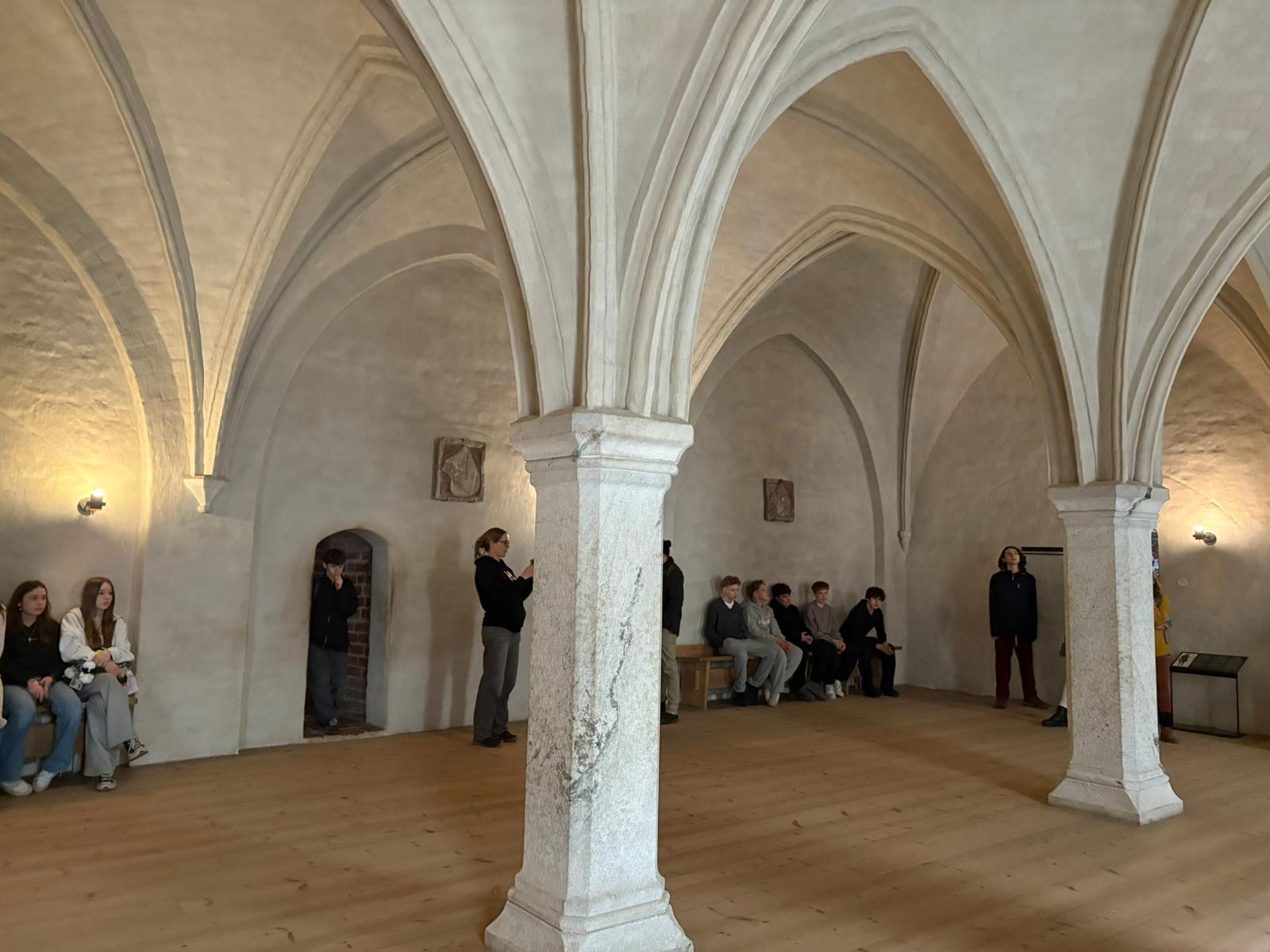
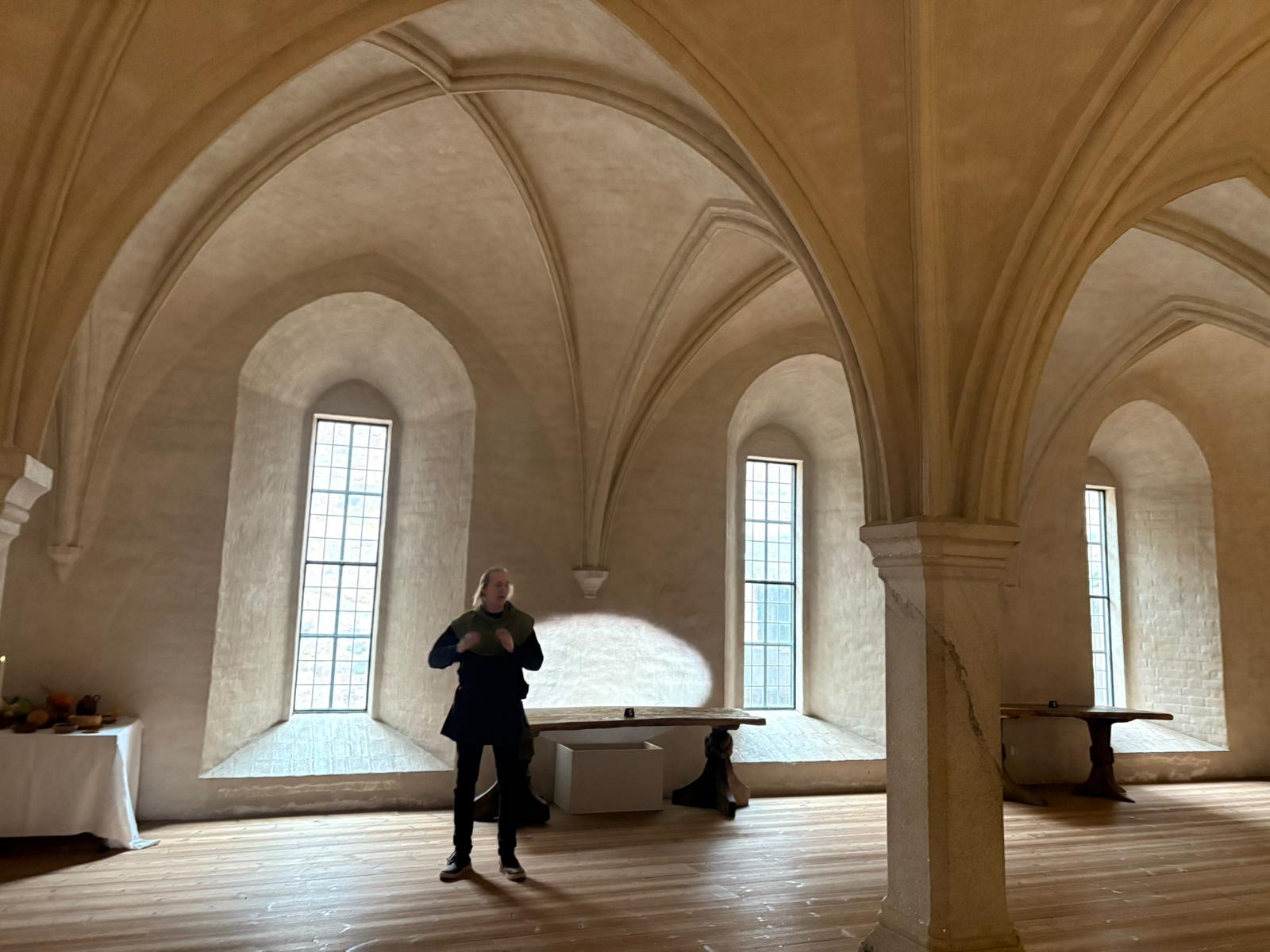
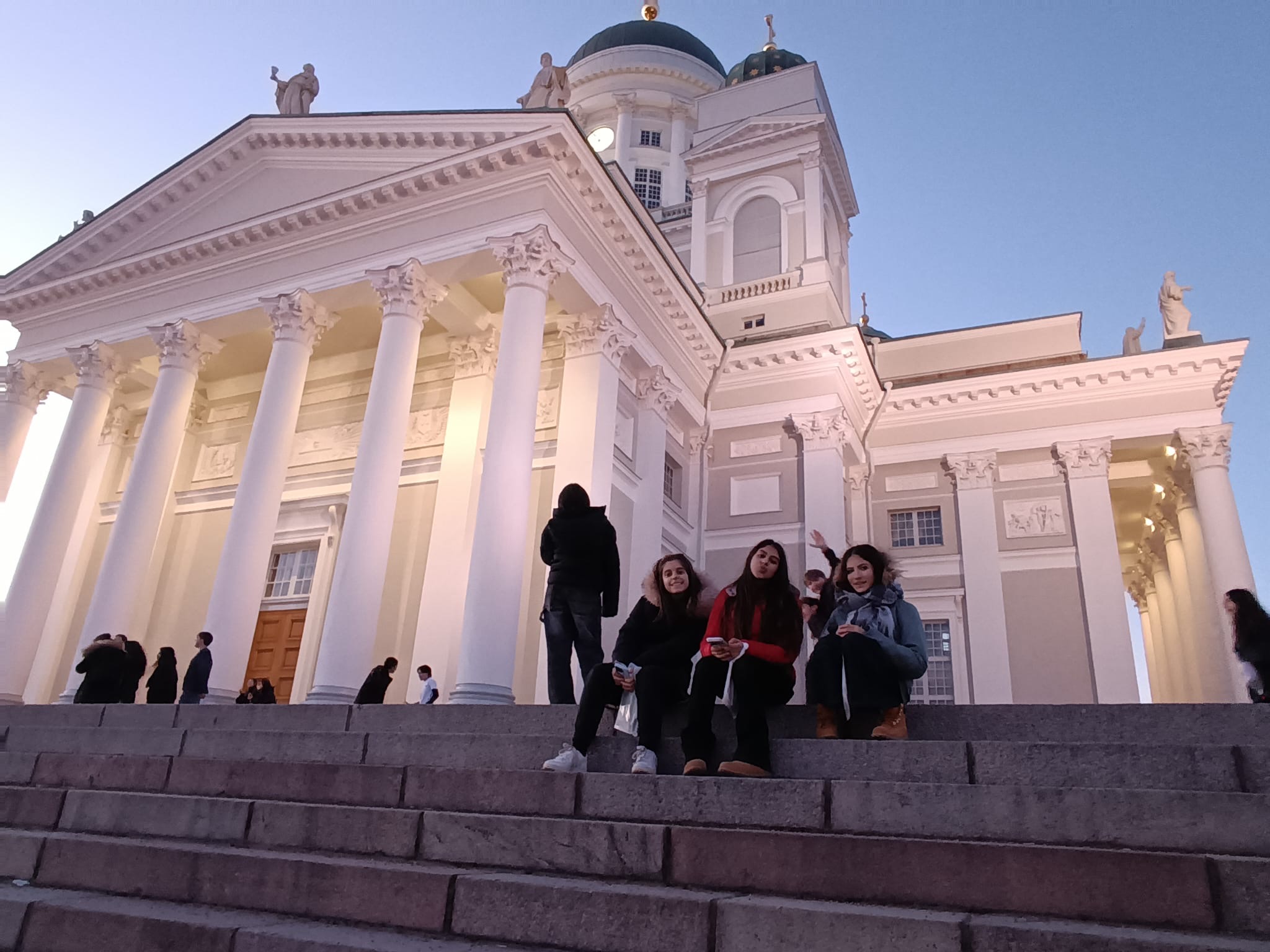
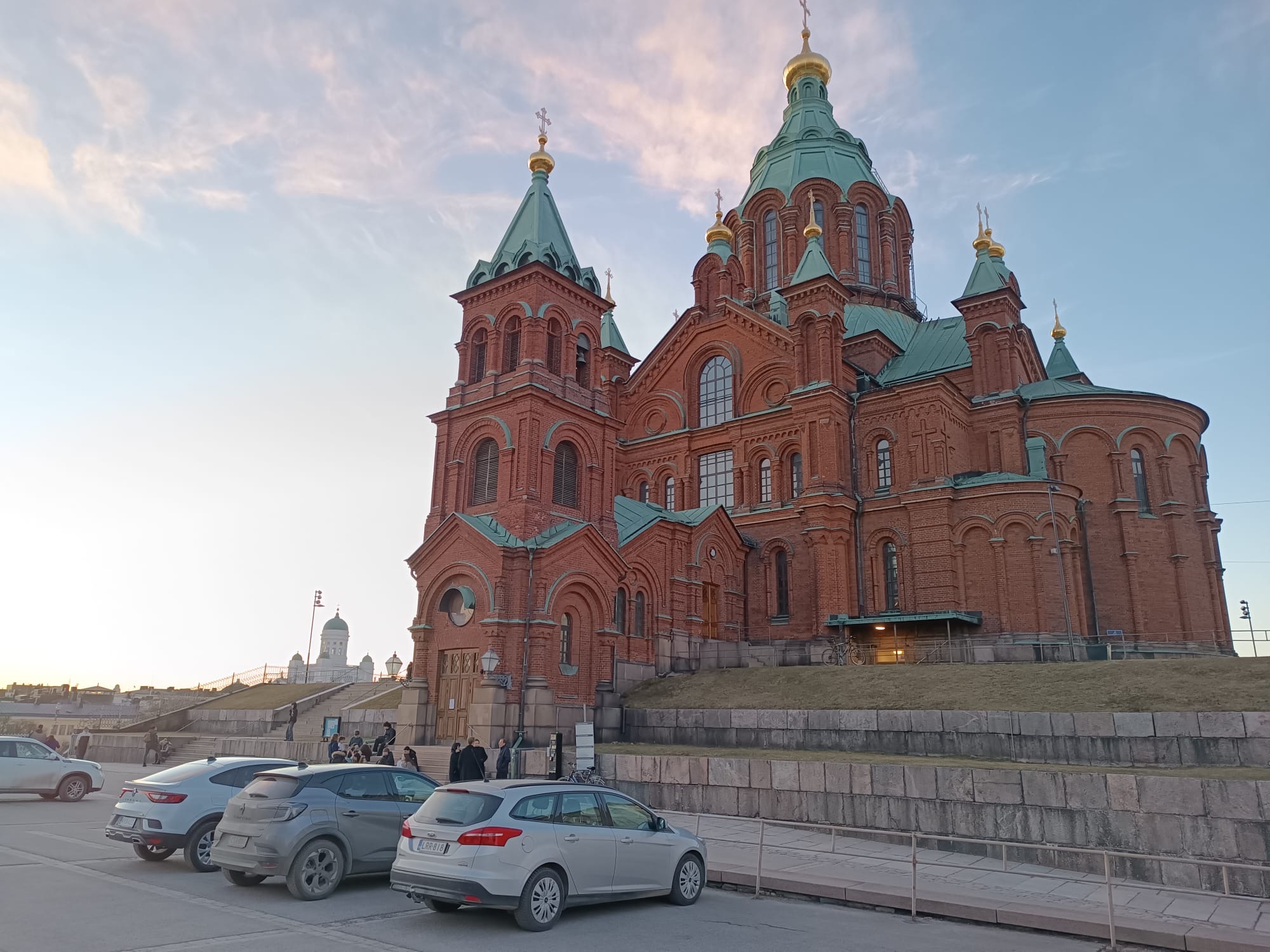
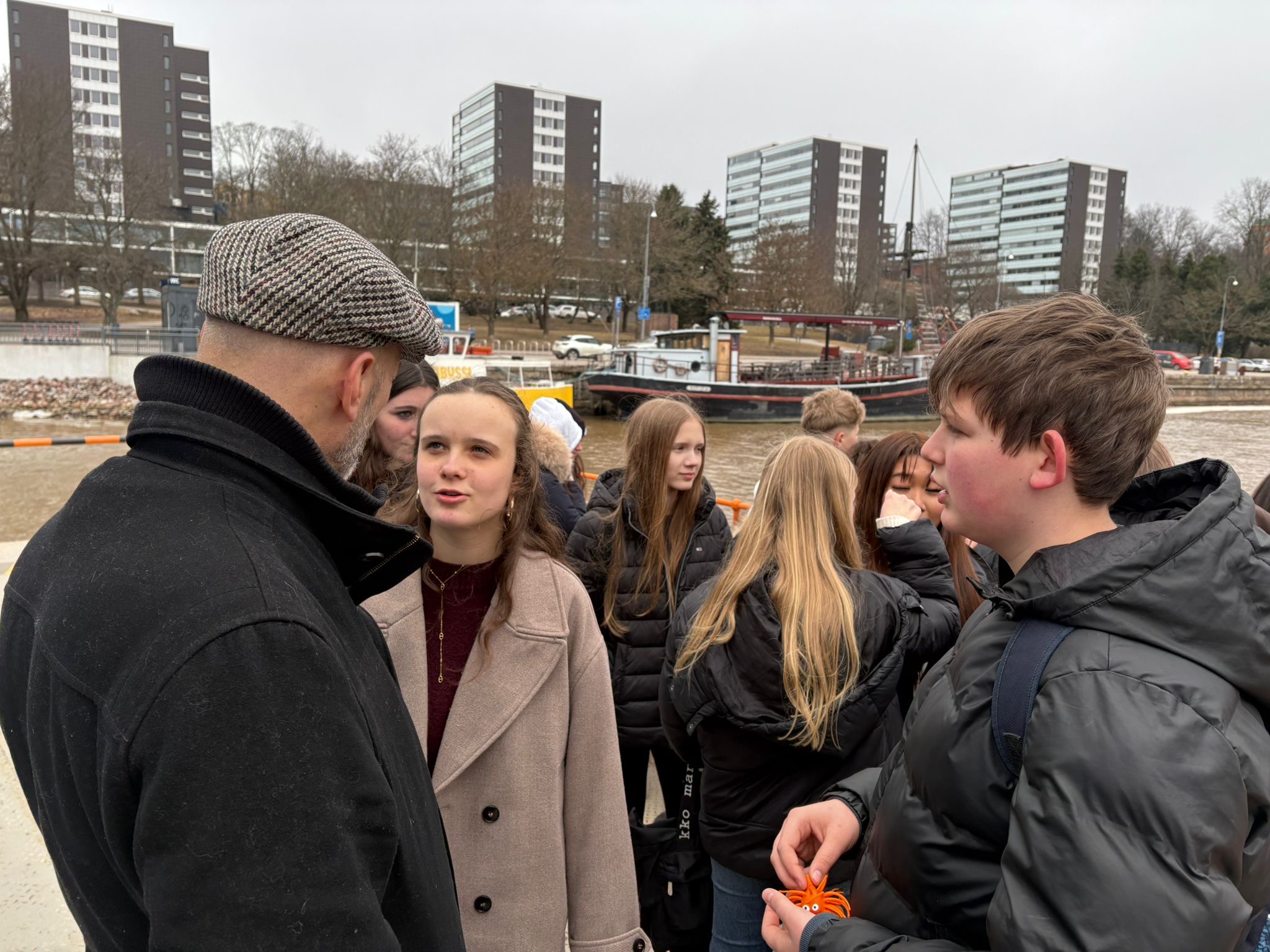
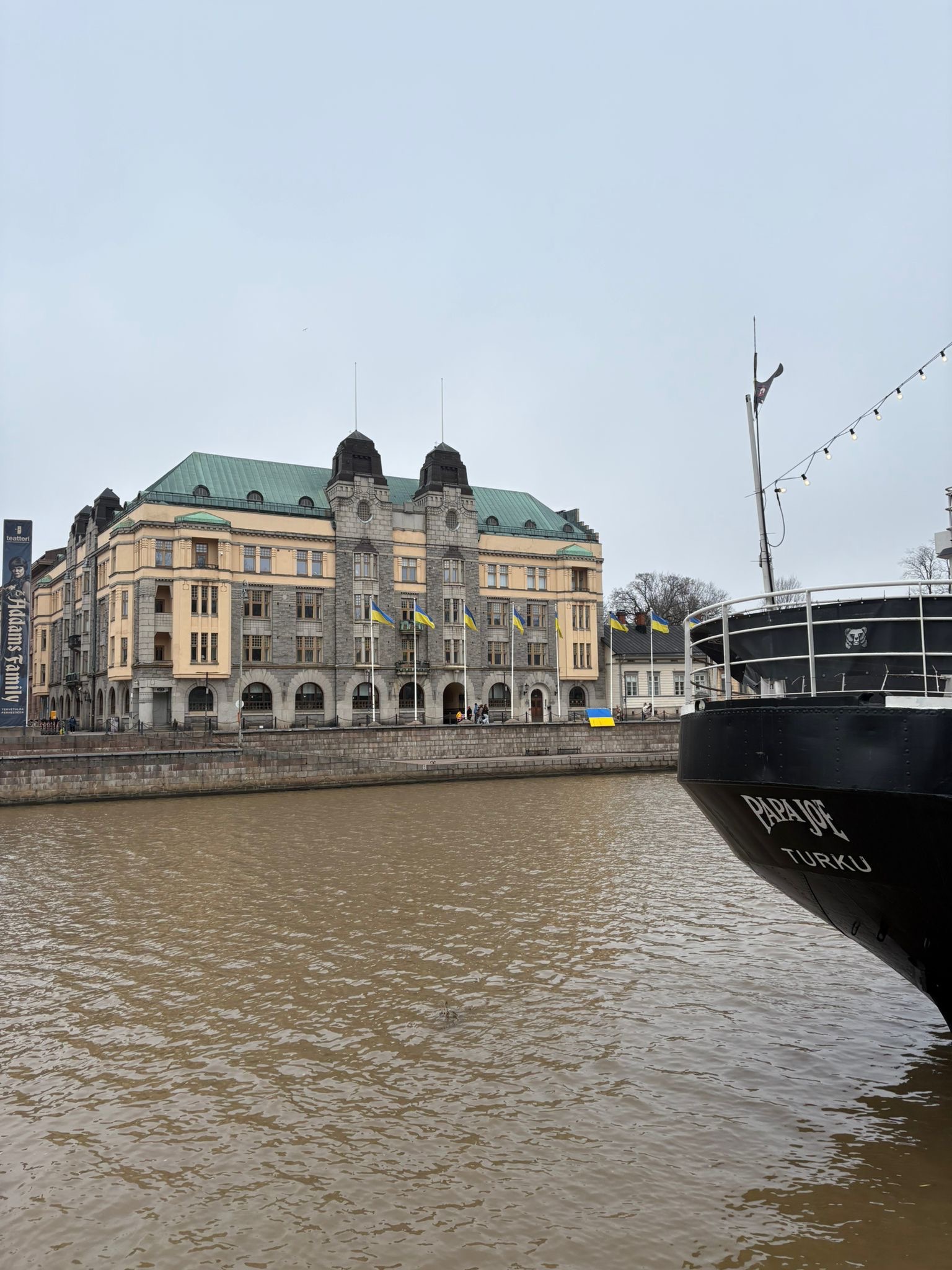
Turku is a medieval city whose history highlights its importance as a major port and trading place. The history of Turku Castle is closely linked to the city’s development. The students learned about urban development and how local history influences city planning, urban structure, and population movement.
WEDNESDAY
Sustainable development, local nature and STEAM –
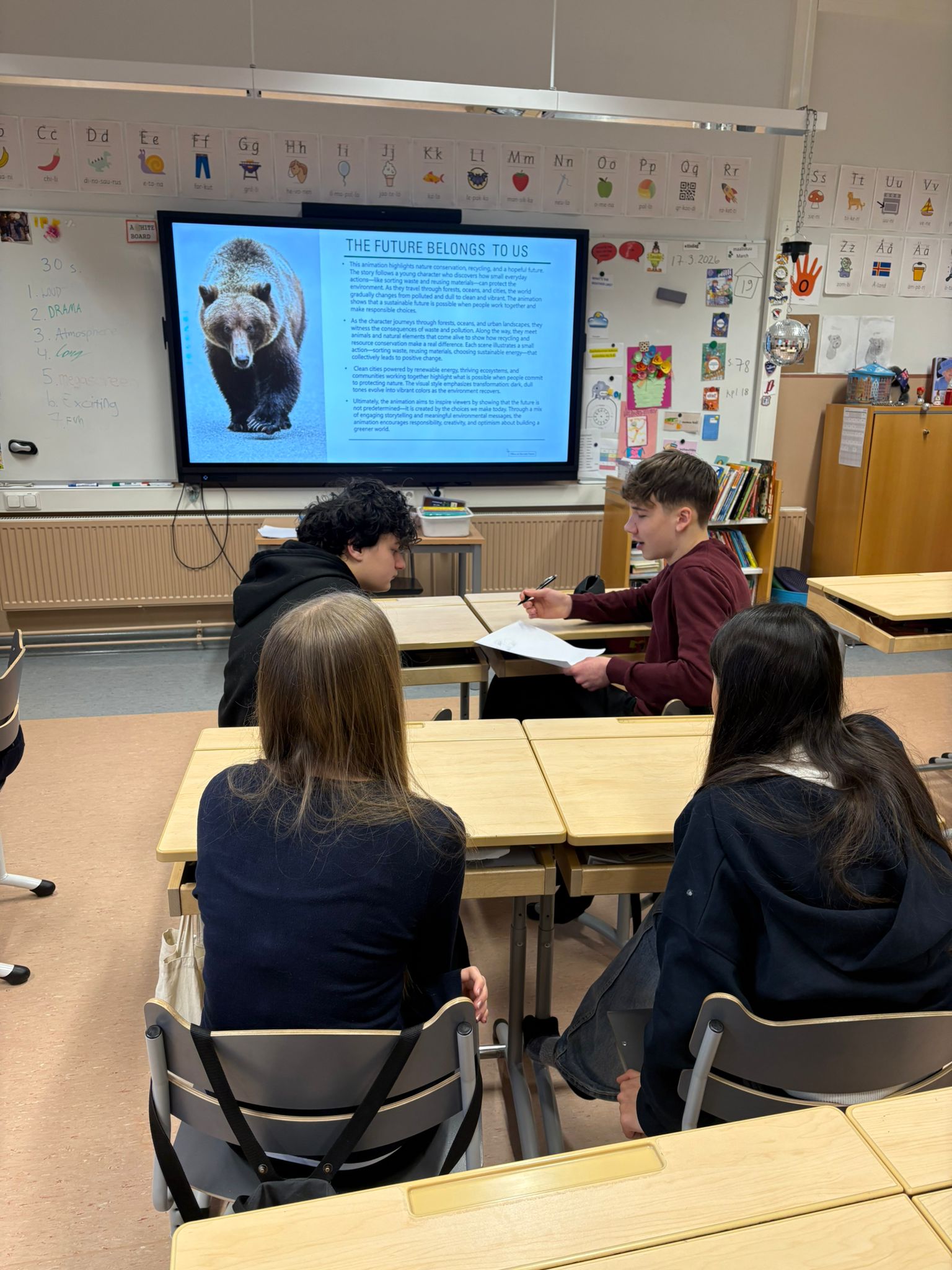
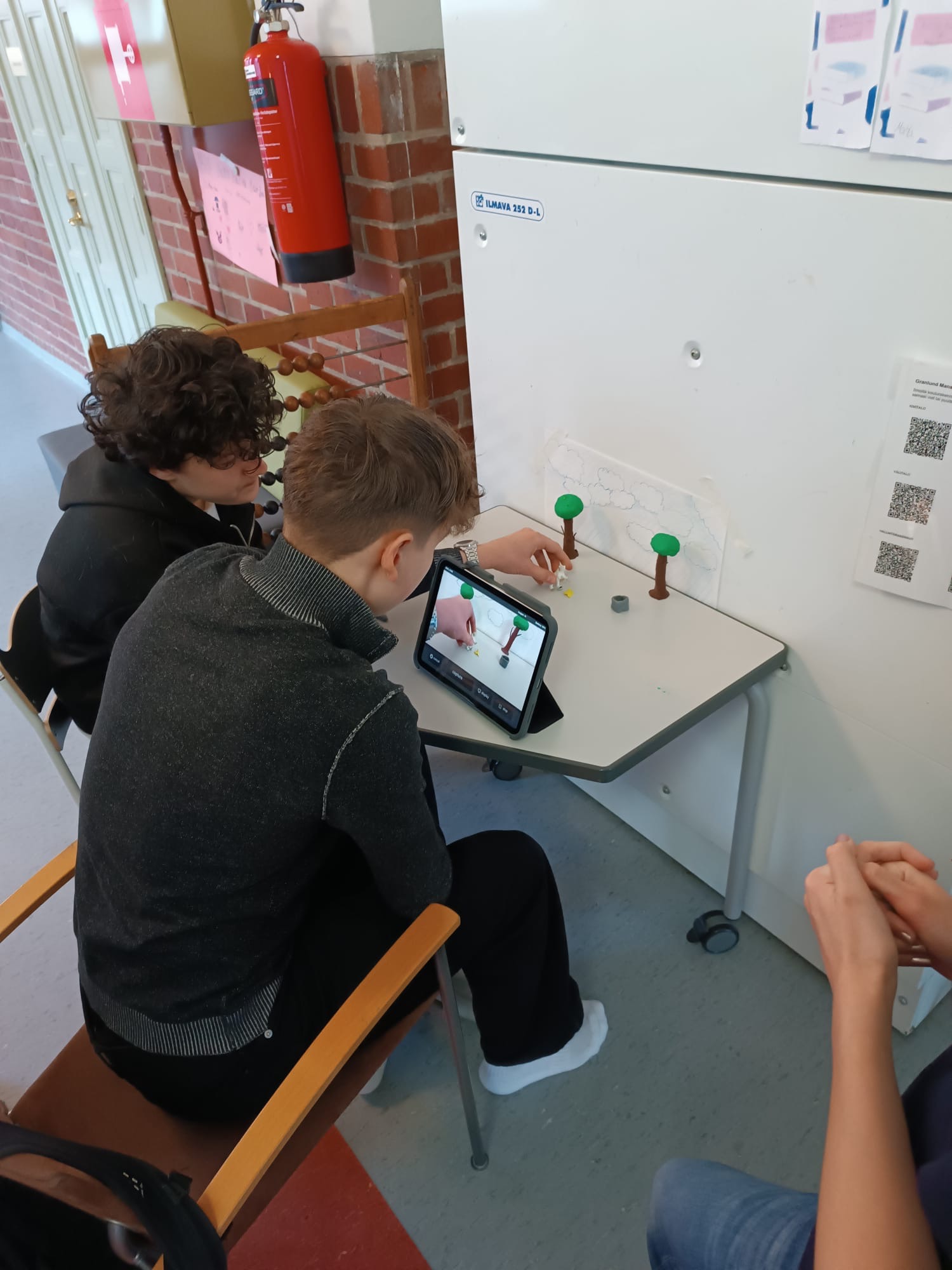
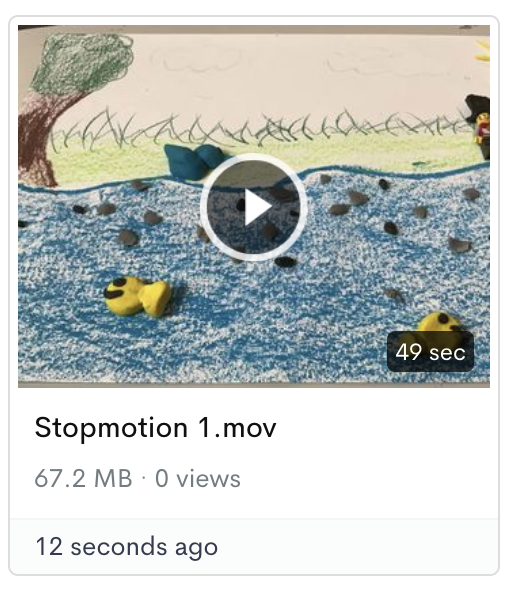
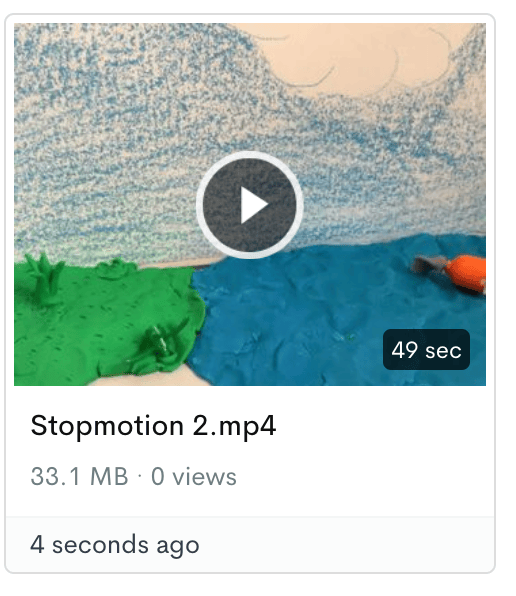
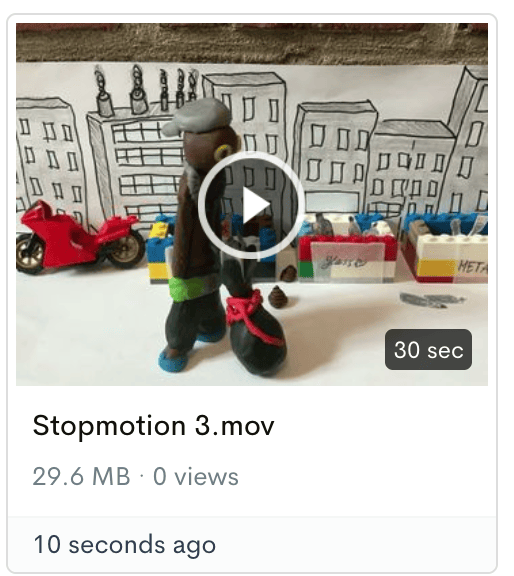
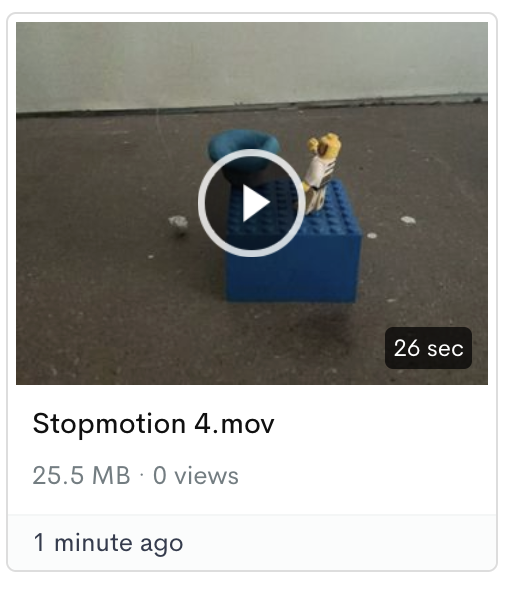
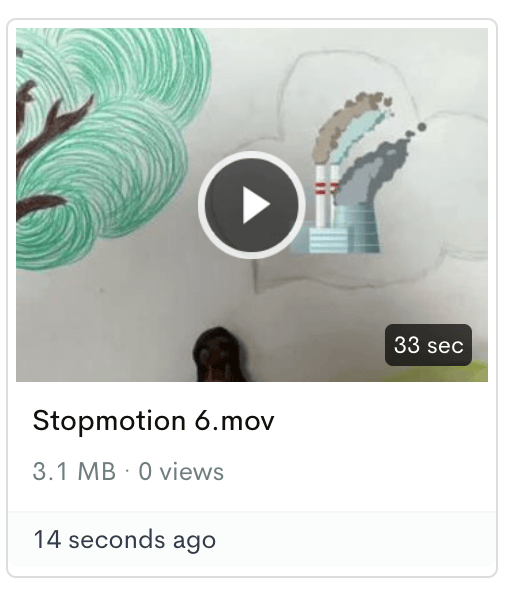
We started to make animations about sustainable development. Students had to think of a story that relates to sustainable development, and they also learned to use the animation program on iPad. Social skills were also developed while working in groups.
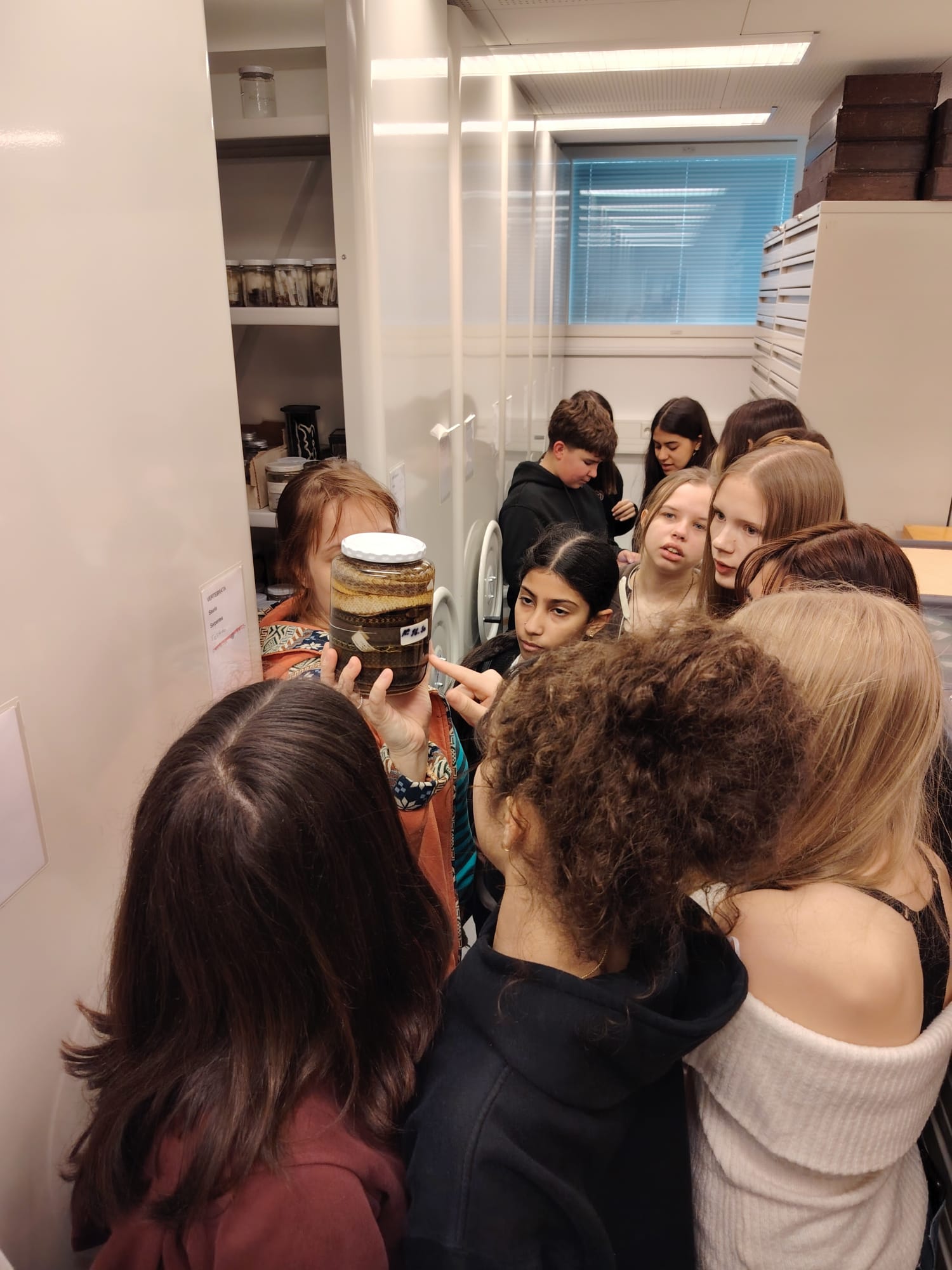
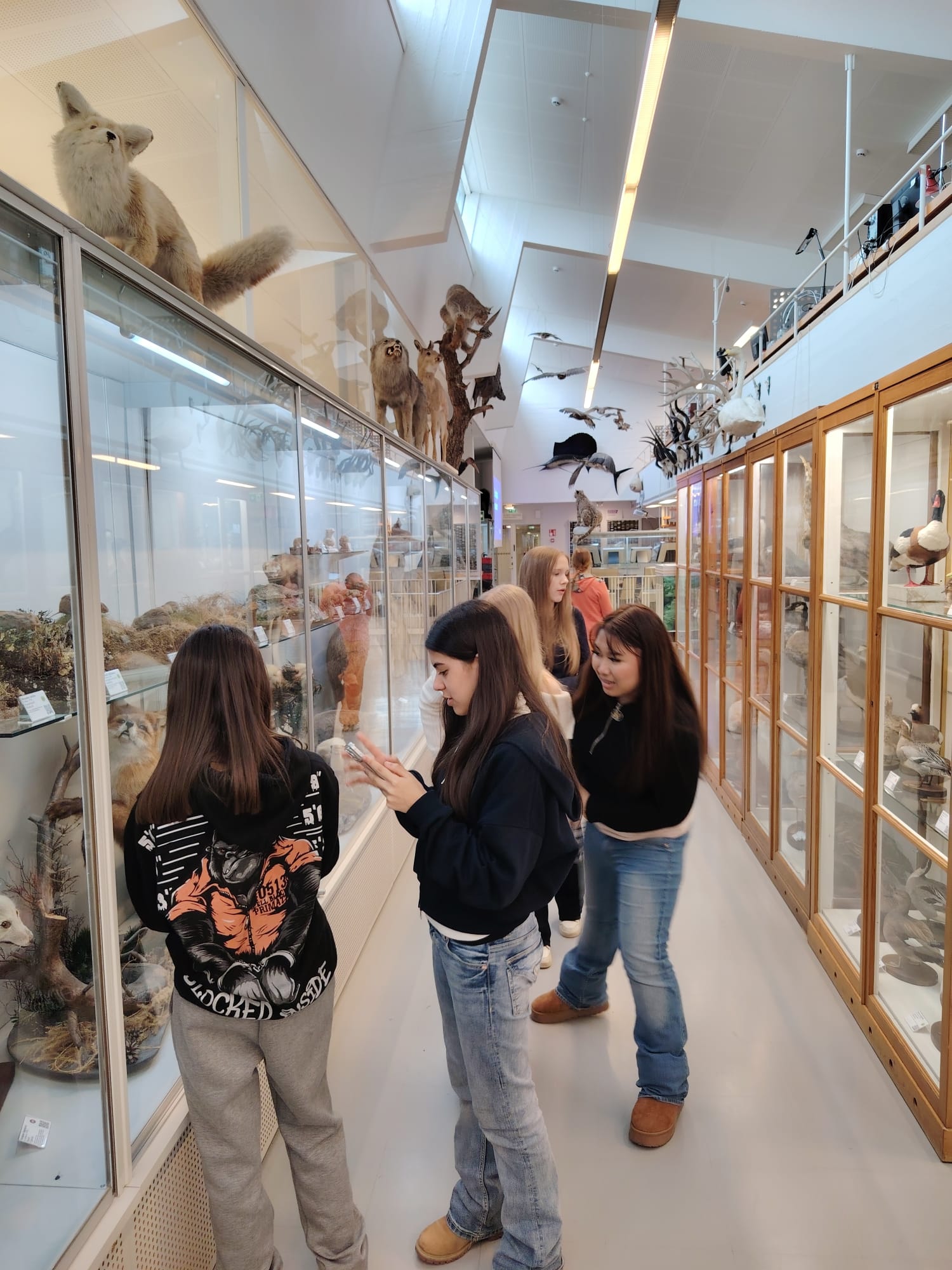
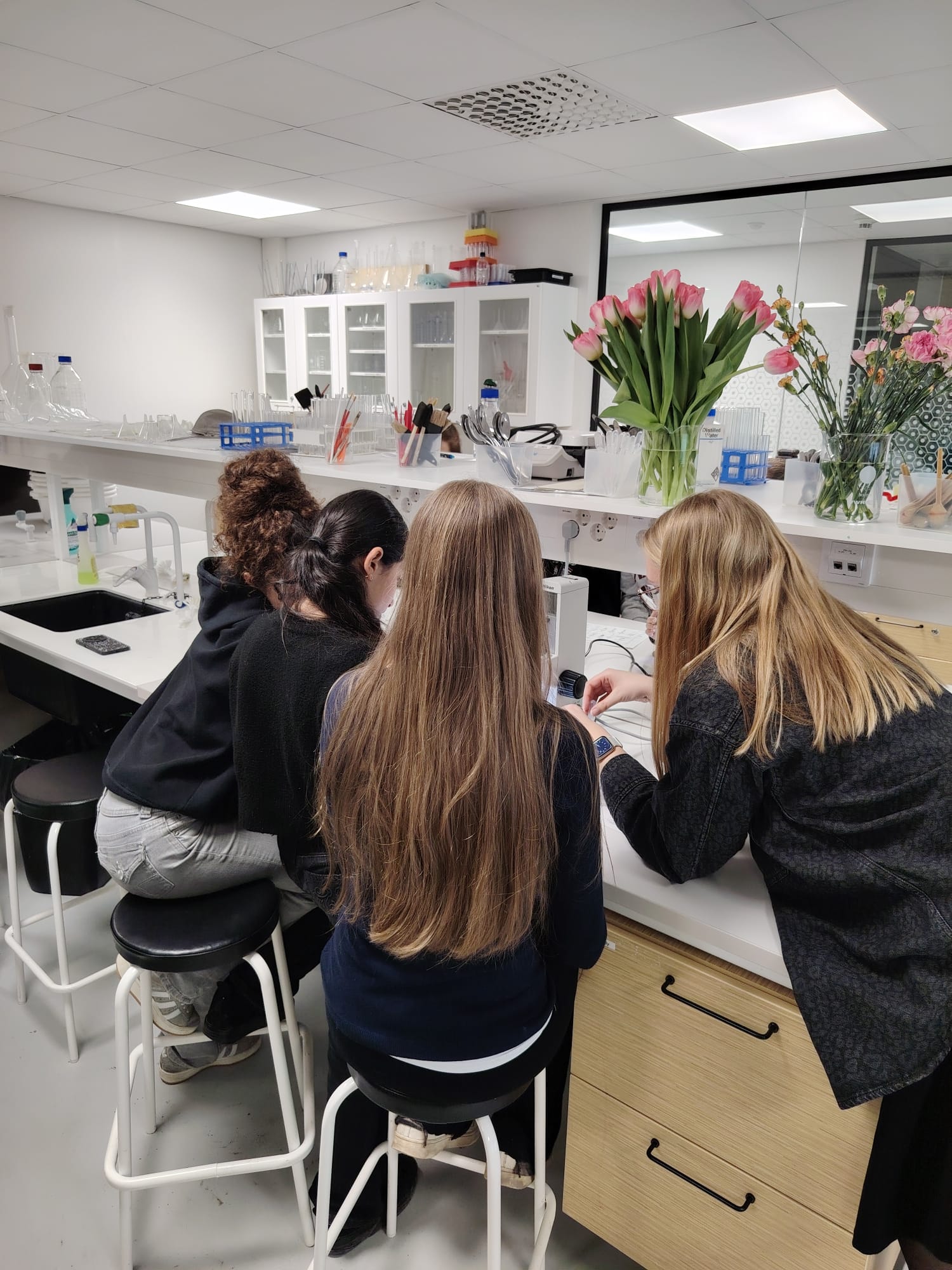
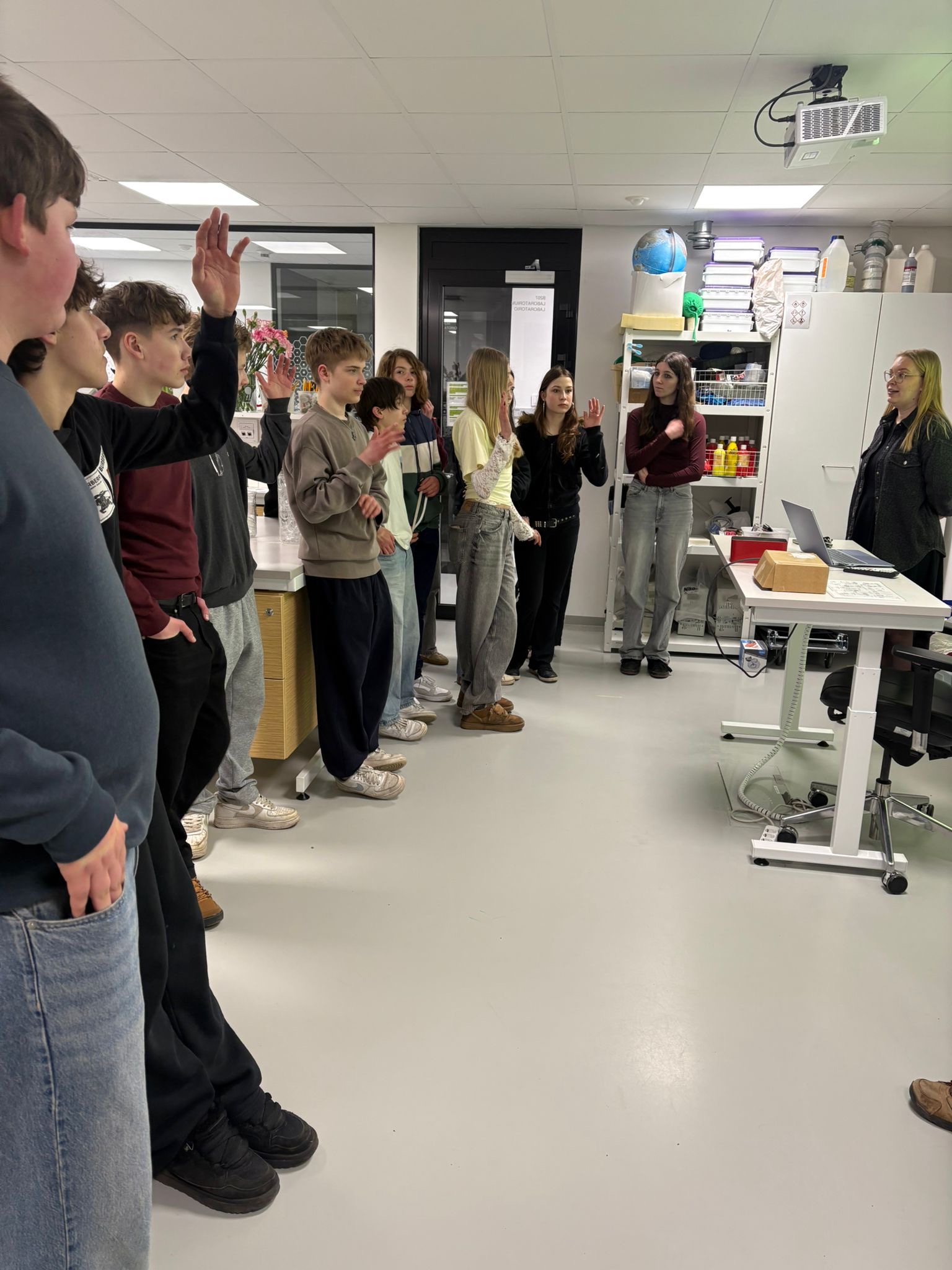
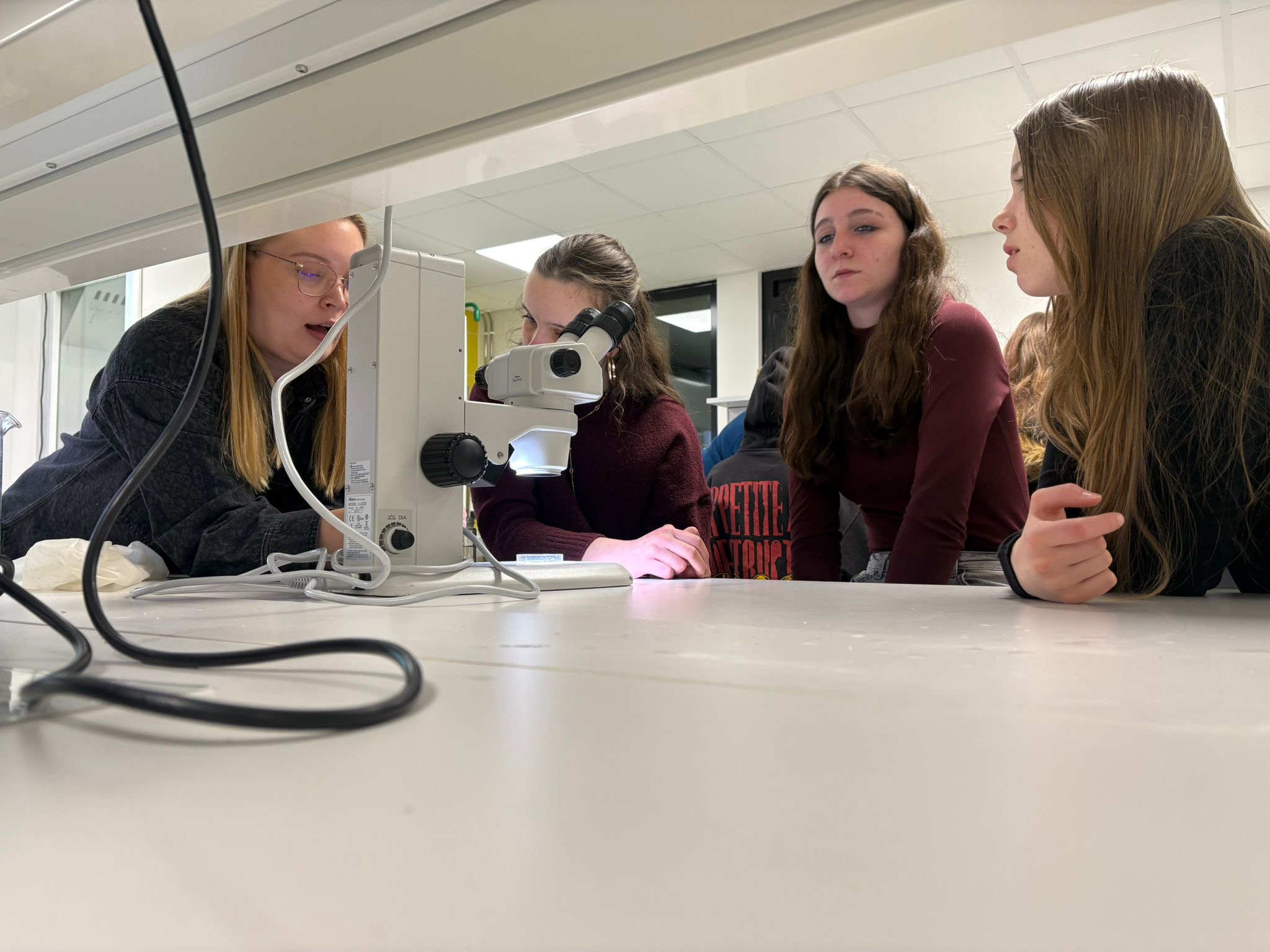
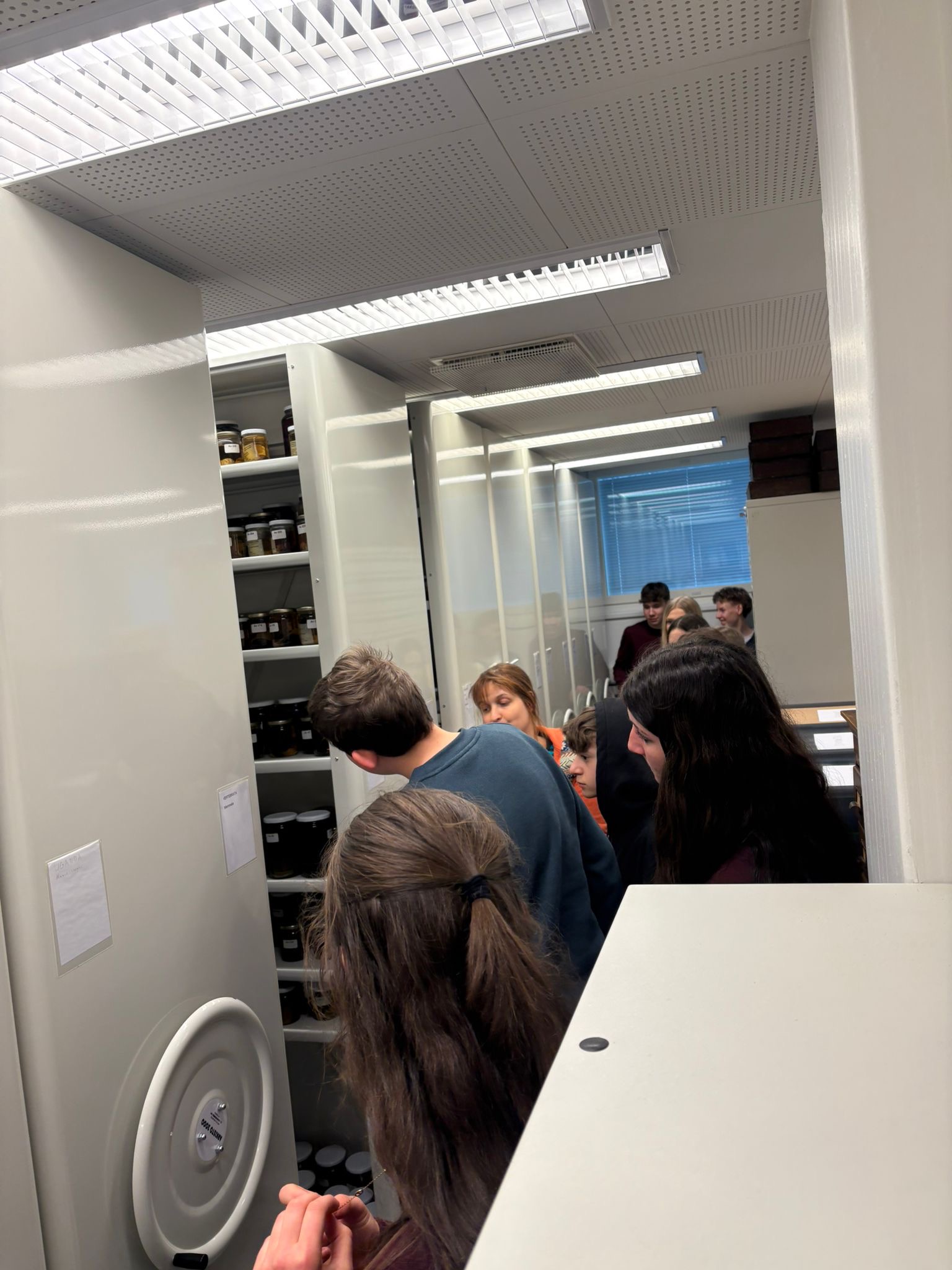
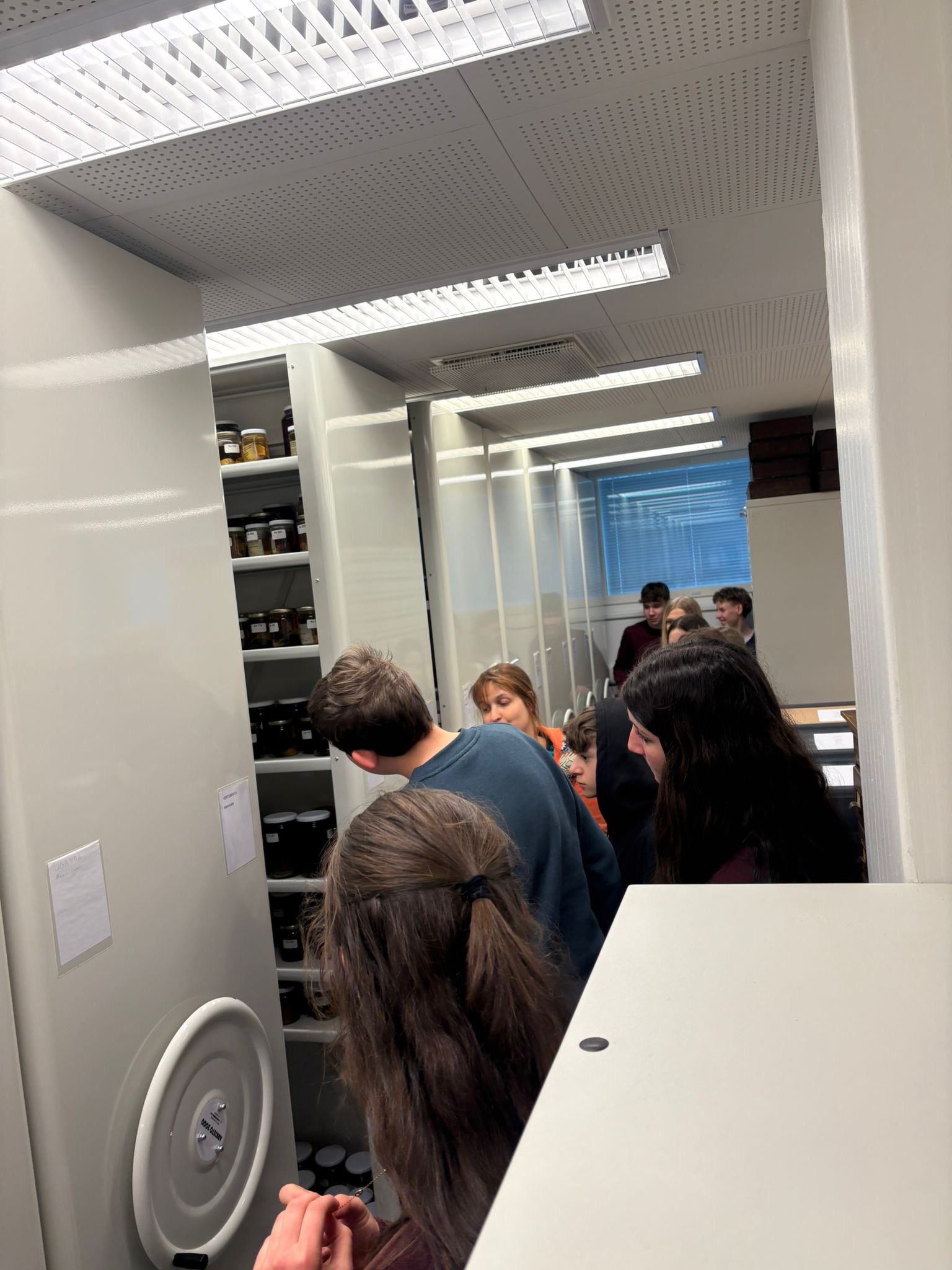
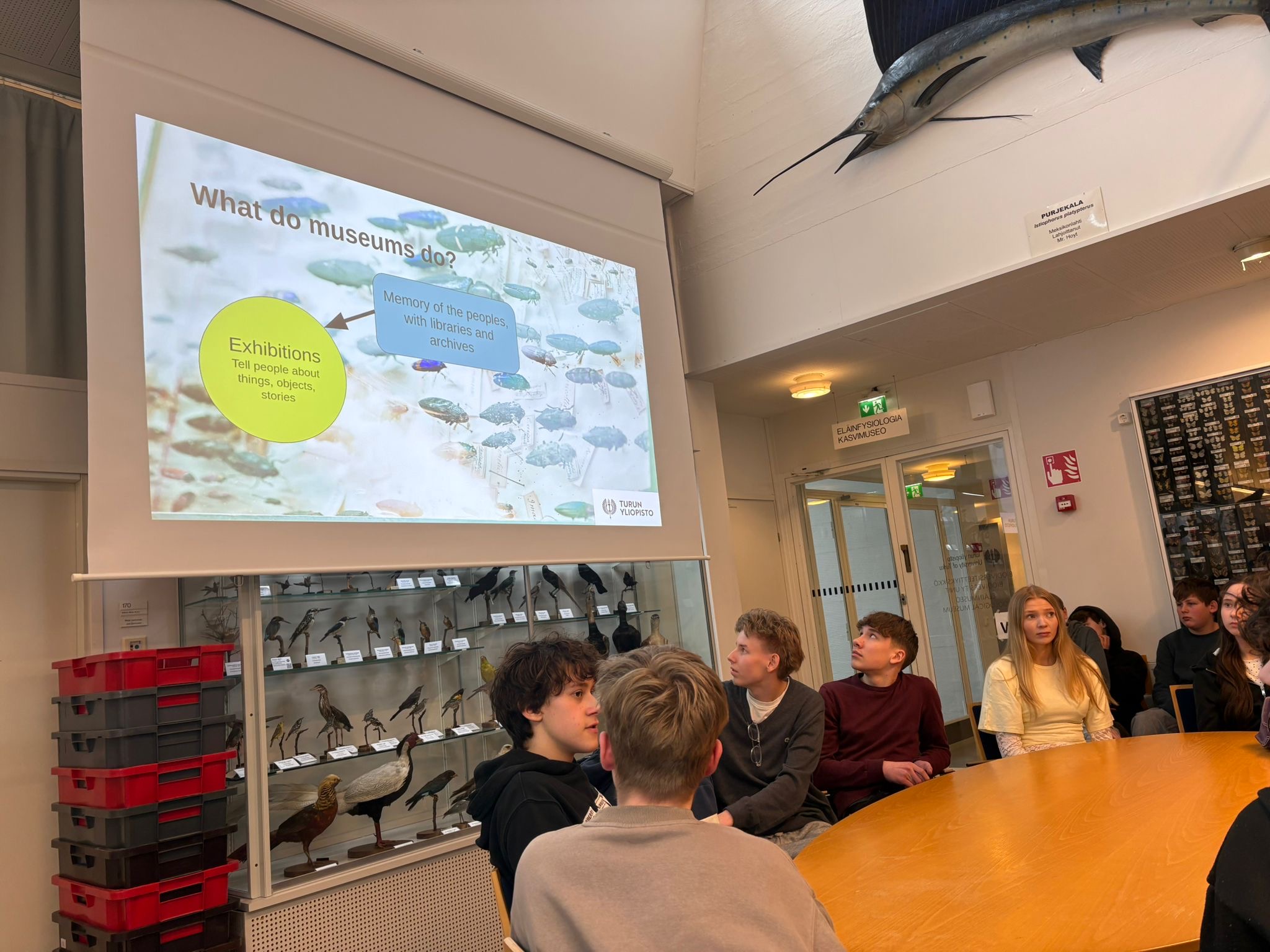
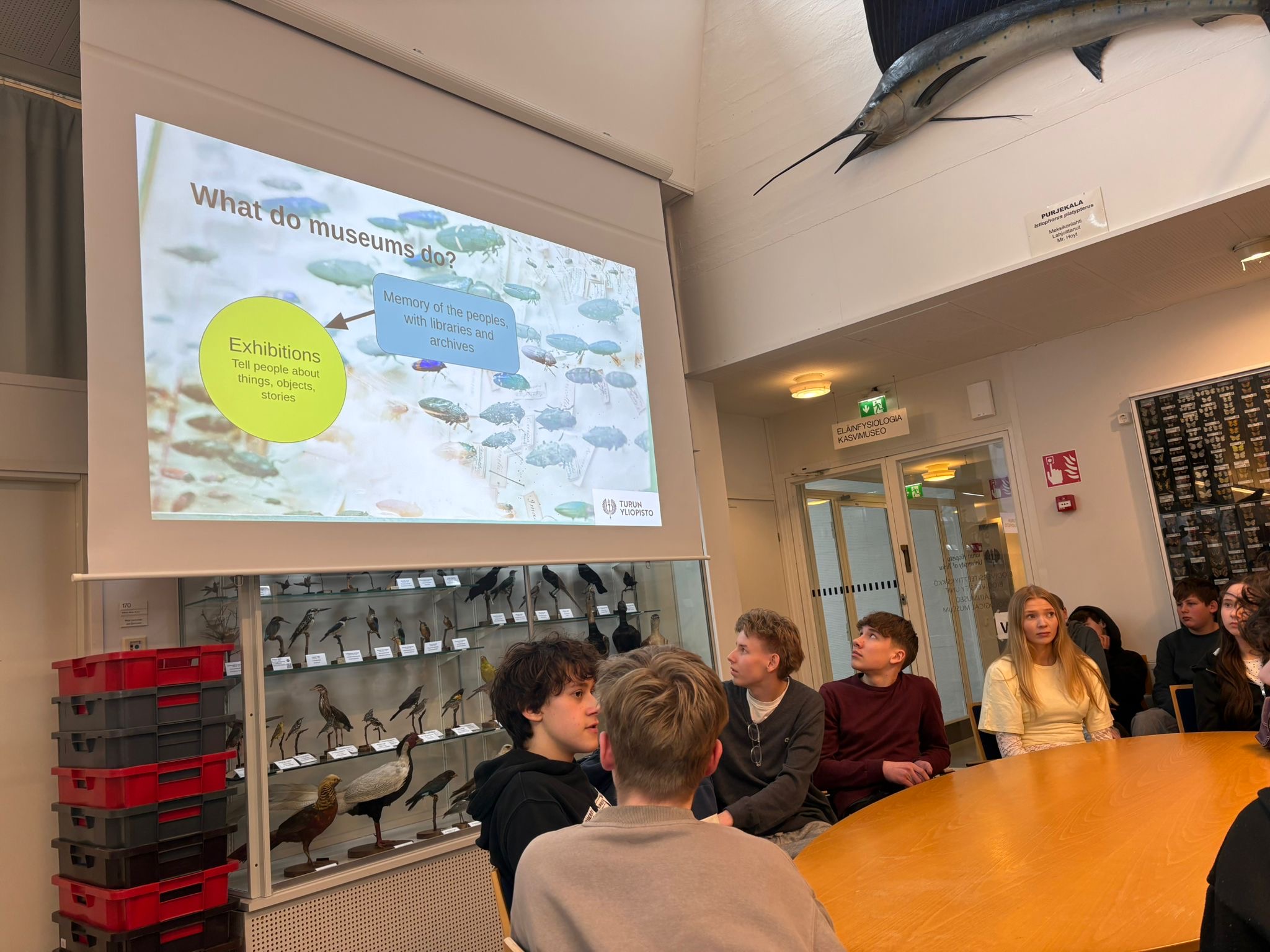
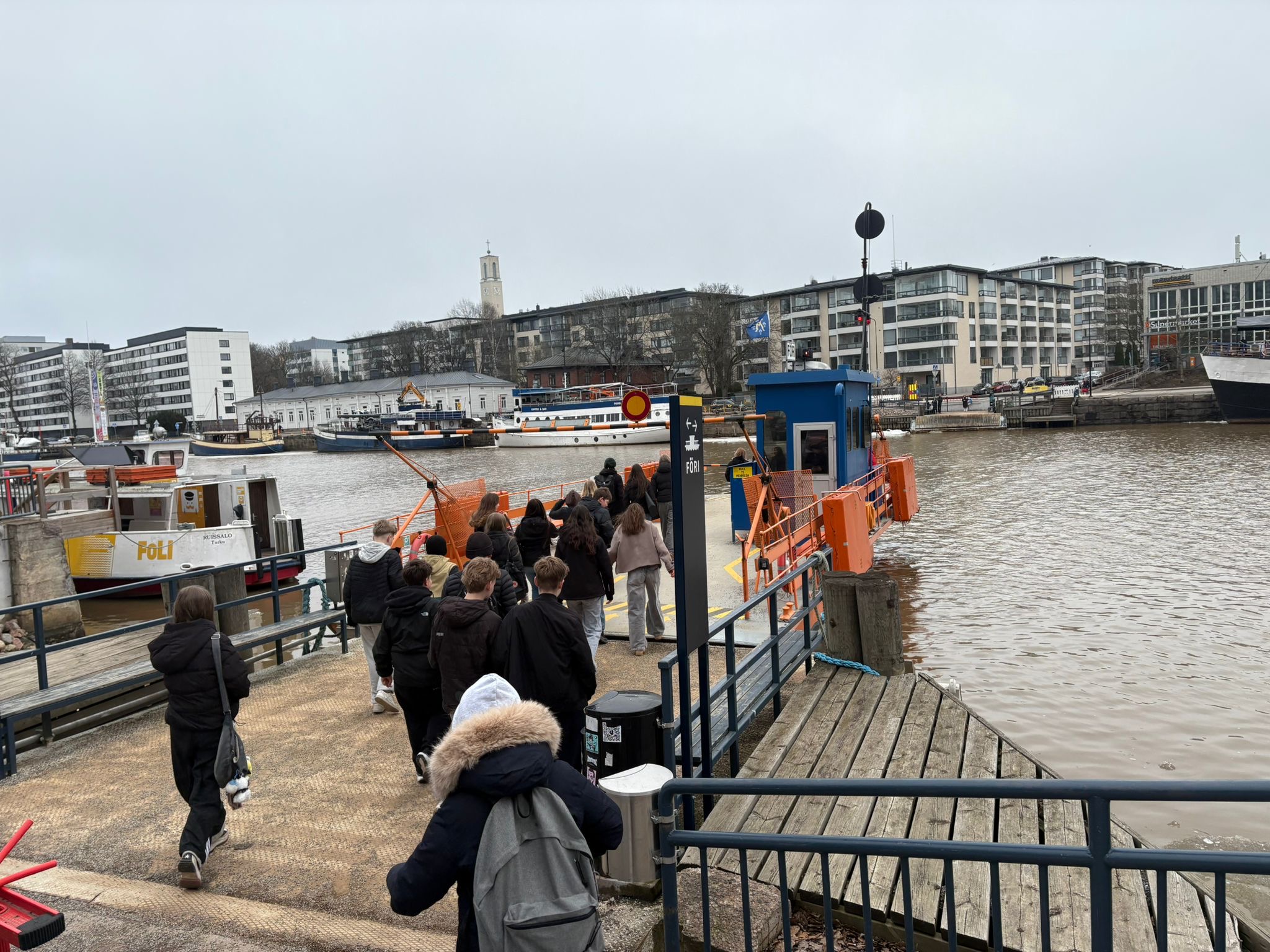
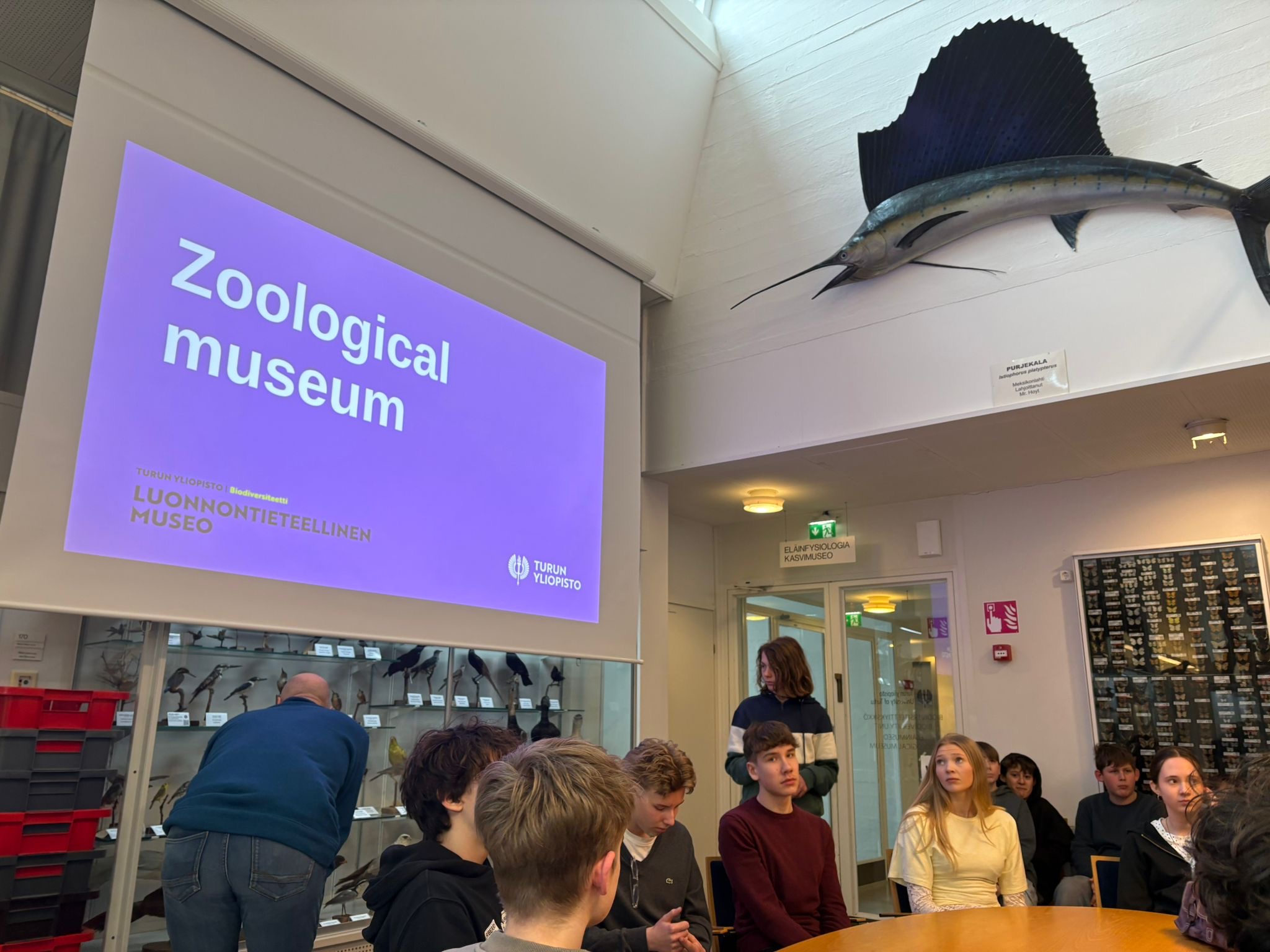
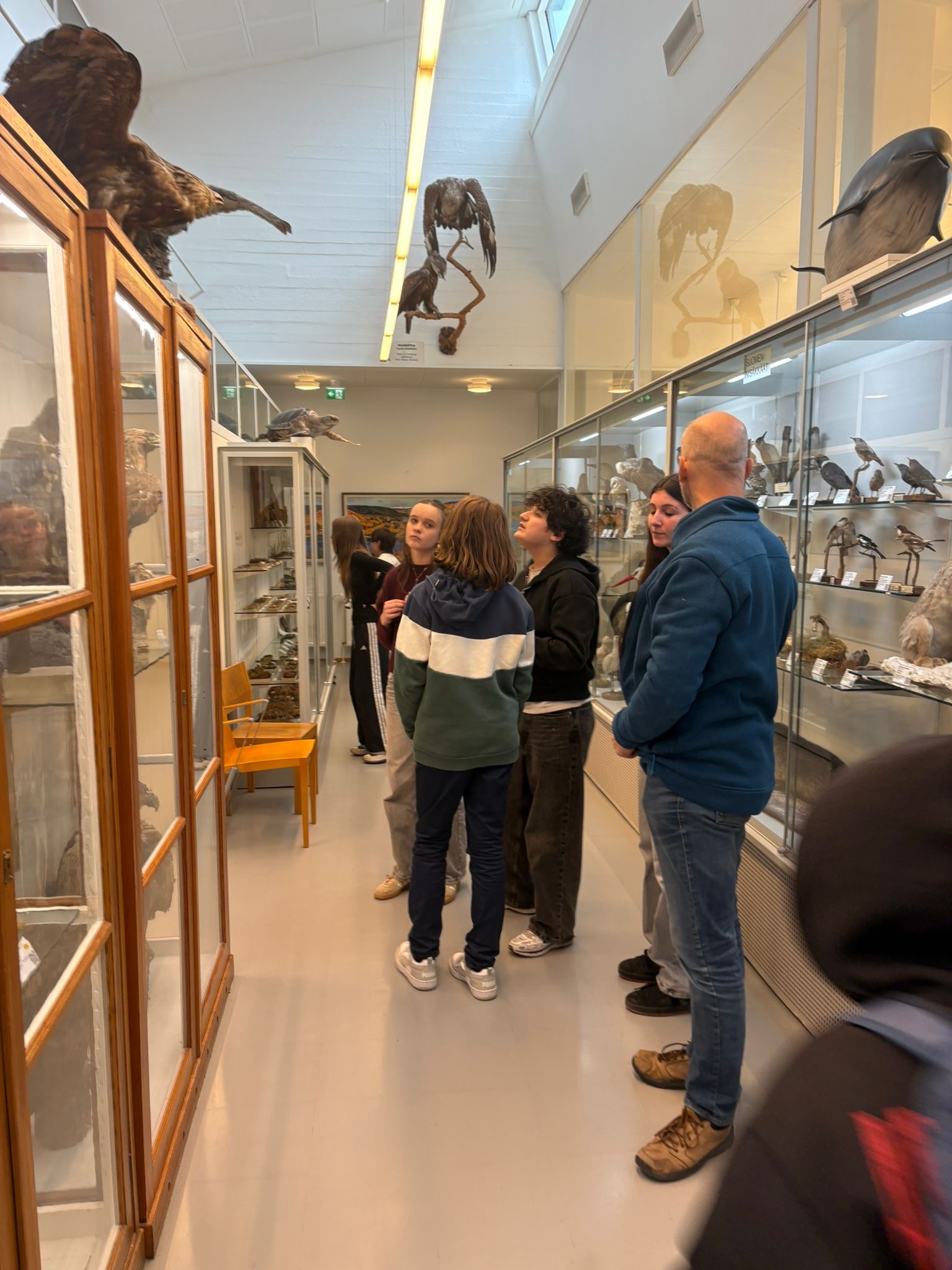
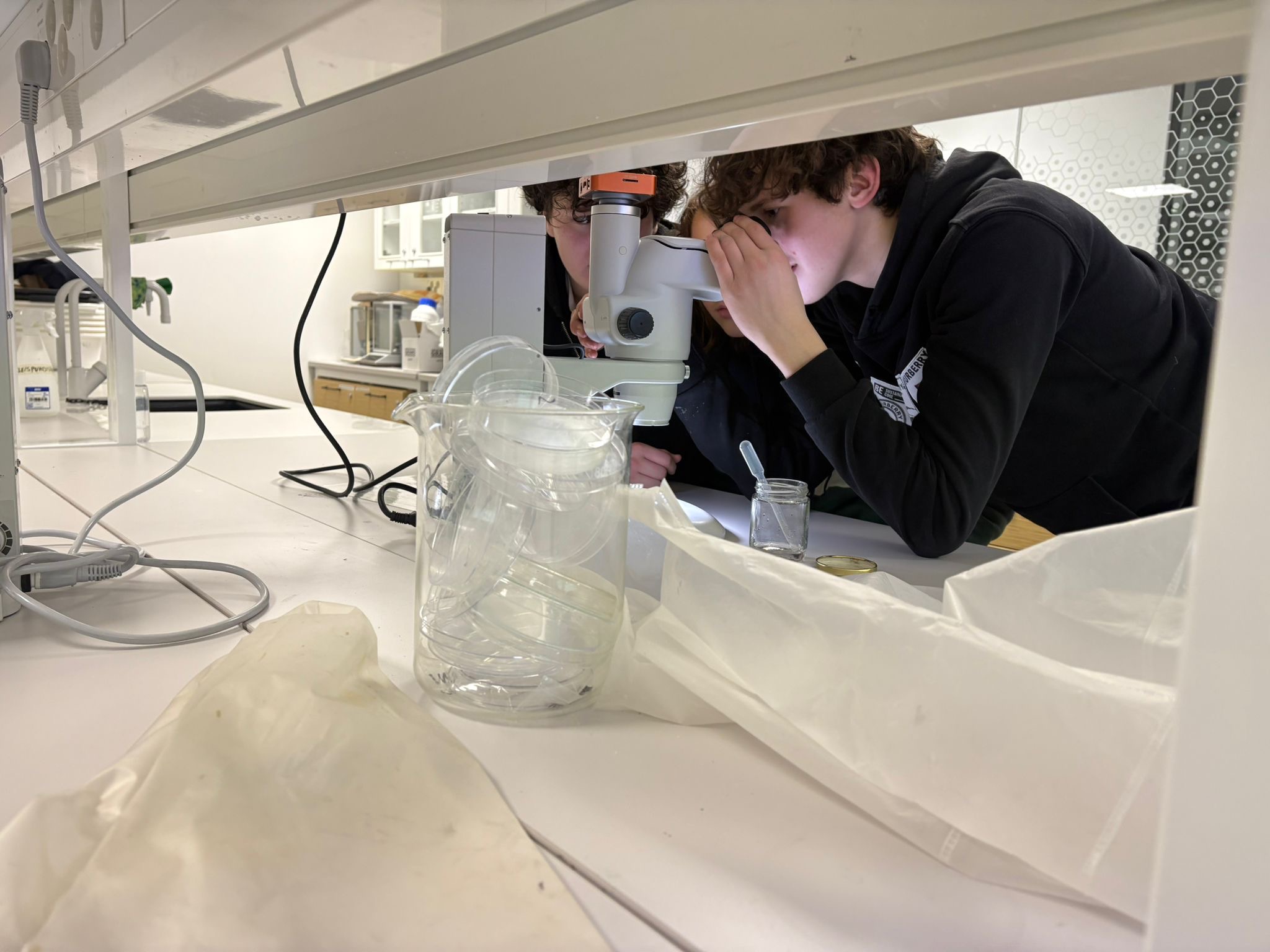
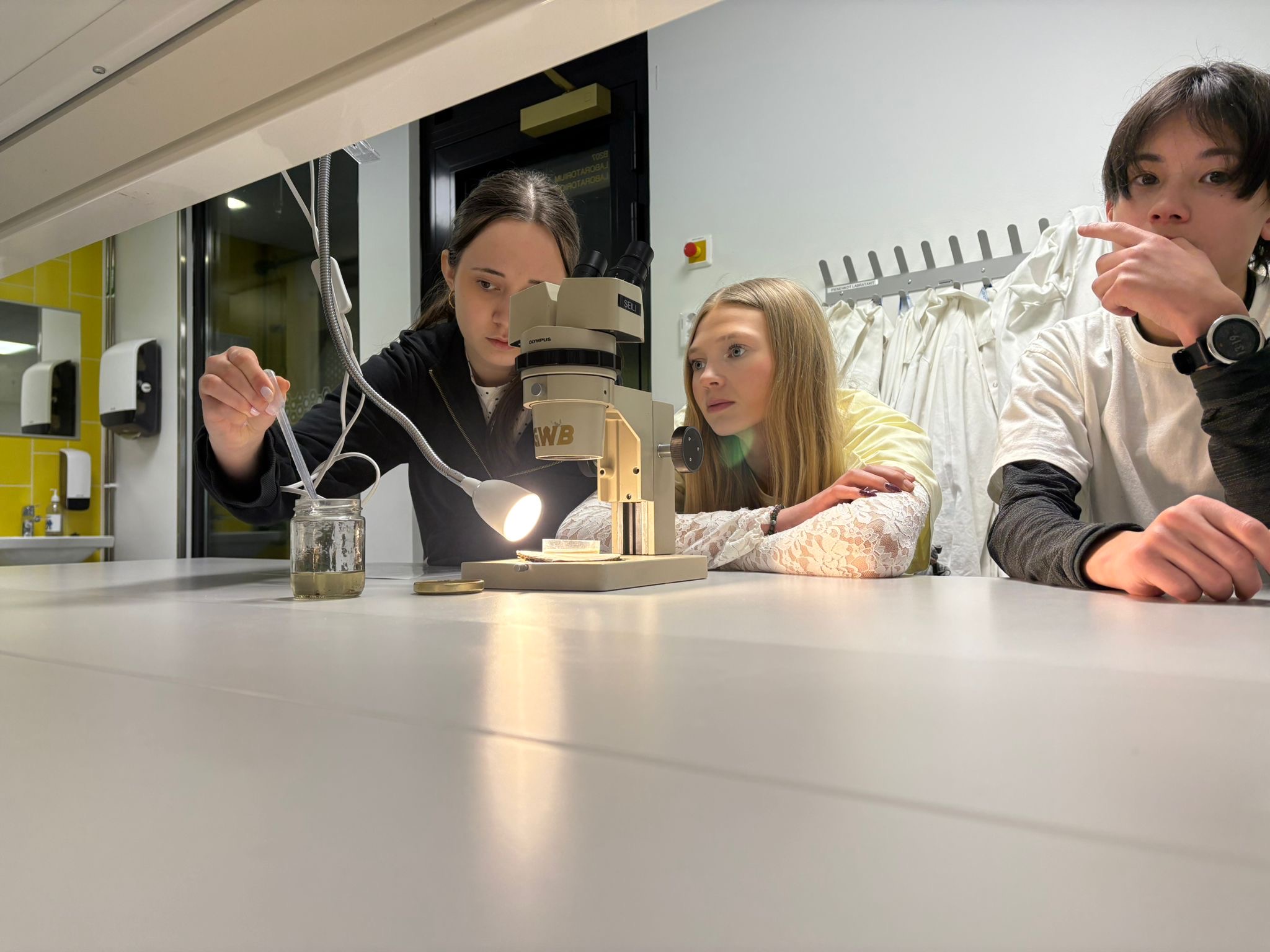
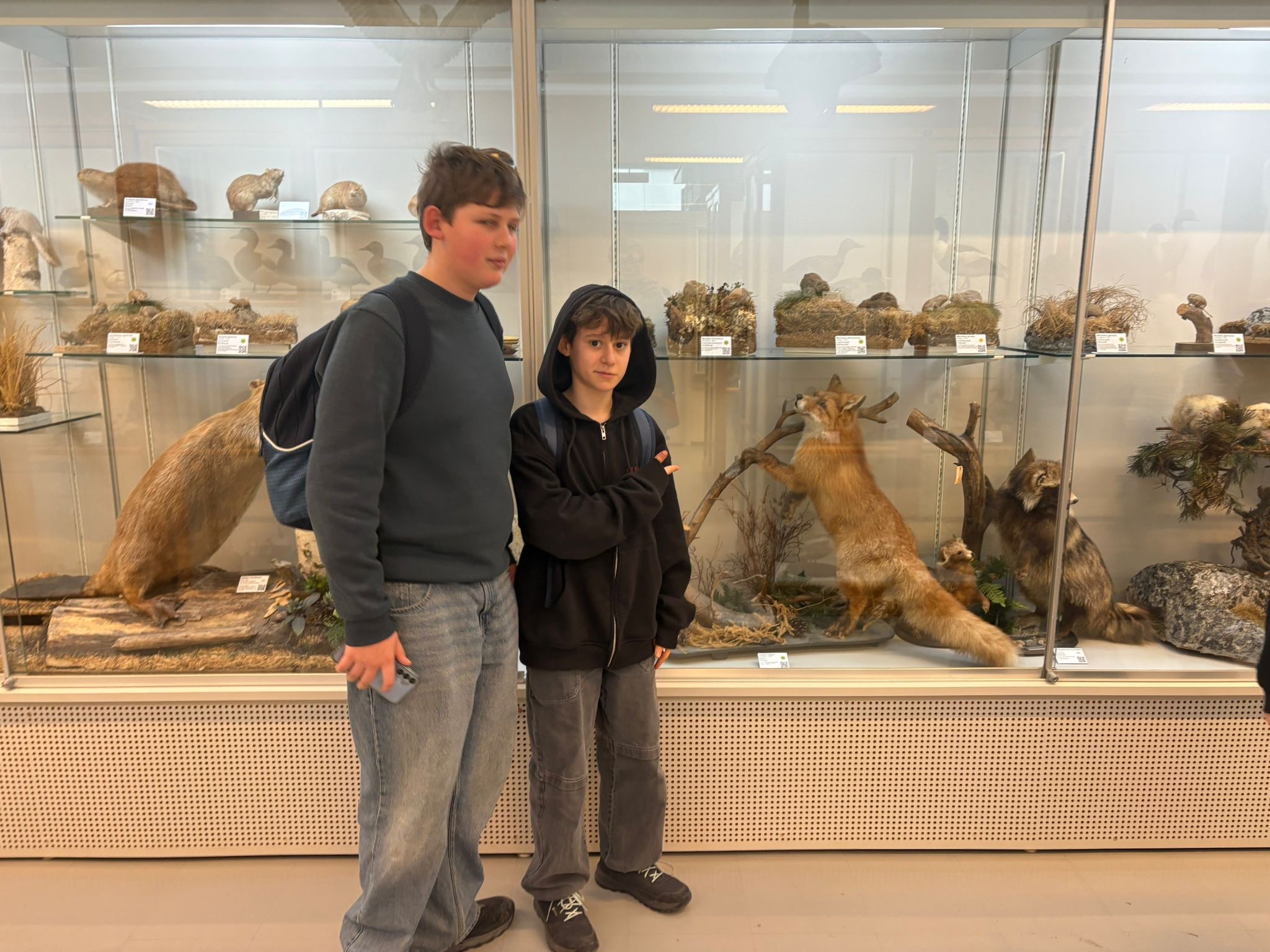
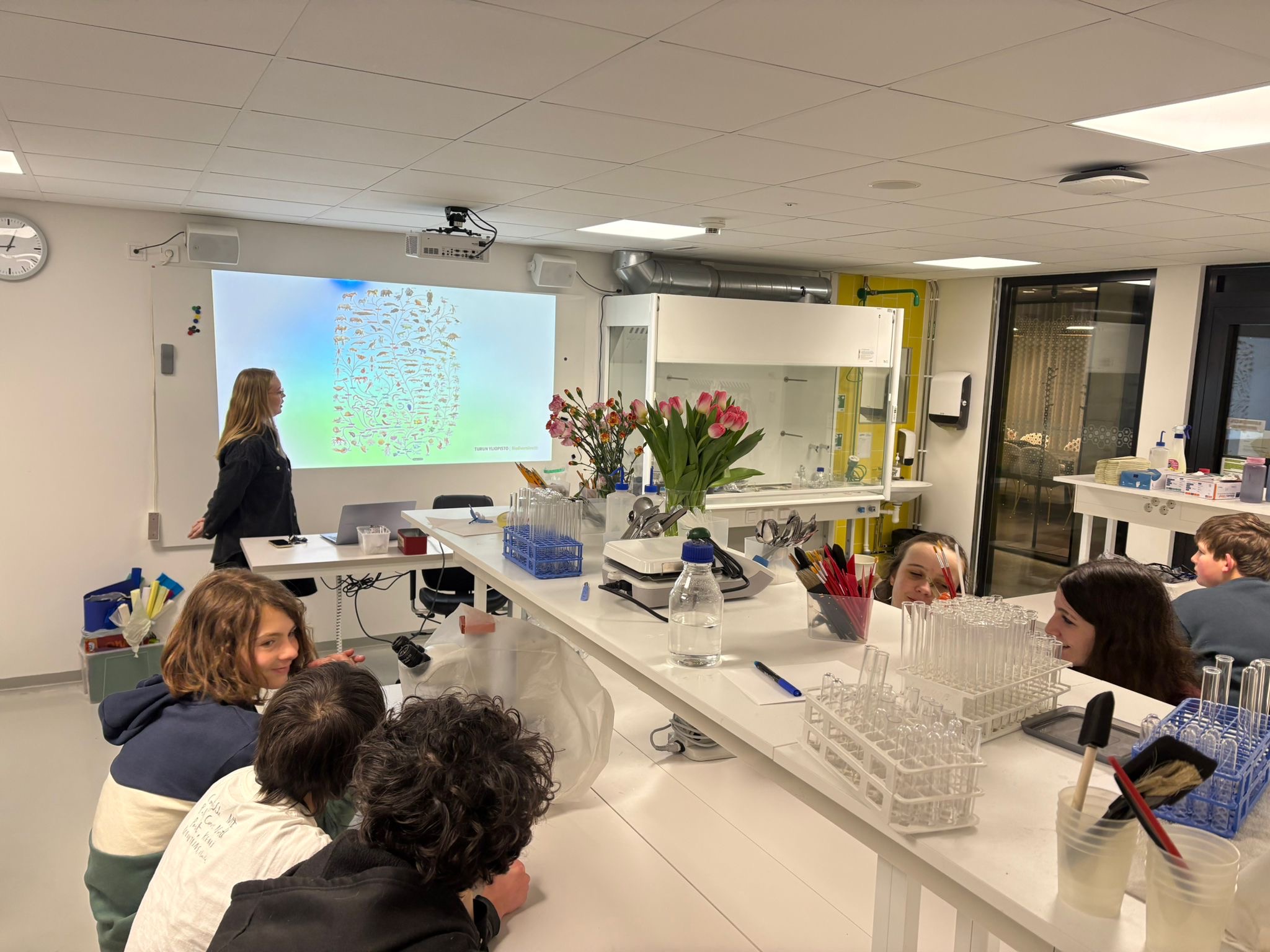
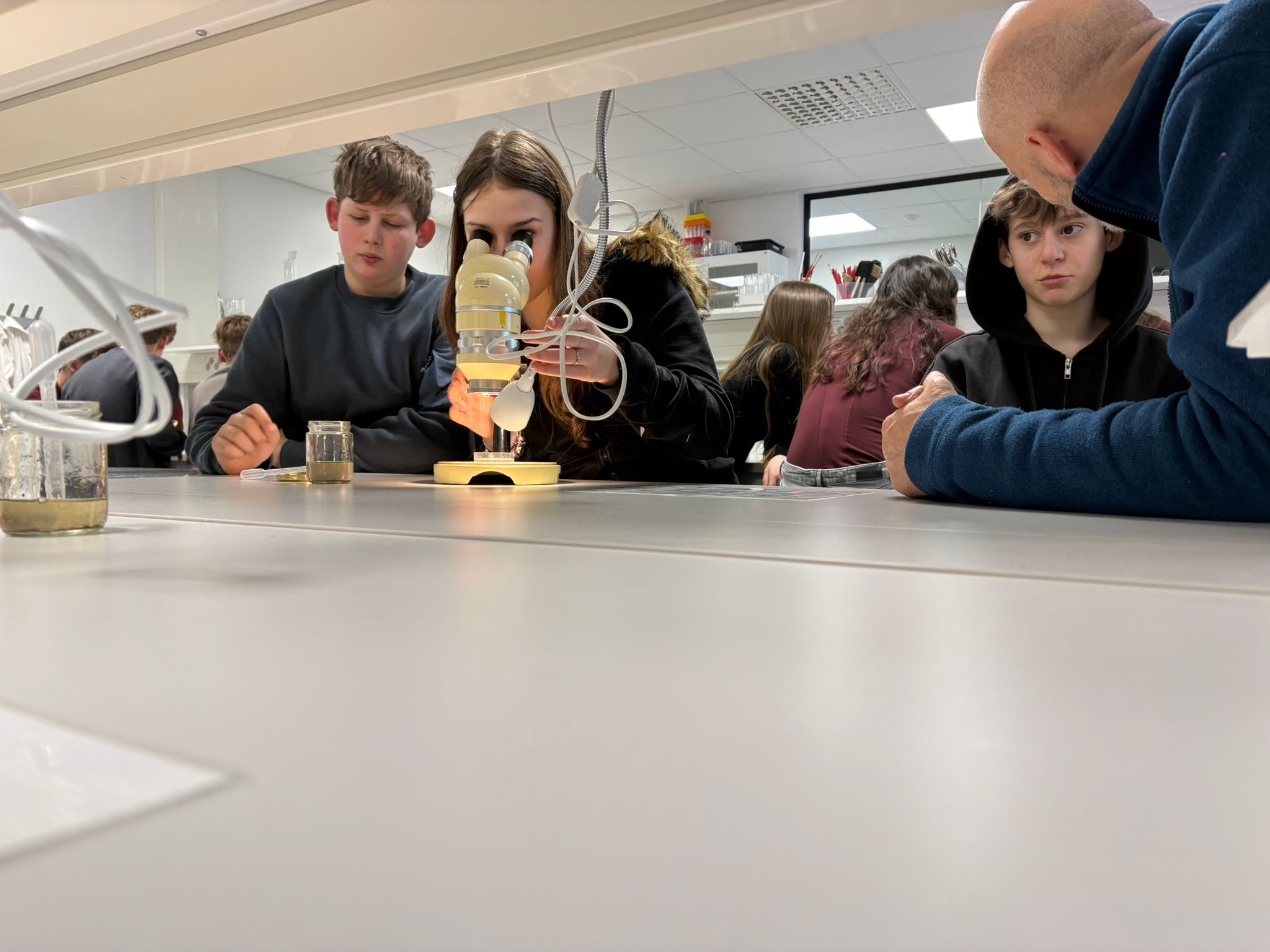
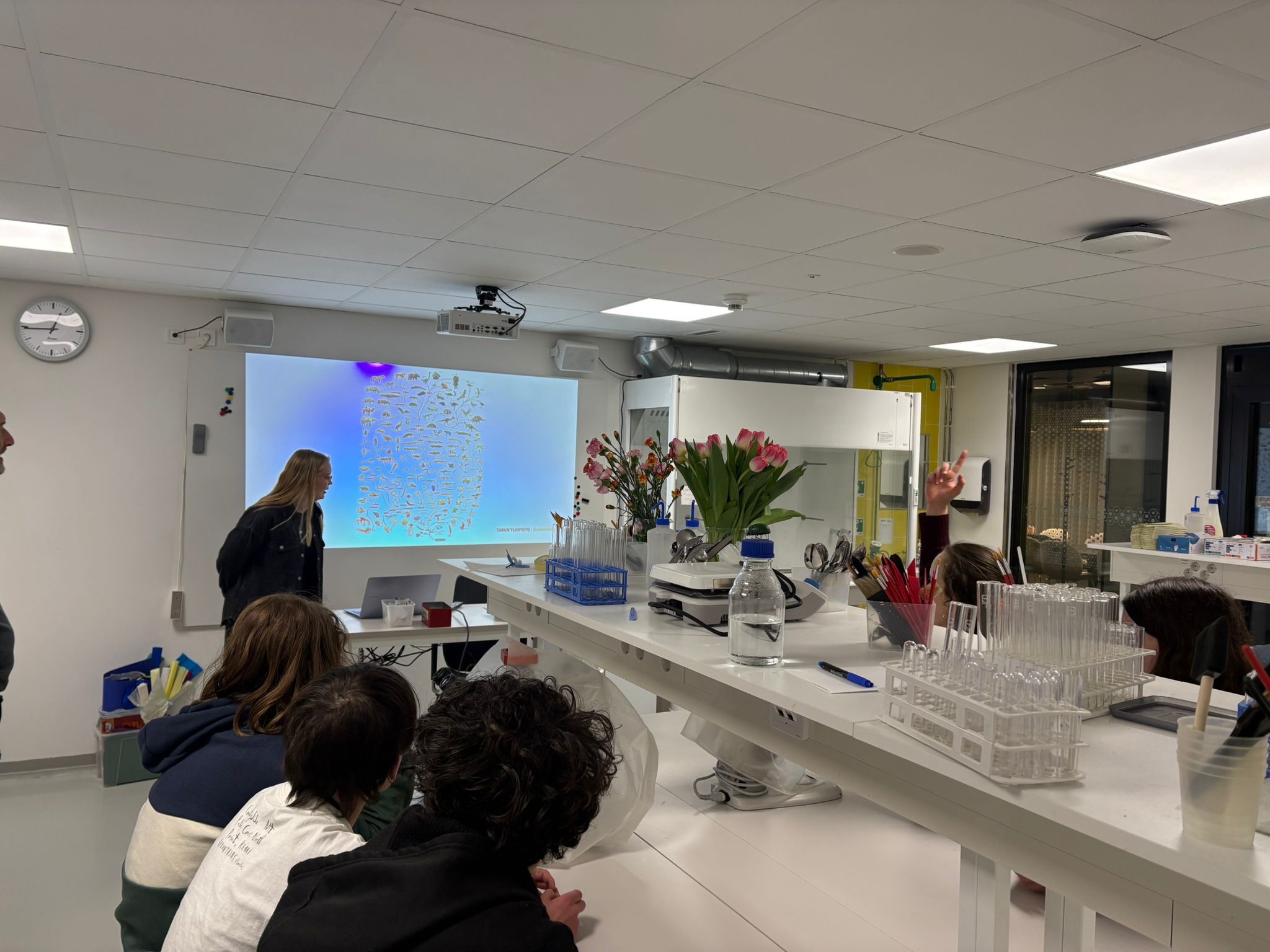
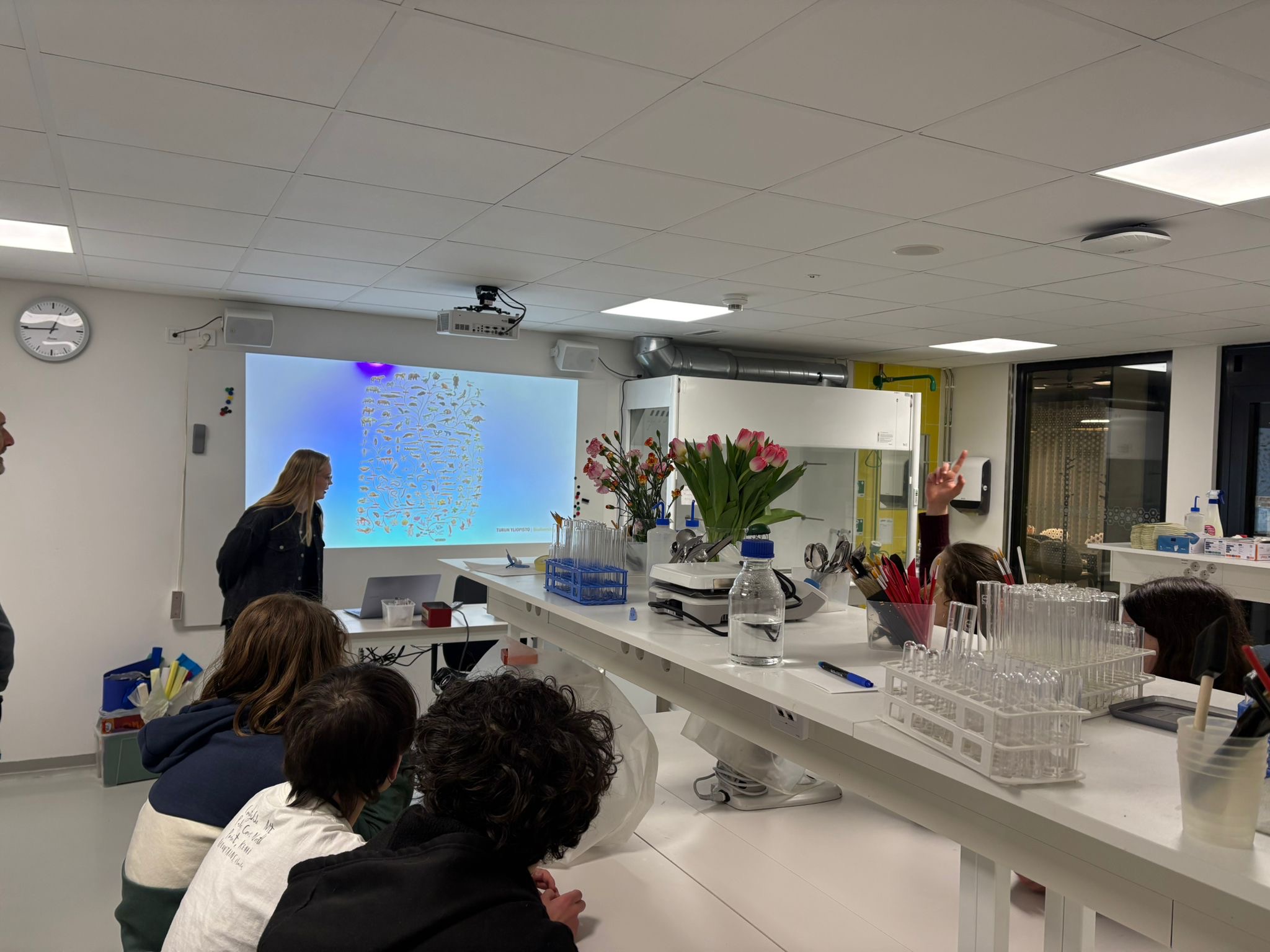
After lunch the whole group walked to the University of Turku. In line with the STEAM principle, we had a workshop in the laboratory with microscopes, and we also got to know the zoological museum. The students learned biodiversity and got to know the basic structure and function of an ecosystem. They also learned to identify species.
In the evening many students got to know the local nature with their hosts, for example by skating and skiing. We reflected on the differences between winter sports between the countries.
THURSDAY
Heritage –
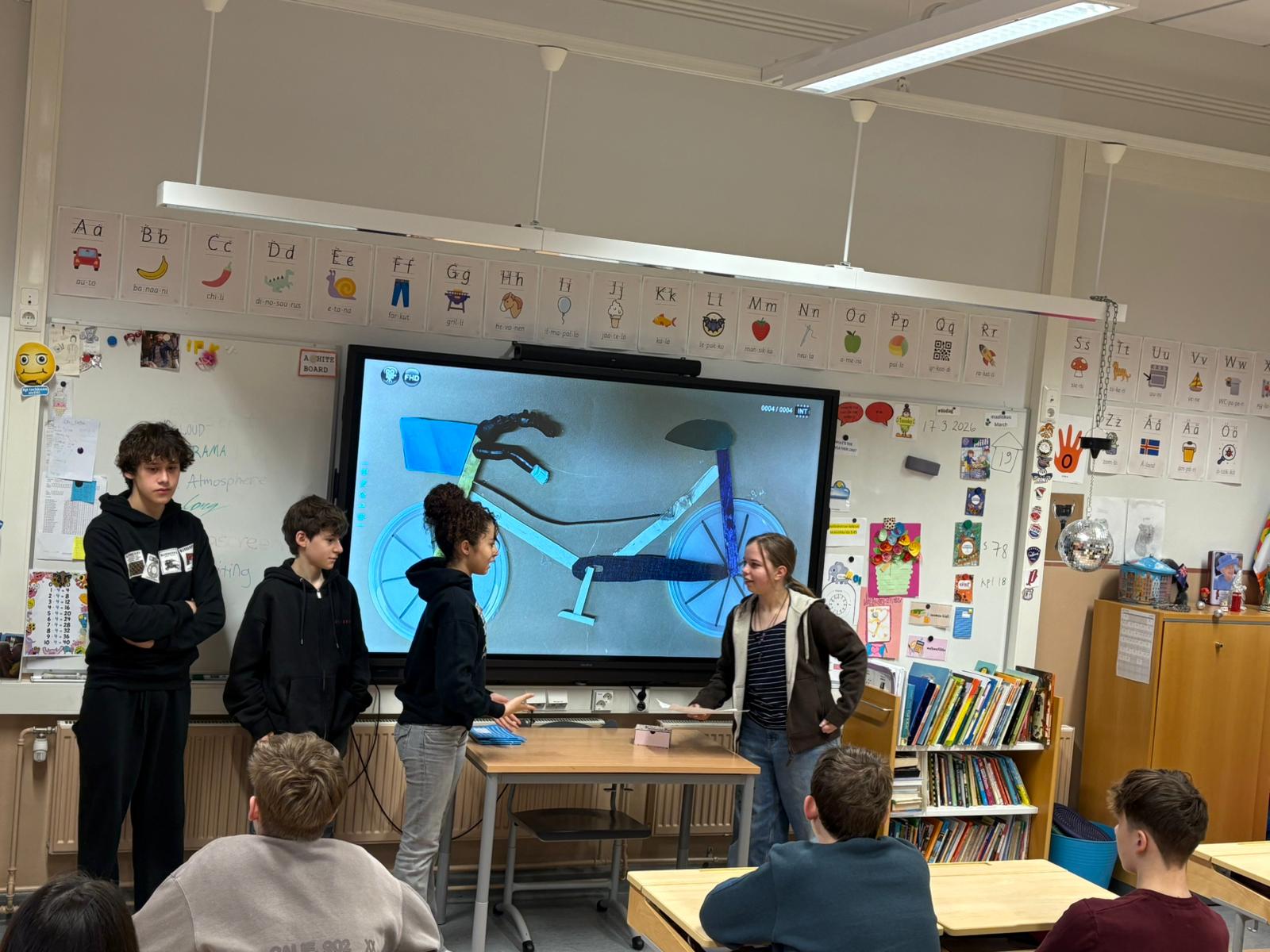
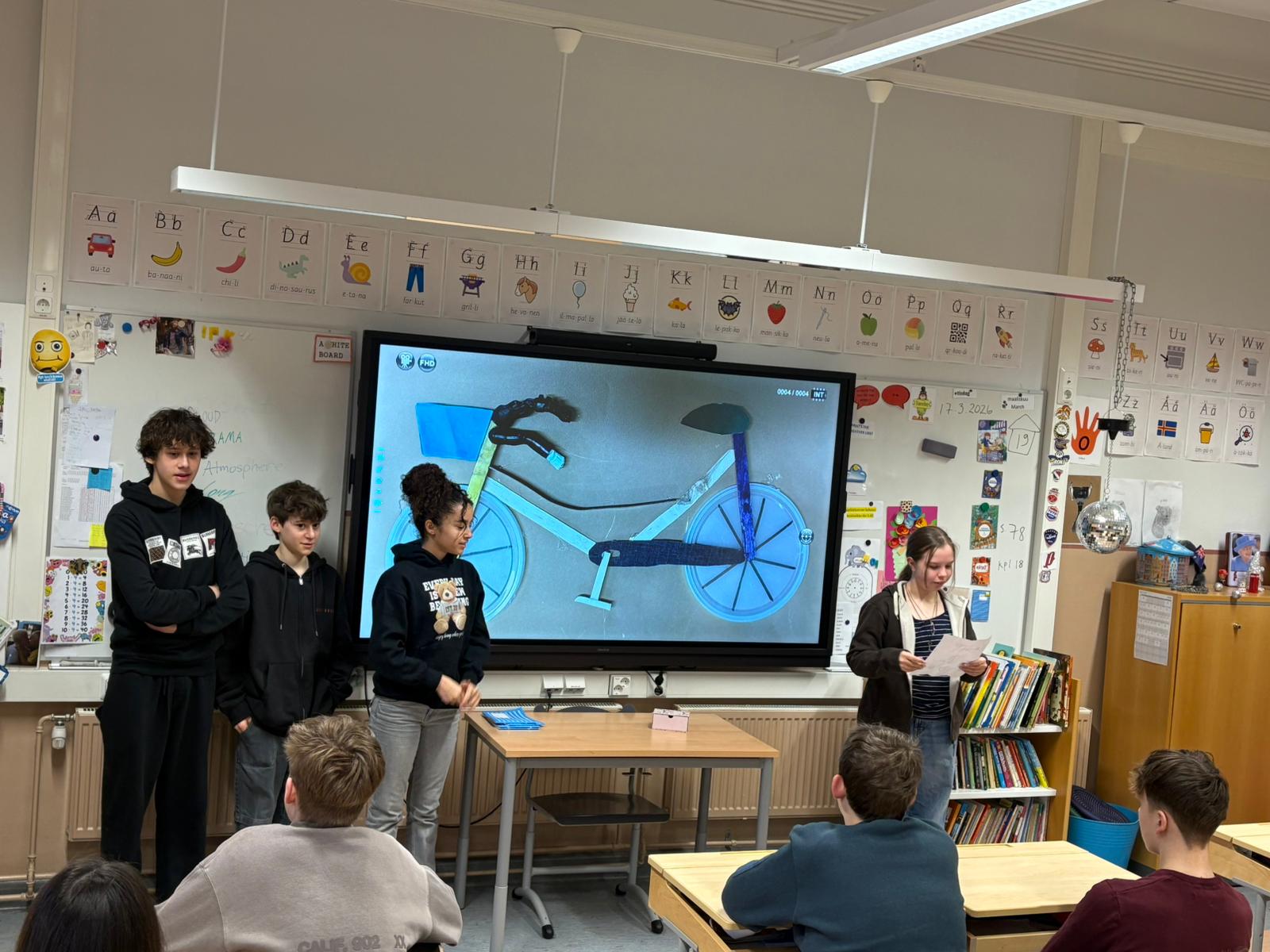
Students finished animations about sustainable development. The main purpose of the animations was to find environmental issues and think about how you can influence them as a citizen and as a young person.
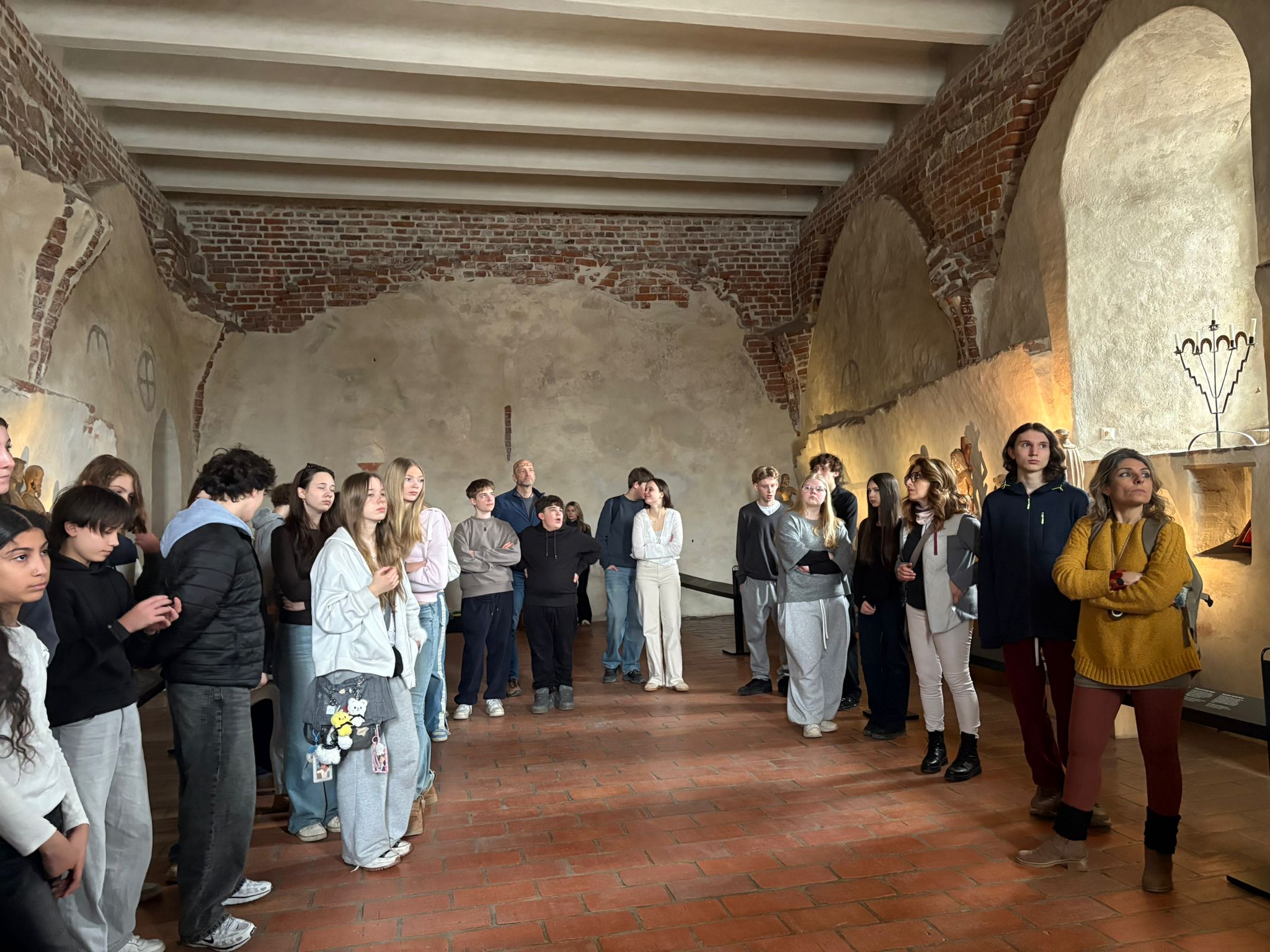
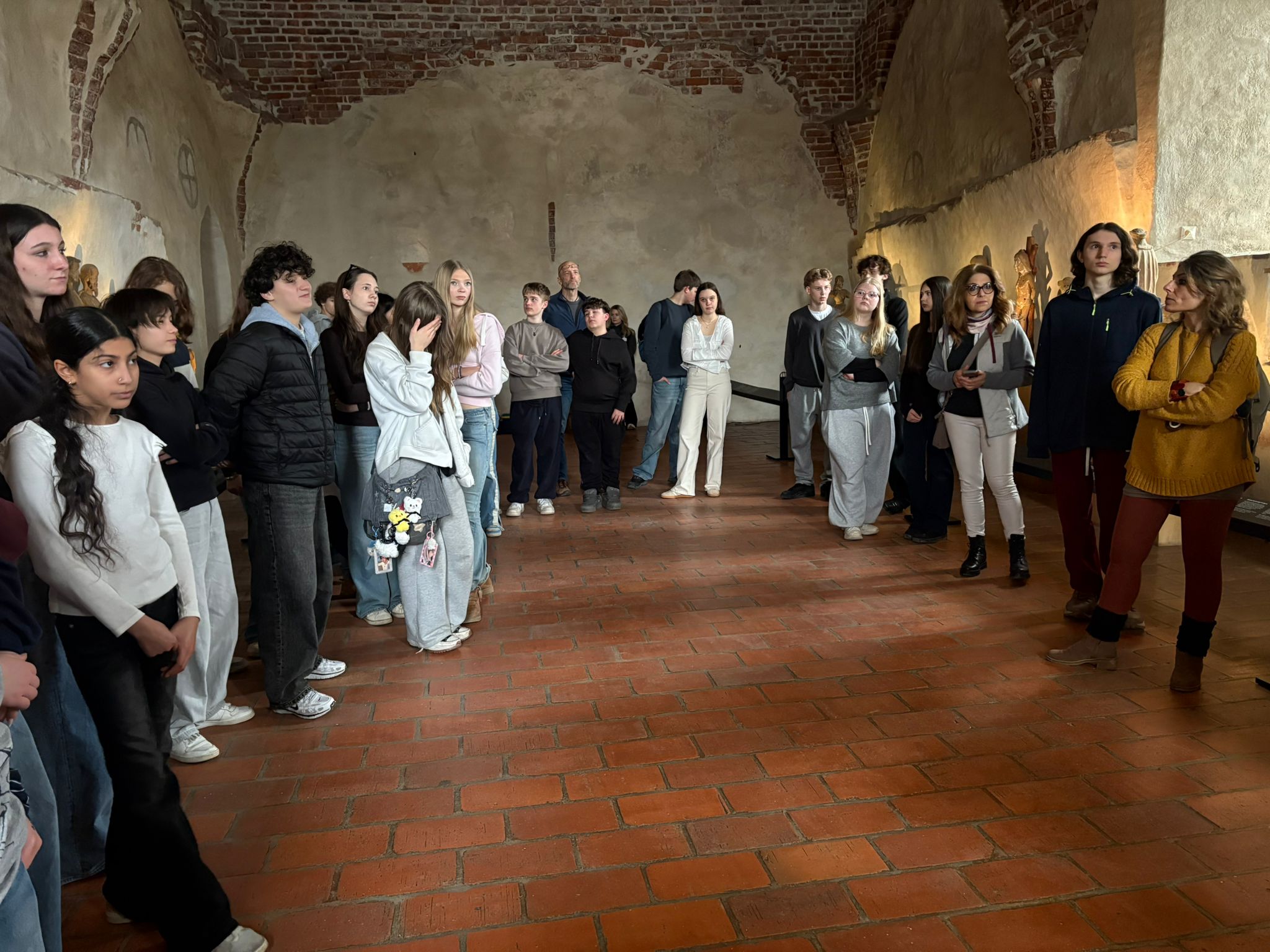
In the afternoon students visited Aboa Vetus, a museum in Turku. It took them back to the Middle Ages, a time when Turku was a major trading center in Northern Europe.
In this museum, they managed to explore streets, houses and workshops that have been reconstructed to look just as they did in medieval times. They discovered how merchants traded furs, fish, salt and other goods across the Baltic Sea. Turku was a hub for trade between Europe and Russia!
The students reflected life over 500 years ago and discussed why Turku was so prosperous and bustling.
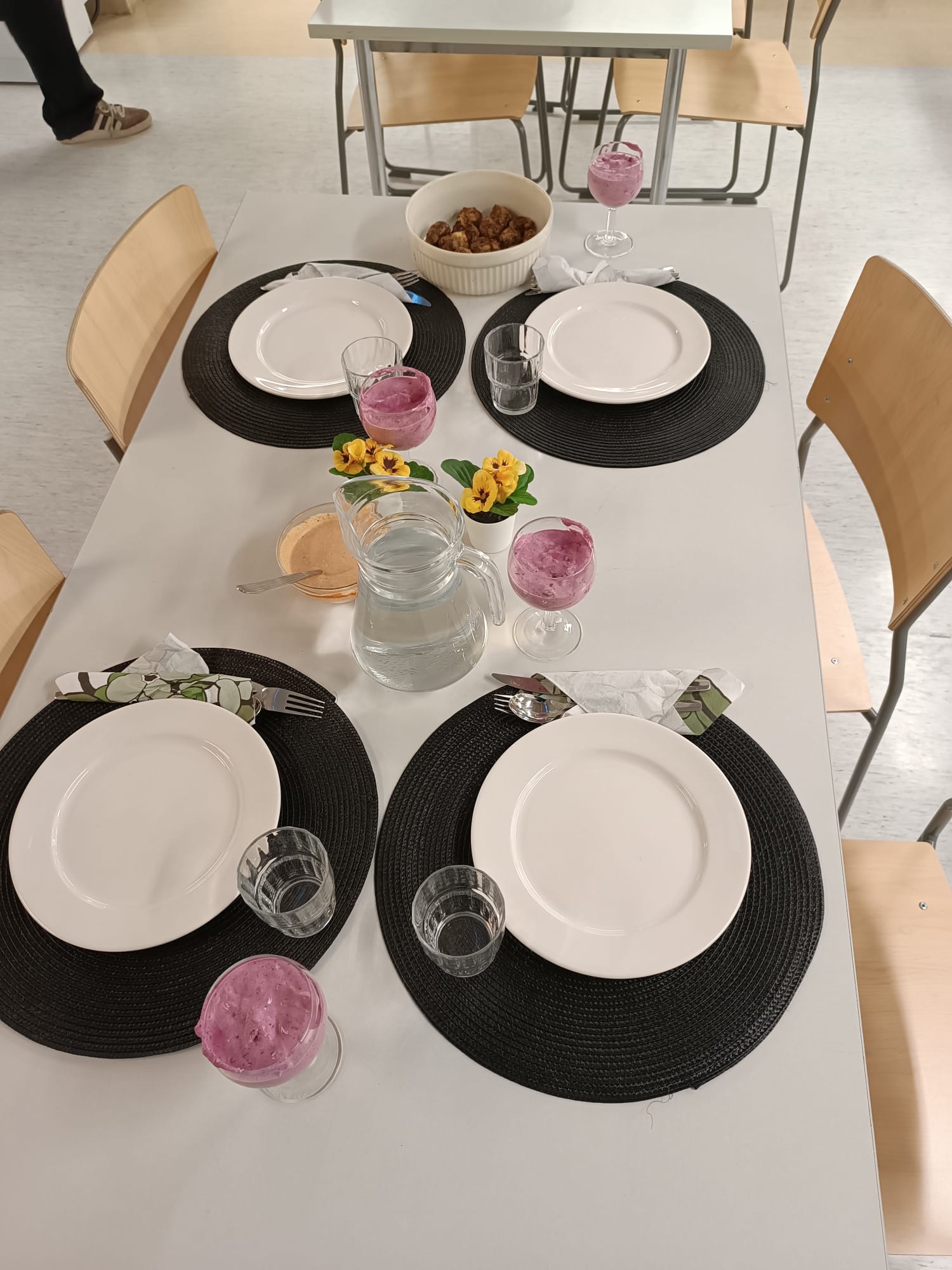
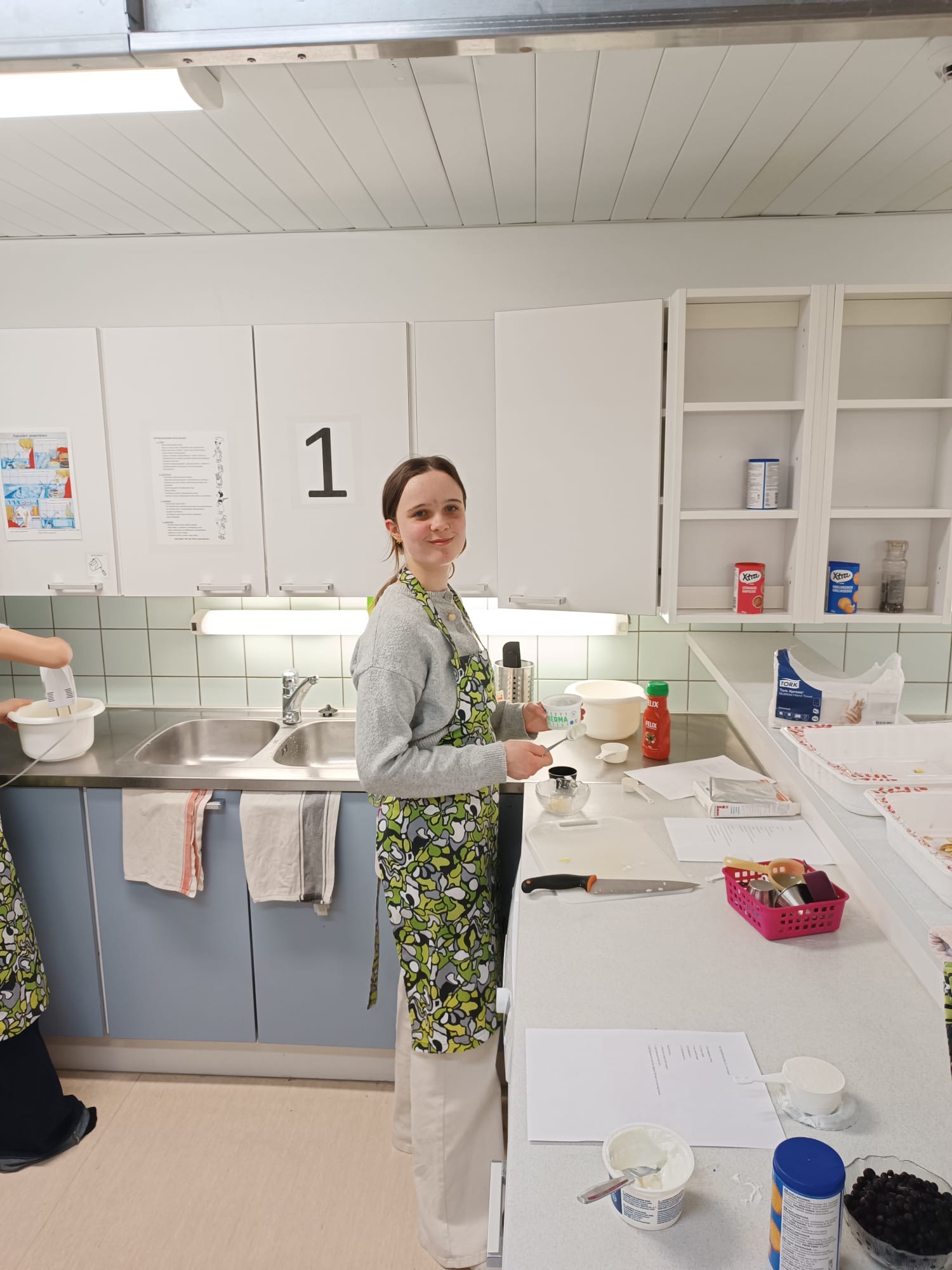
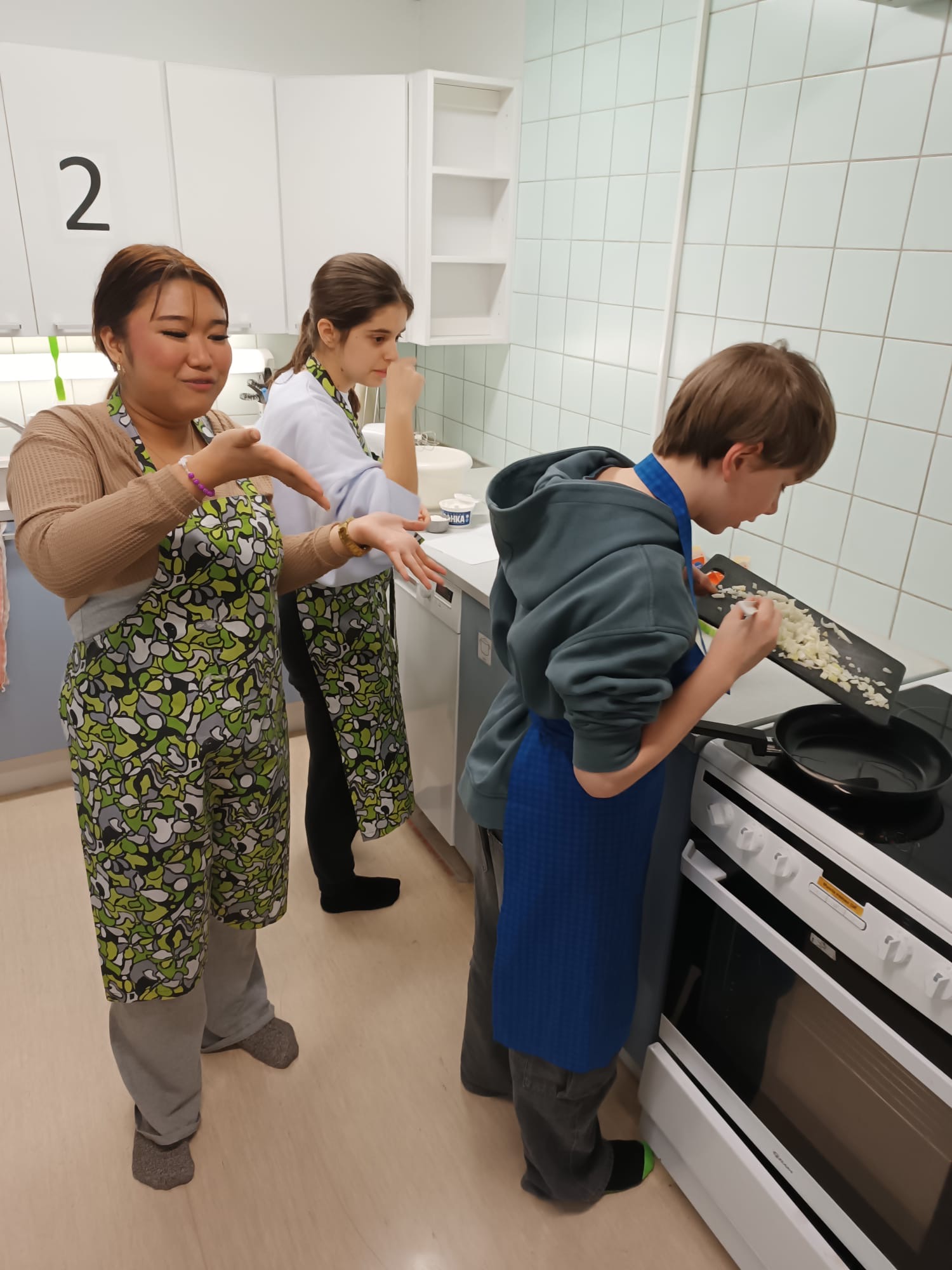
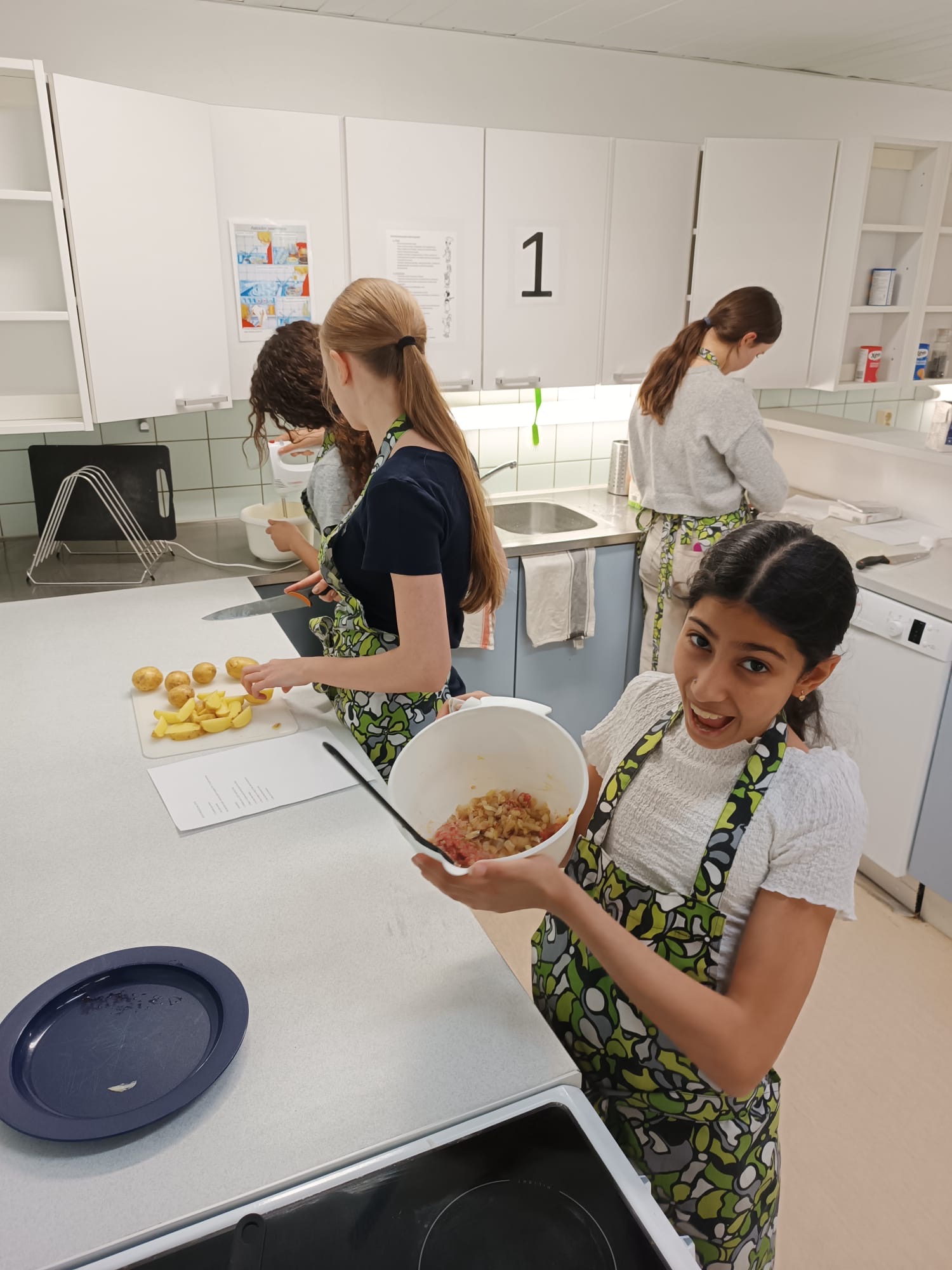
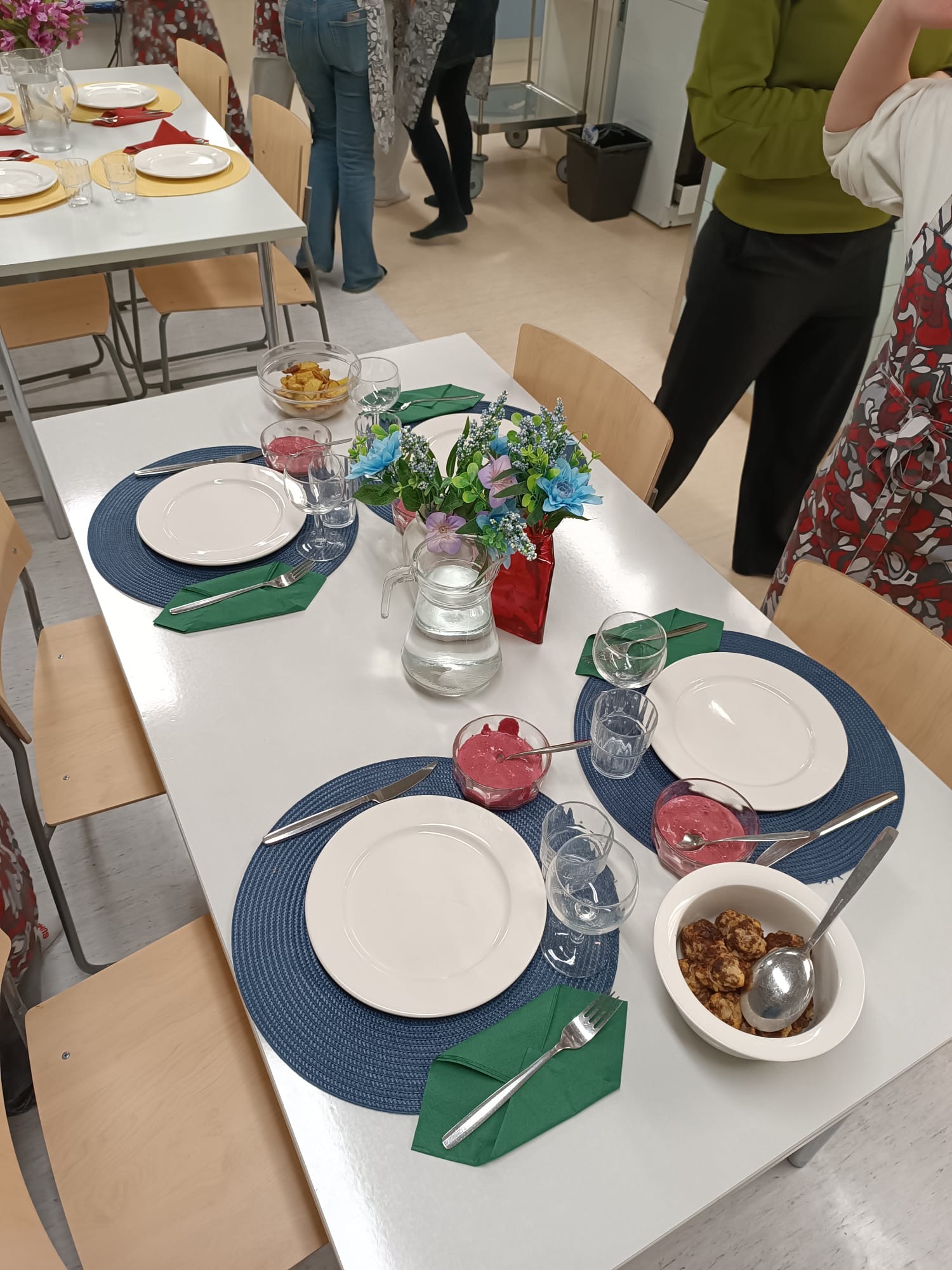
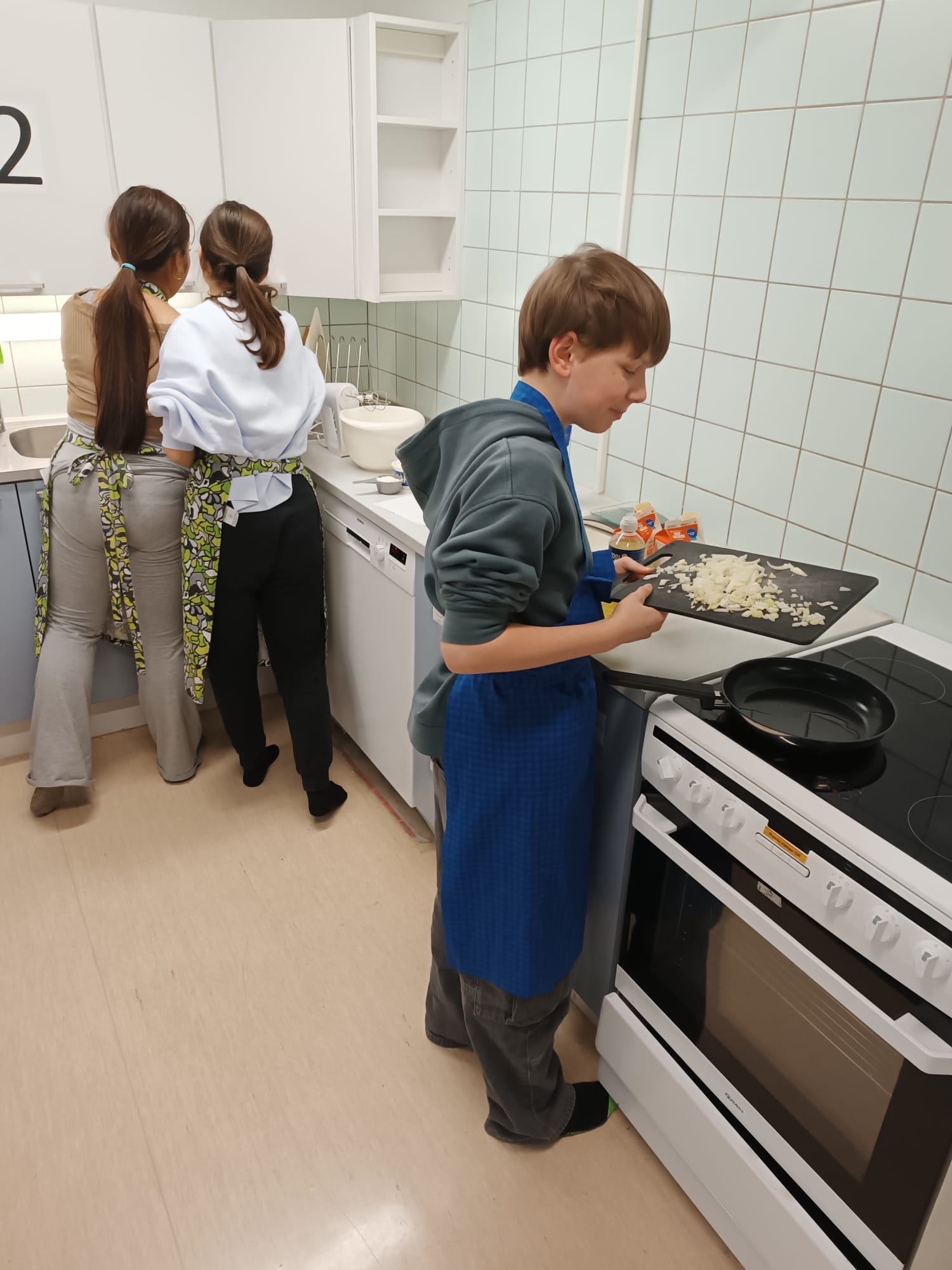
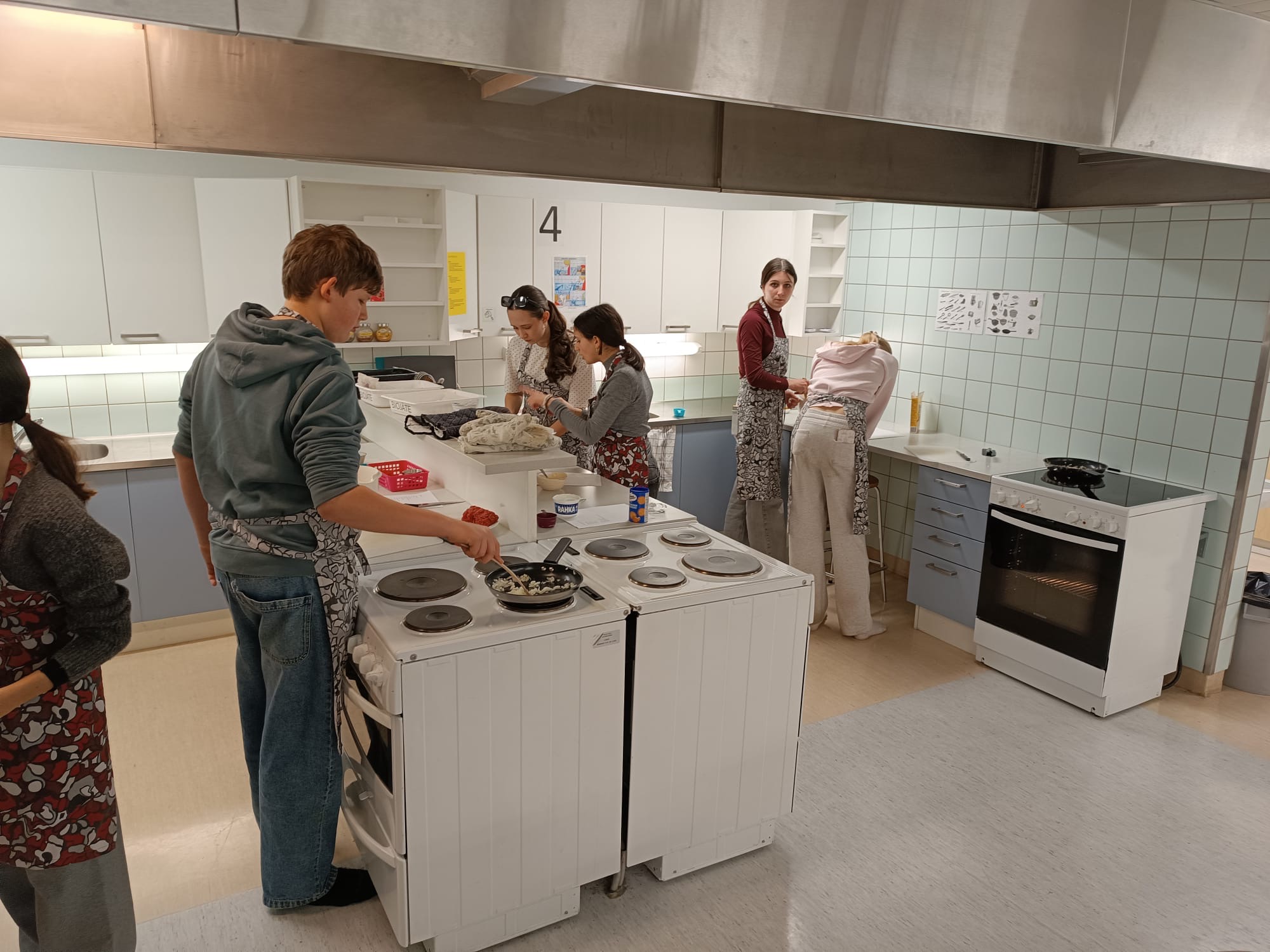
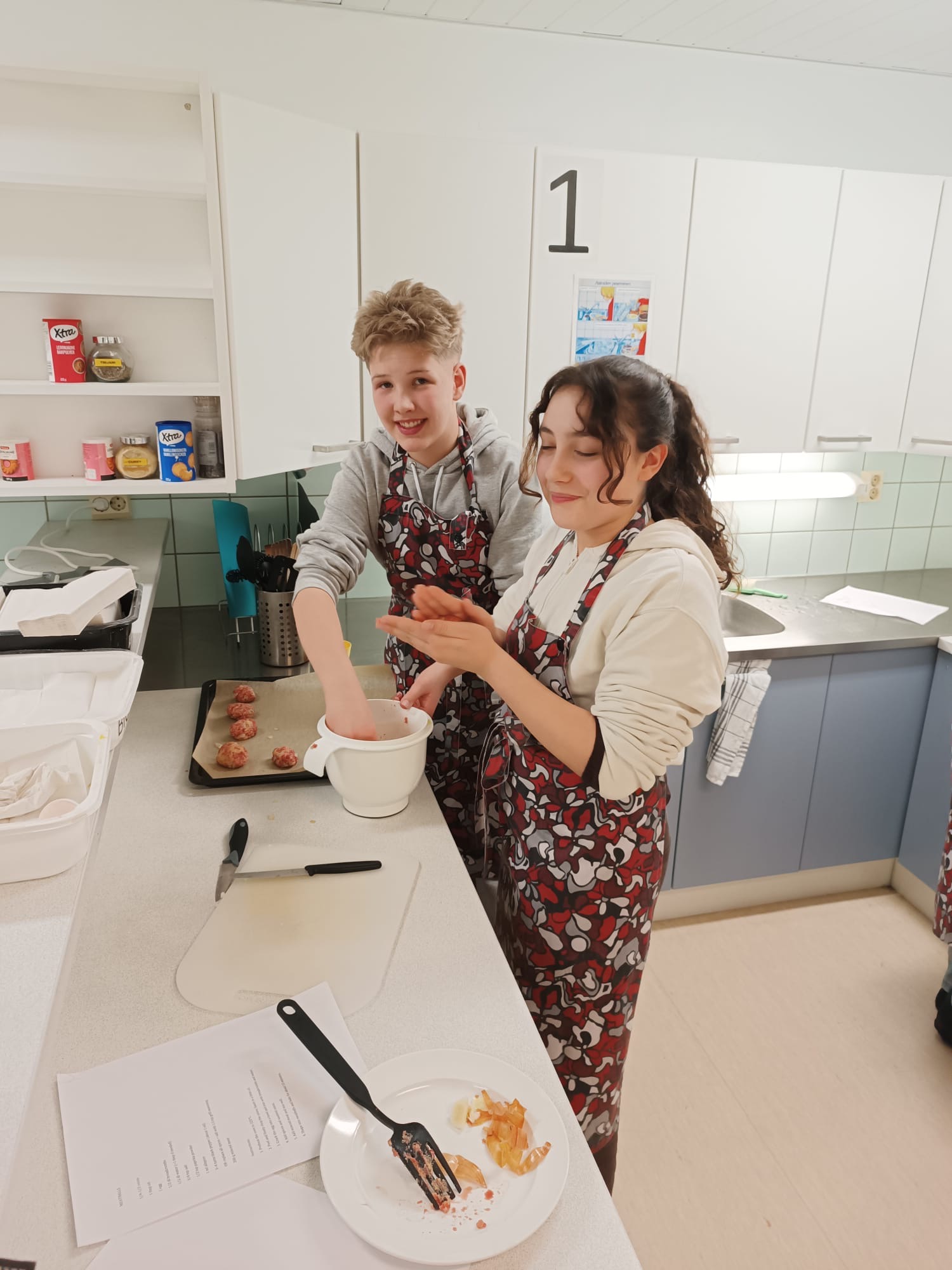
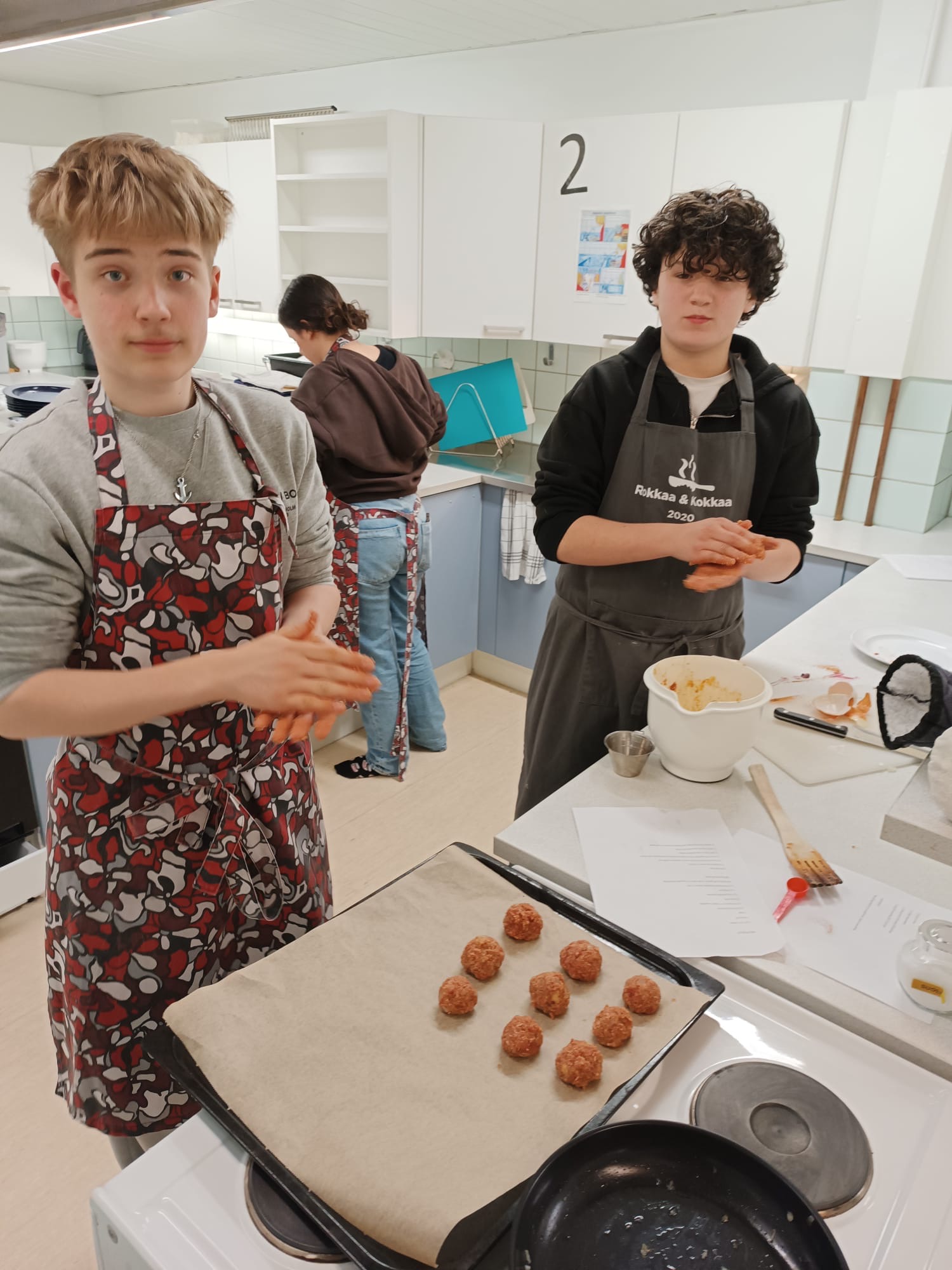
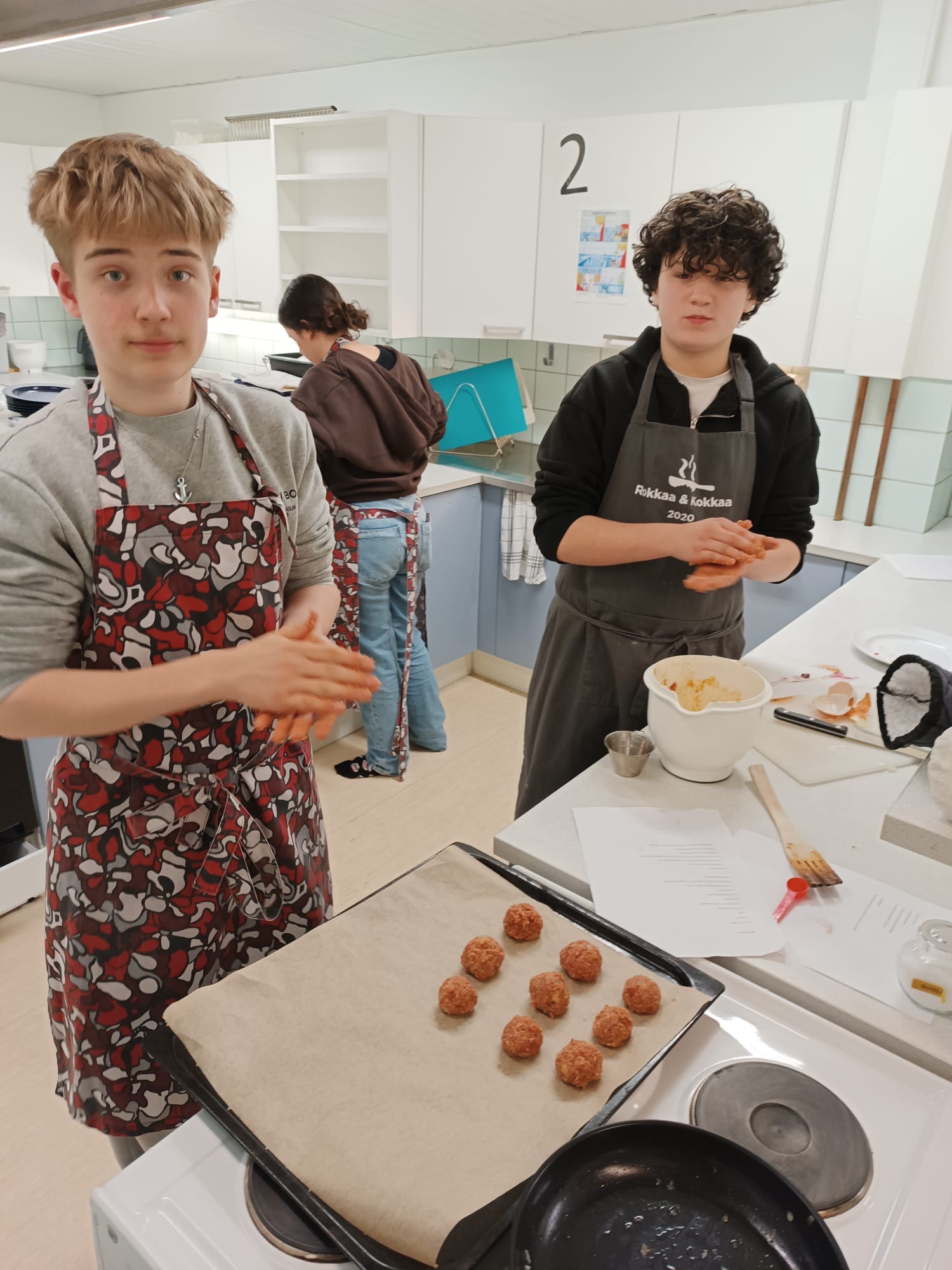
On the evening everybody gathered in home economics class for preparing typical Finnish food. Our objectives were to discover a different culinary culture, whilst raising participants’ awareness of the local food supply chain to reconcile human needs with respect for biodiversity. Aim was also to learn by doing and through group work. With group work we could encourage comparisons with other culinary cultures.
After eating all the animations were presented. It was very inspiring to see all the creative works done by students. The students participated in a quiz to discover Finnish traditional foods and local food culture in Finland. They had to discuss the differences of the agricultural effects, the landscapes, and how farms, for example, work in different countries.
FRIDAY
Science, STEAM
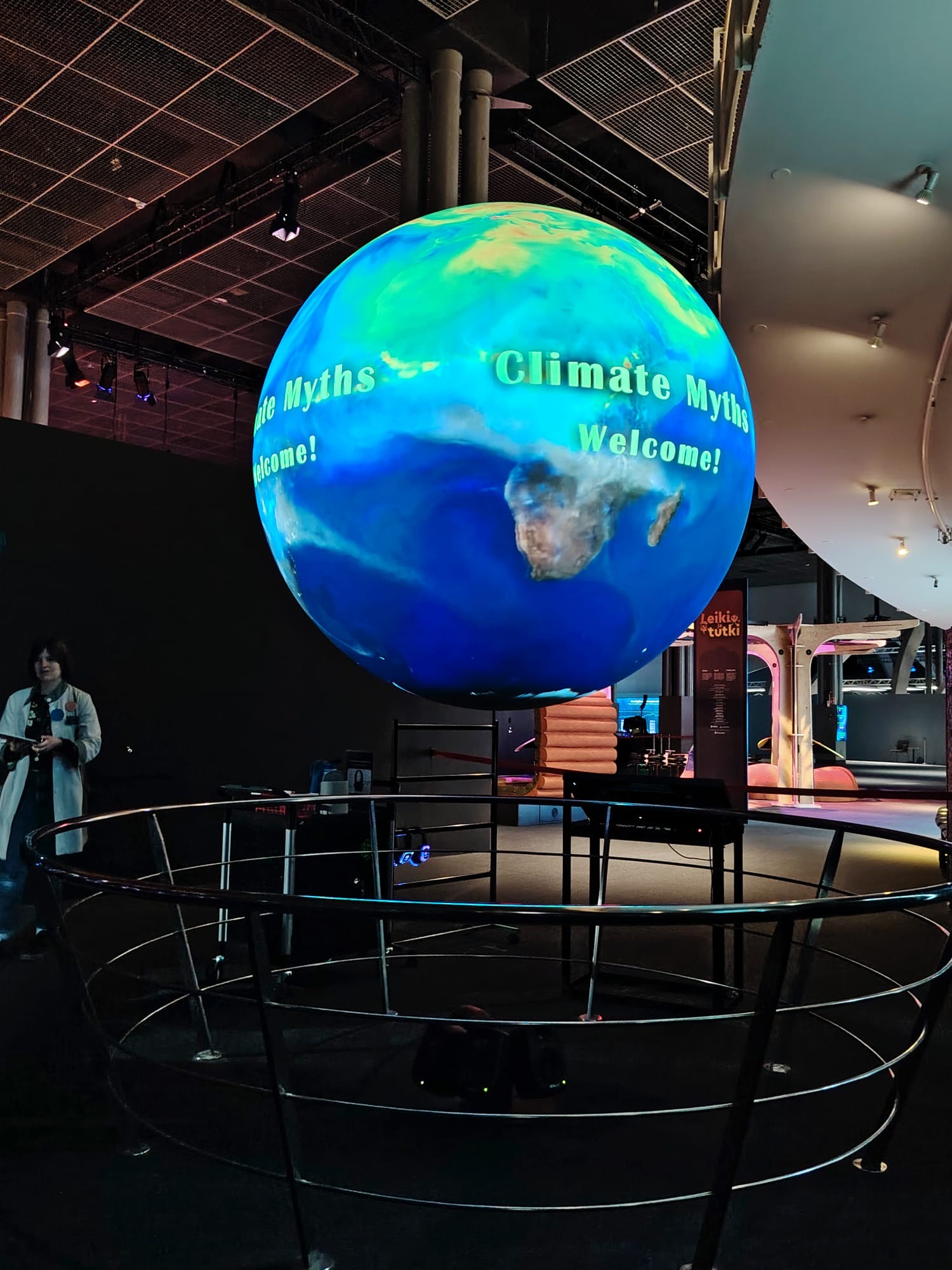
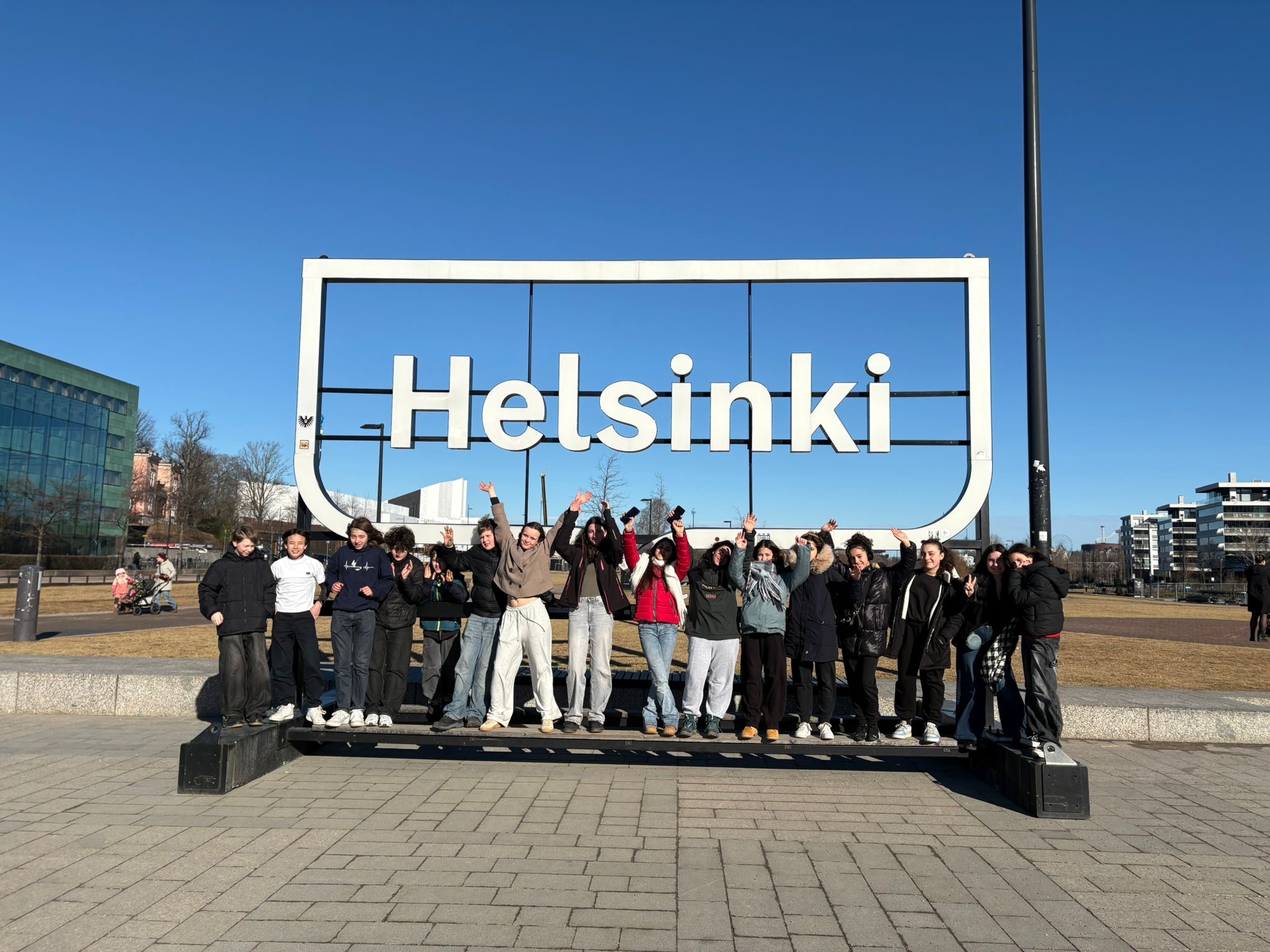
– We started early and headed to the Science Museum Heureka in Vantaa. We had a very concrete demonstration of climate myths in Heureka. Students also got to know different attractions like Foucault’s Pendulum and various spectacular physics phenomena that can be experienced with the whole body. The students had a great possibility to enjoy planetarium, which is one of the most detailed projection environments in Europe.
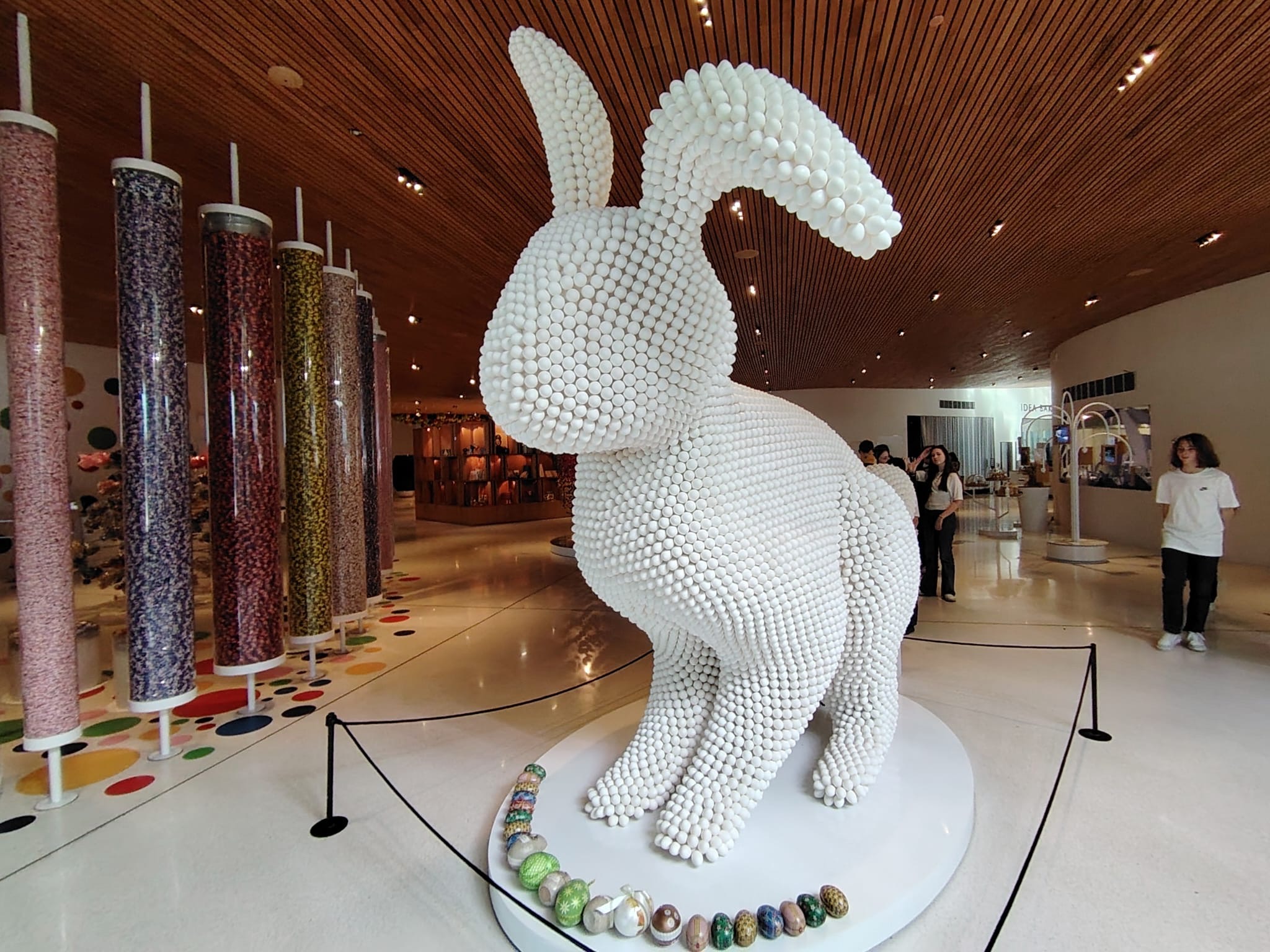
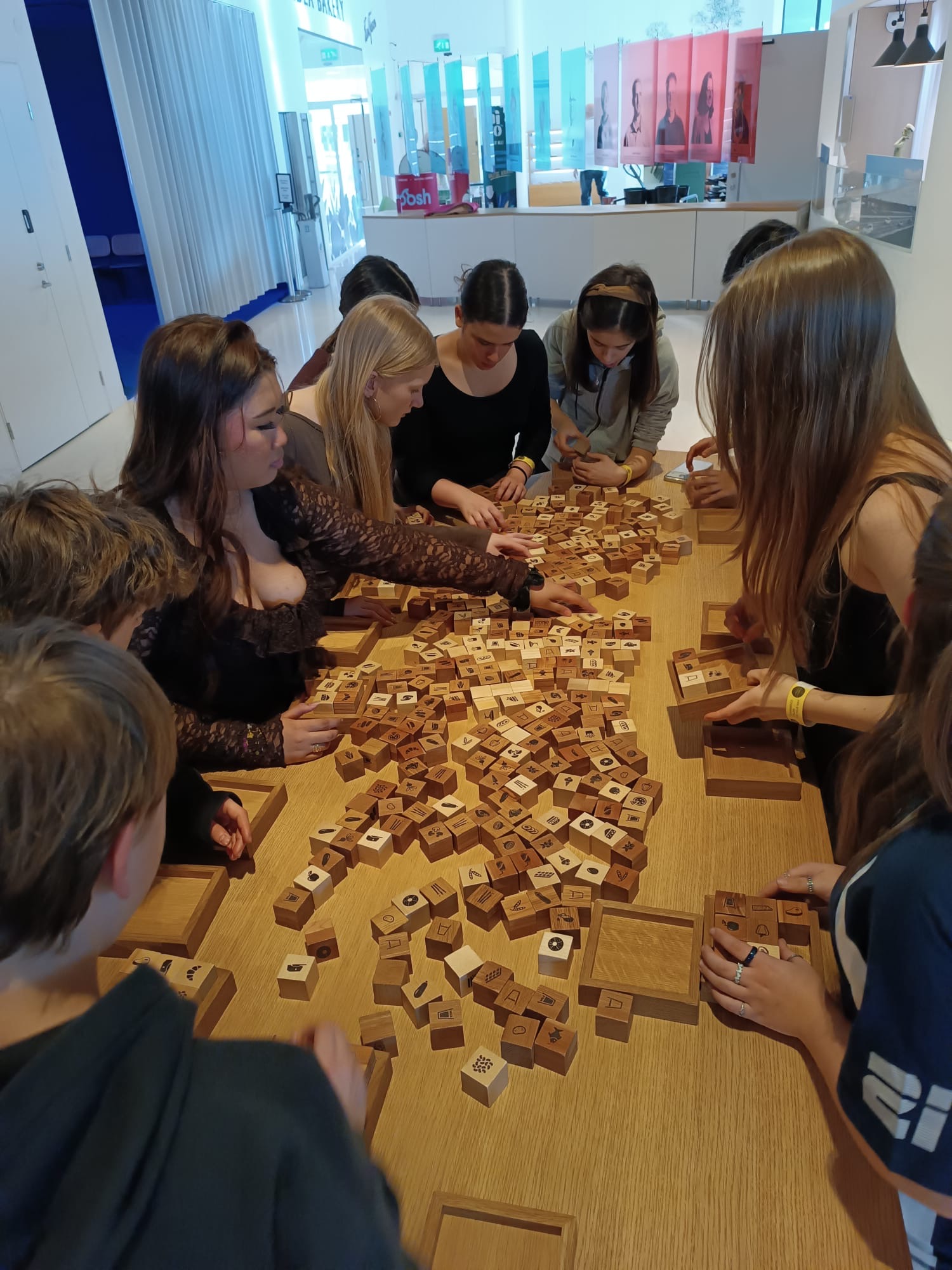
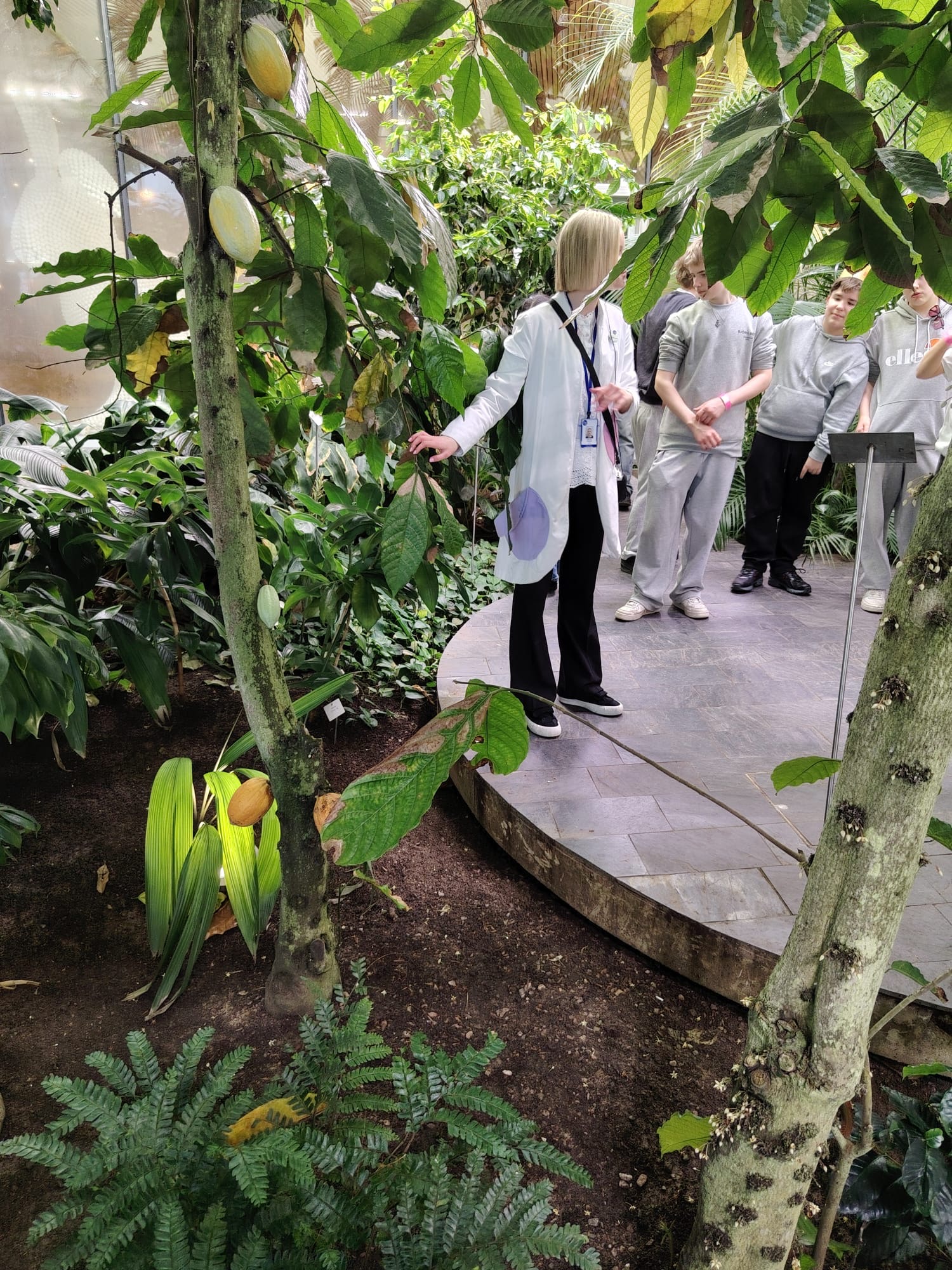
After lunch we visited a chocolate factory called Fazer. They have a visiting center where you learn of the industrial progress in Finland during centuries. Students also saw the circumstances where cacao grows and got to know how chocolate products can be made of local products like oats and rye. In the future, climate change forces people to create substitute products, so this was a concrete example of how to deal with the challenges of the future.
After Fazer it was time to say goodbye to our guests. Our mobility was concrete and practical and also gave the students new perspectives on scientific issues as well as social skills to communicate with people from different cultural backgrounds. By actions, group work, and ‘learn-by-doing’ it became a successful mobility.
Works and results
GALLERY