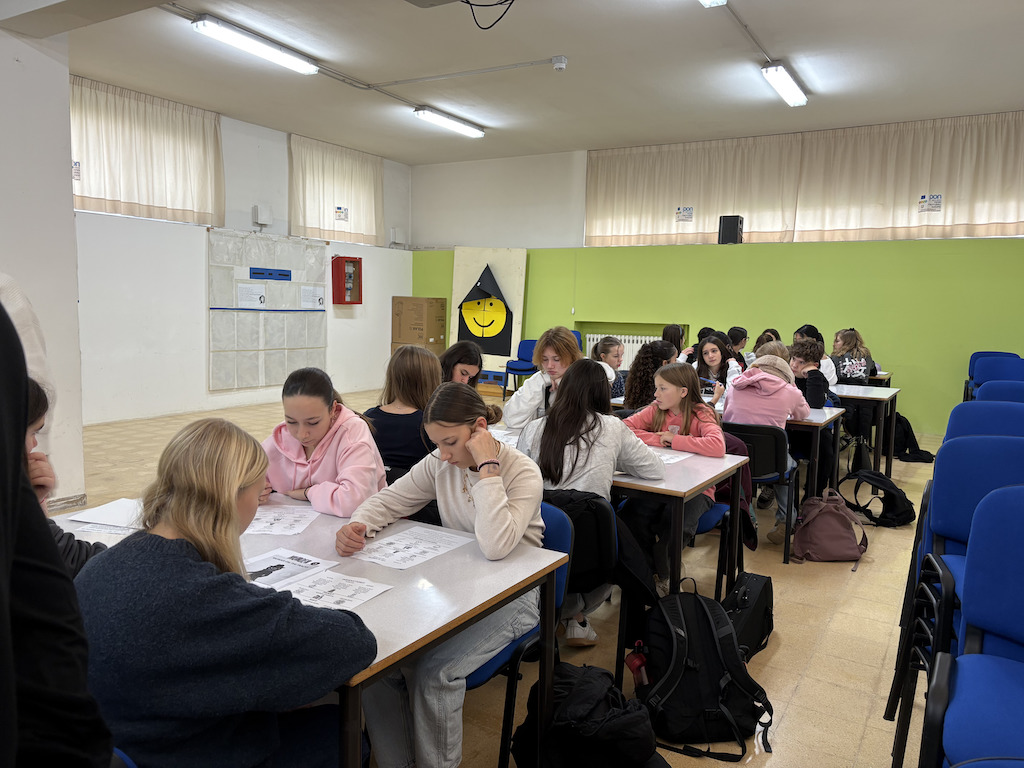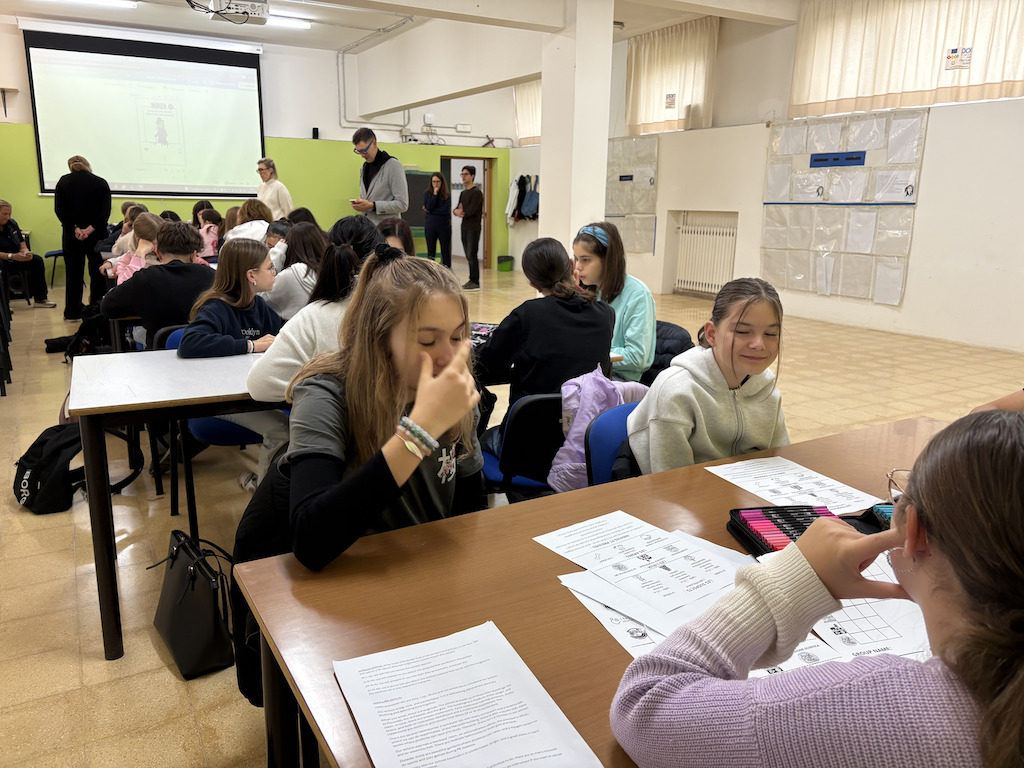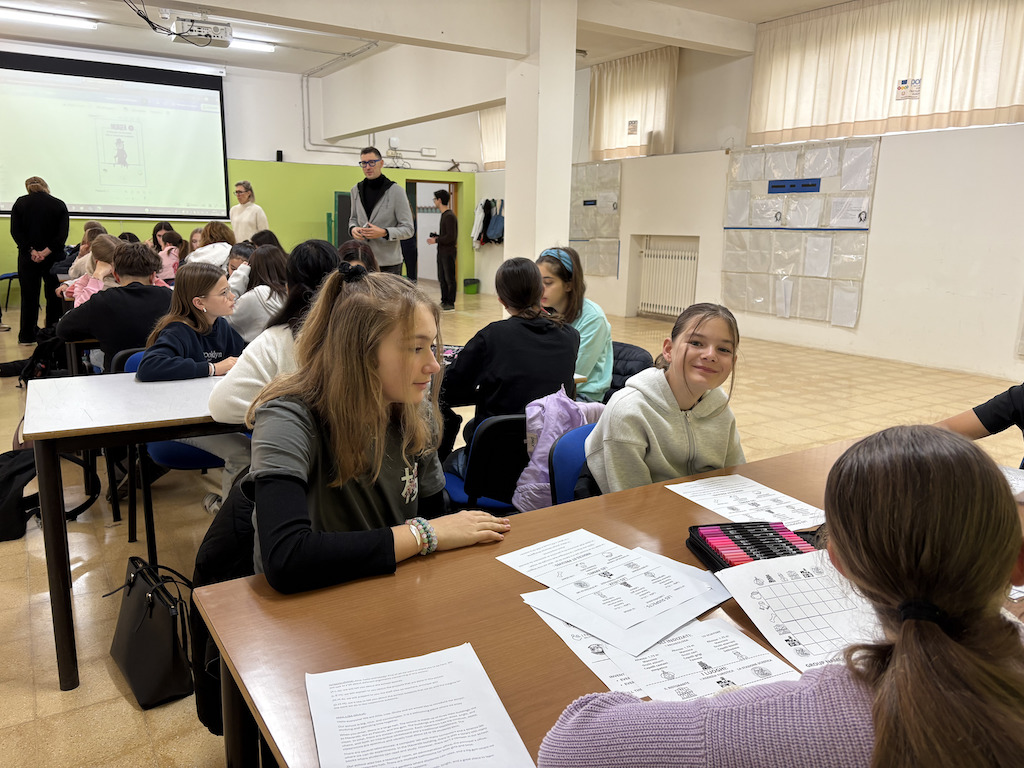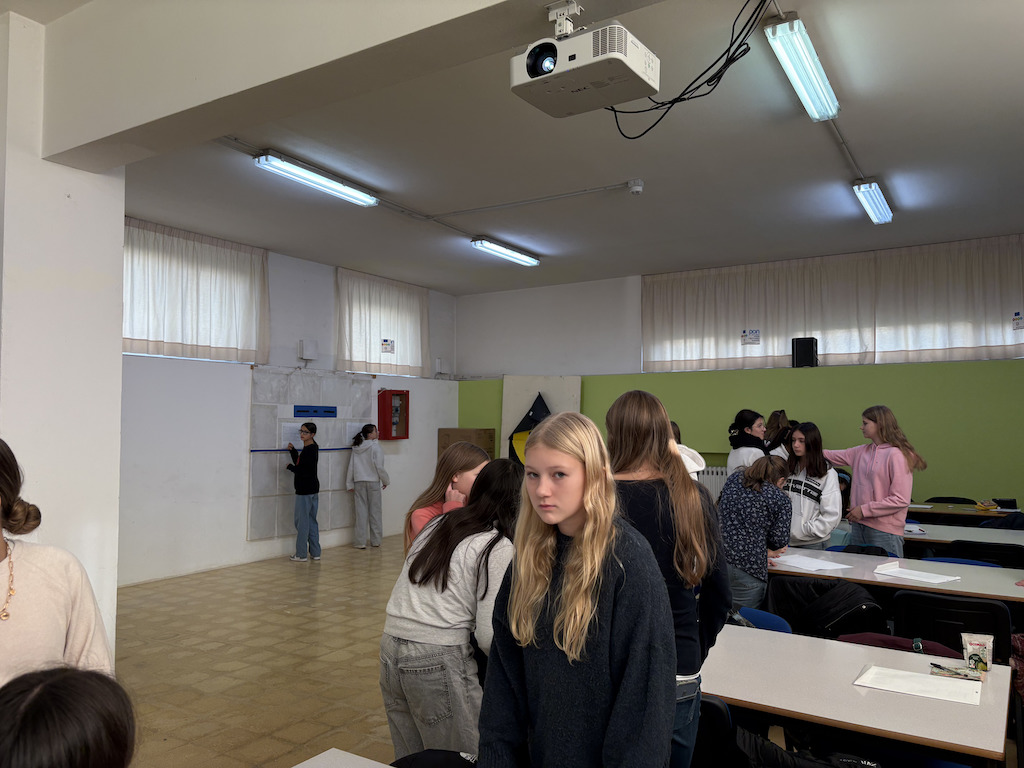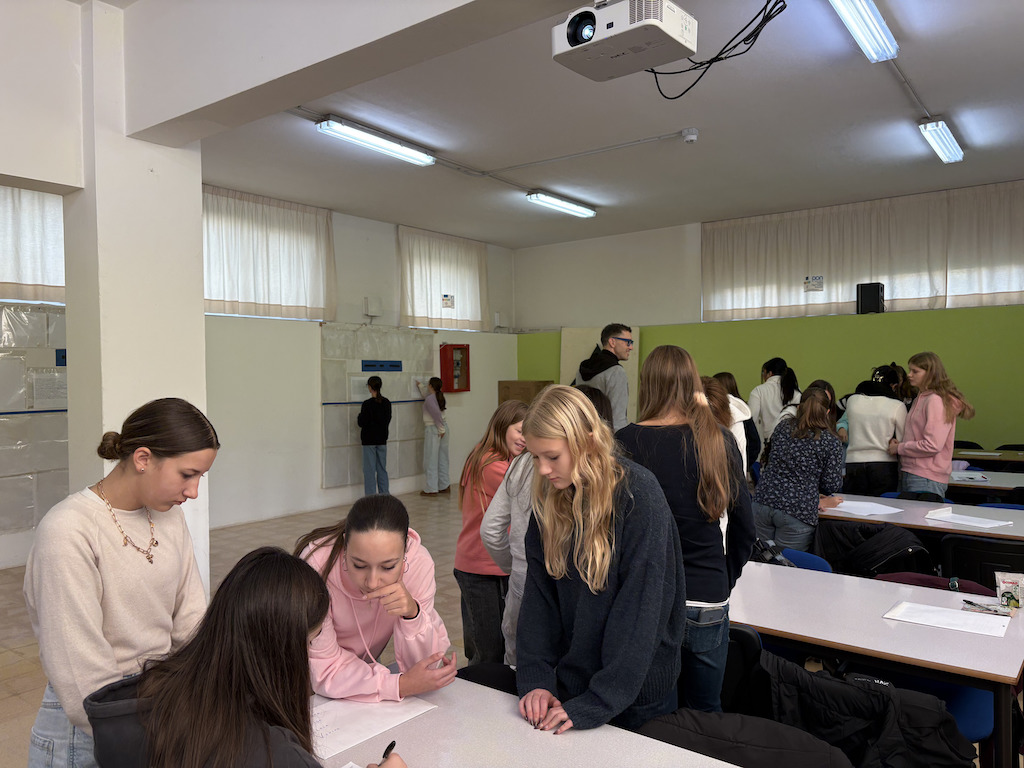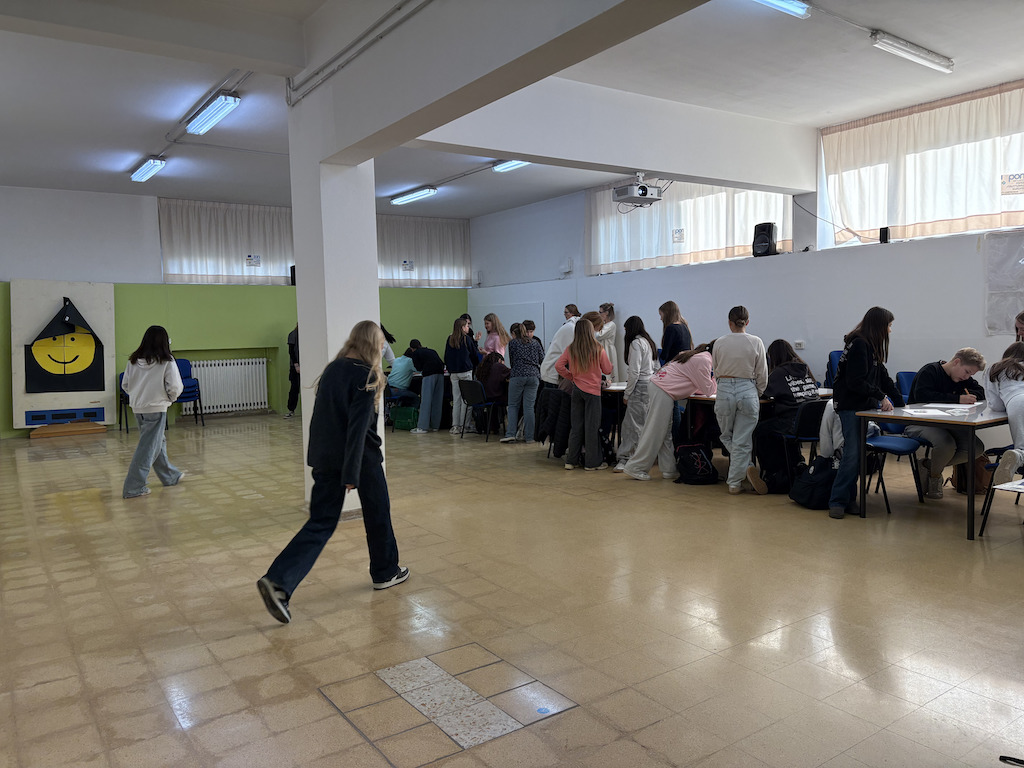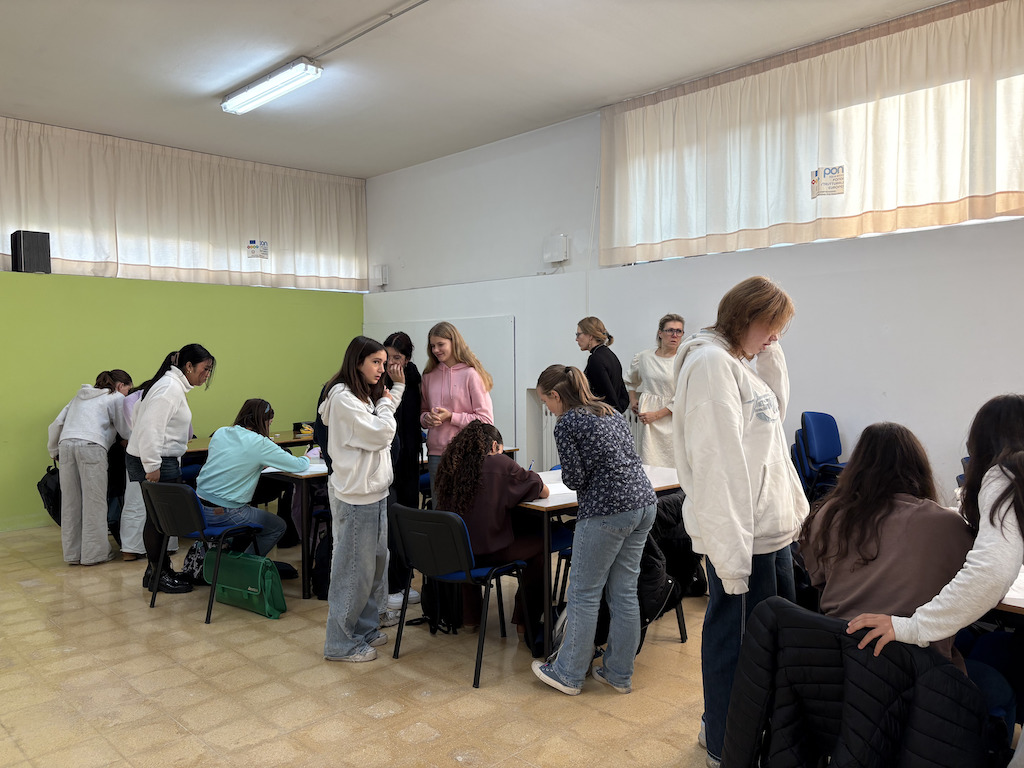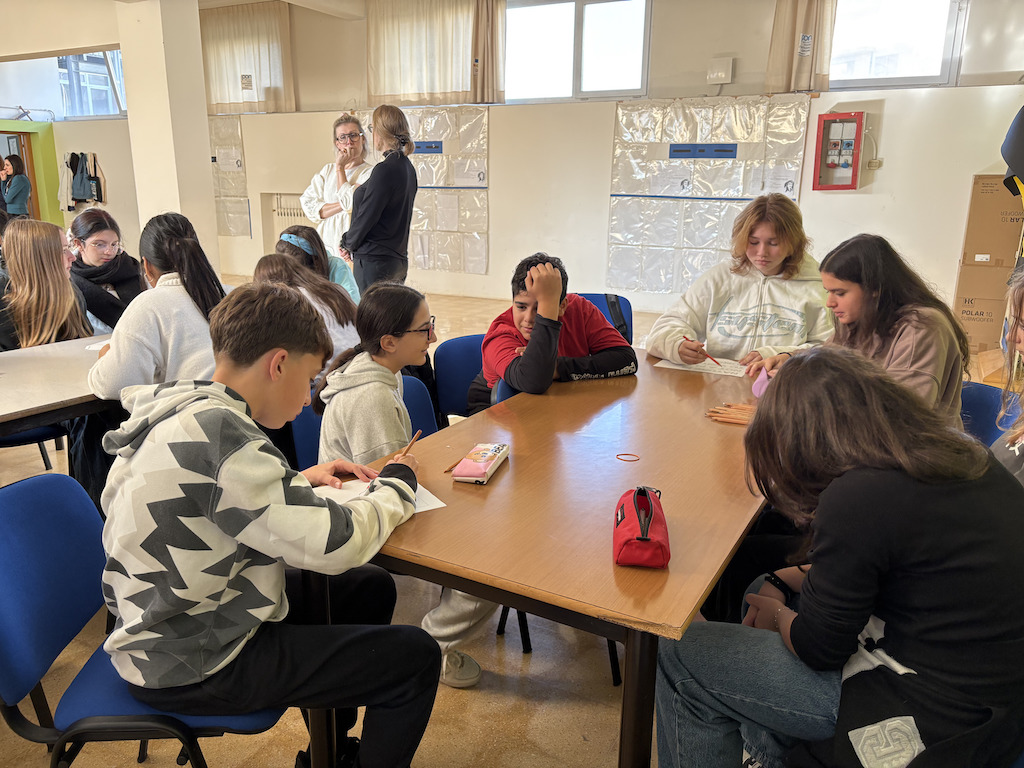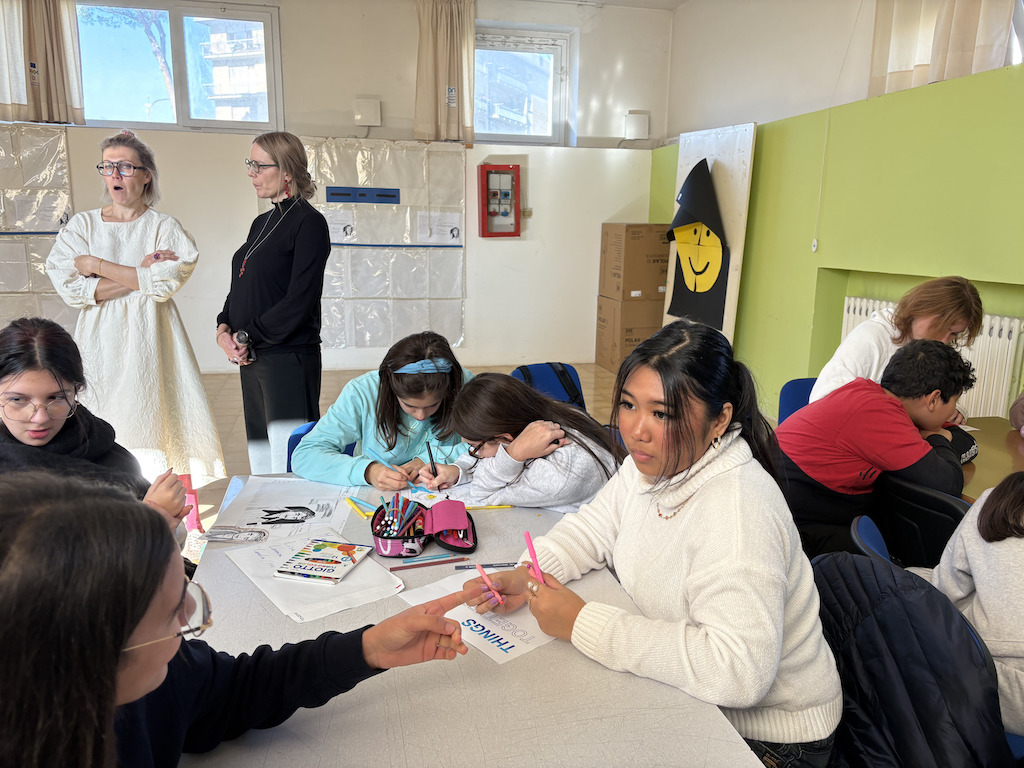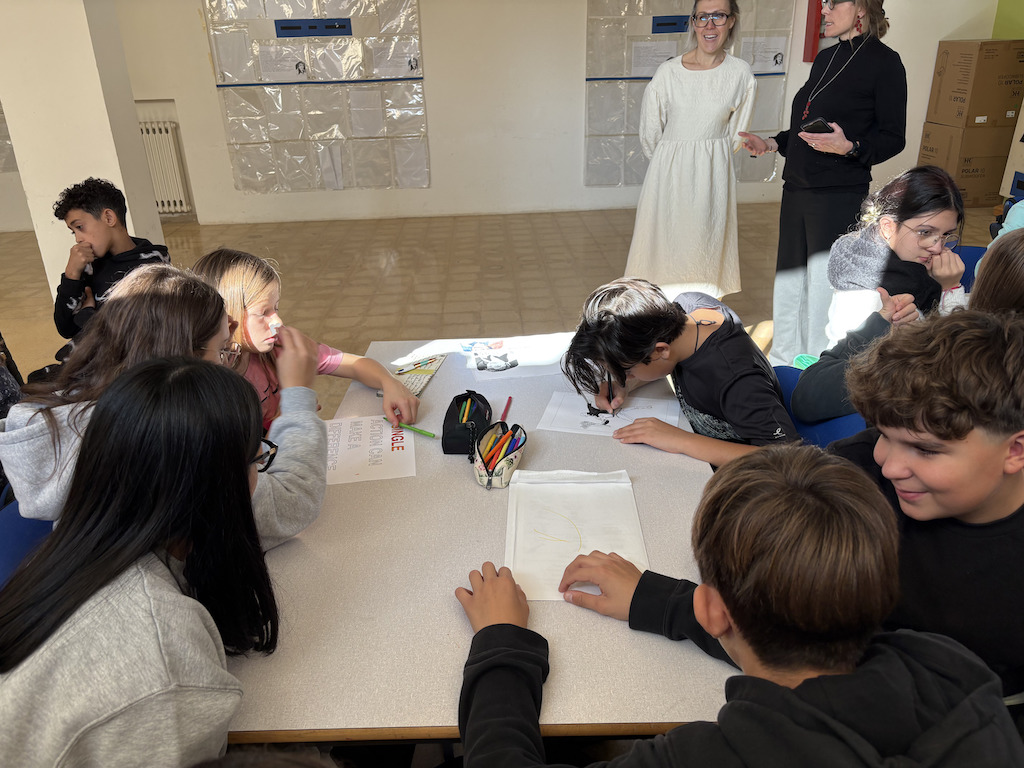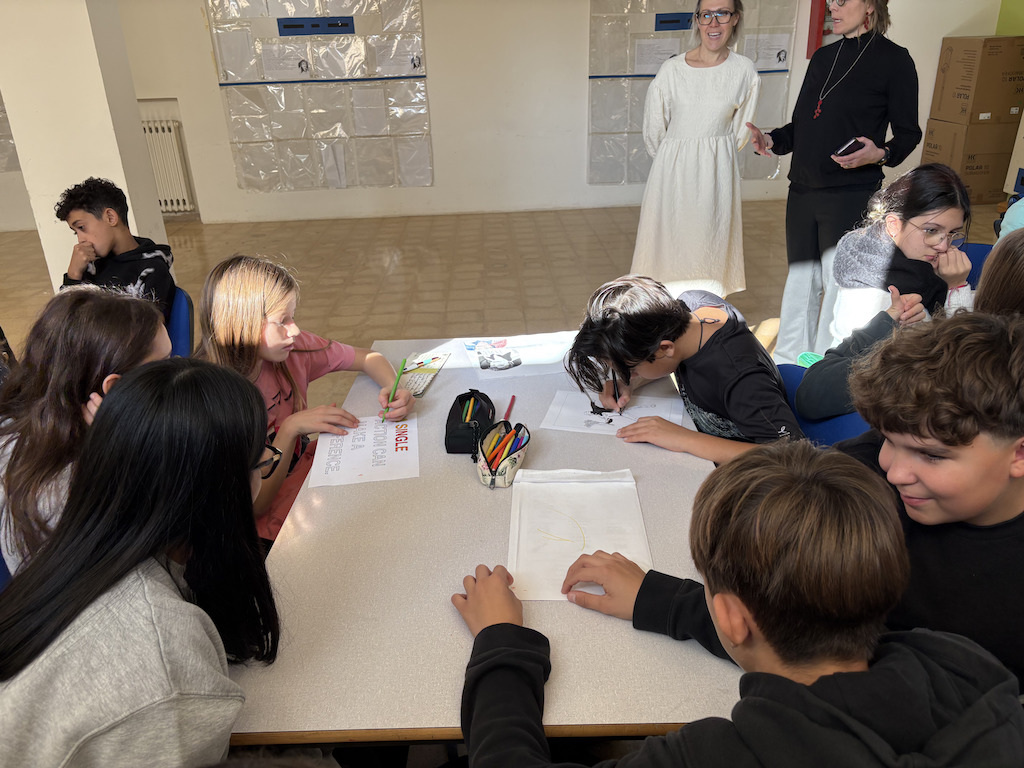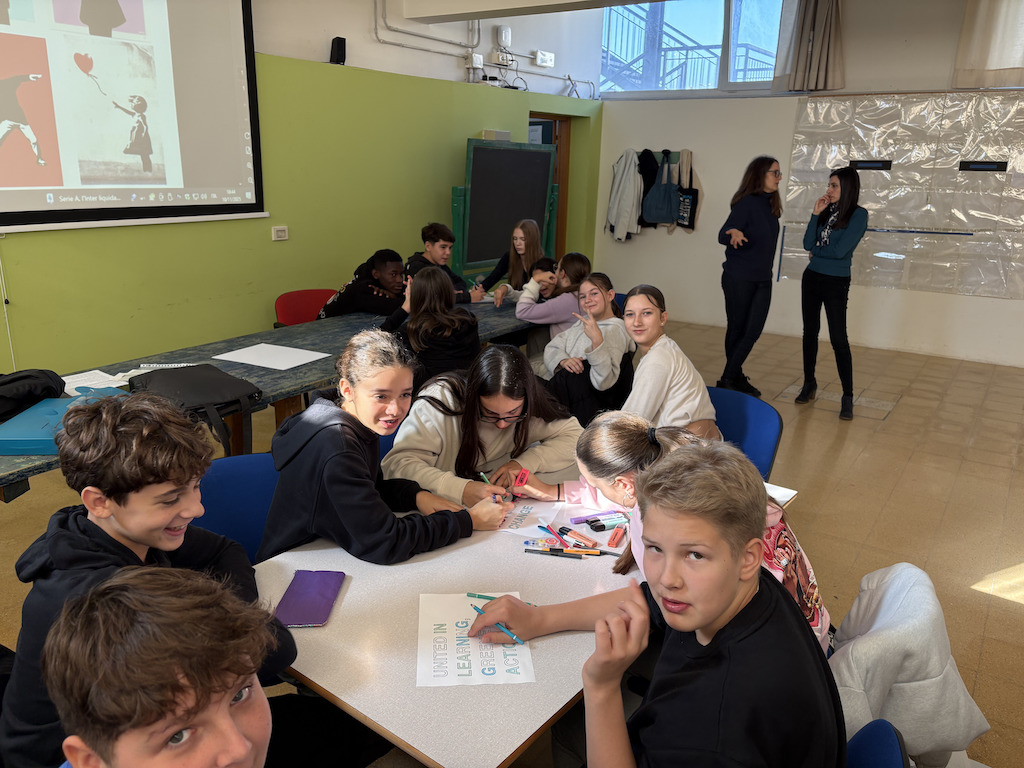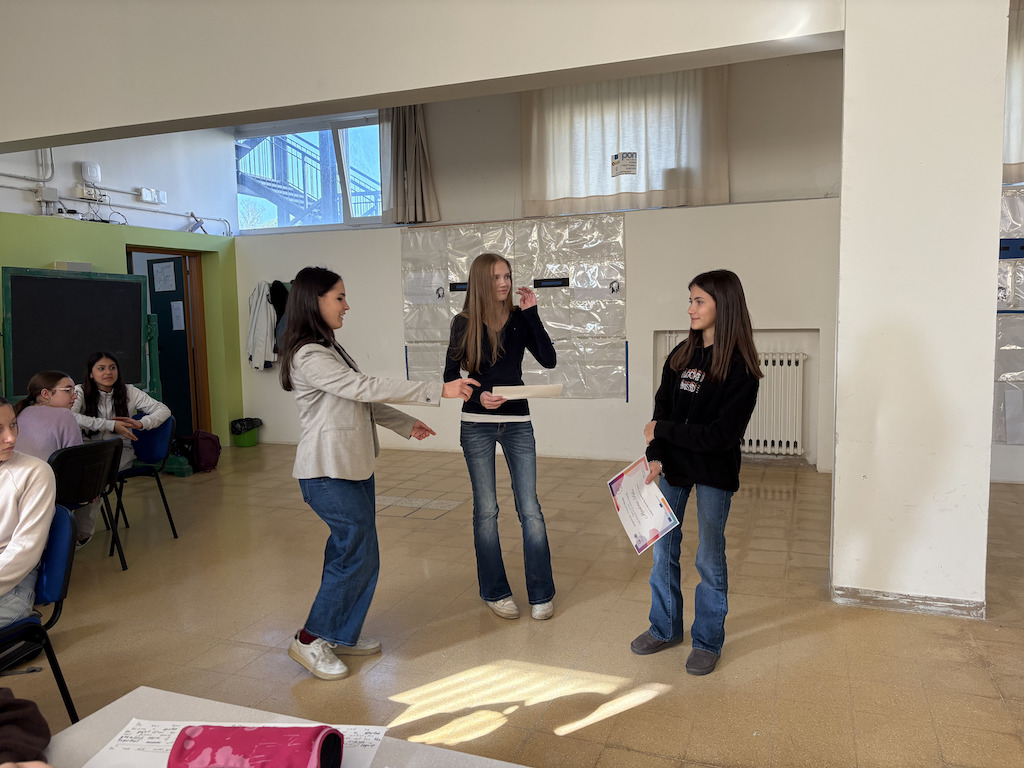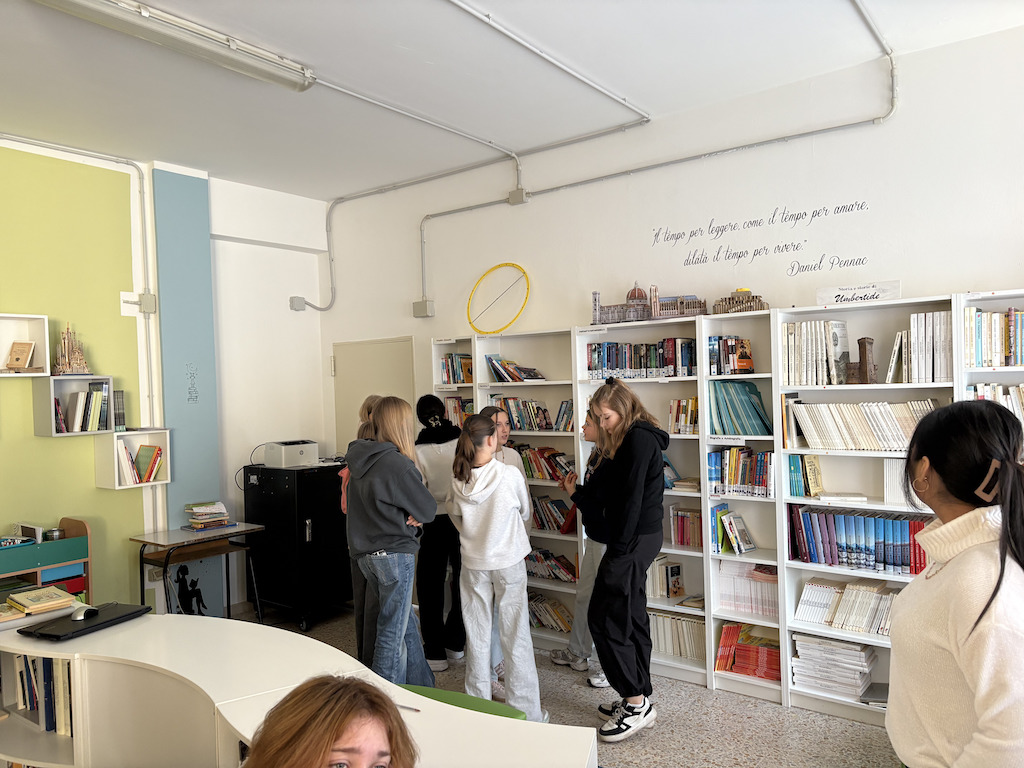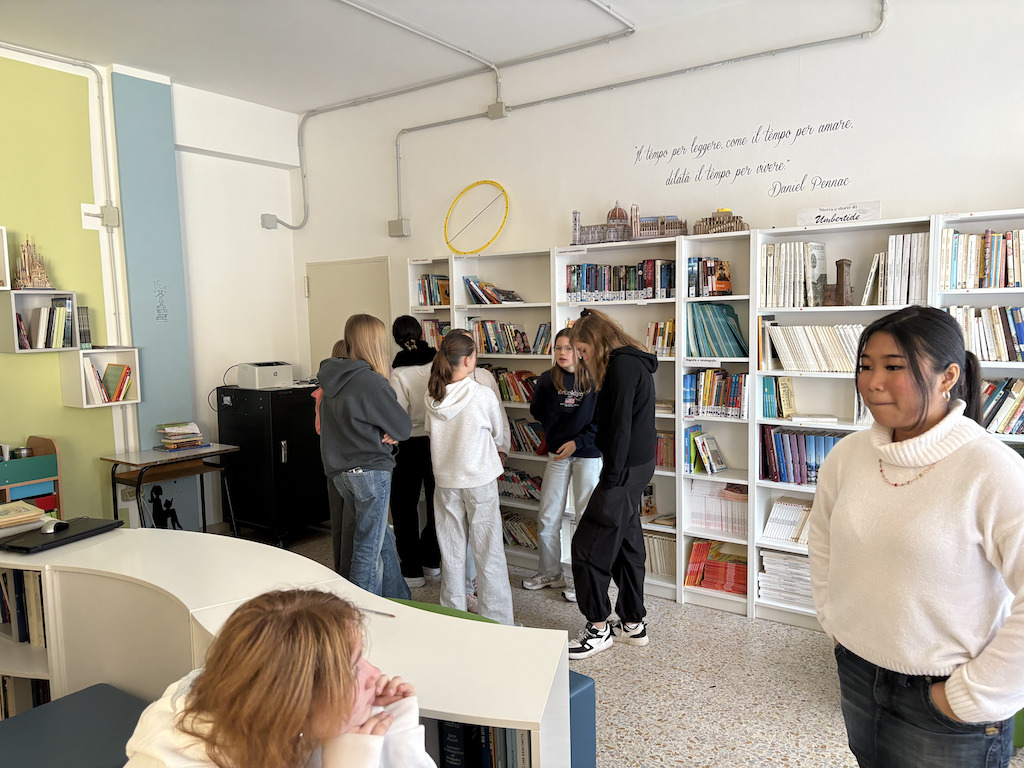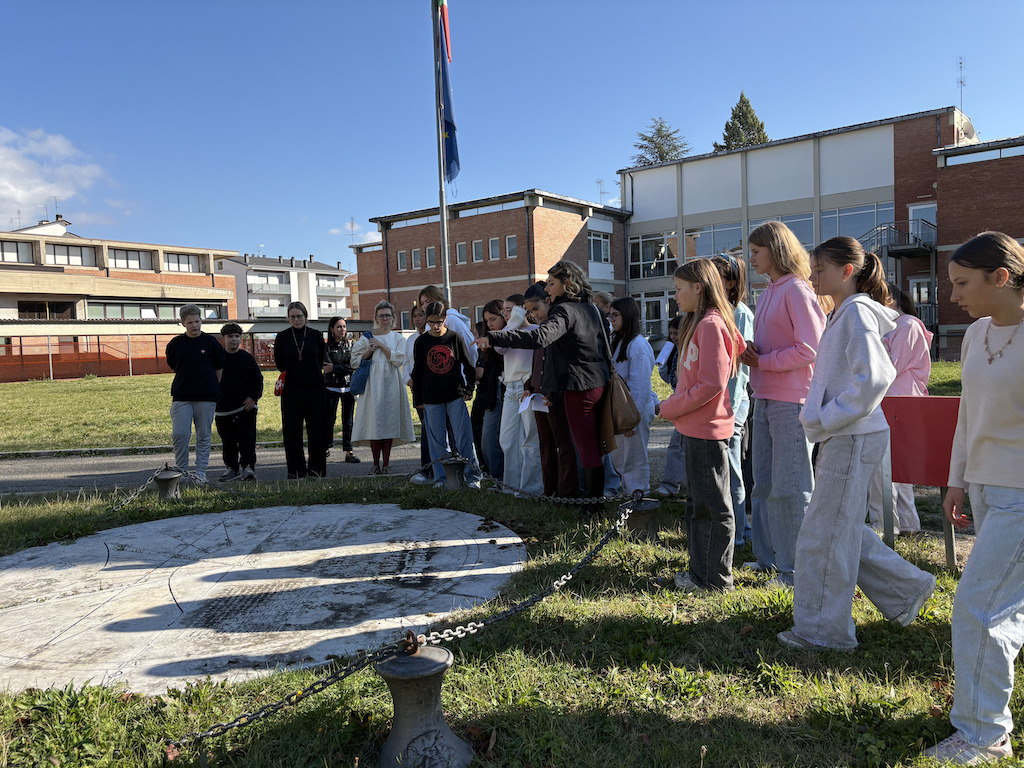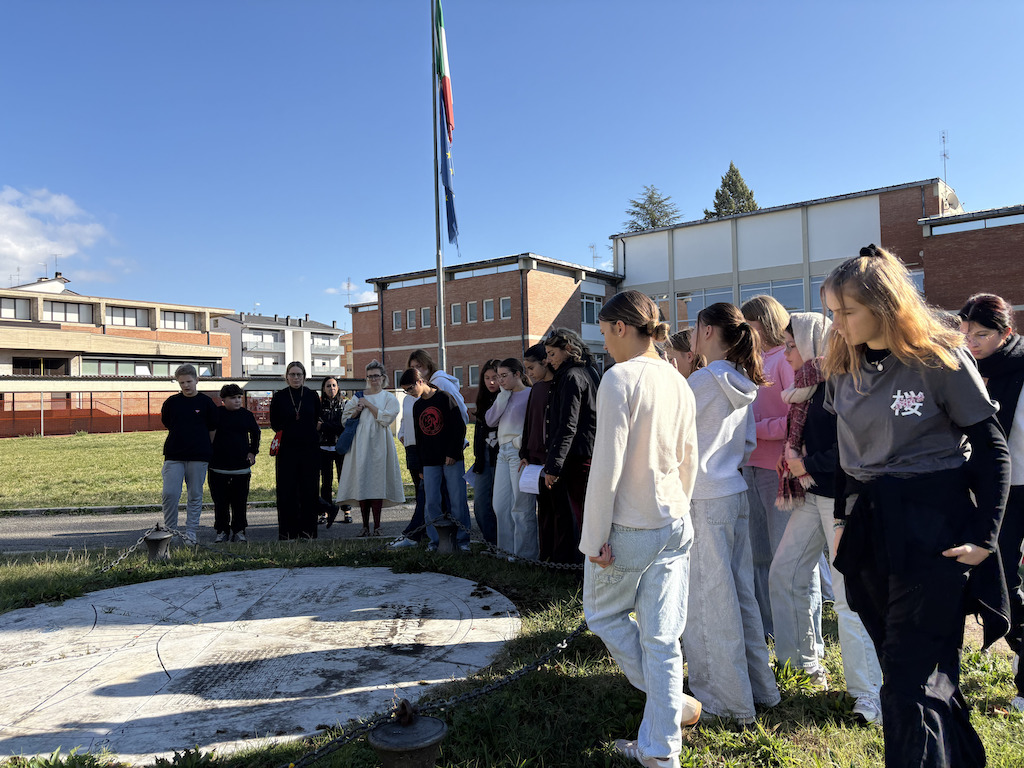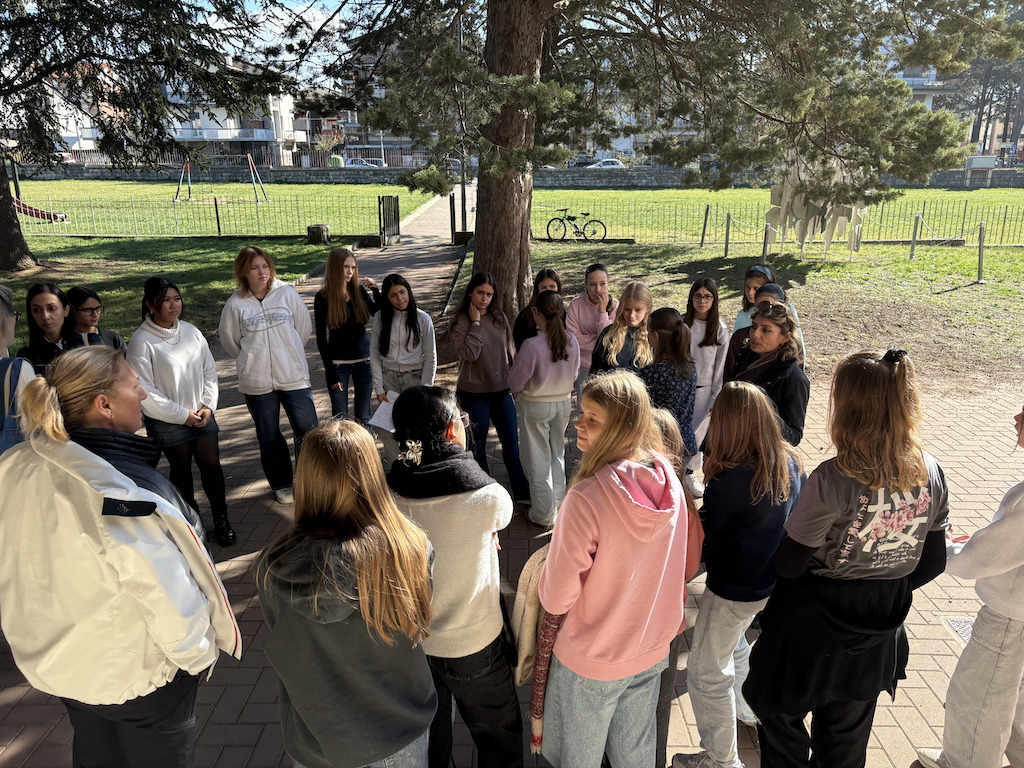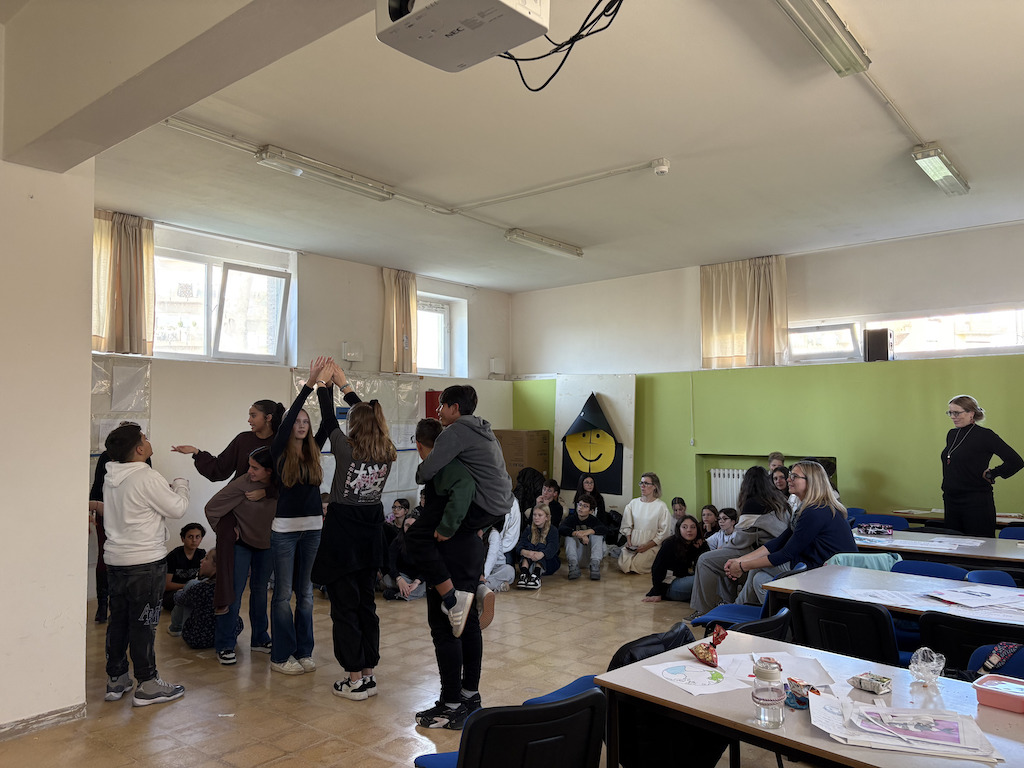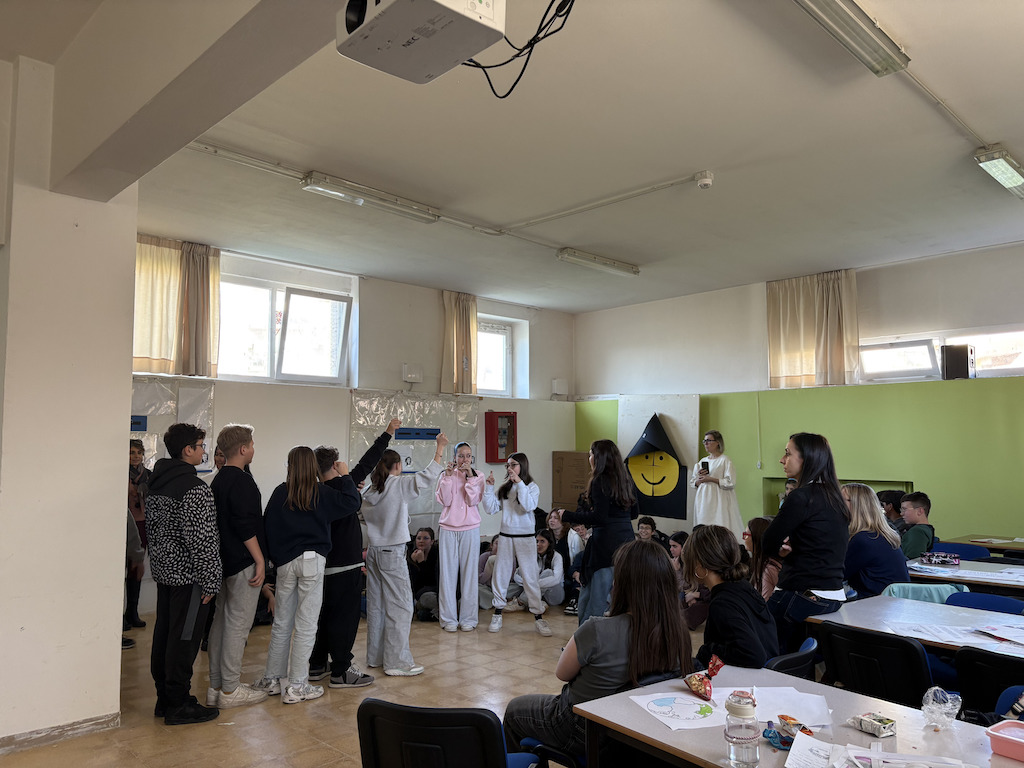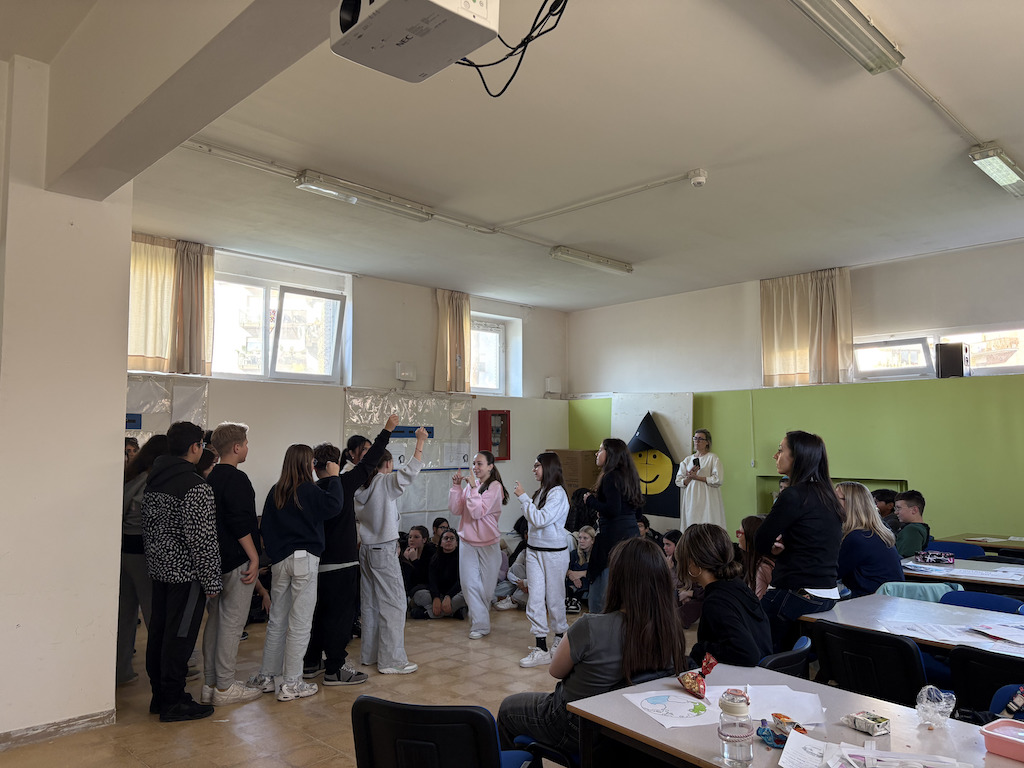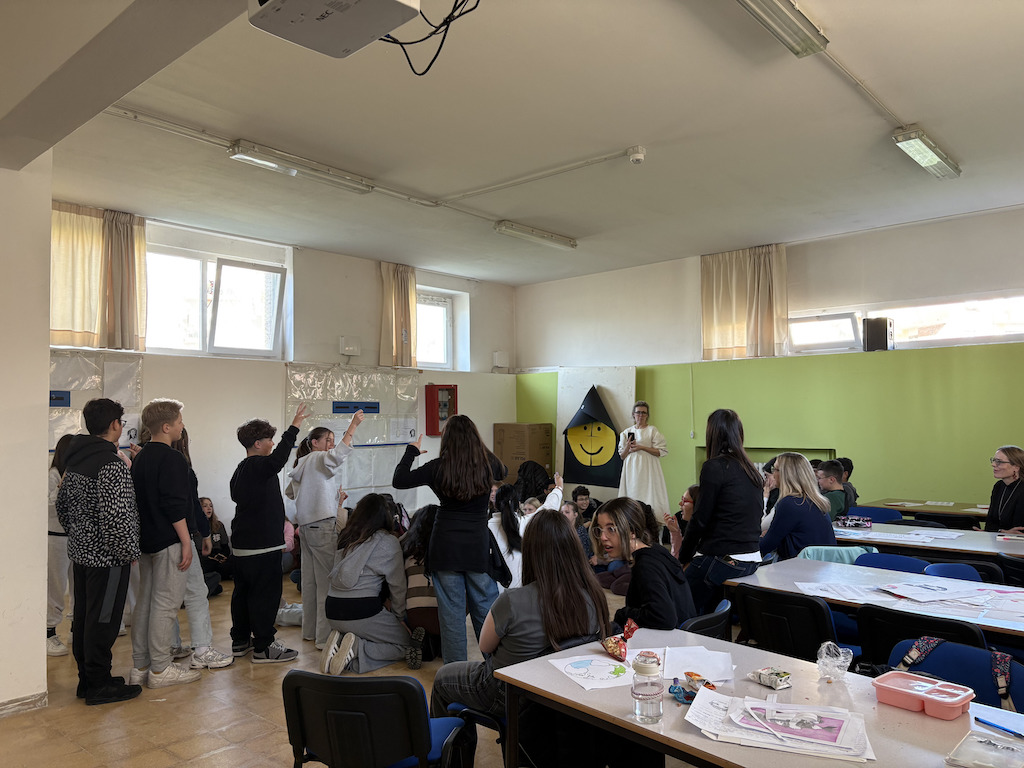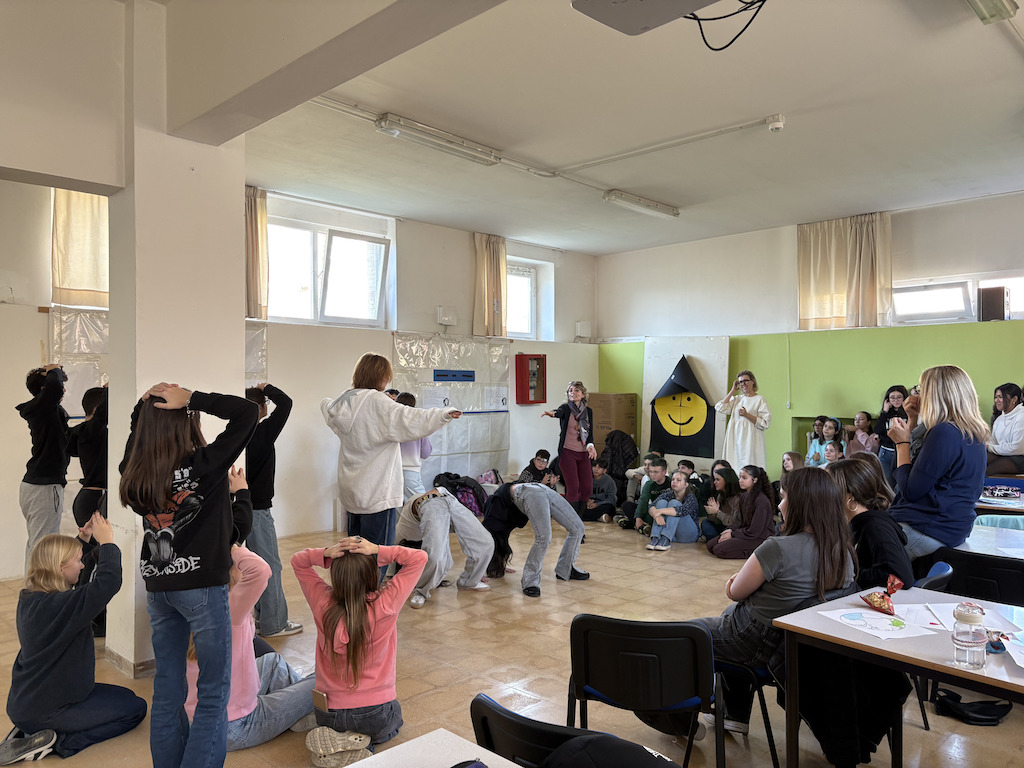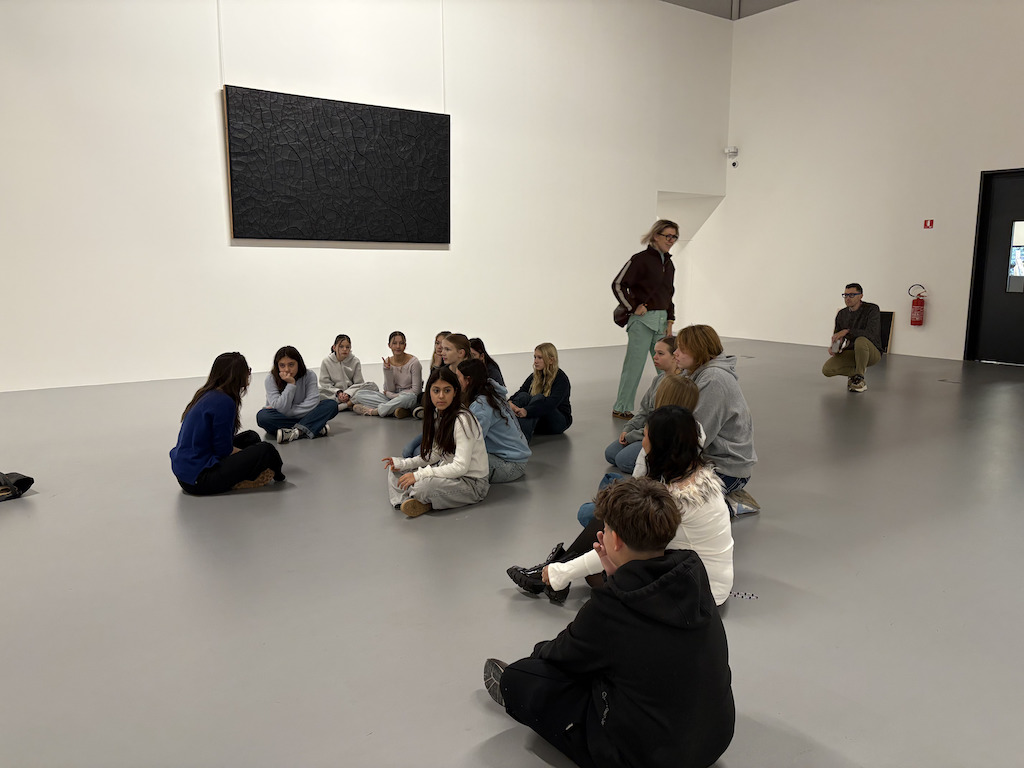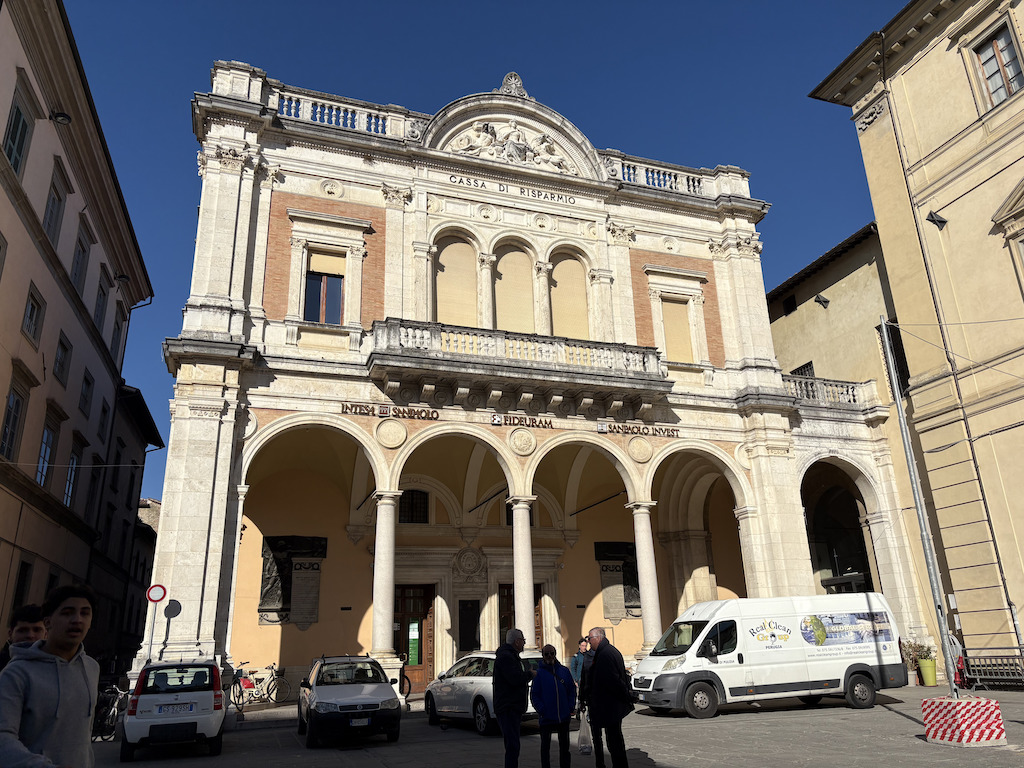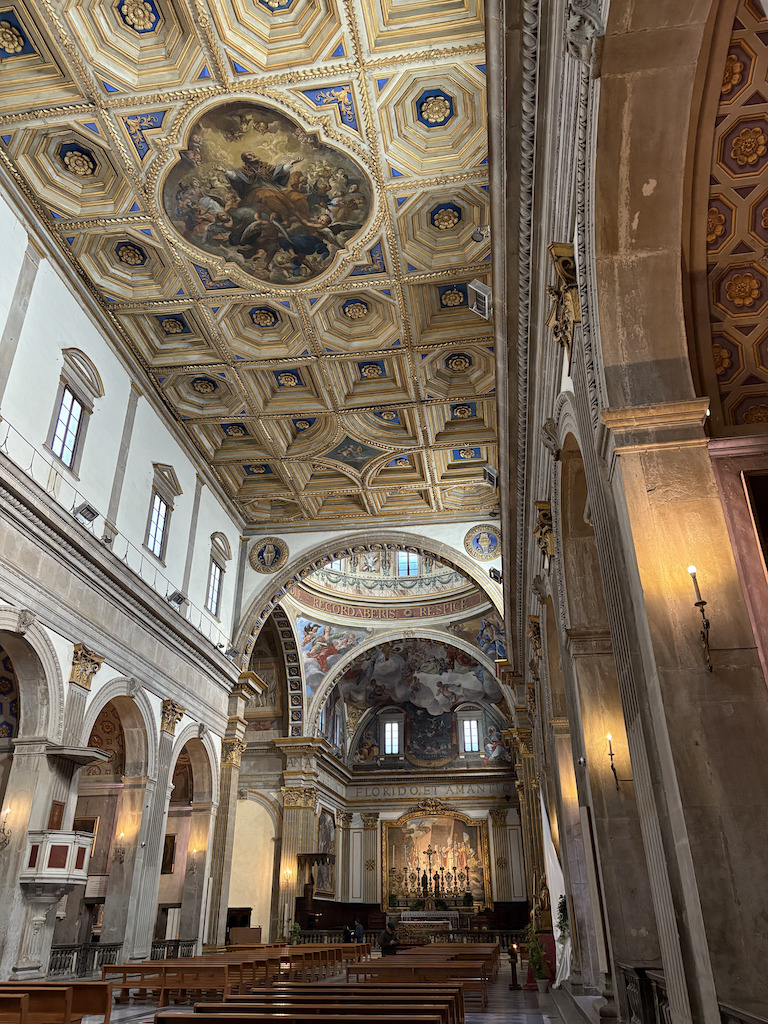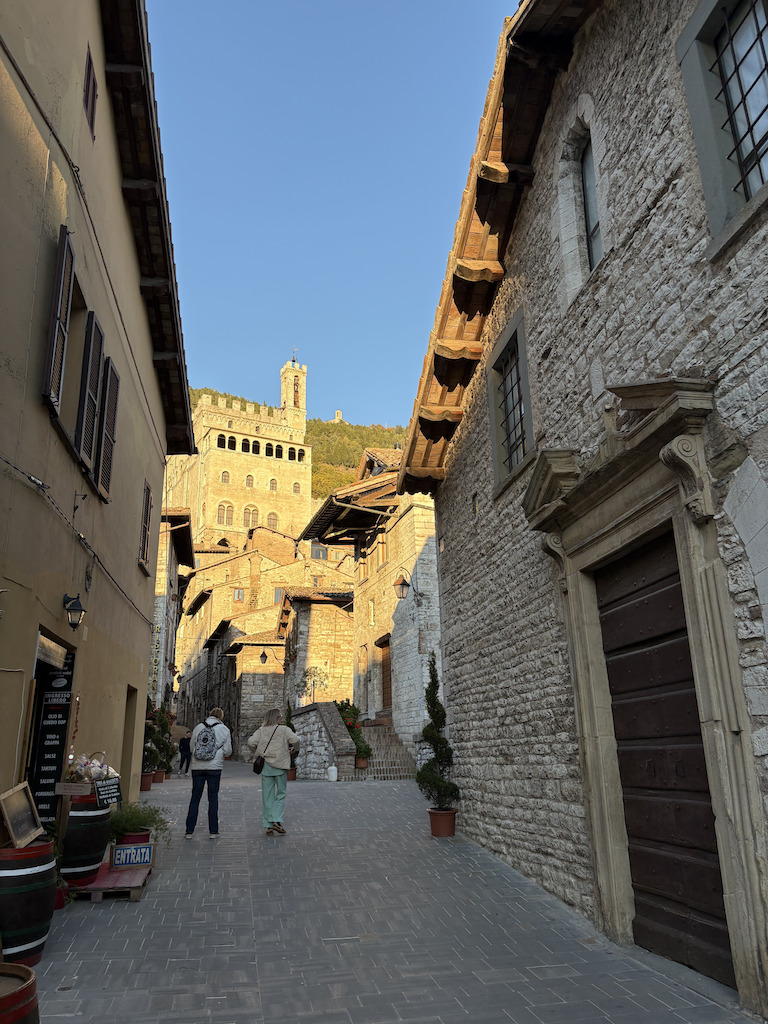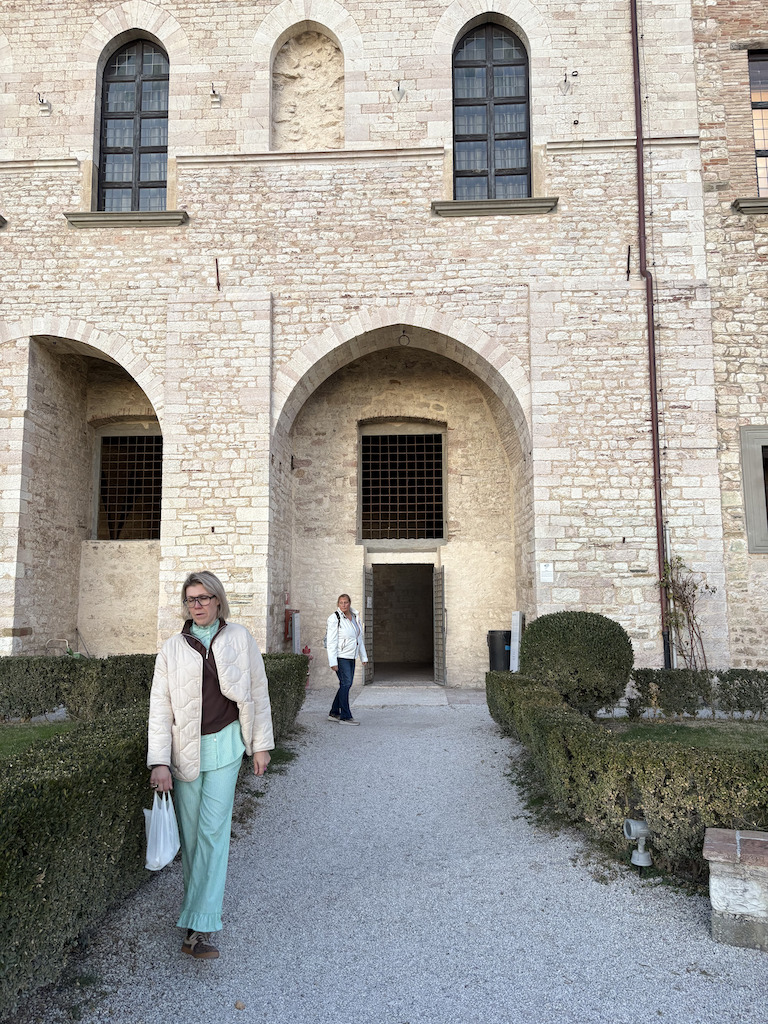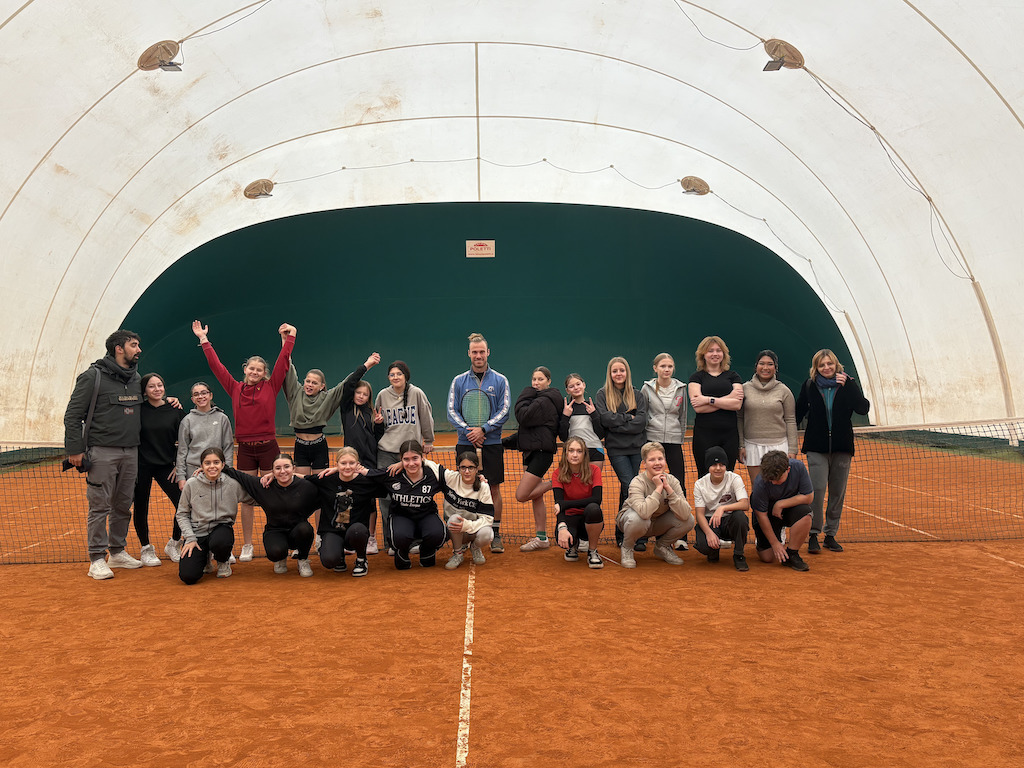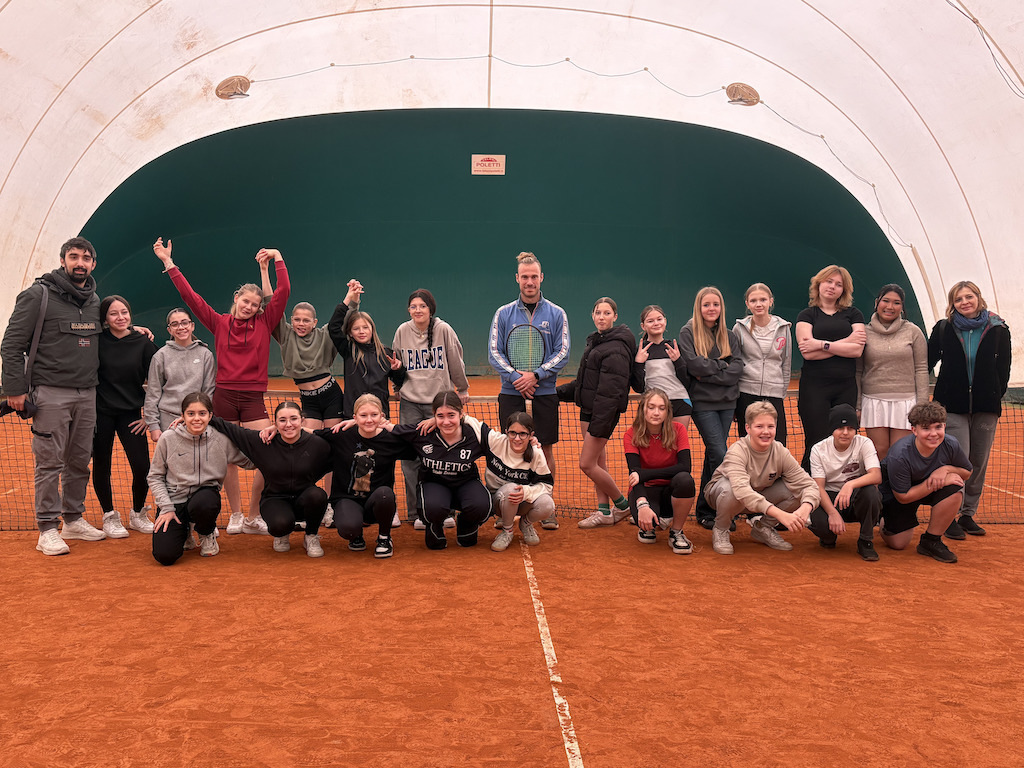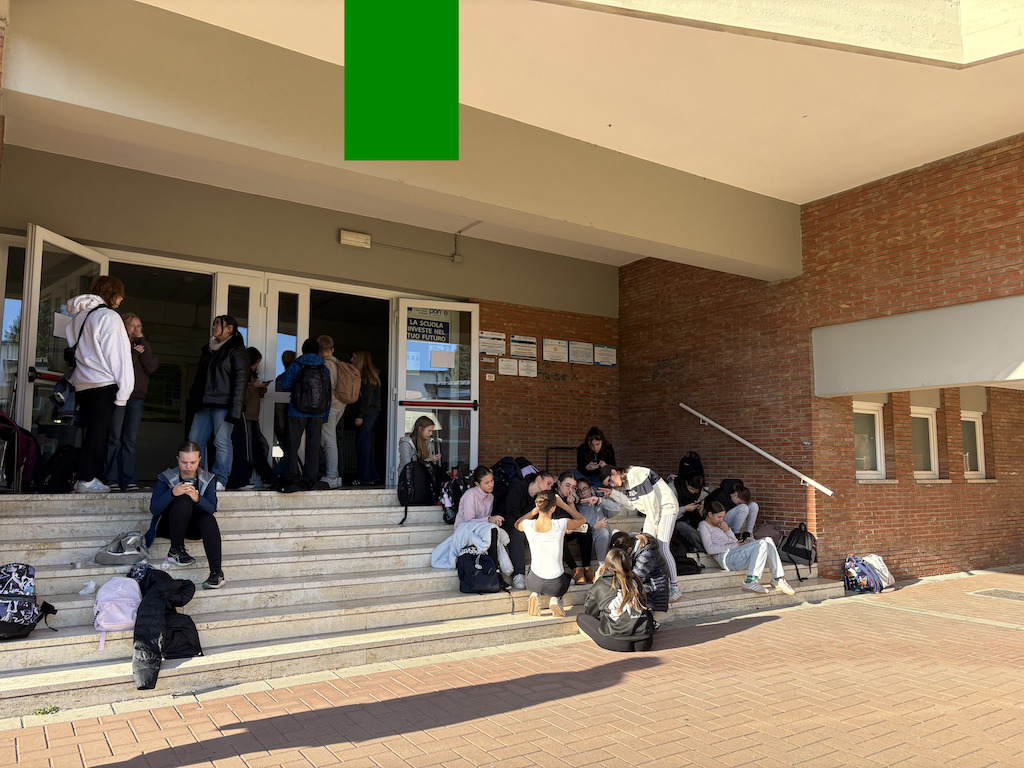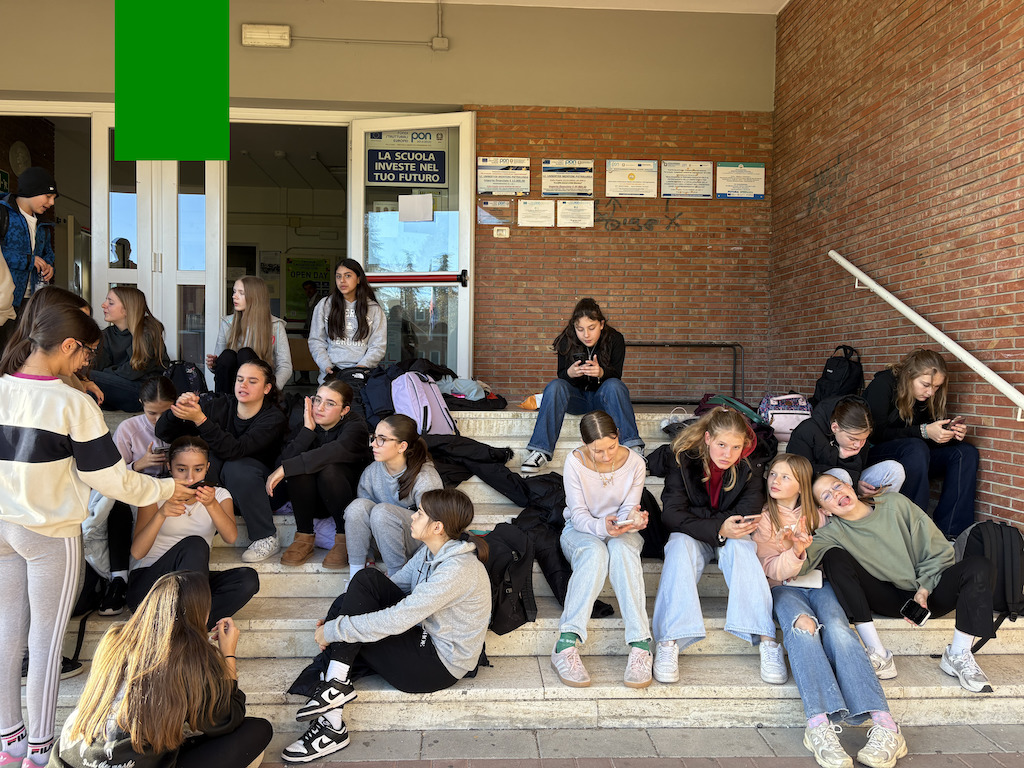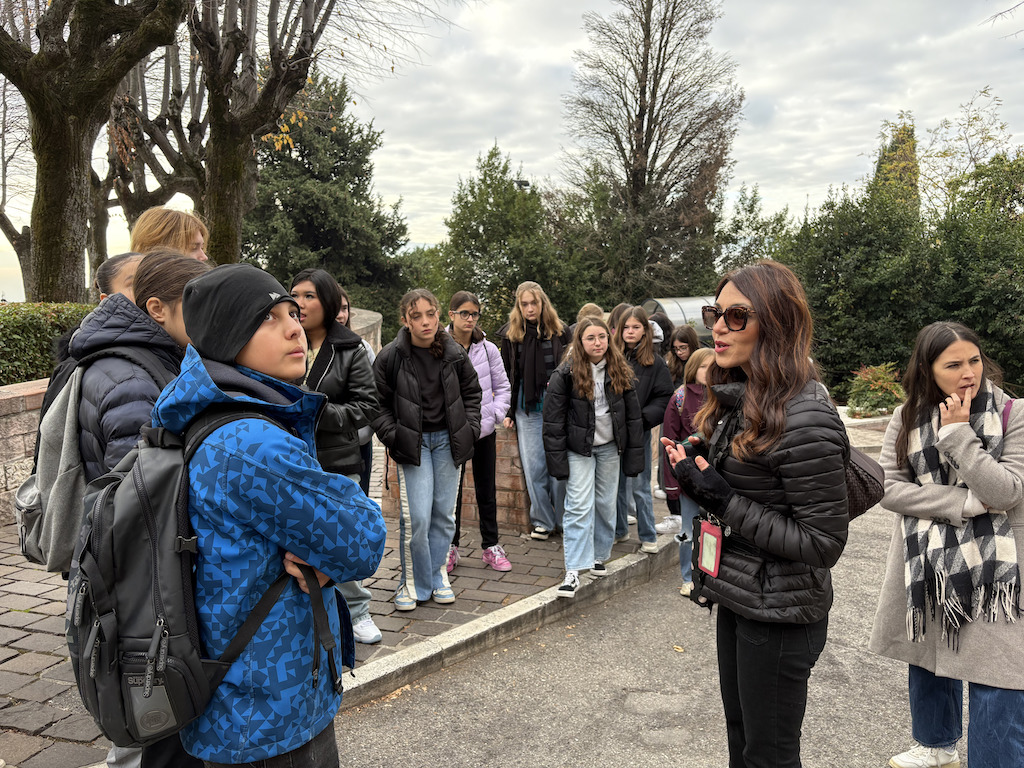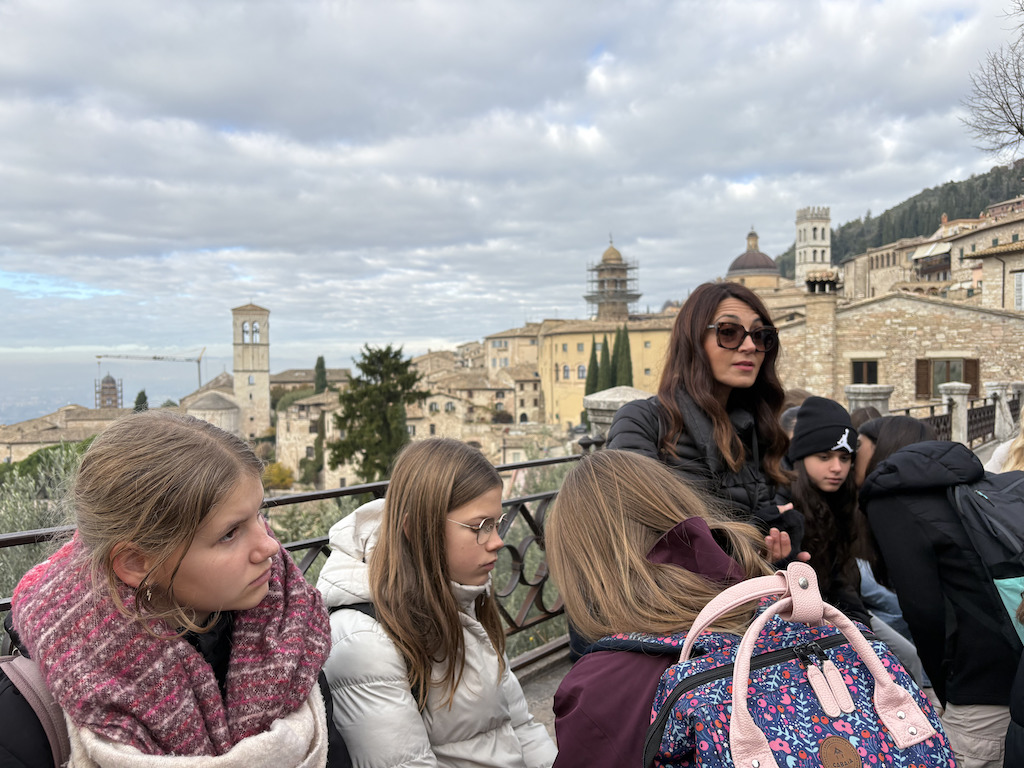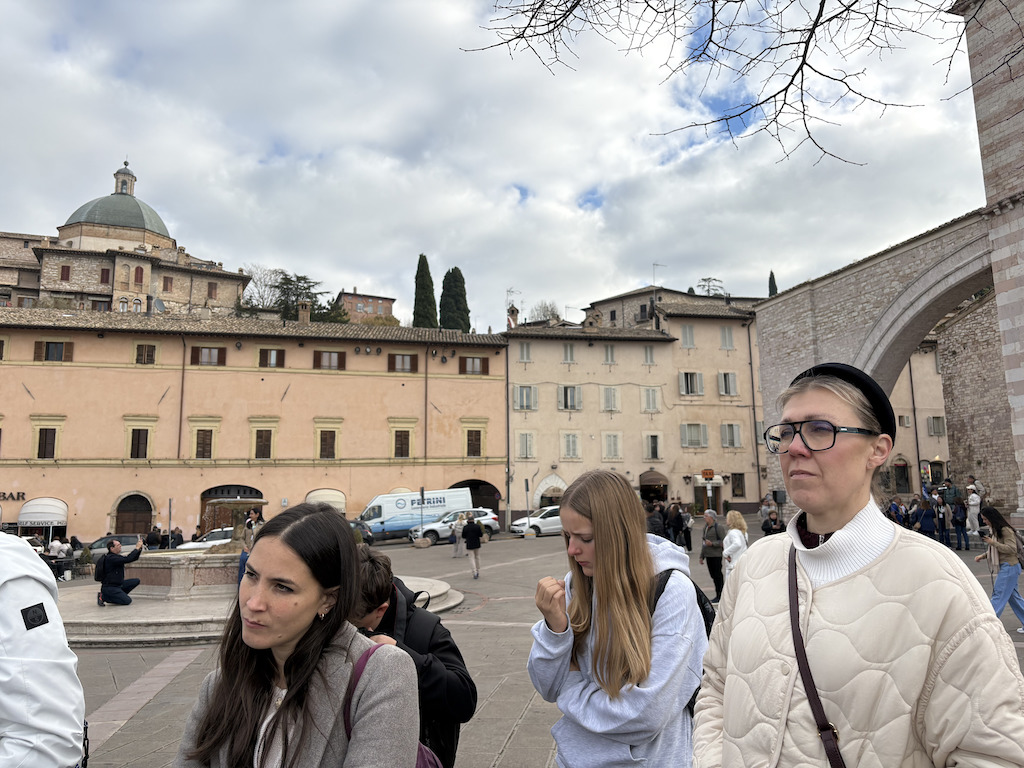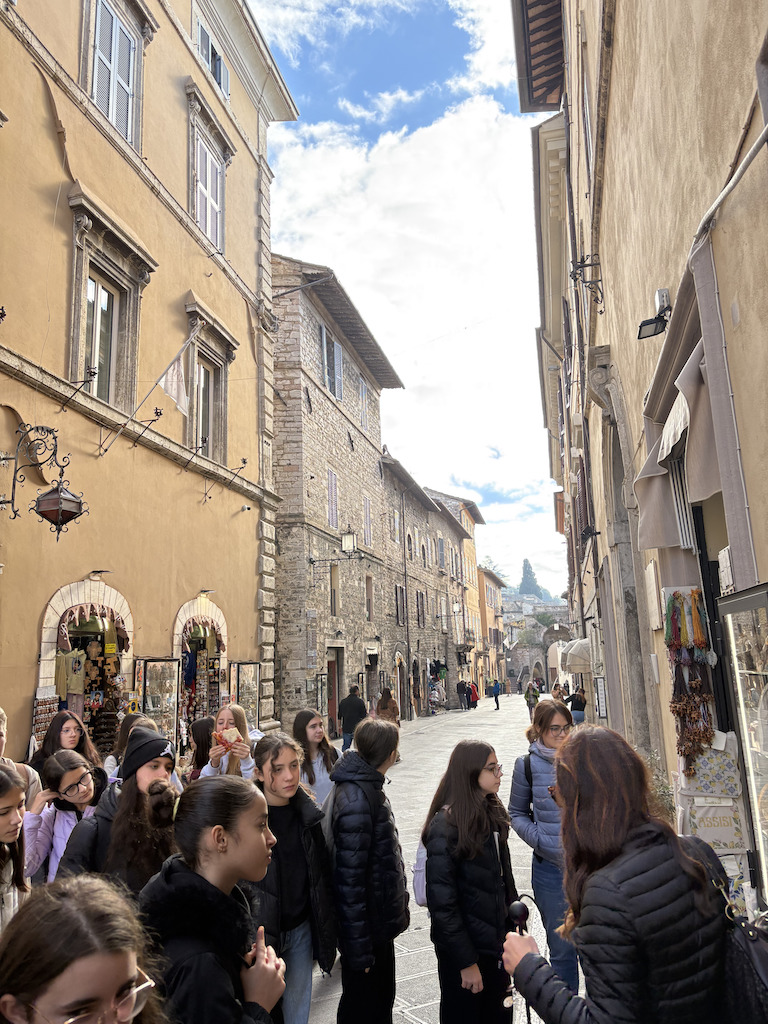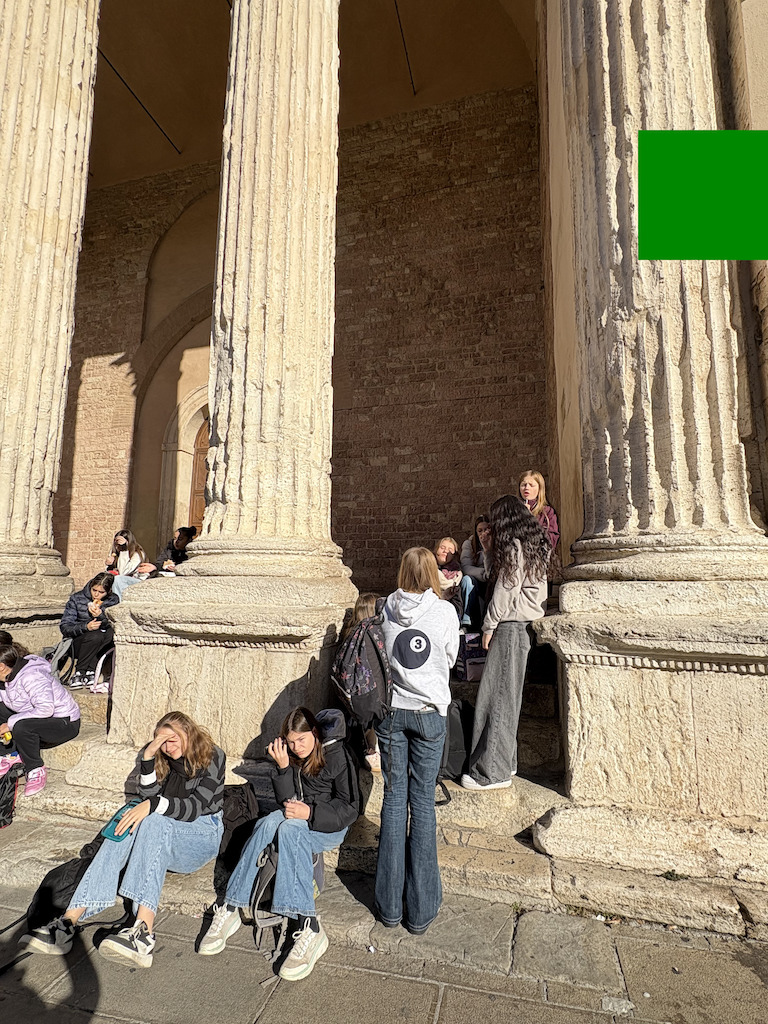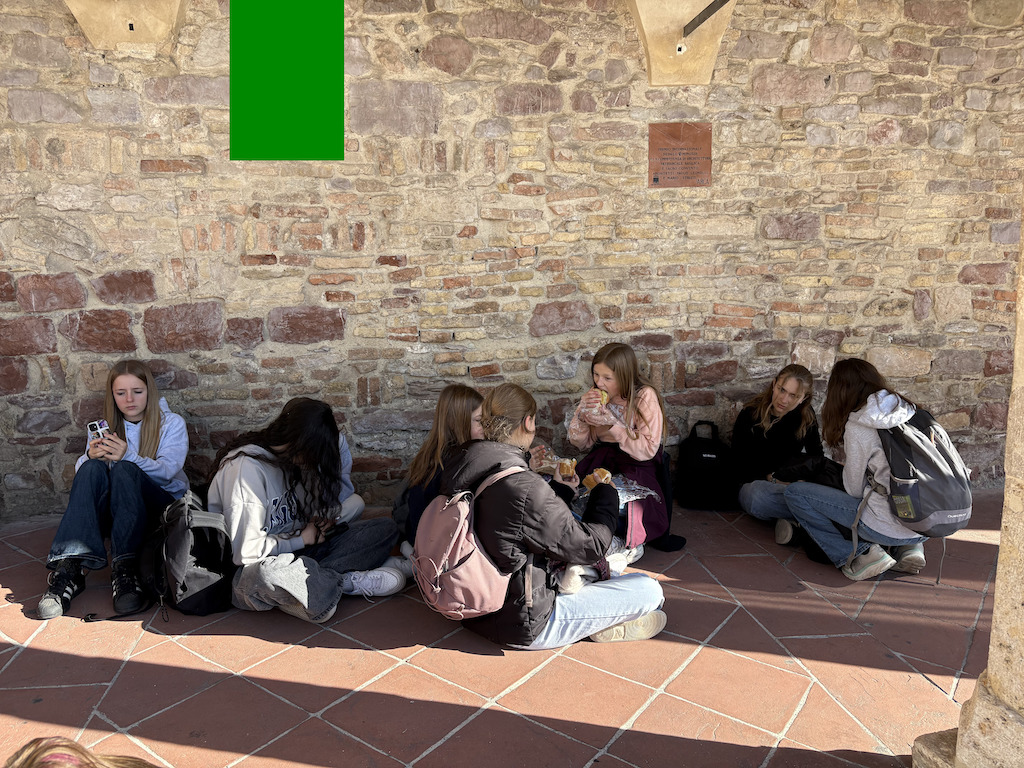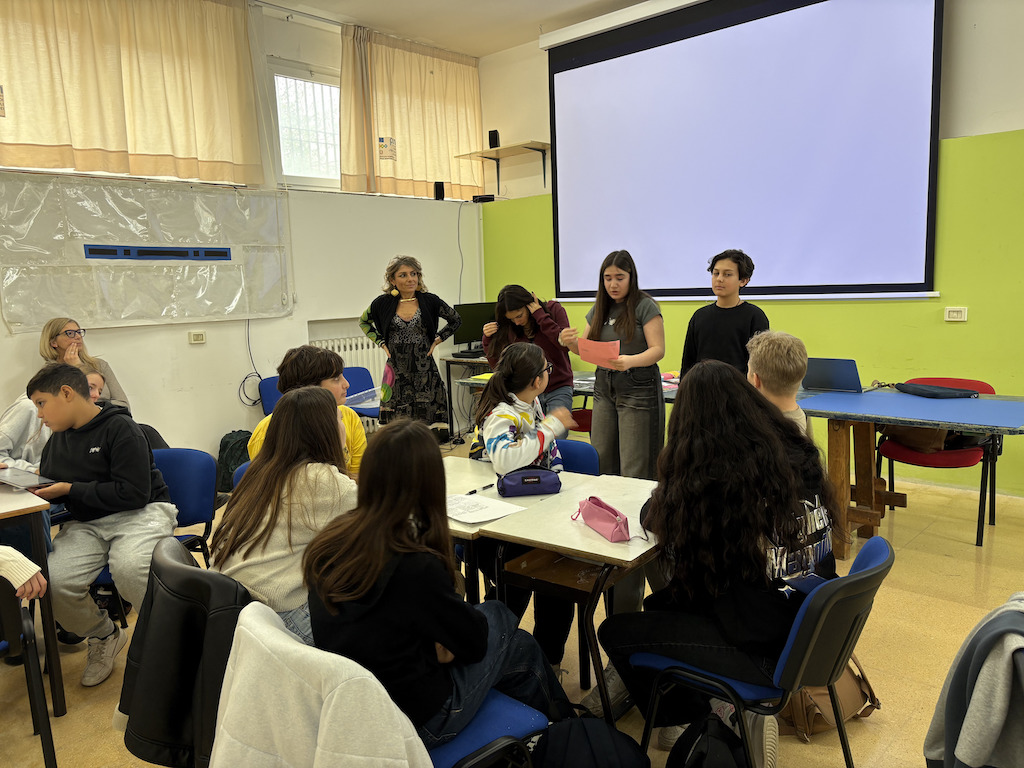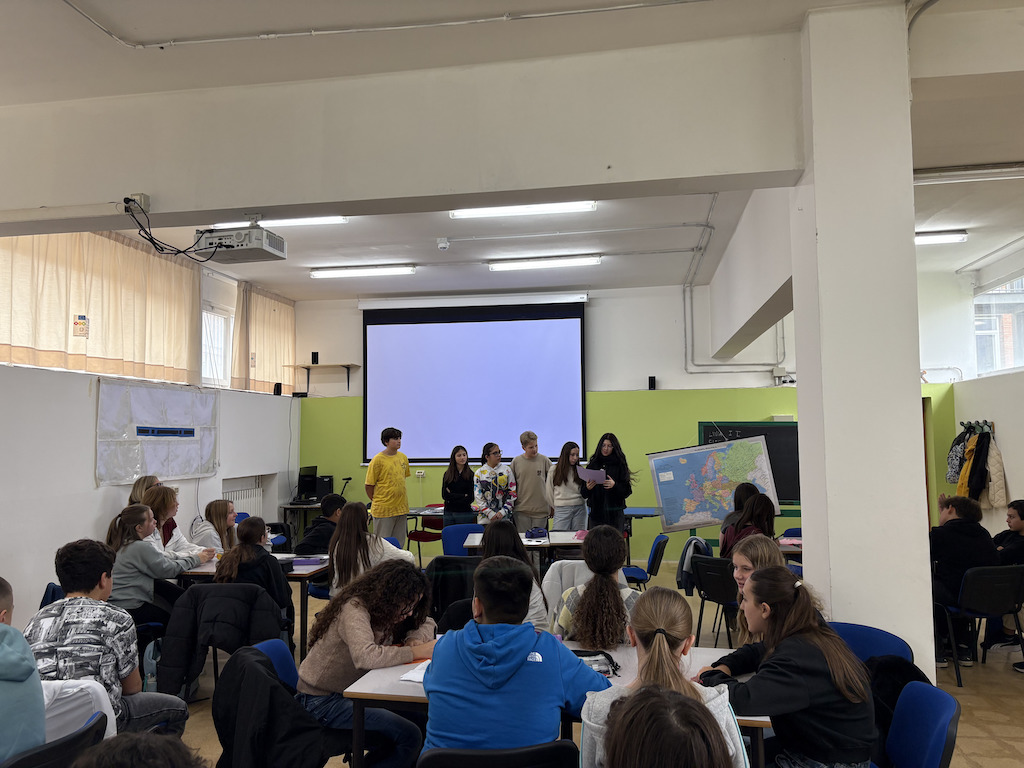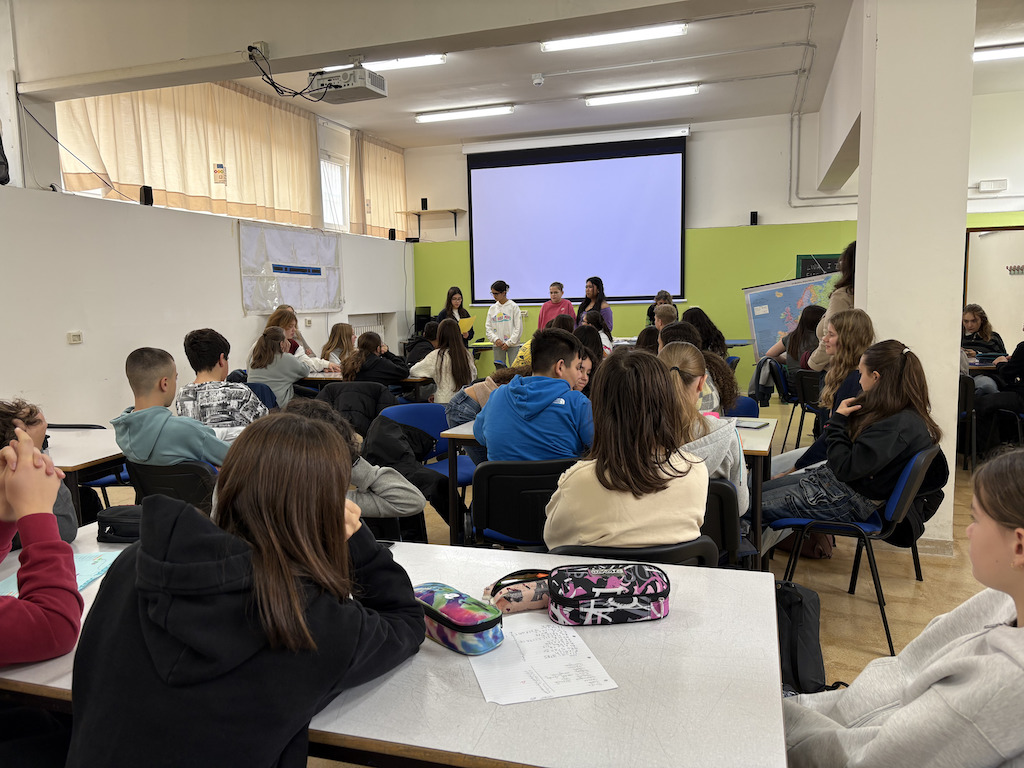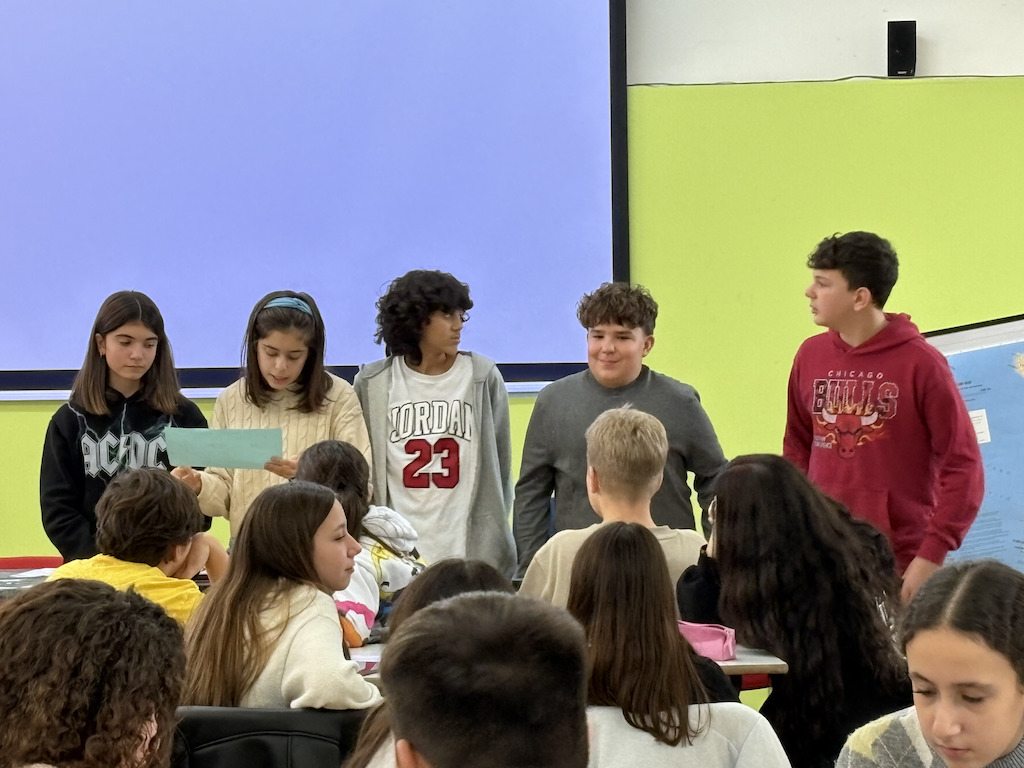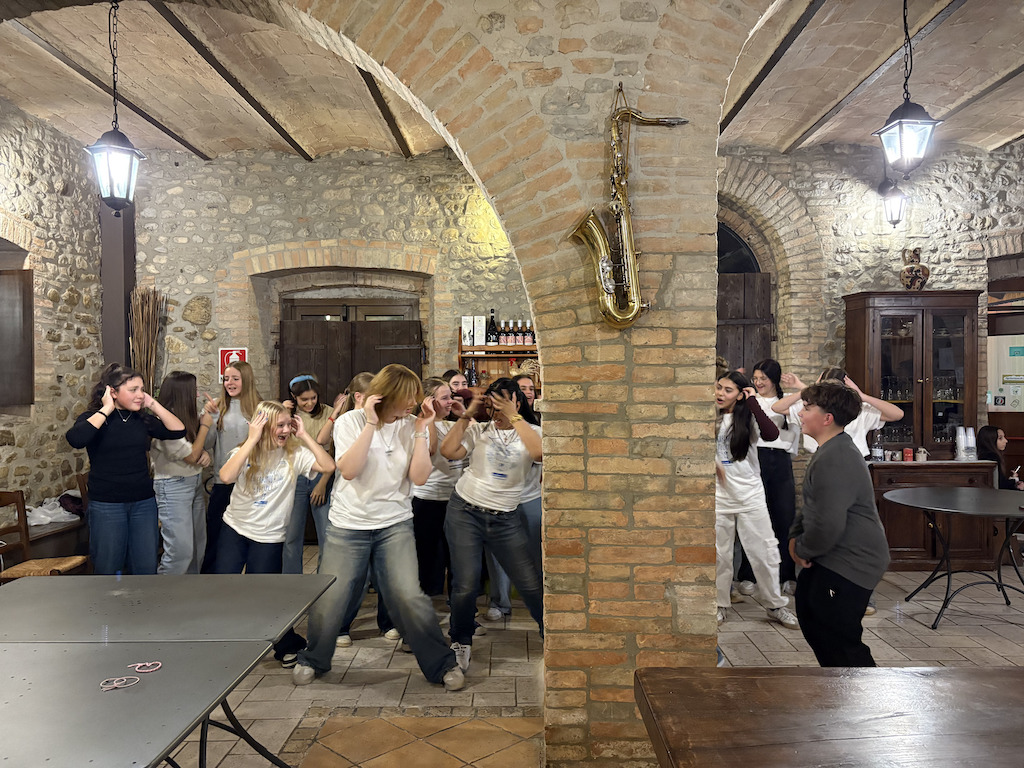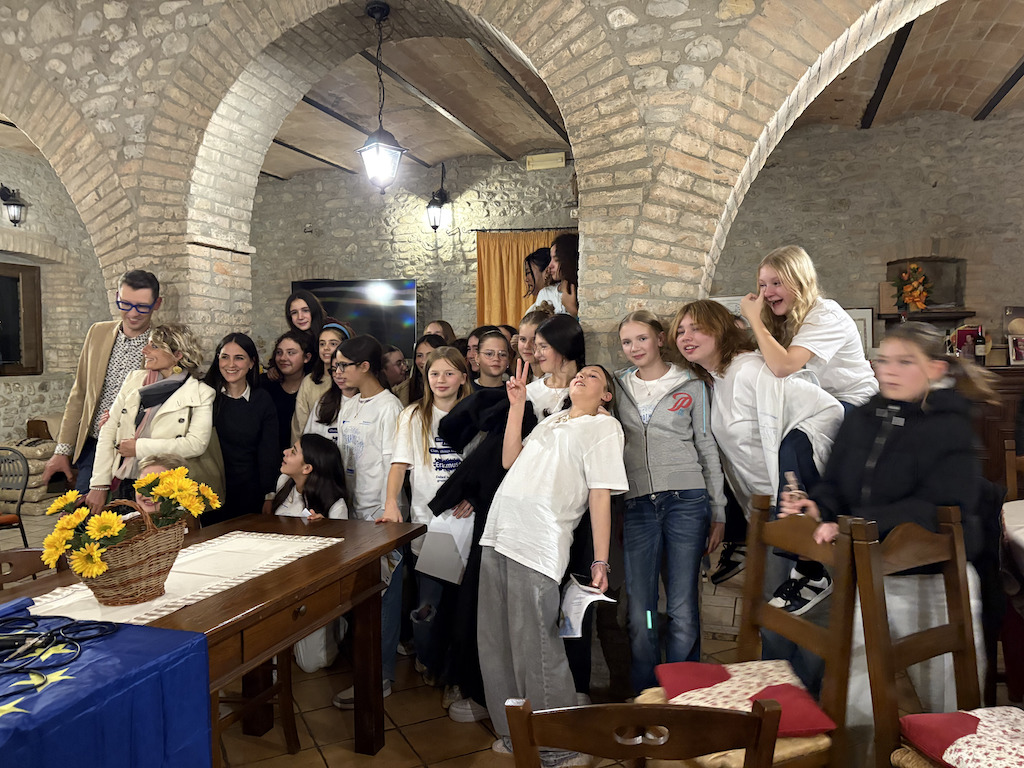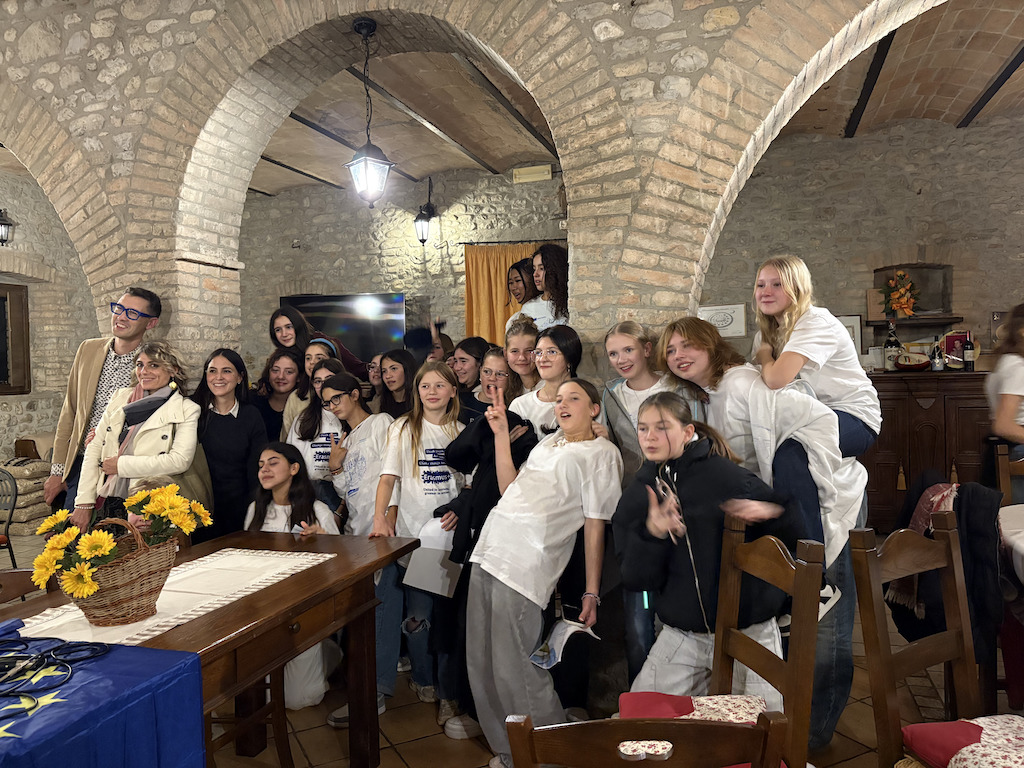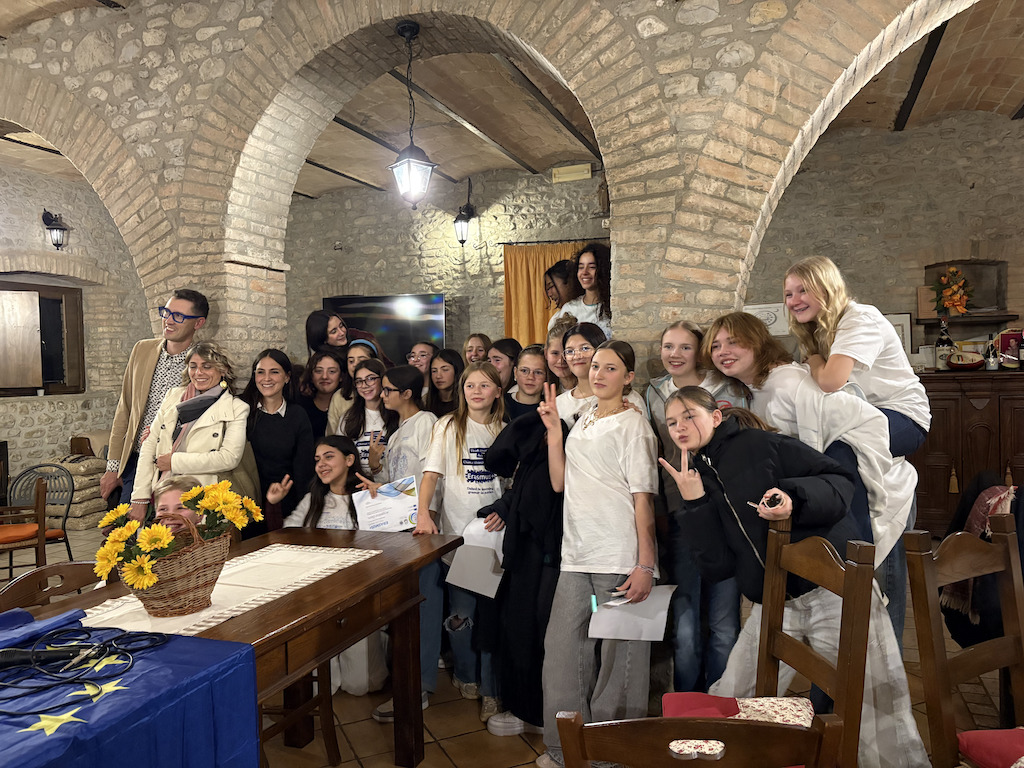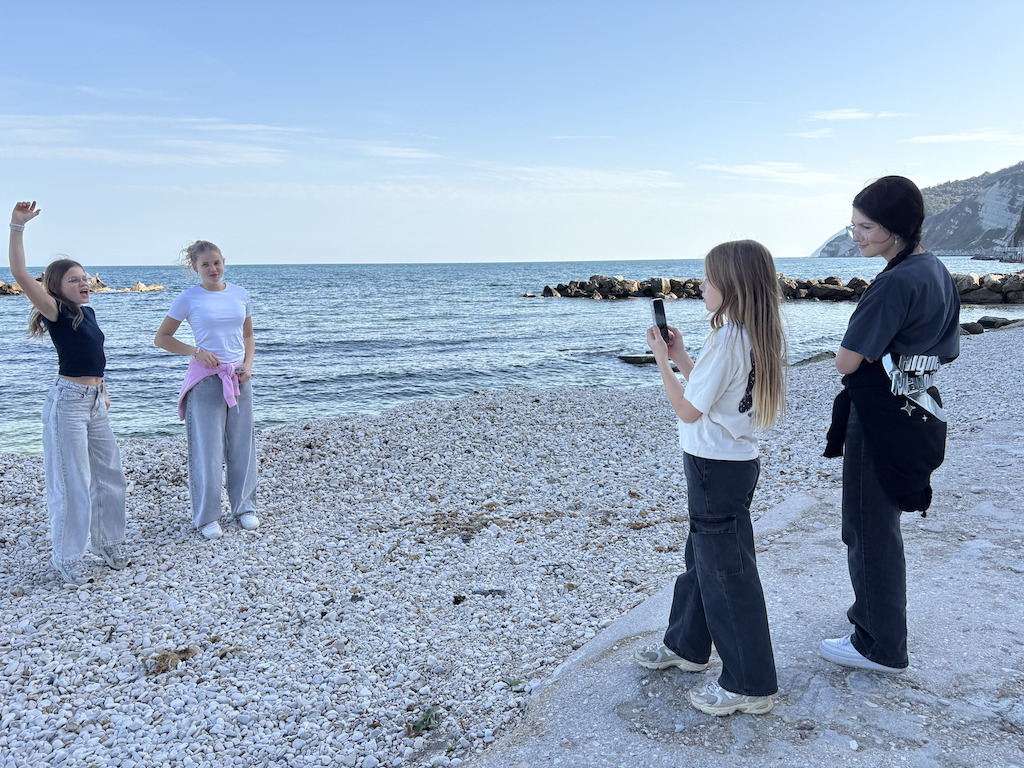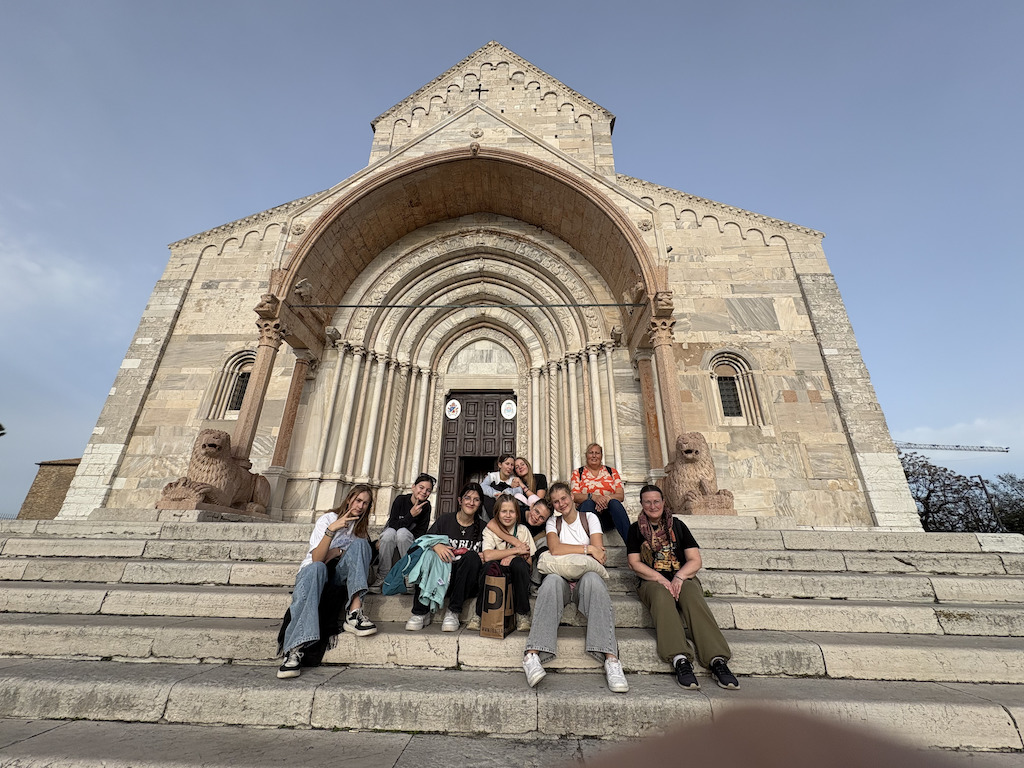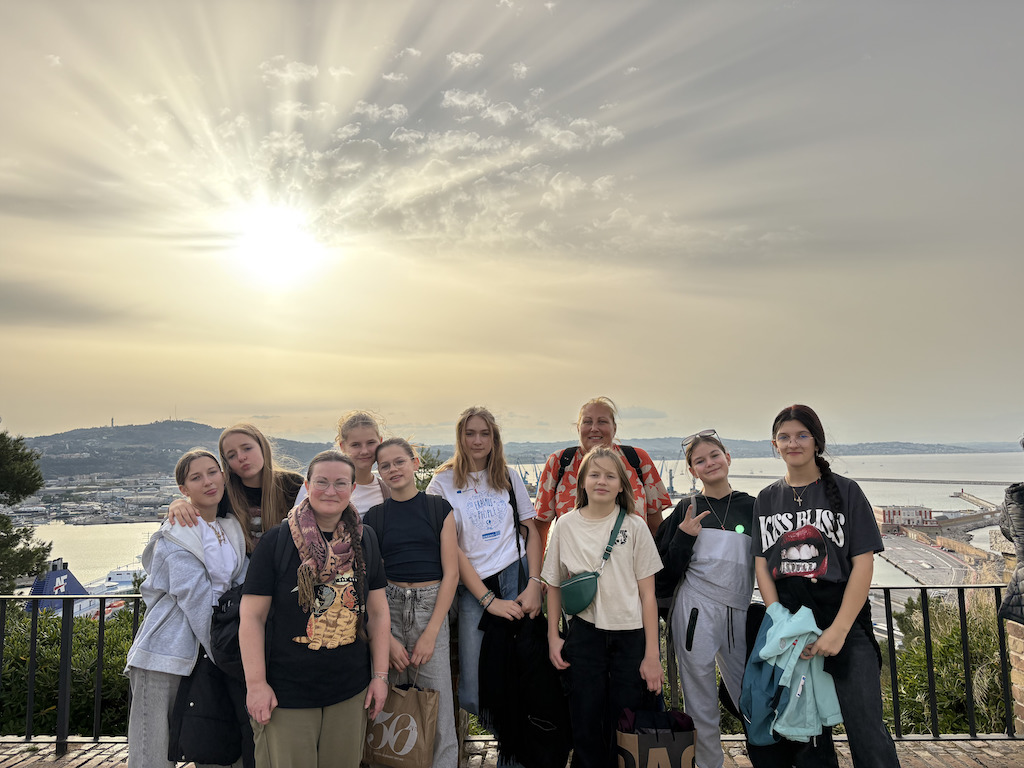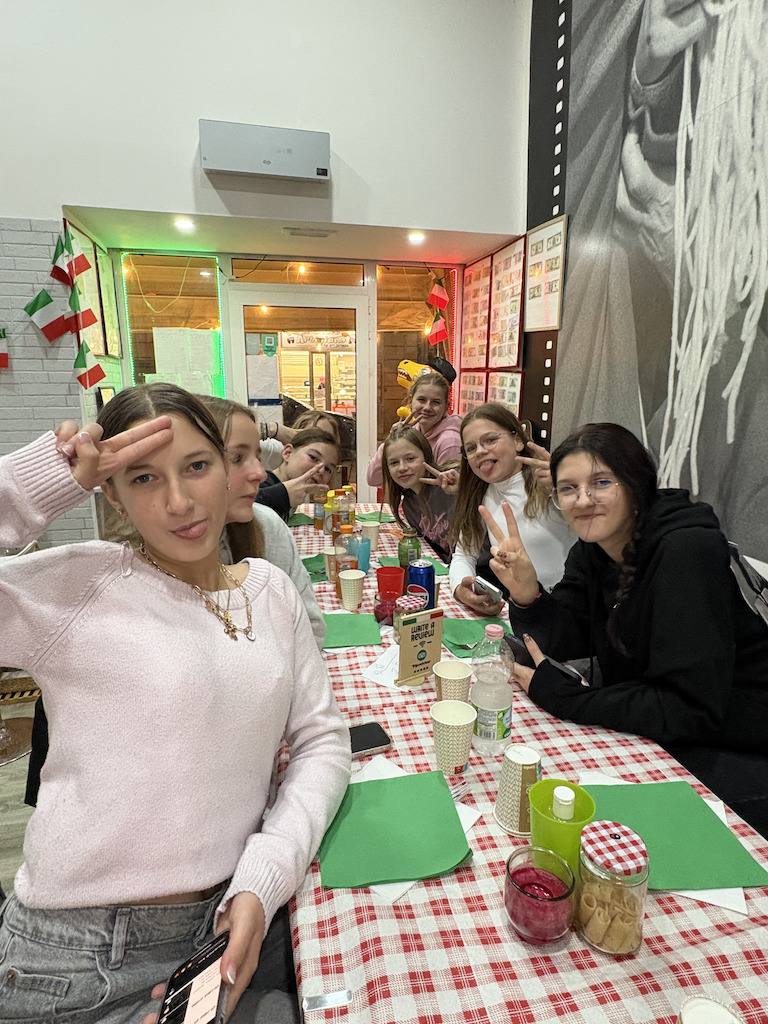
8 students + 2 teachers per partner participated in the 2nd project mobility in Umbertide from the 9th to the 14th November.
The activity is focused on the development of soft skills for active citizenship. Students enjoyed lessons in italian language, workshops, role games, laboratories, cultural visits and geoup works. Teachers had the opportunity to have full immersion in the Italian school system, discovering inclusive strategies, policies and activities.
Mobility report
The activity is focused on the development of soft skills for active citizenship. Students enjoyed lessons in Italian language, workshops, role games, laboratories, cultural visits and group works. Teachers had the opportunity to have full immersion in the Italian school system, discovering inclusive strategies, policies and activities.
Monday, November 10
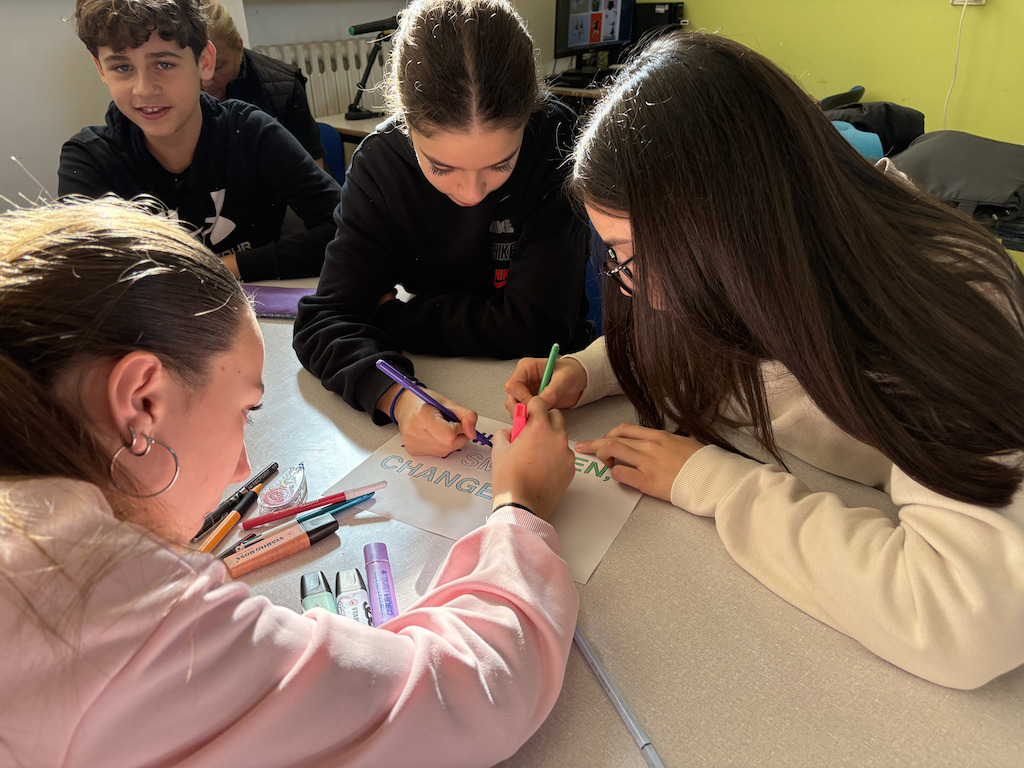
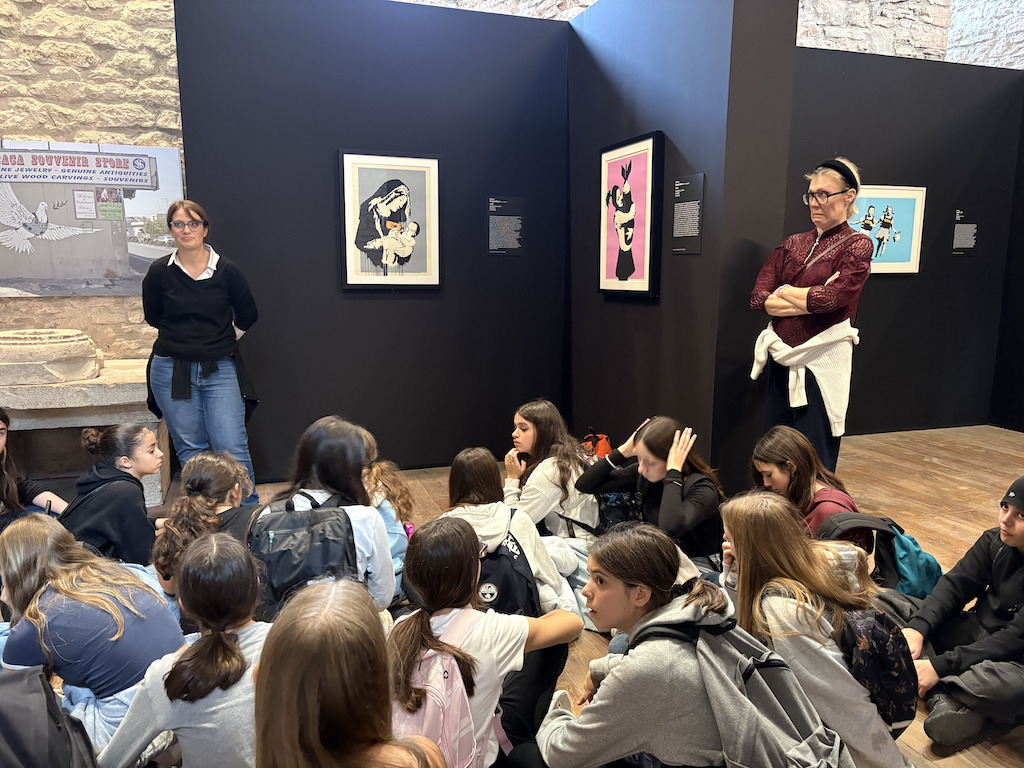
The school experience kicks off with an official welcome ceremony. The first few hours are dedicated to ice-breaking activities and a guided tour of the school conducted in English. The students show great initiative right away, participating cheerfully in games and displaying a keen interest in the school environment. Later in the day, the program features two specific workshops. The first is an art workshop where students can unleash their creativity by coloring screen prints inspired by the works of Banksy—an activity that blends art with reflection. The second is a theatrical improvisation workshop; through role-playing games and spontaneous performances, it fosters personal expression and further breaks down linguistic and cultural barriers. Both sessions are met with enthusiasm and an eagerness to engage by the international students. Teachers met the Italian responsible for social inclusion who introduced them to the Italian Inclusive School System. They had the opportunity to share best practices and see how Italy (one of the first countries in the world to adopt mainstream classes) deal with Special Educational Needs.
Tuesday, November 11
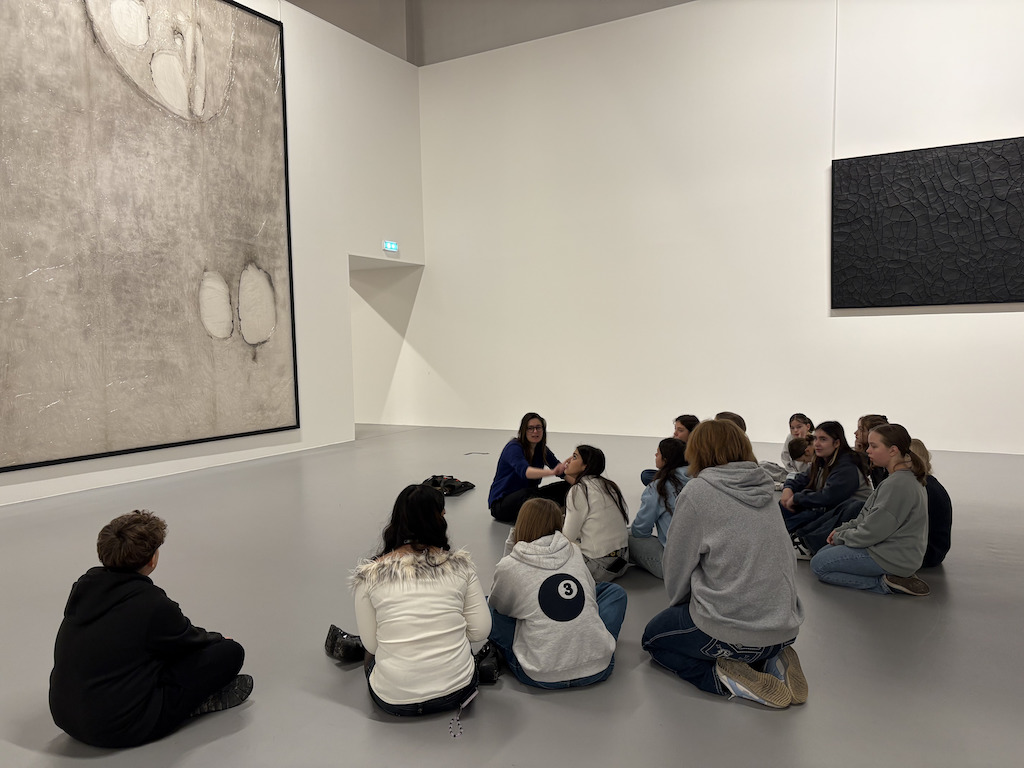
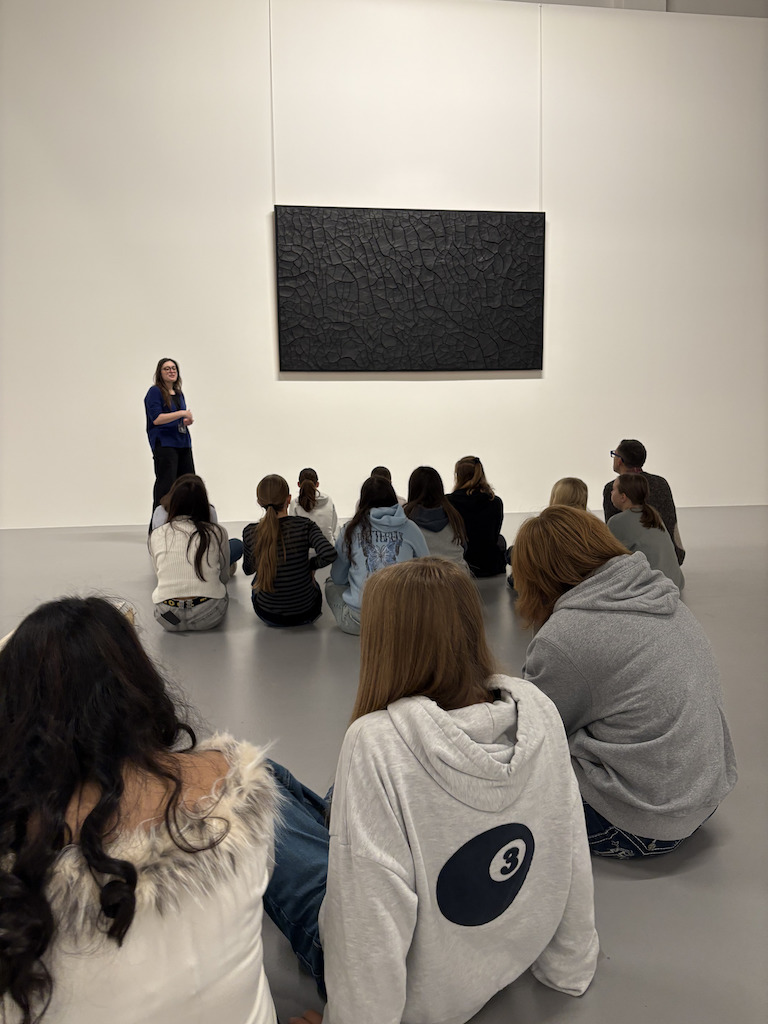
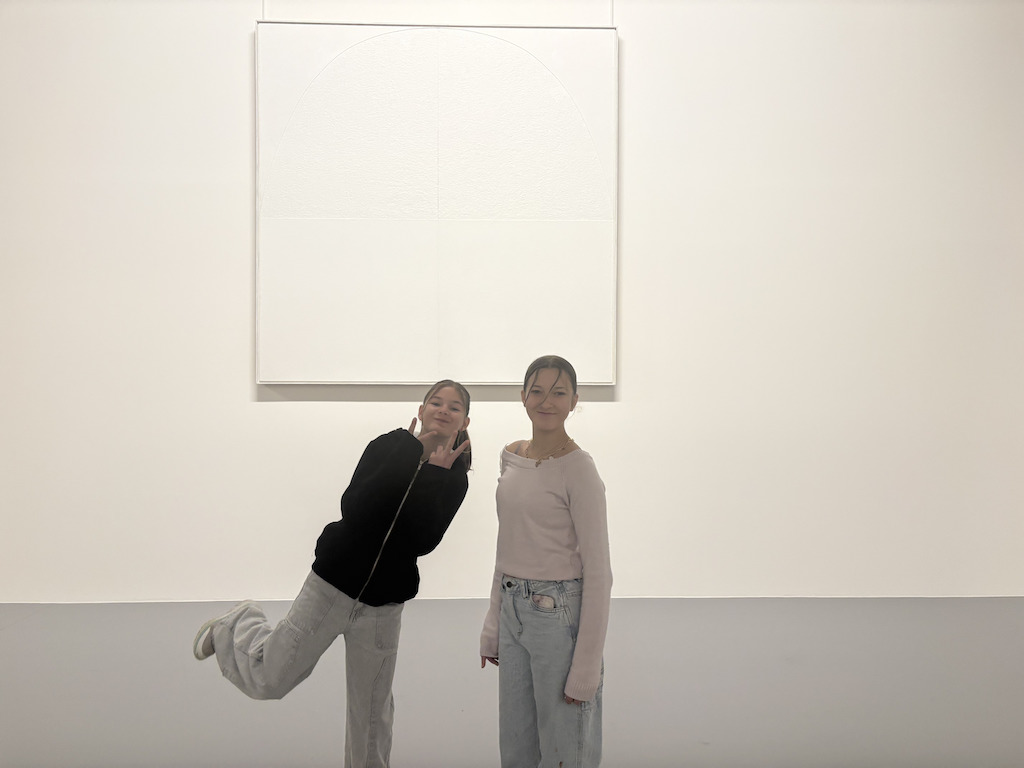
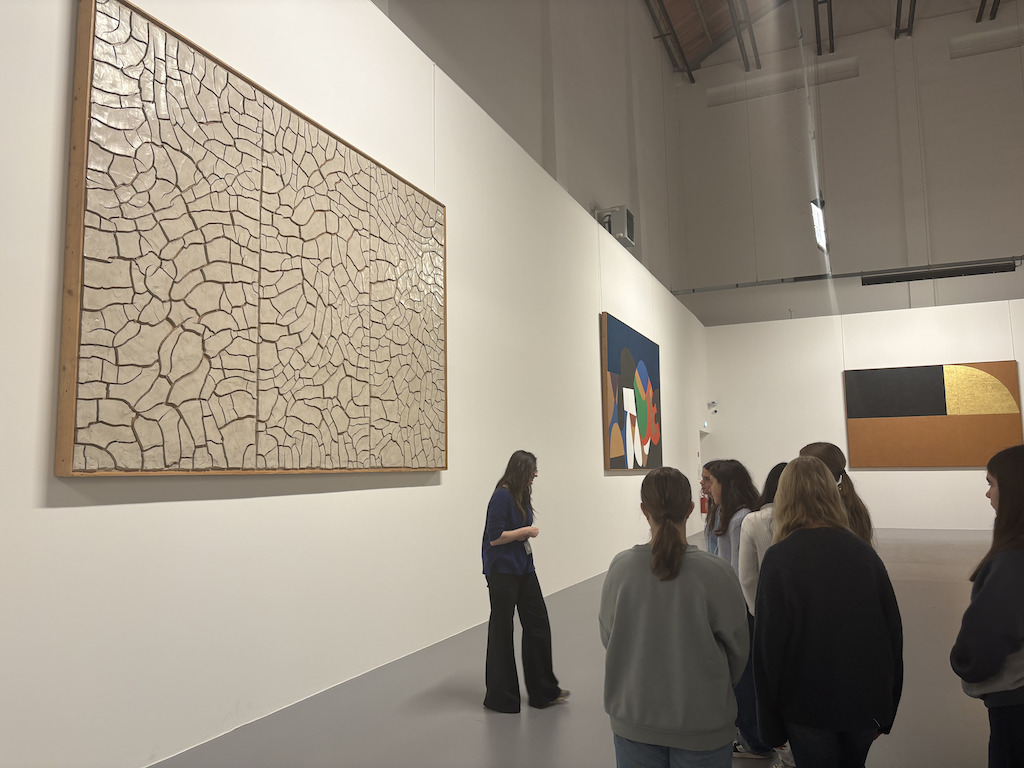
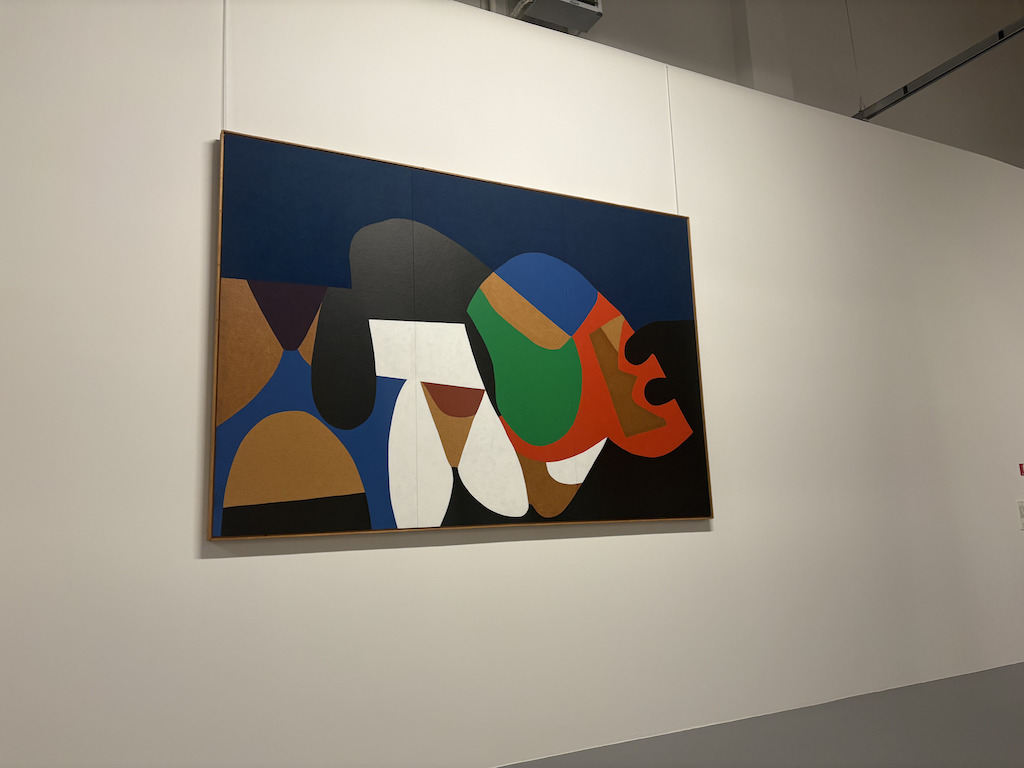
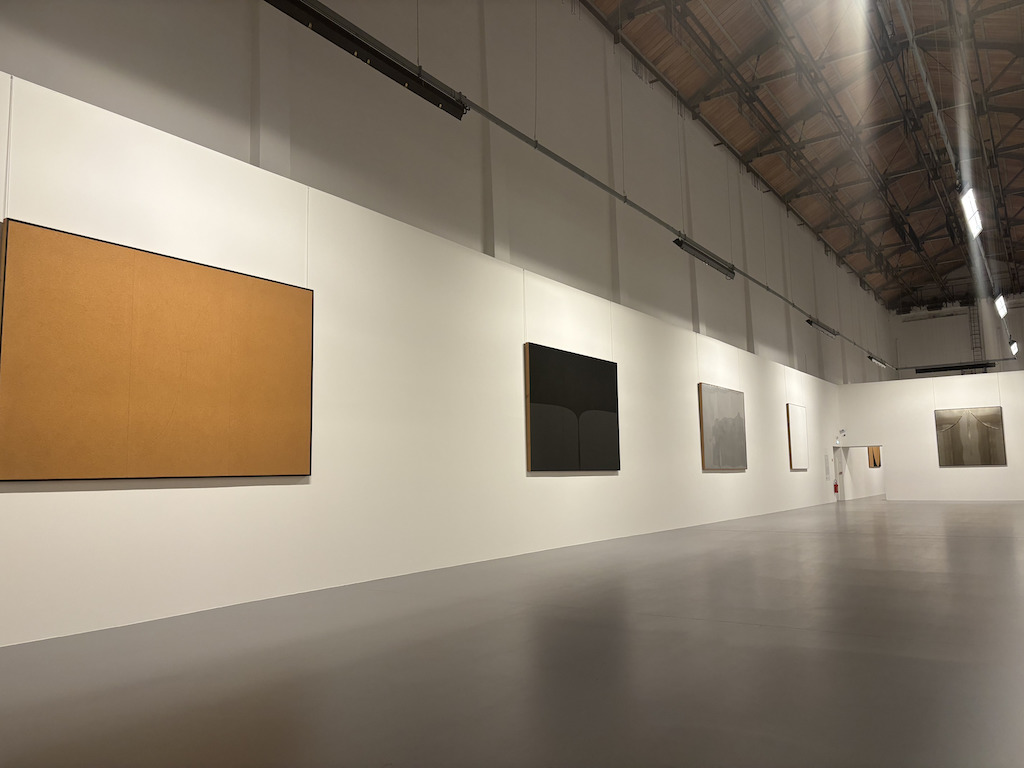
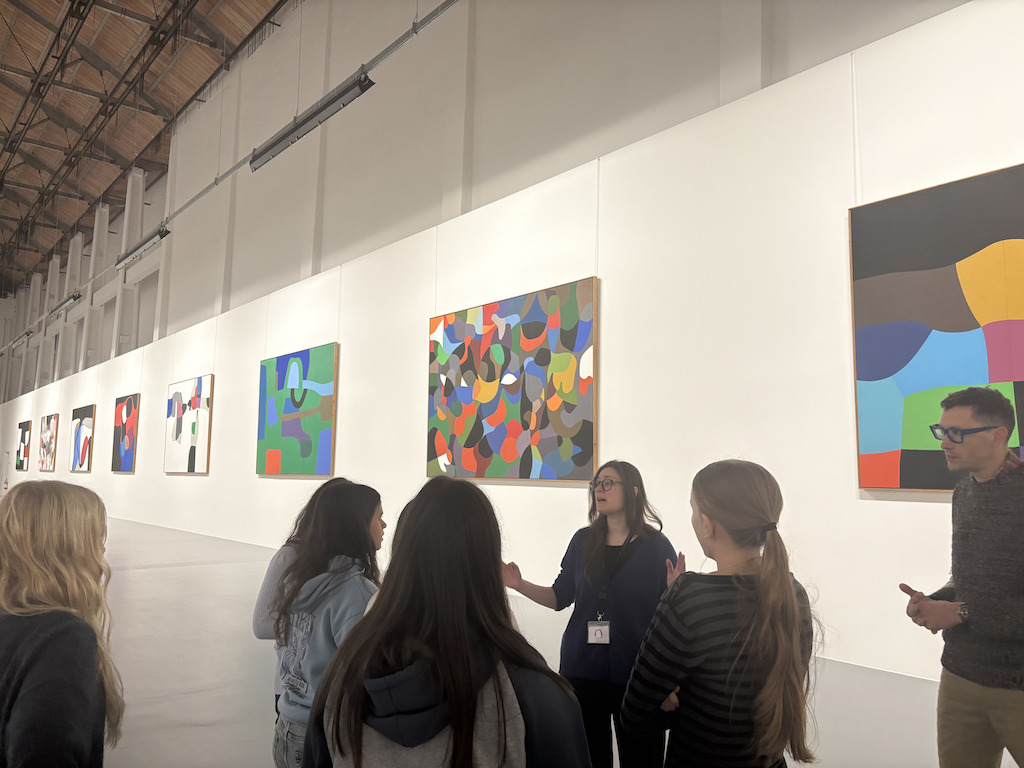
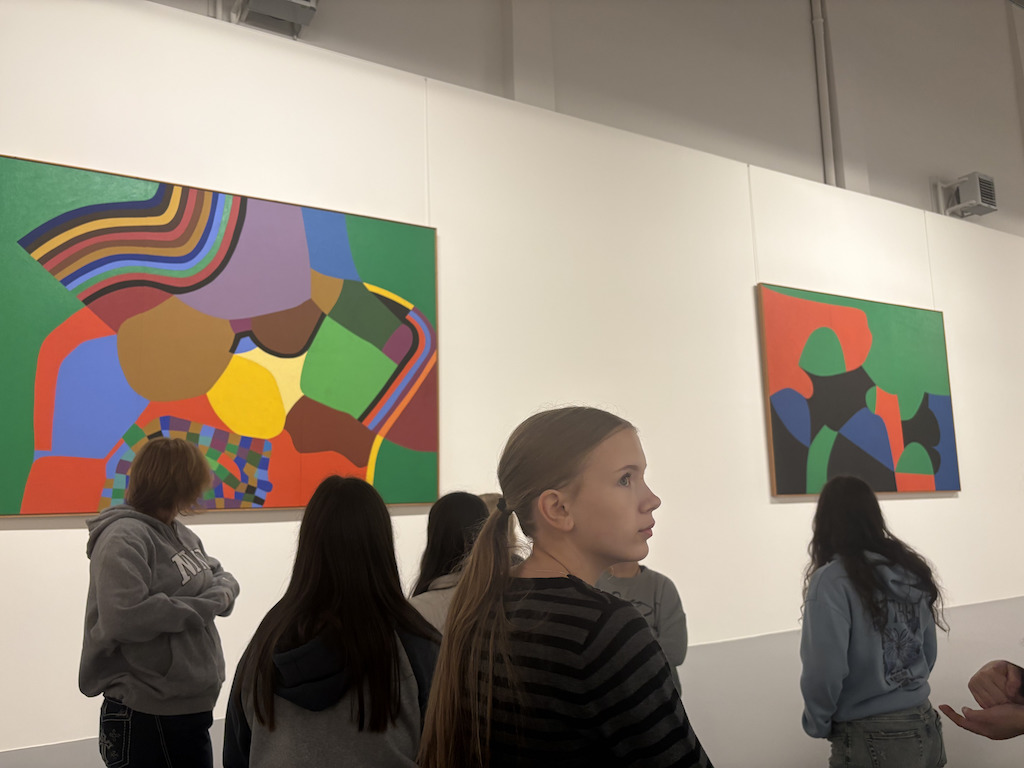
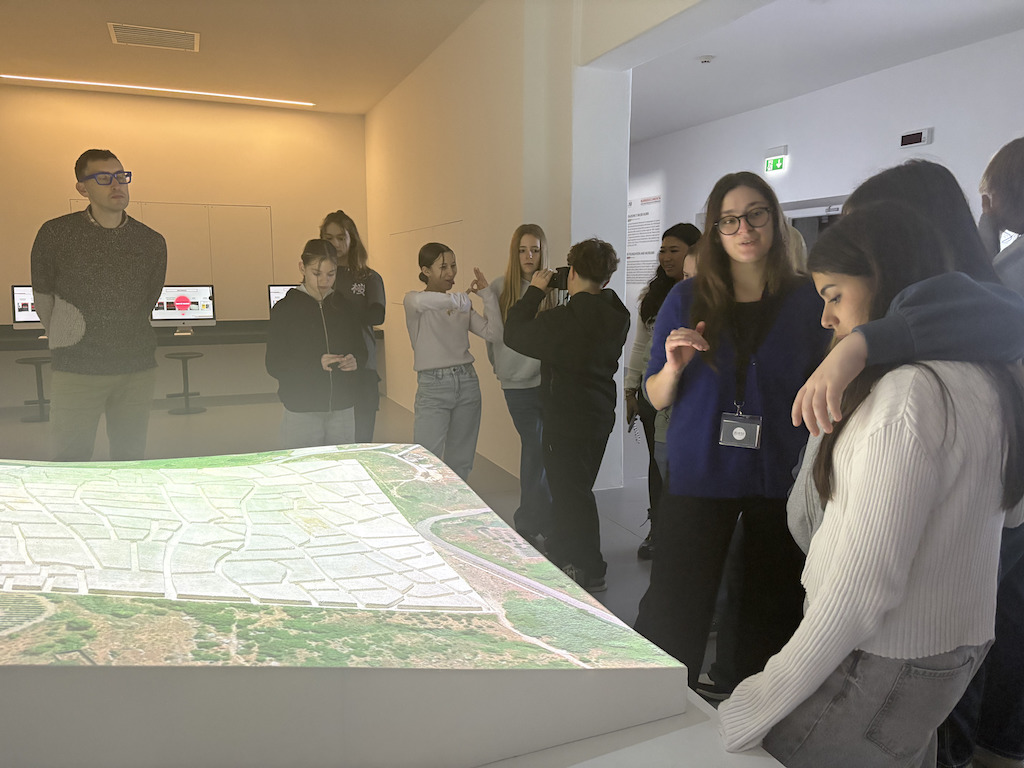
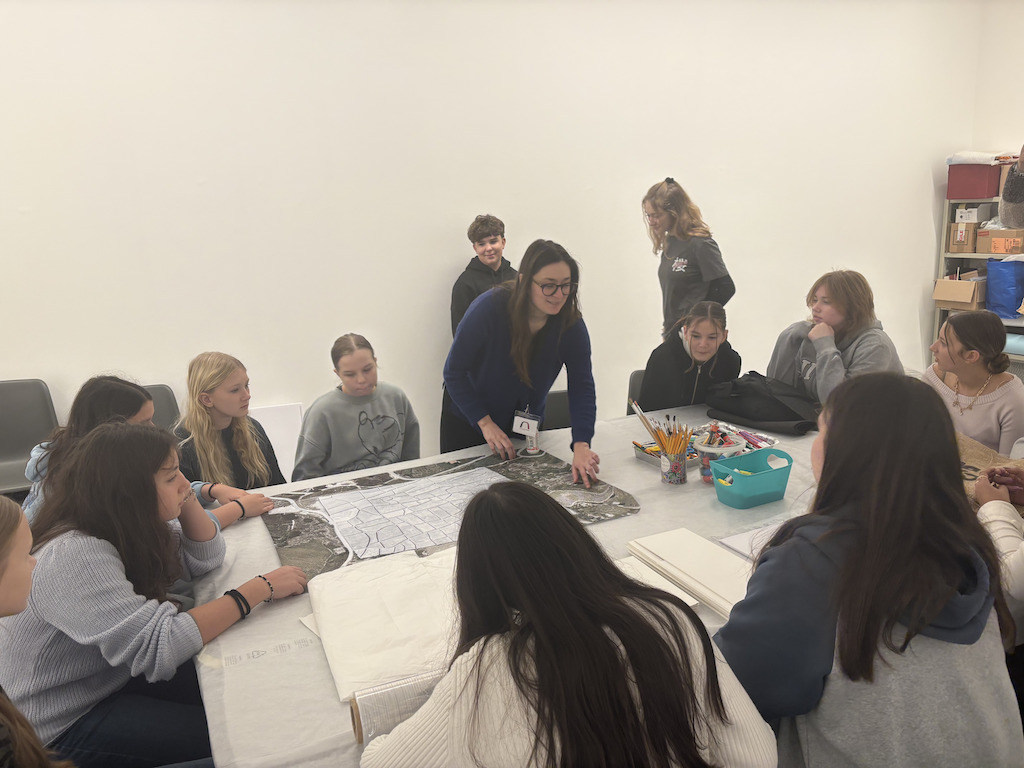
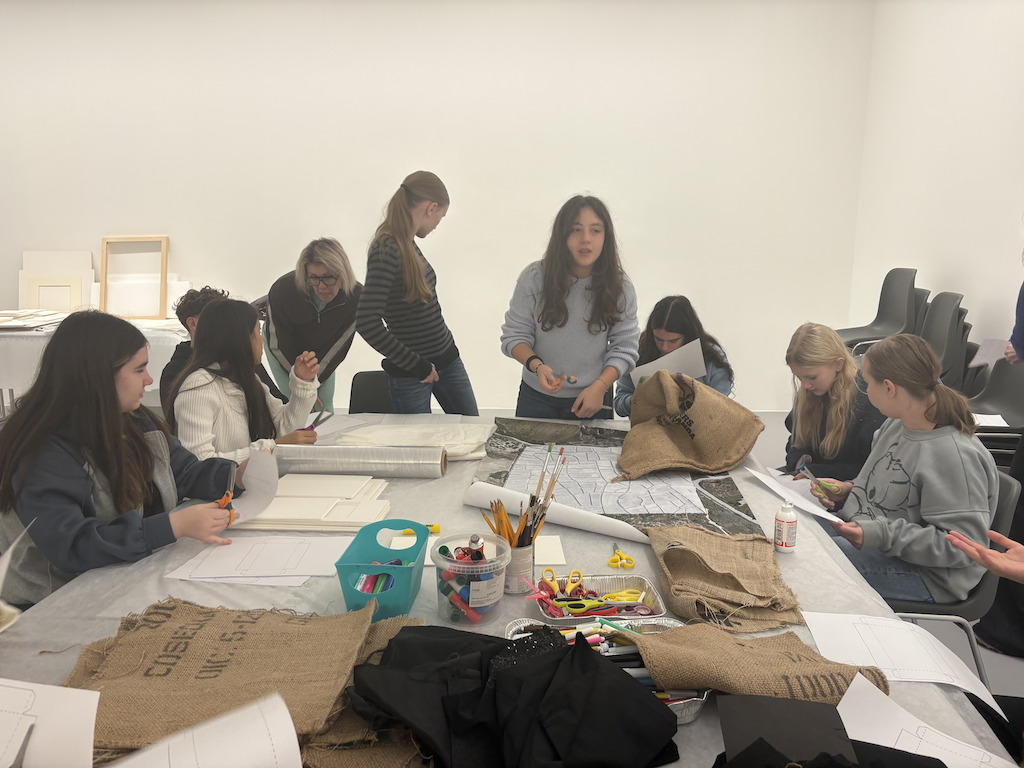
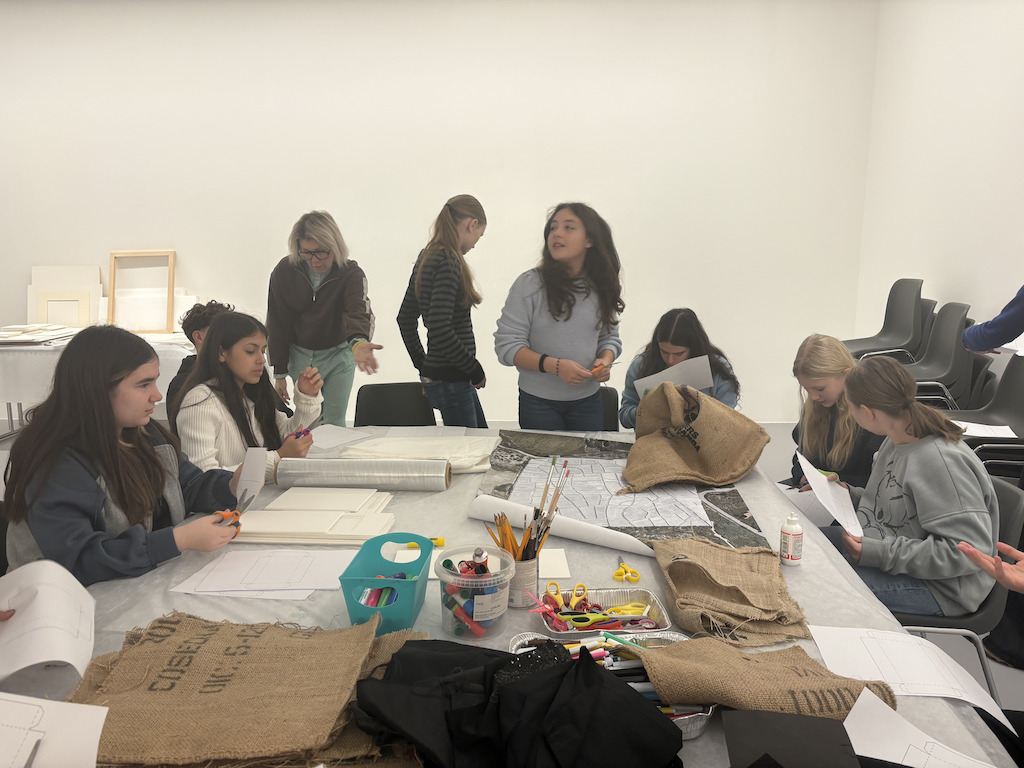
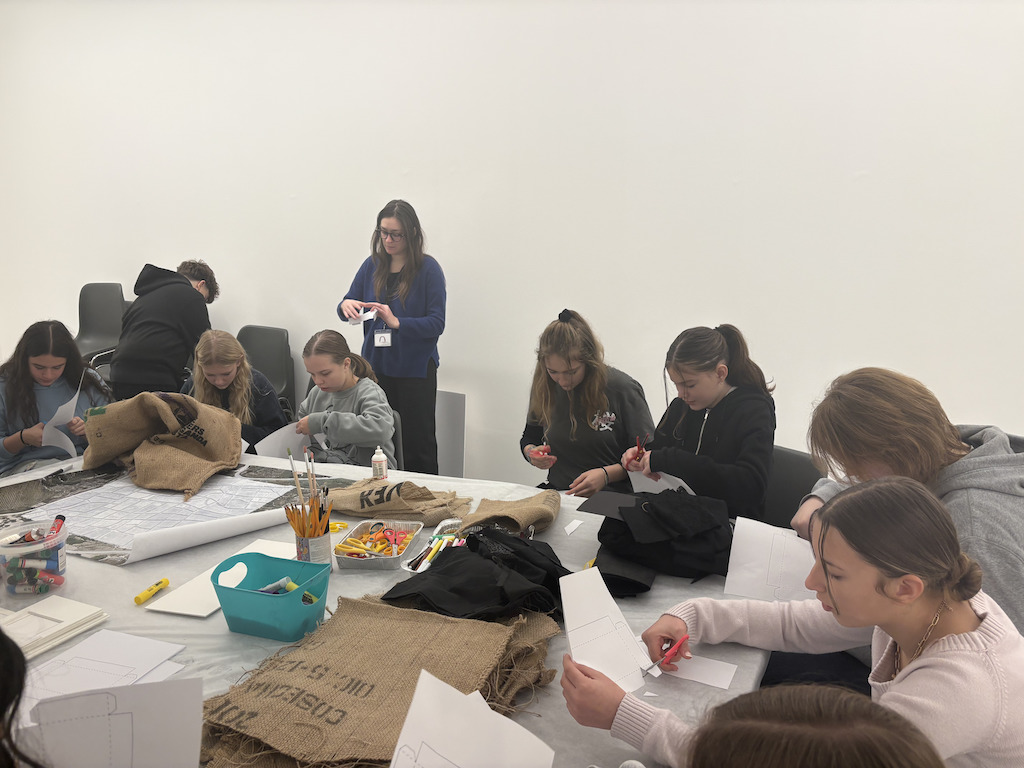
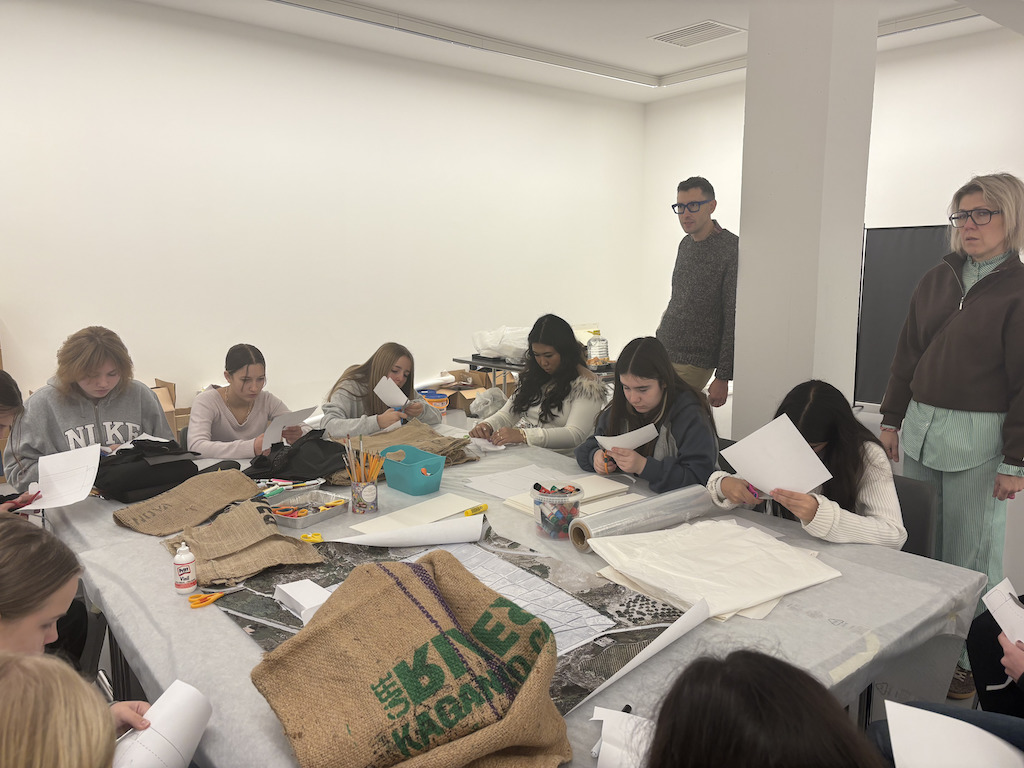
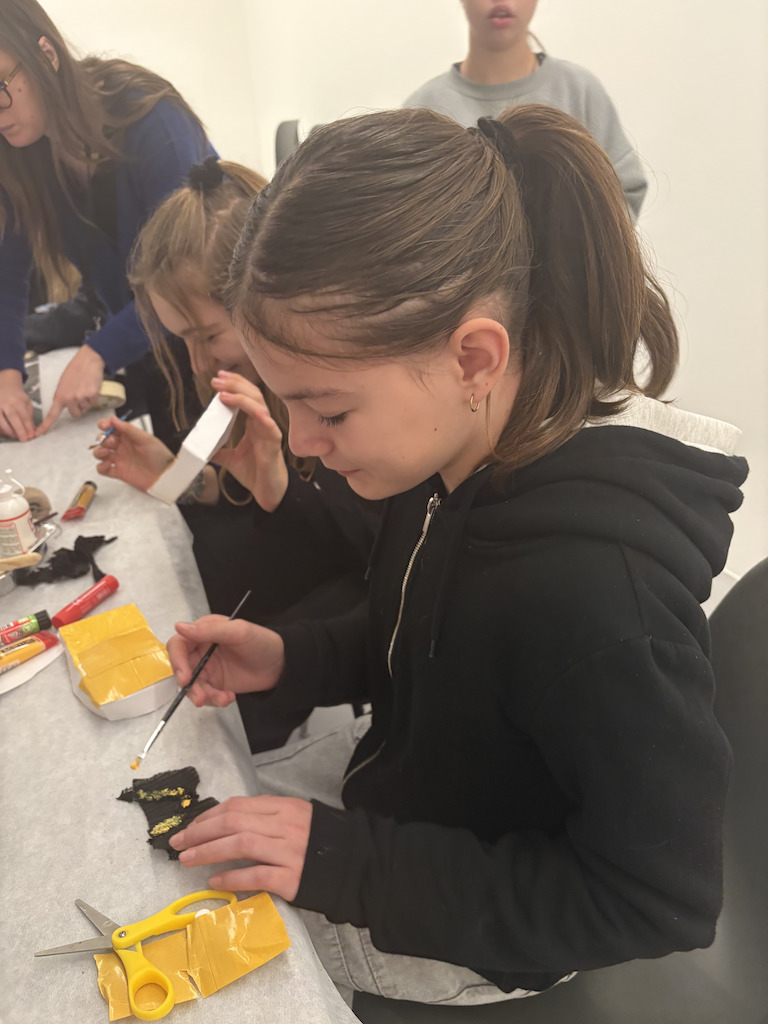
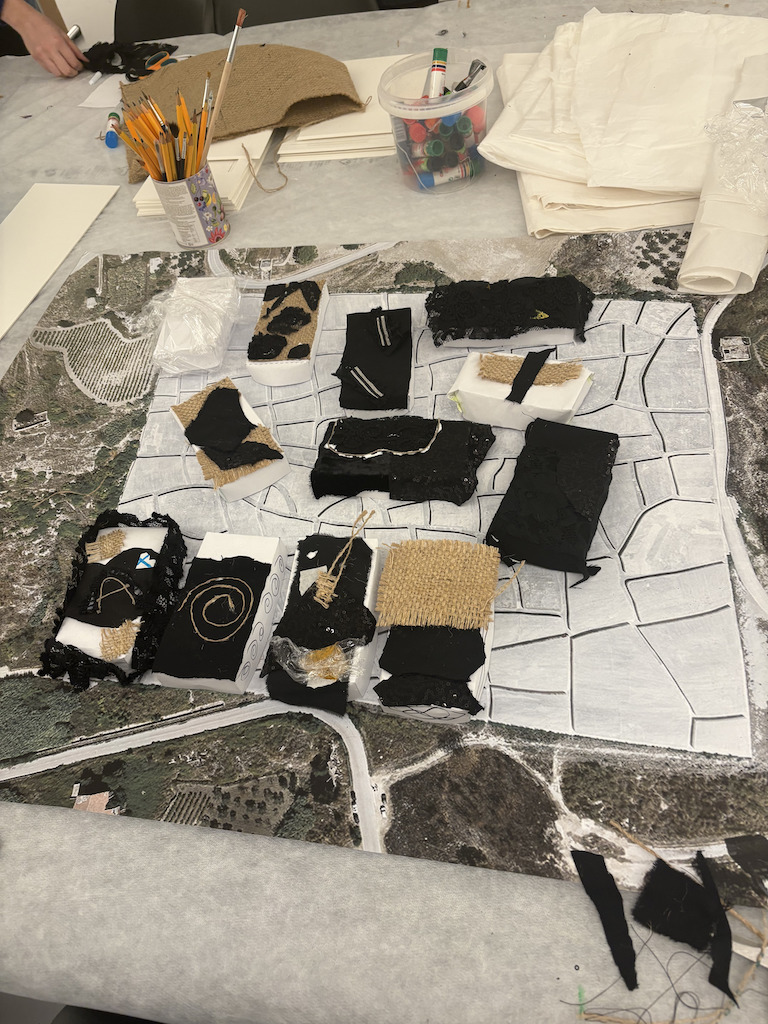
A cultural excursion to Città di Castello serves as a significant opportunity for “hands-on” learning. The highlight of the morning is a private visit to the Burri Museum—an immersive experience where a guided tour in English culminates in a creative workshop titled “MatericaMente + Tracce di Memoria” (Materially + Traces of Memory). Working in groups, the students show great enthusiasm for exploring contemporary art and unleashing their creativity—particularly through the creation of a city inspired by the evocative *Cretto di Gibellina* (created by Burri himself), an activity that fosters collaboration and architectural vision. Afterward, the group takes a walking tour of the historic center, visiting the Cathedral and the Art Gallery. The entire morning thus becomes a dynamic, interactive lesson on history, Umbrian art, and Italian creative genius.
Wednesday, November 12
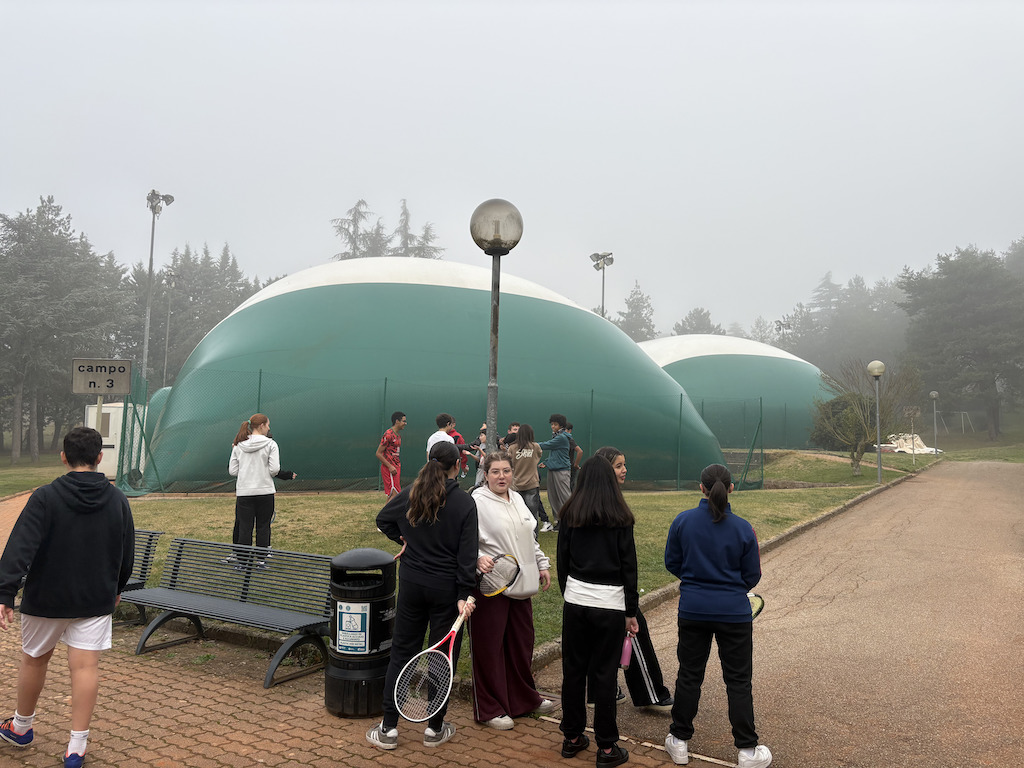
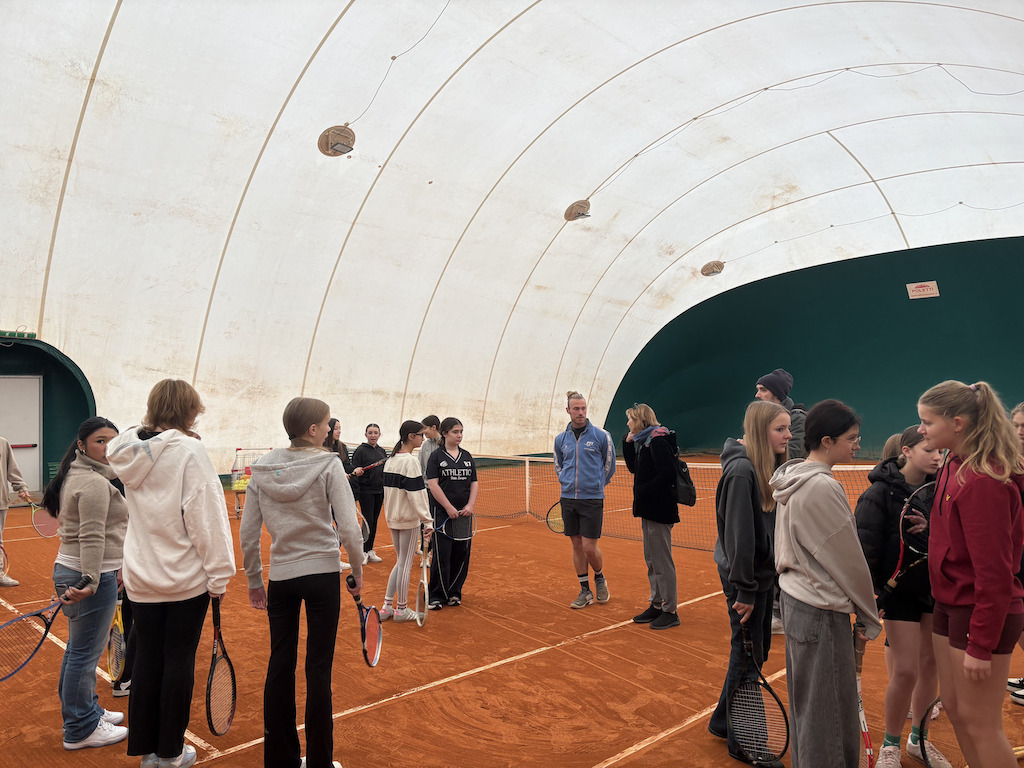
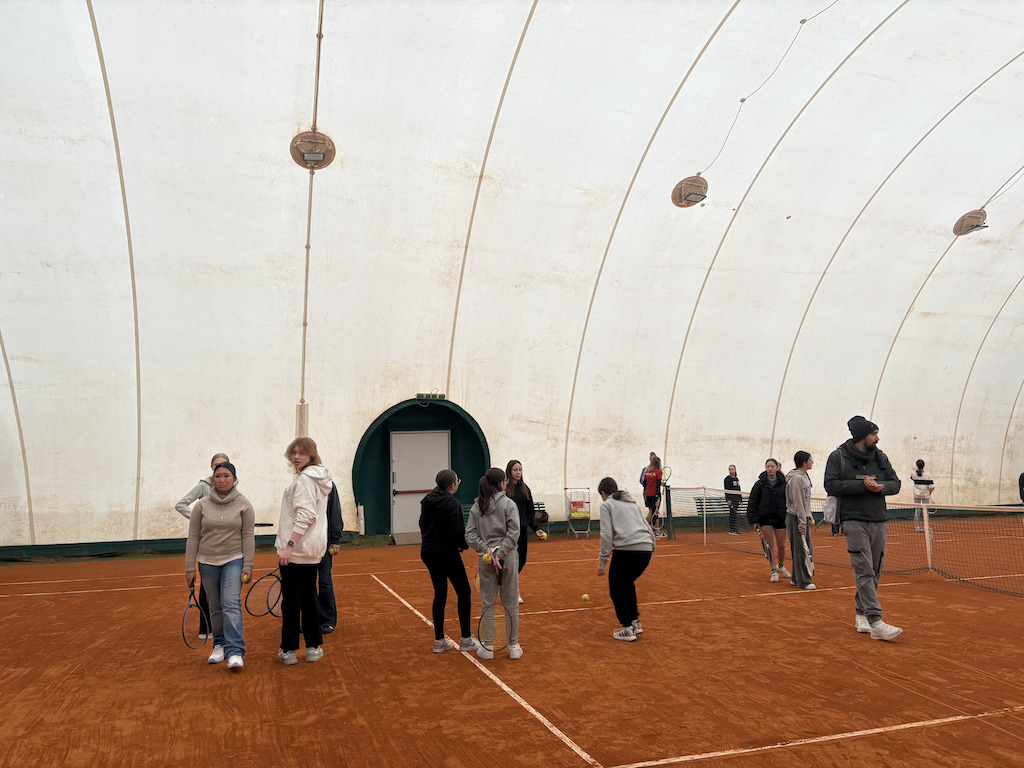
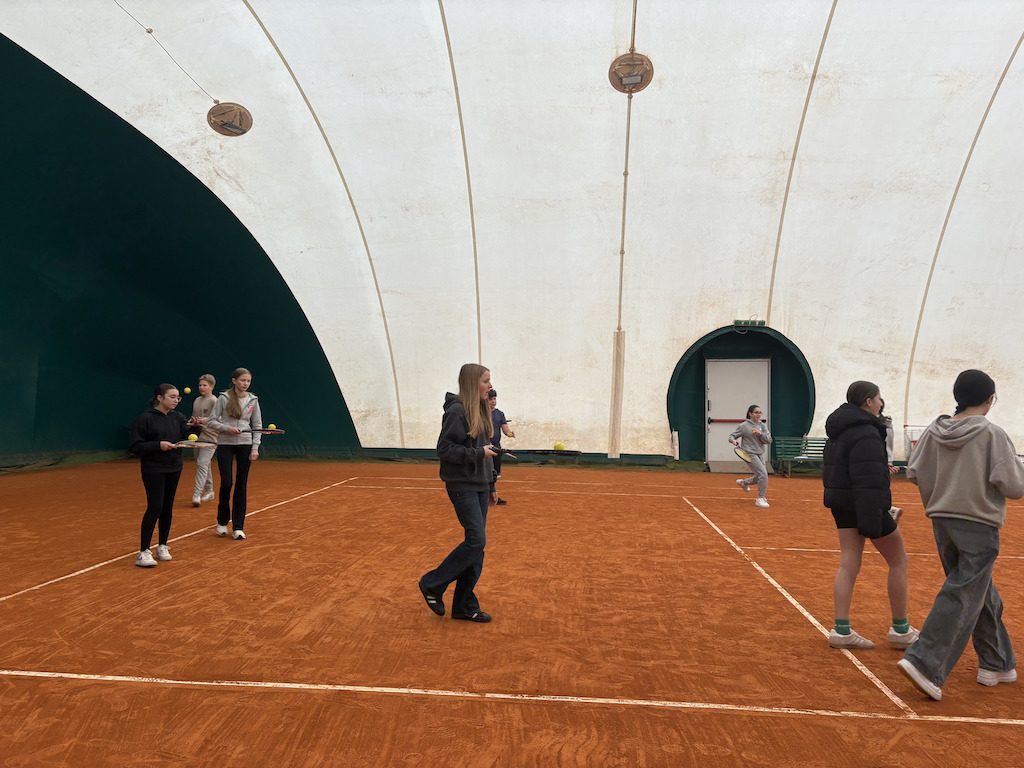
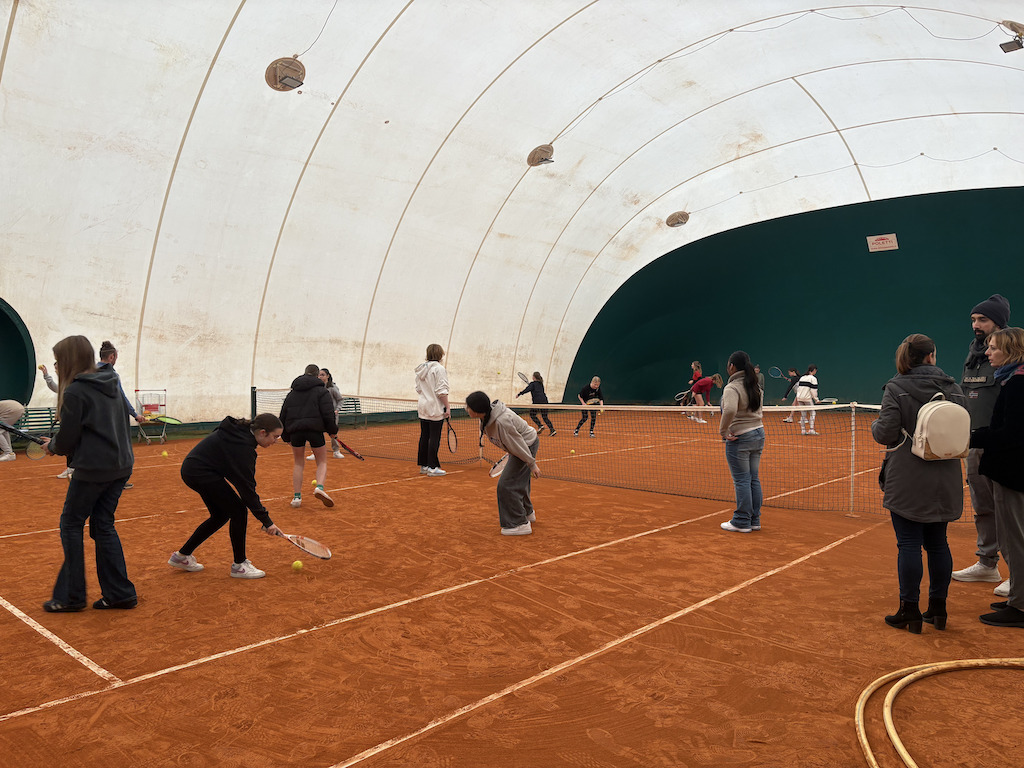
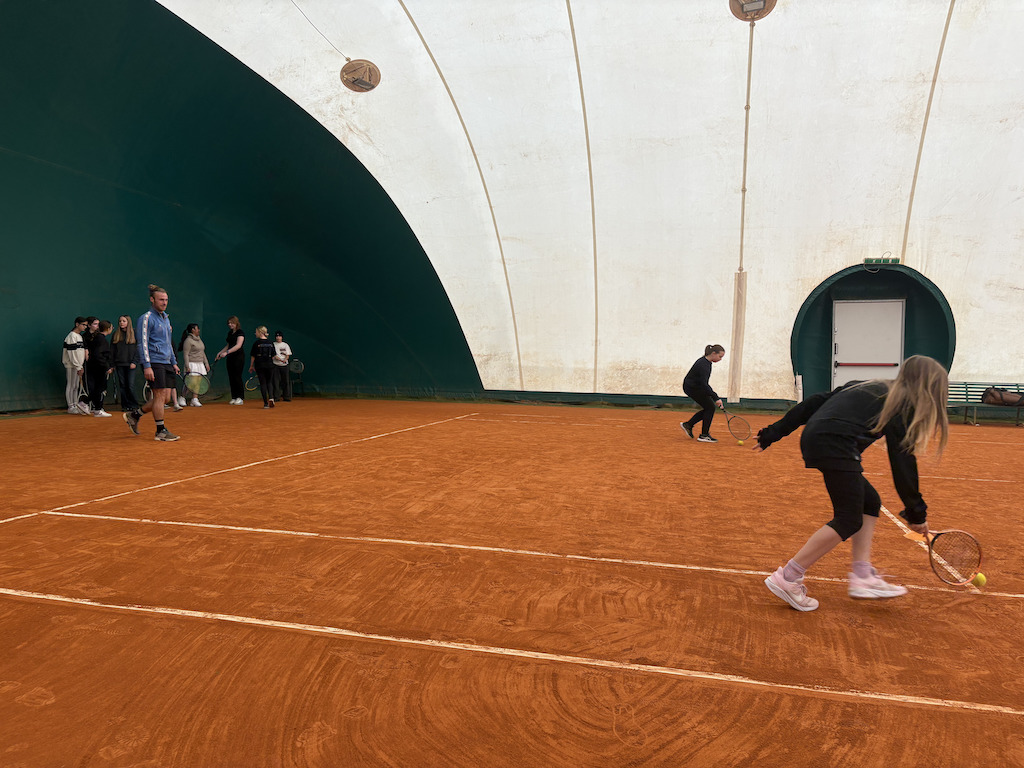
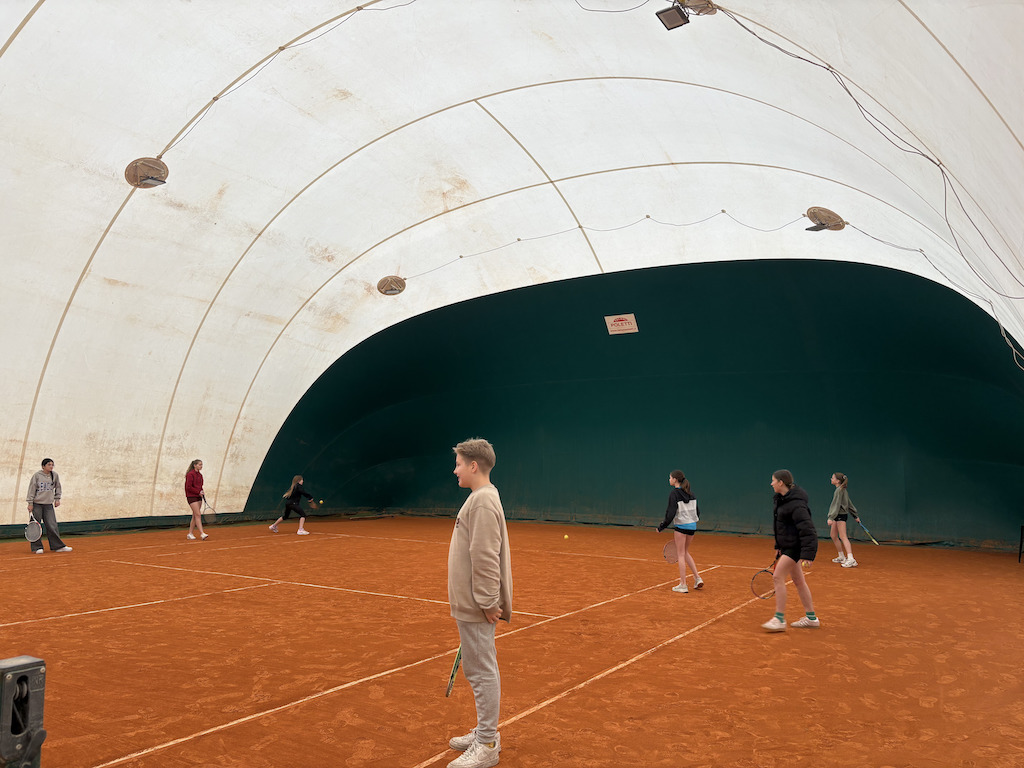
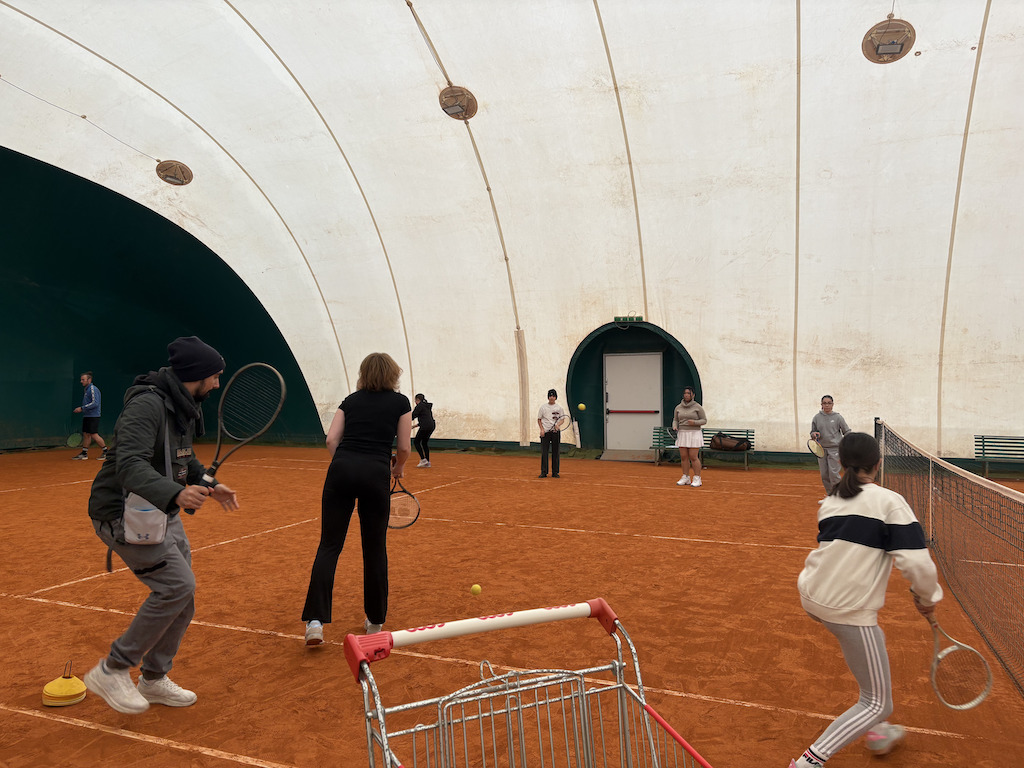
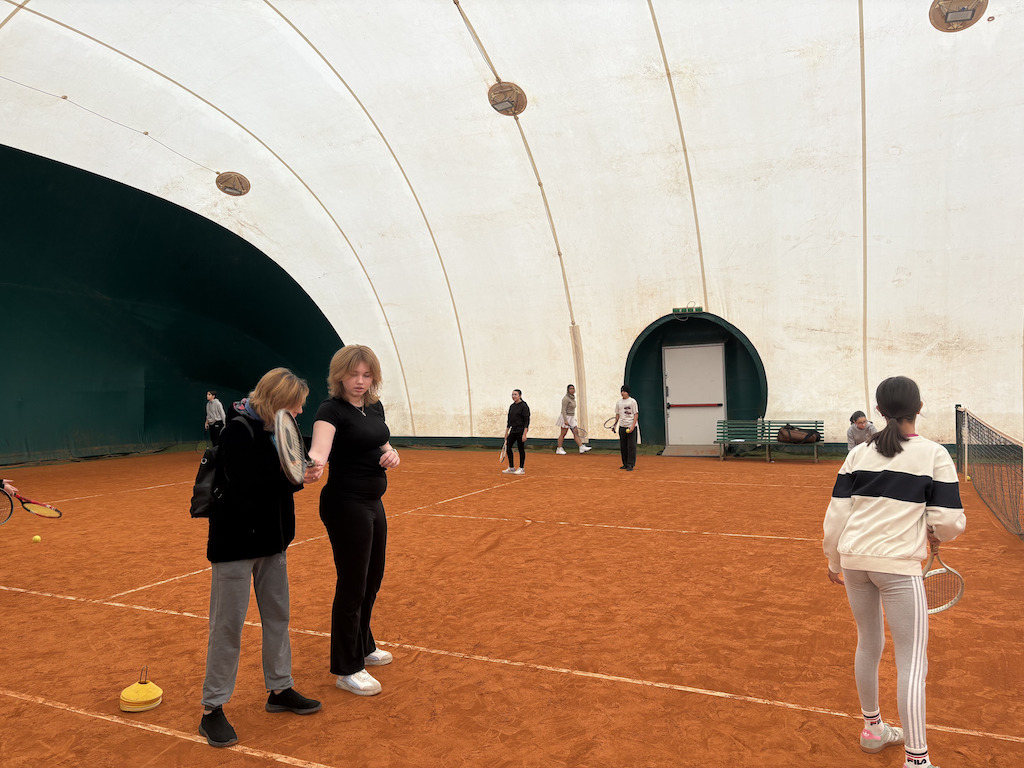
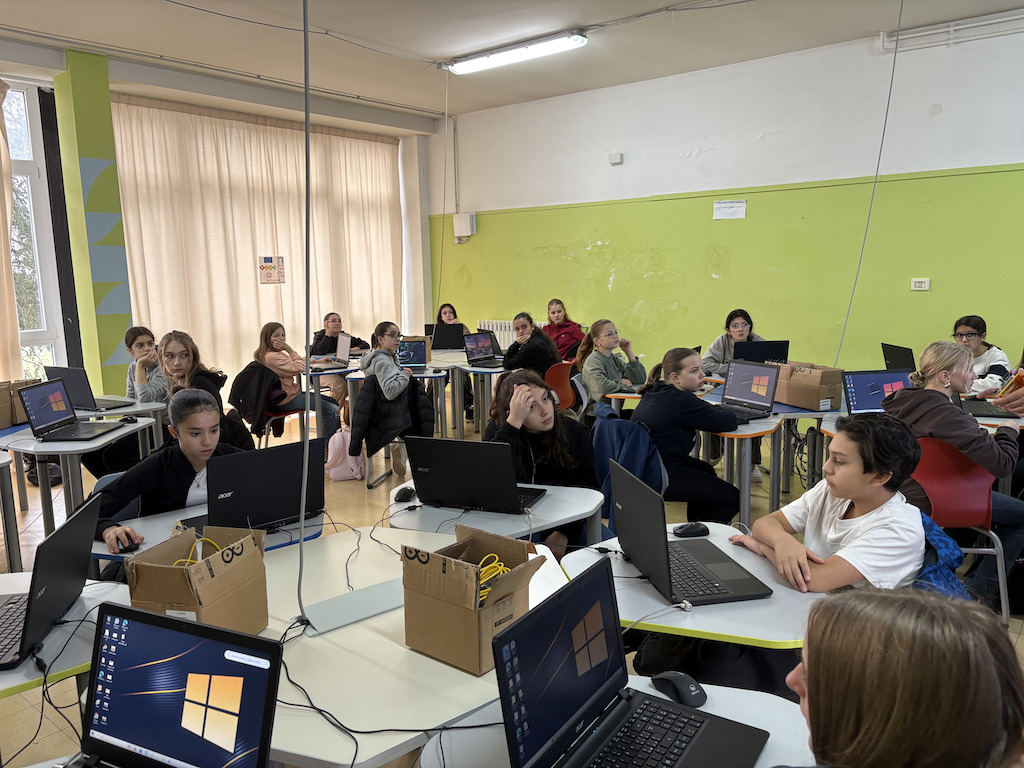
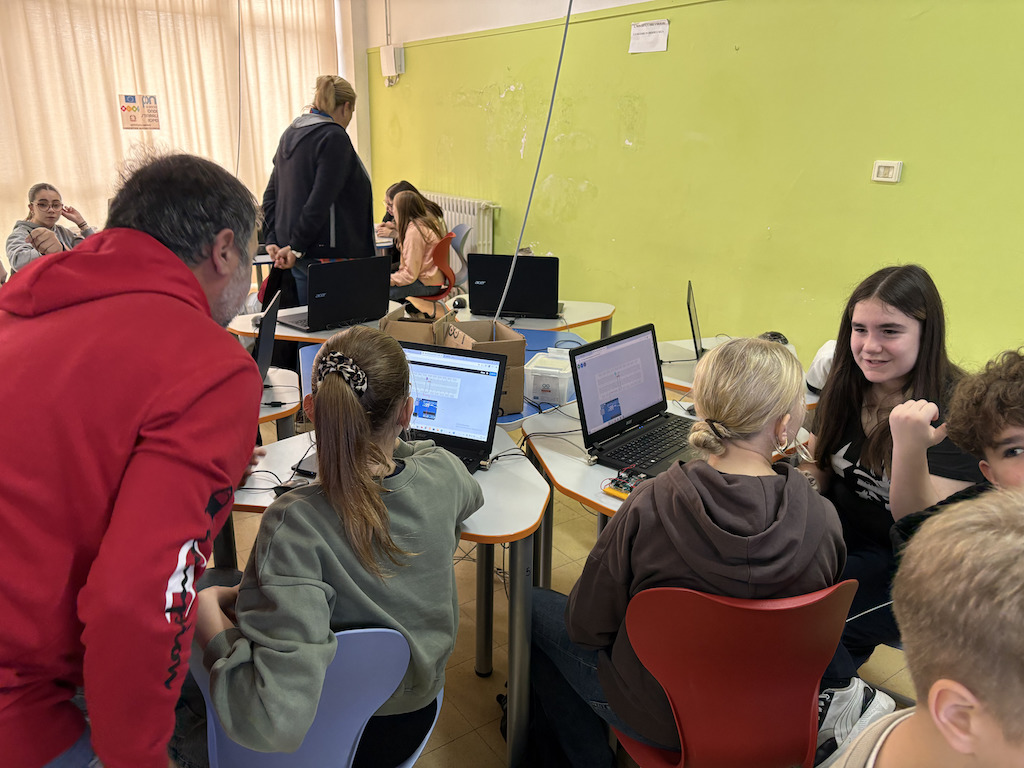
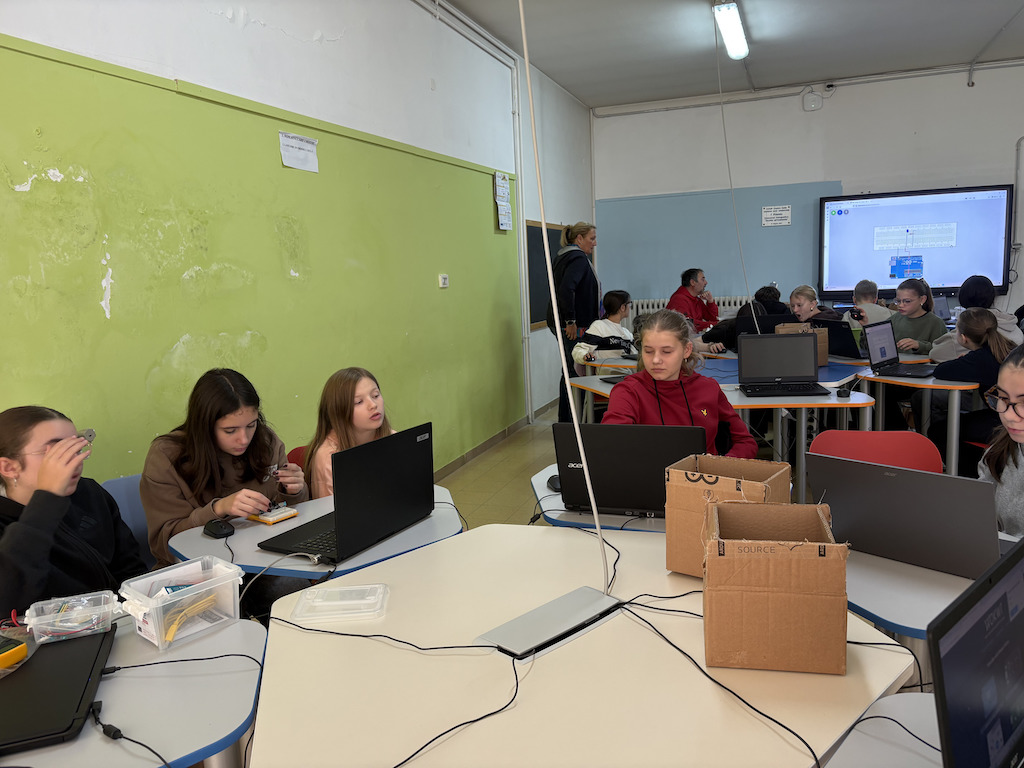
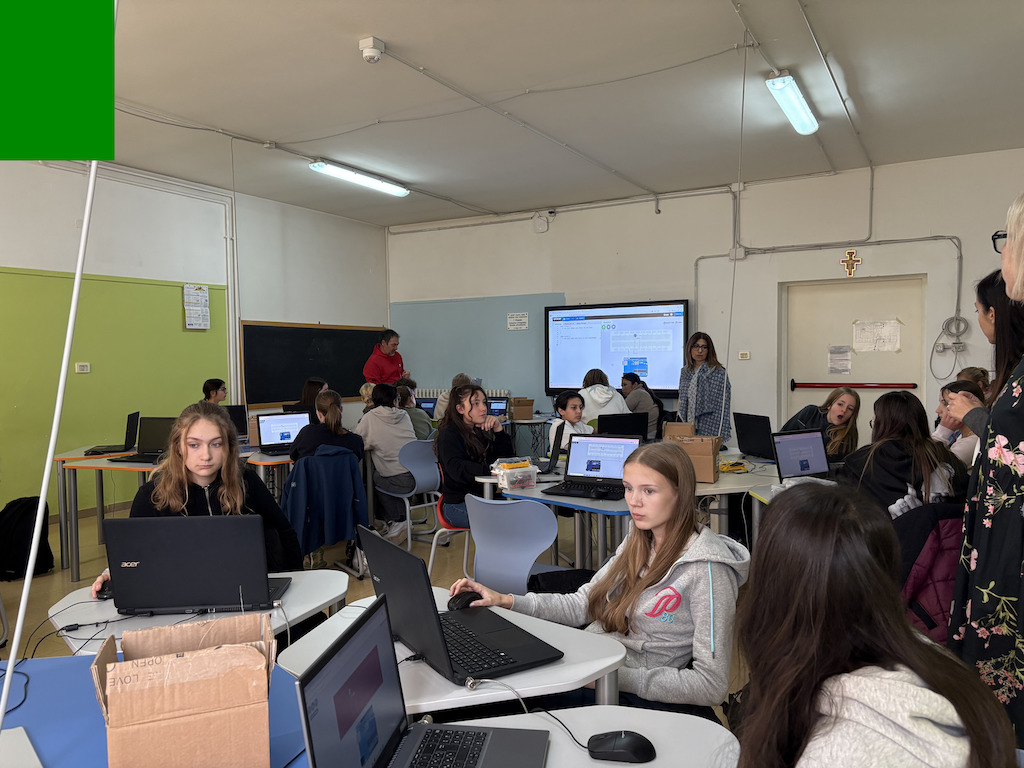
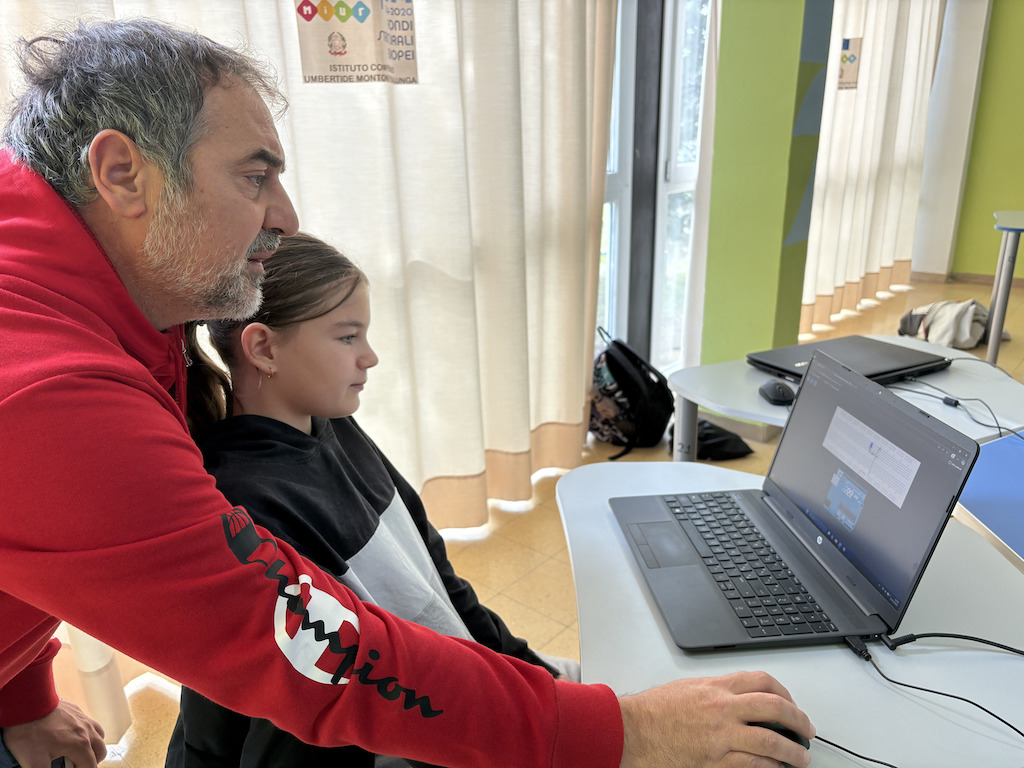
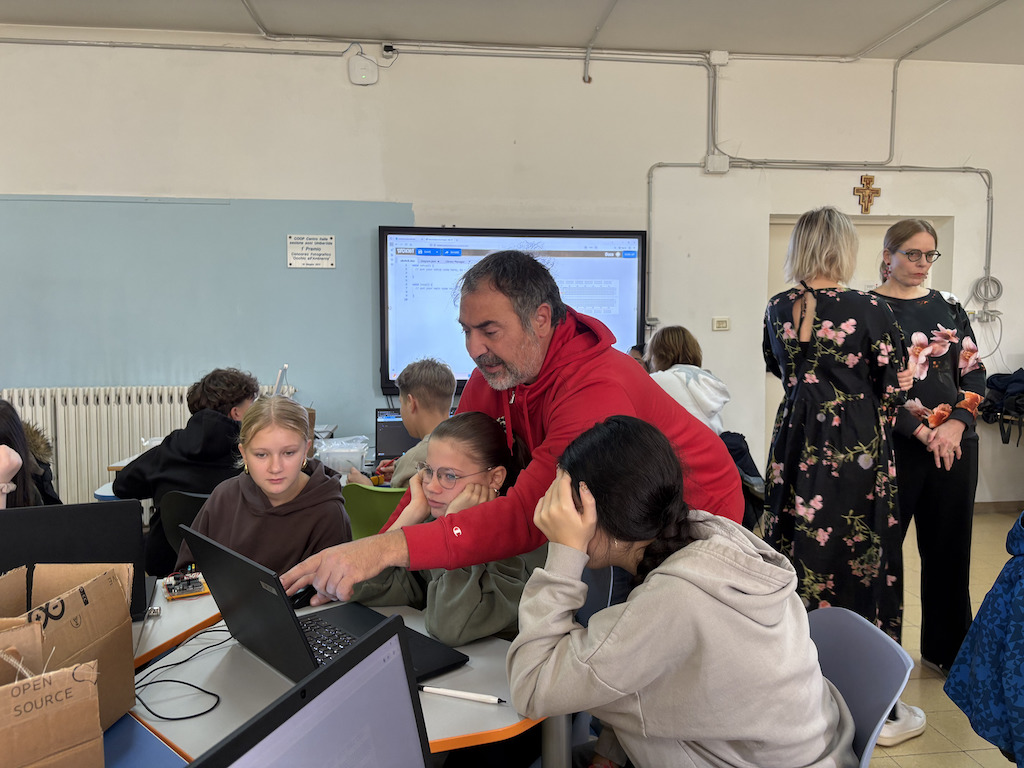
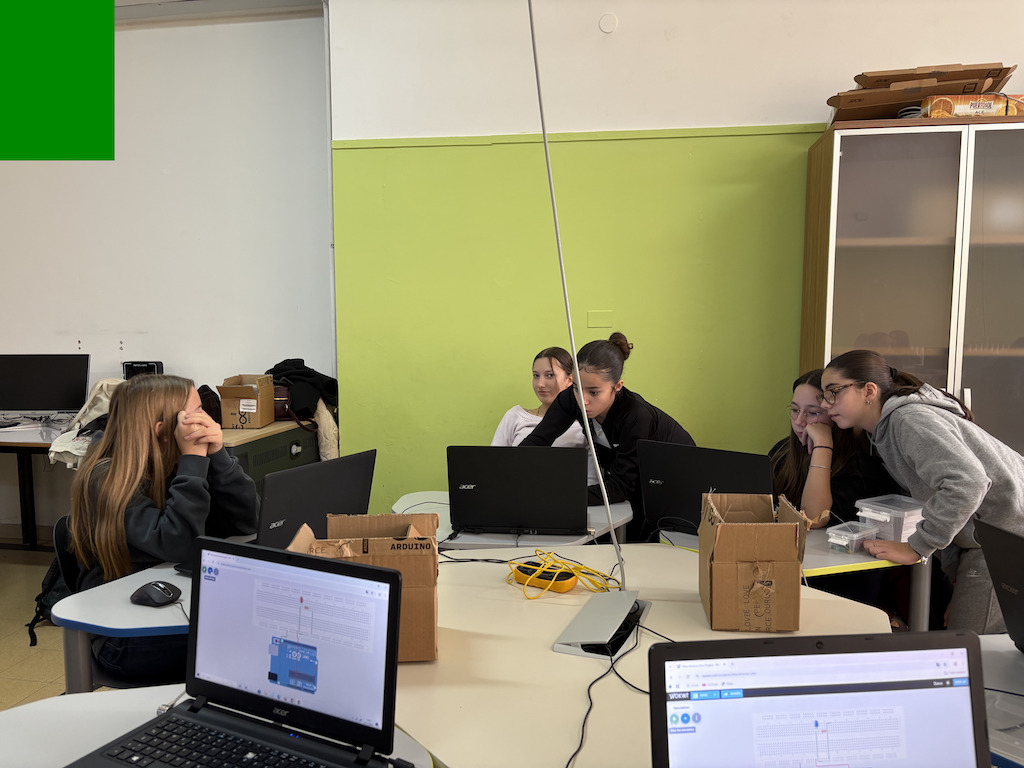
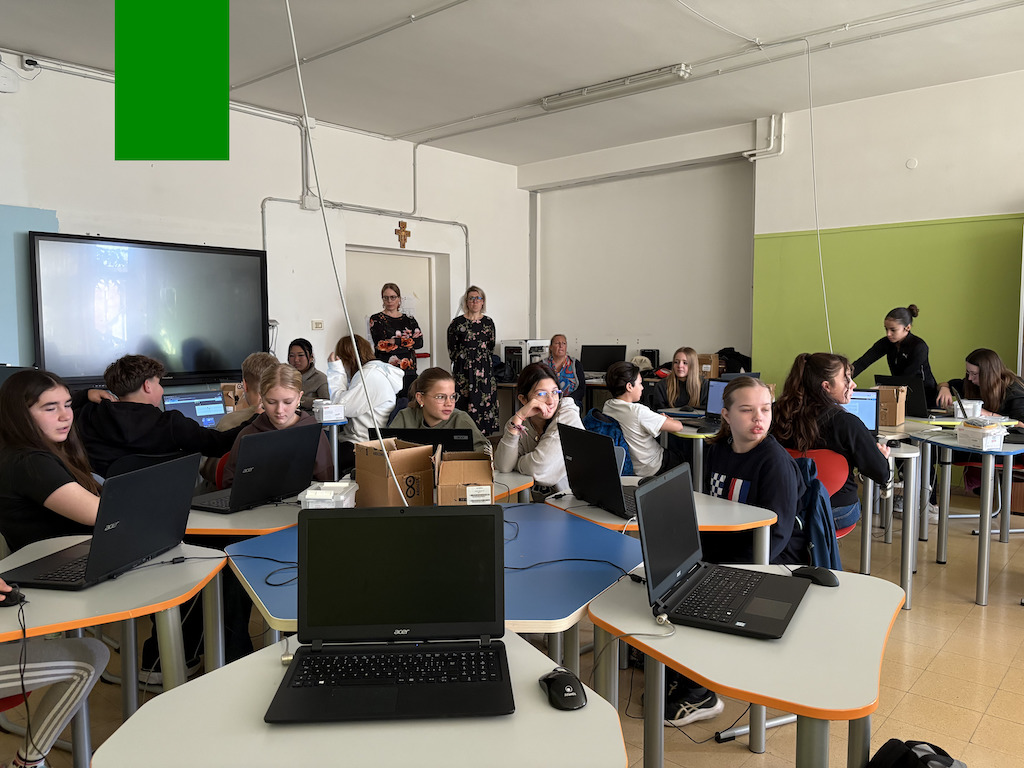
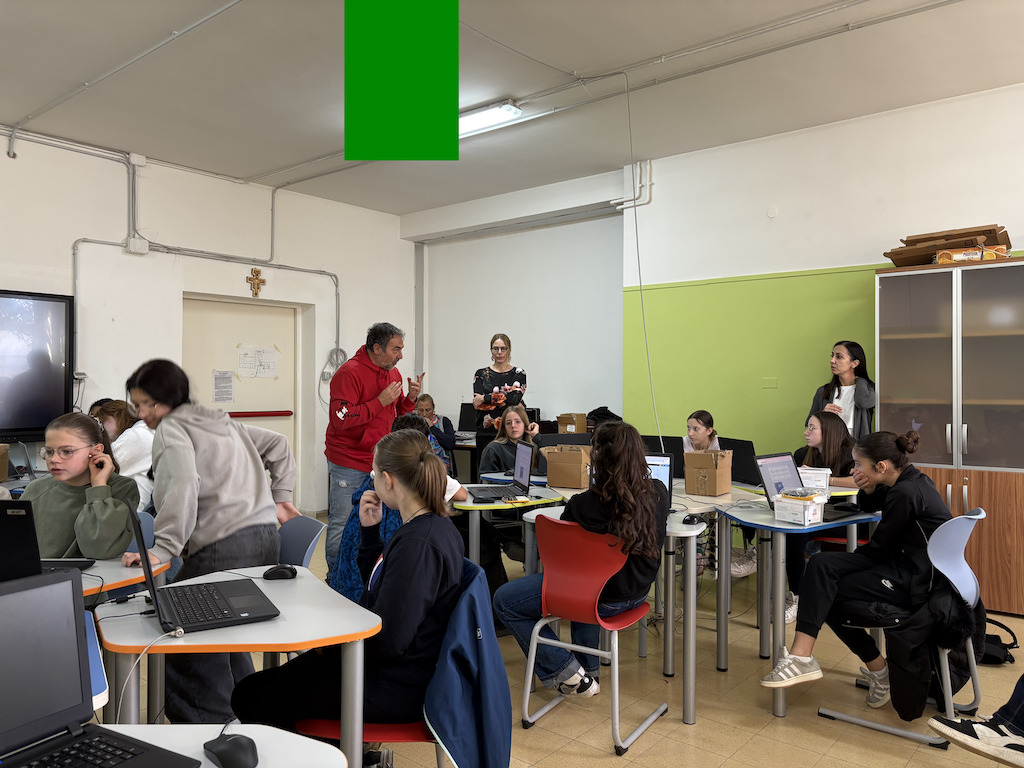
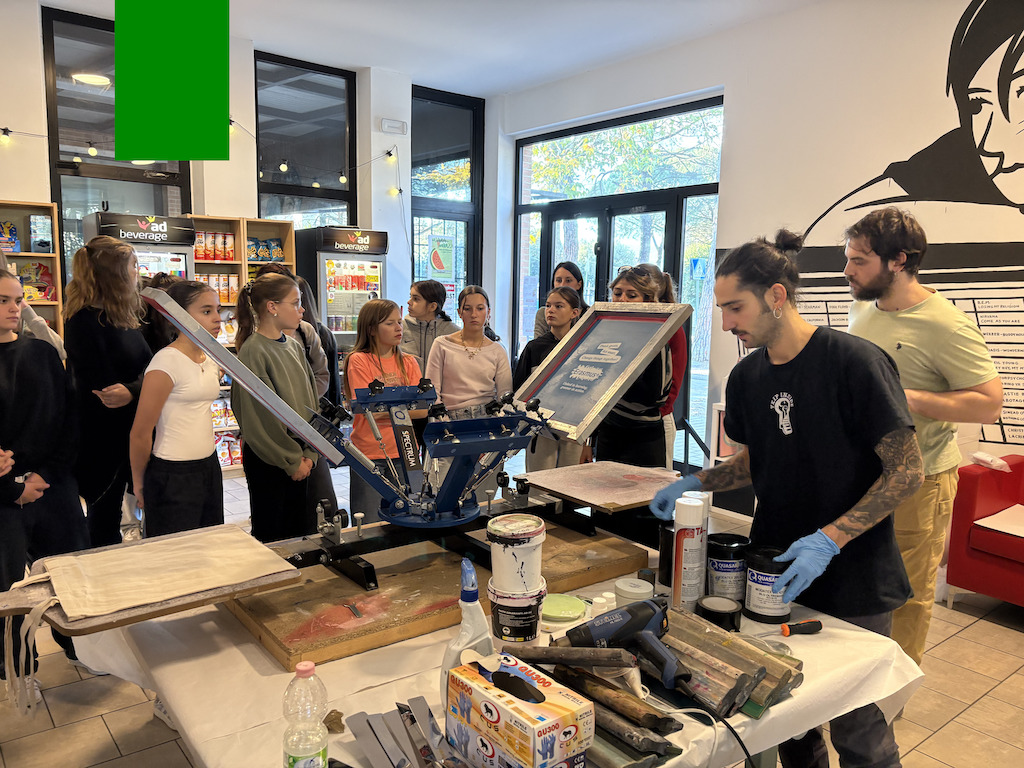
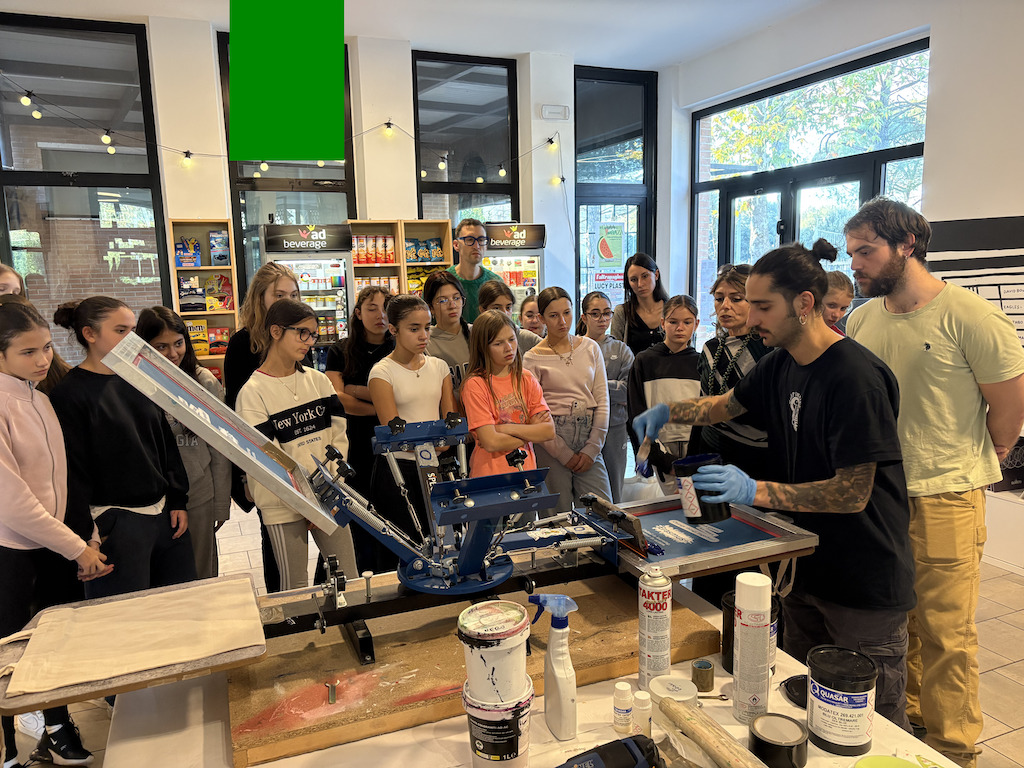
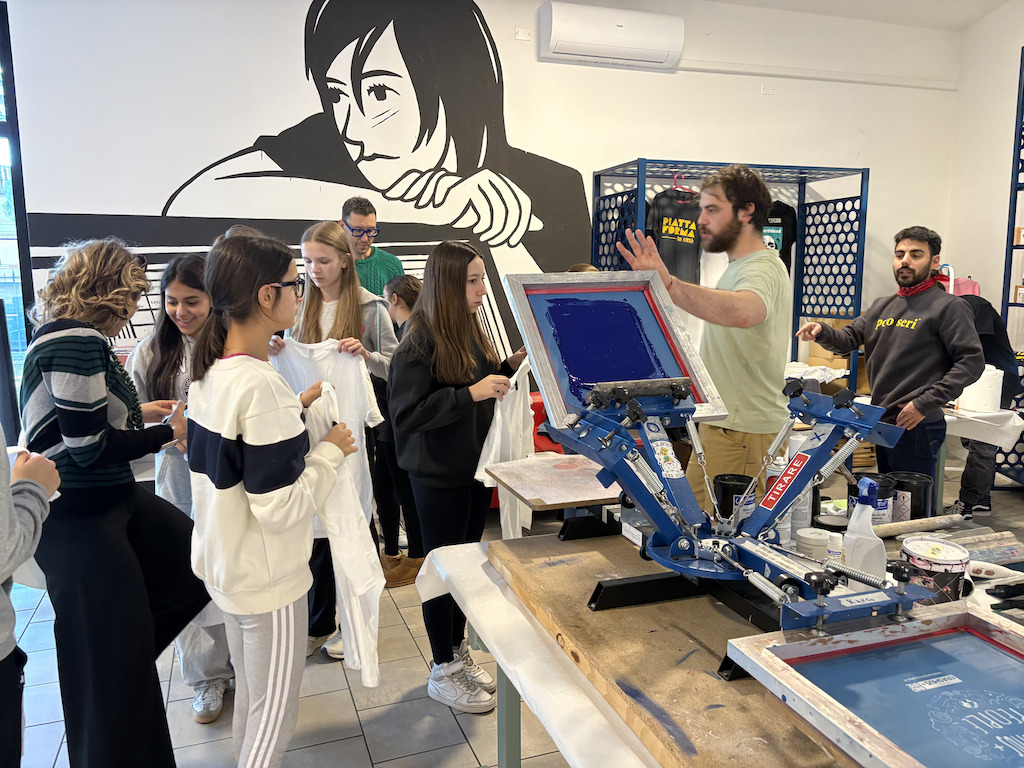
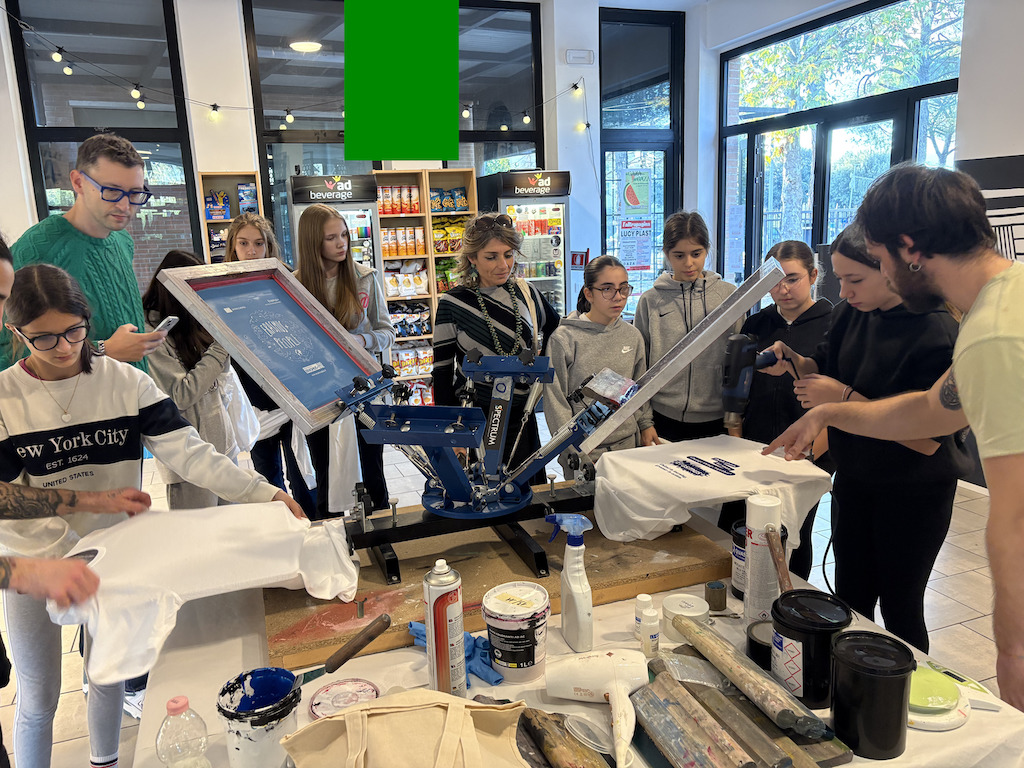
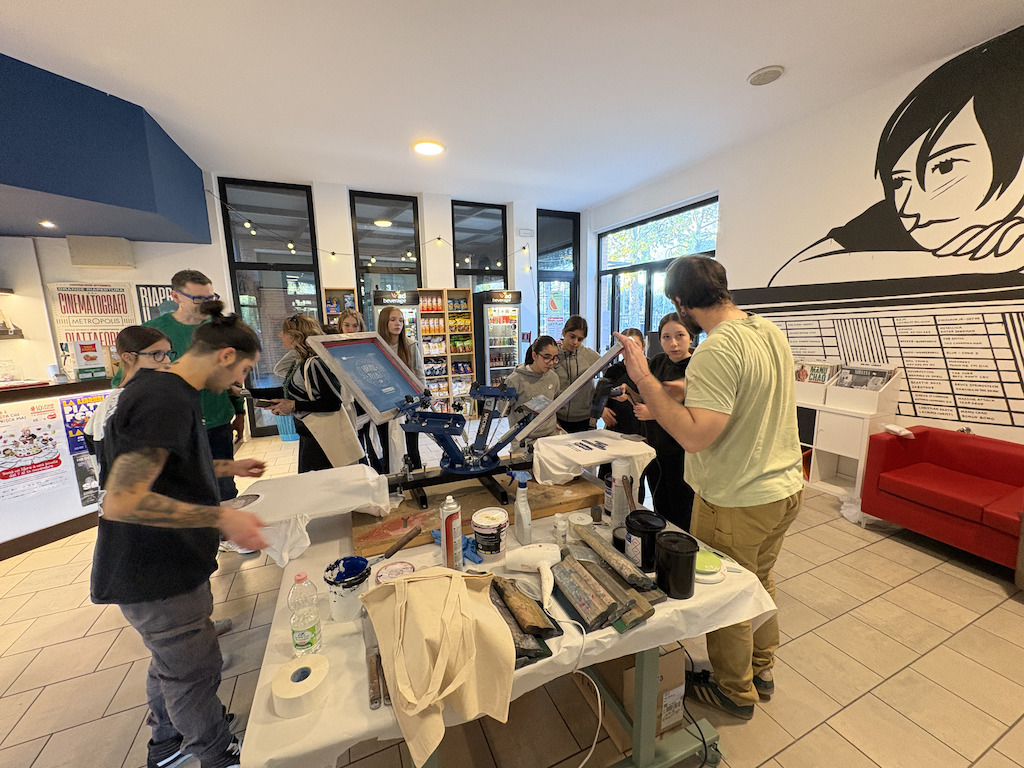
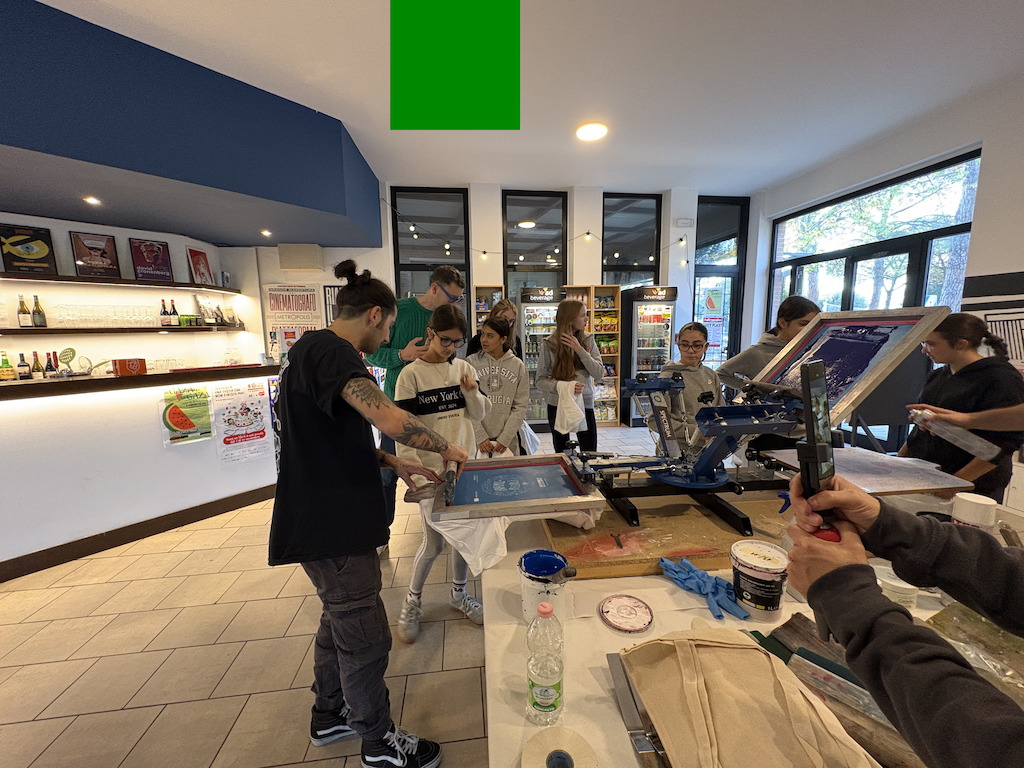
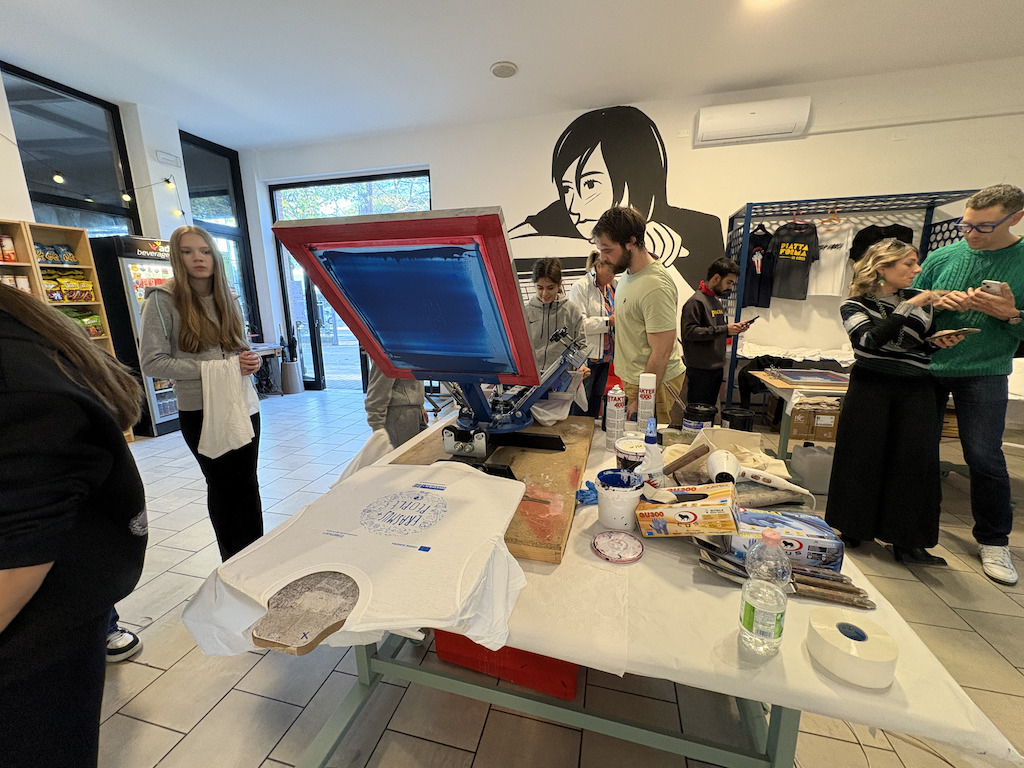
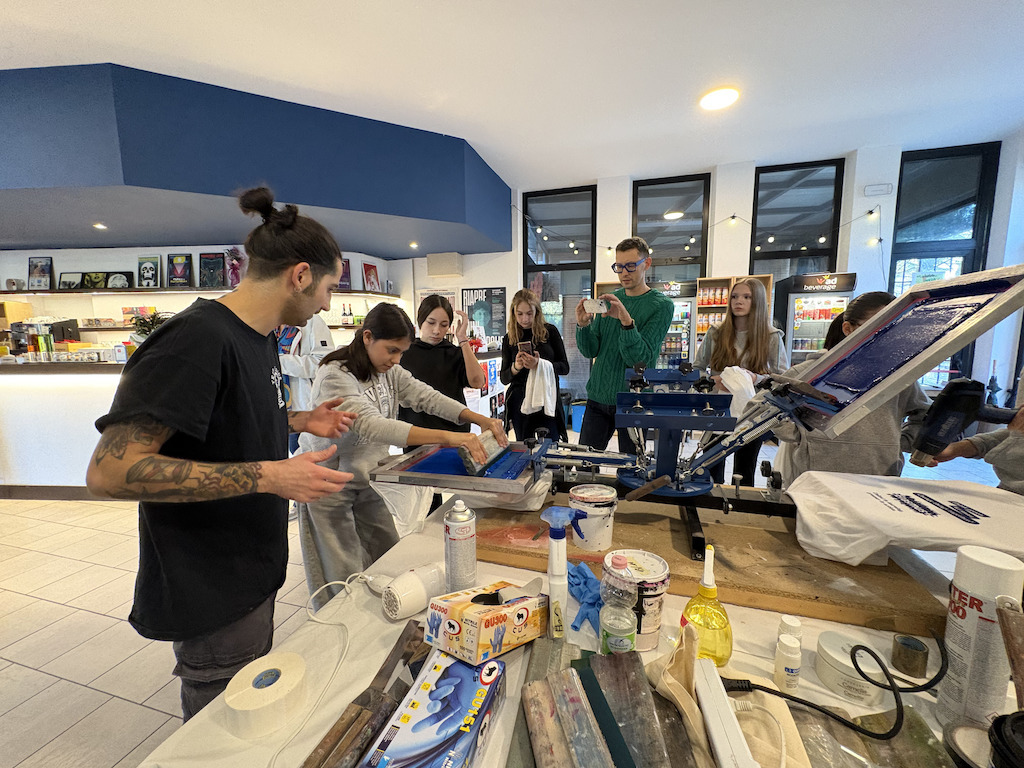
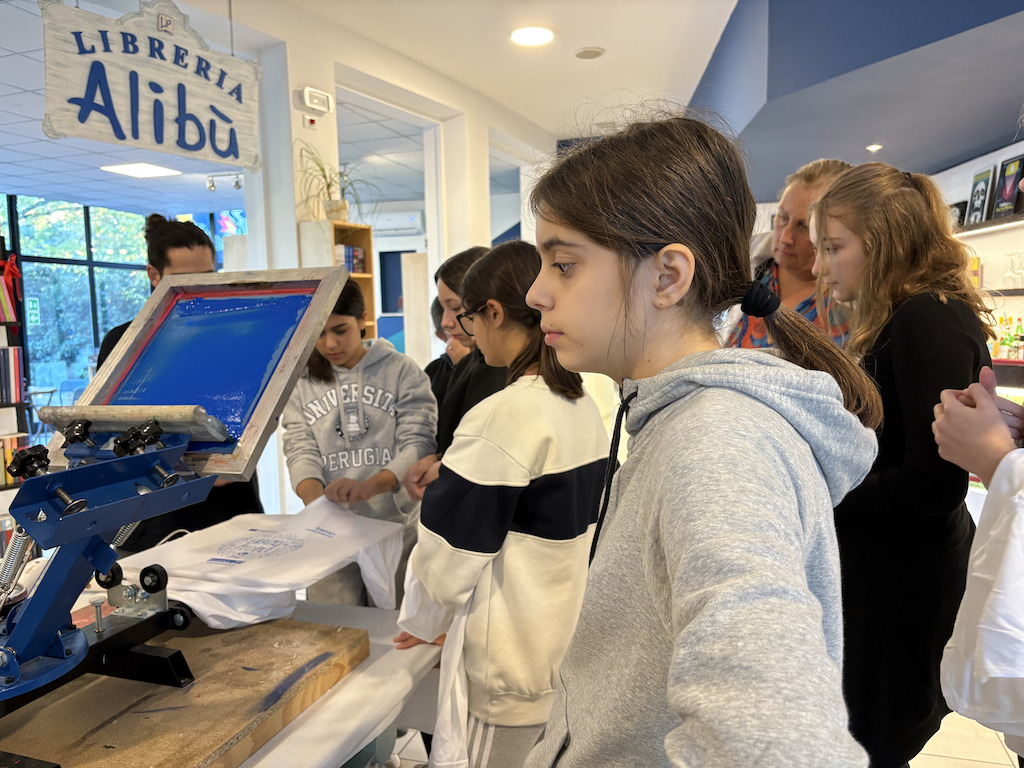
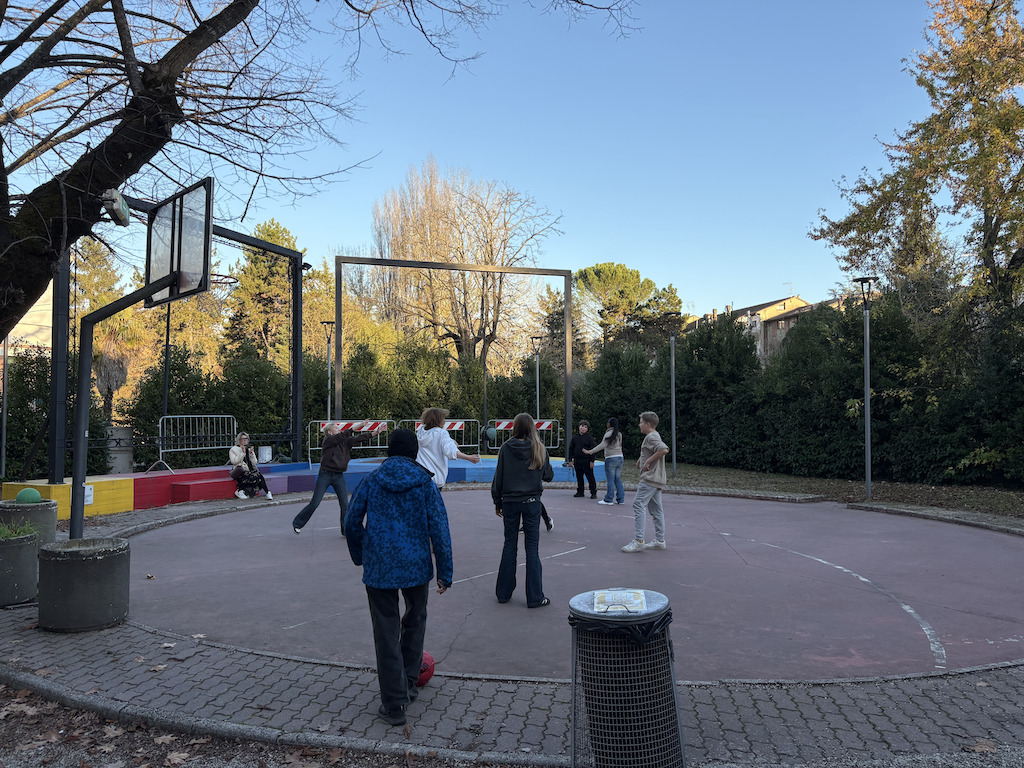
The day features a mix of hands-on activities. It begins with a tennis lesson that encourages healthy interaction. Next, a computer design workshop using the Arduino method in the computer lab shifts the focus to logic and technology, engaging the students’ curiosity and concentration. Finally, the students return to their respective classrooms for lessons in mathematics, English, and French. The Belgian and Finnish students have the opportunity to experience new teaching methodologies and practices firsthand. After a packed lunch, the students try their hand at a screen-printing workshop at MiniMetropolis/Alibù. This artisanal experience allows them to print the winning logos from the schools’ earlier “Logo Contest” onto tote bags and T-shirts, while also giving them a chance to express their manual skills.
Thursday, November 13
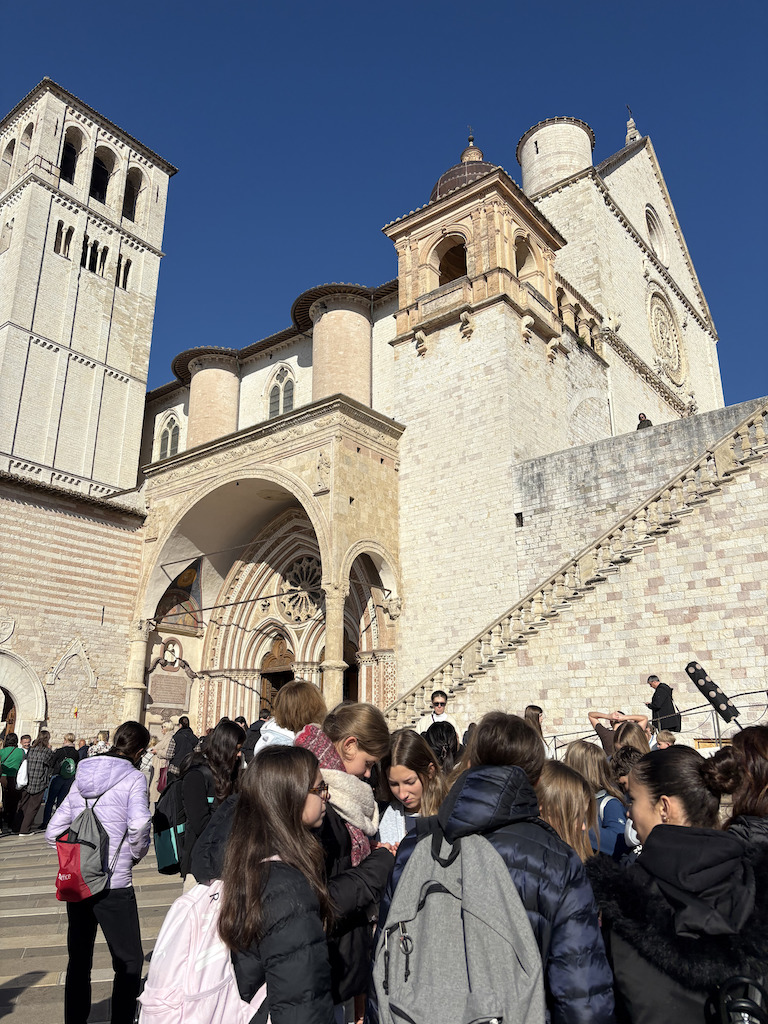
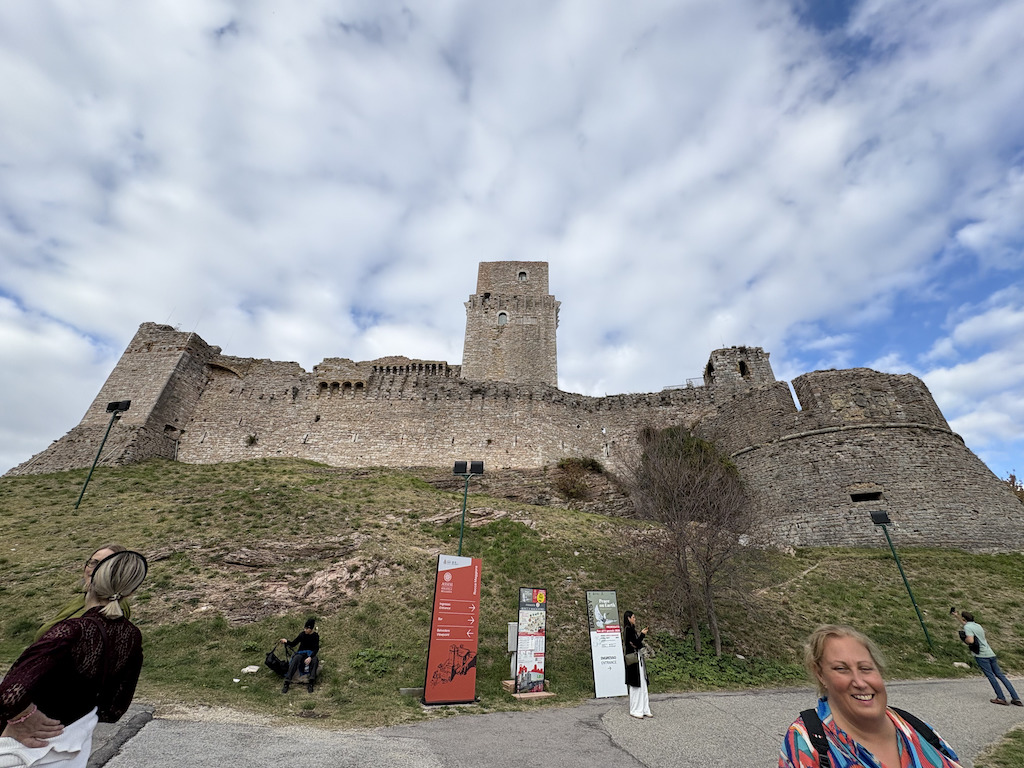
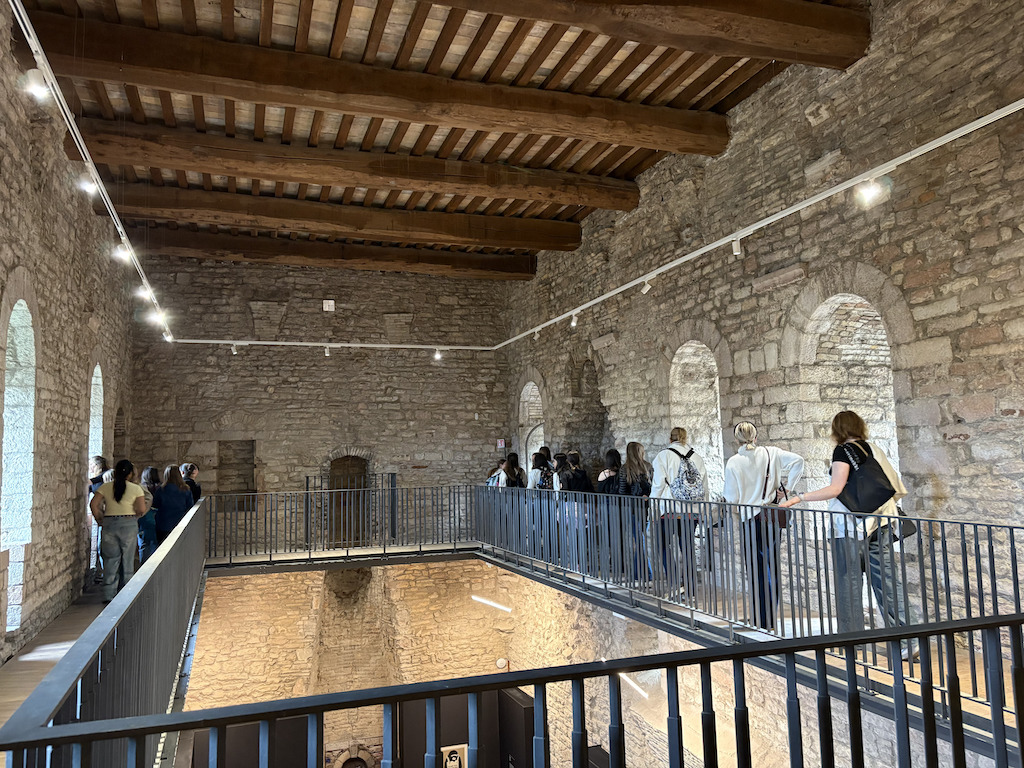
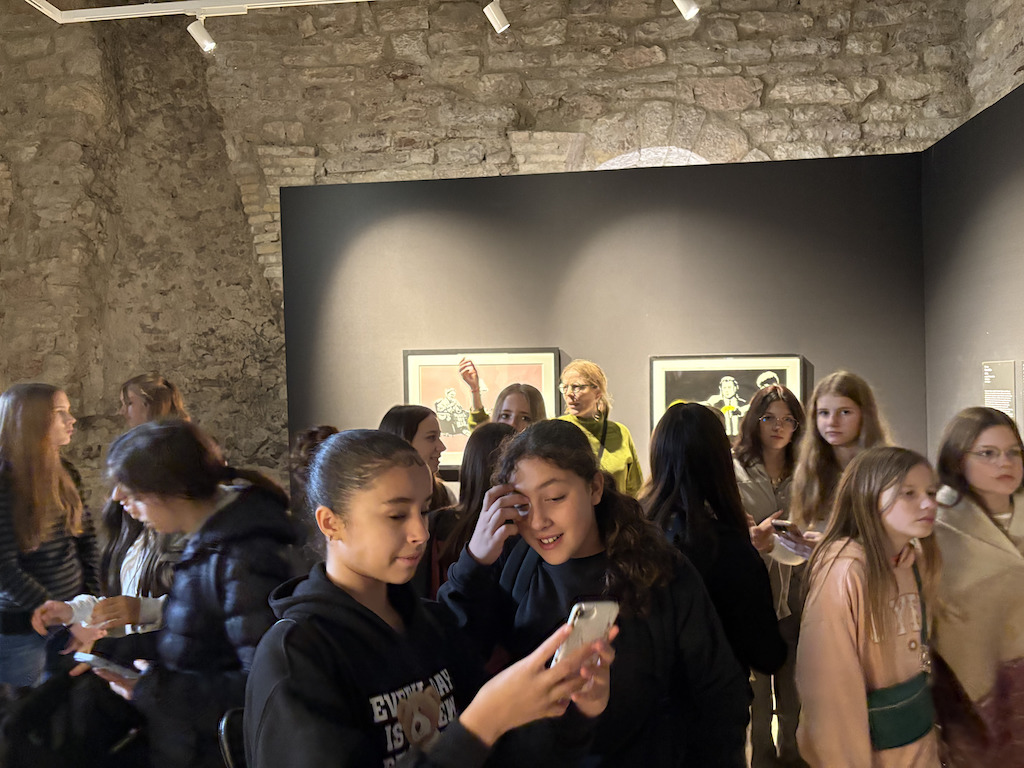
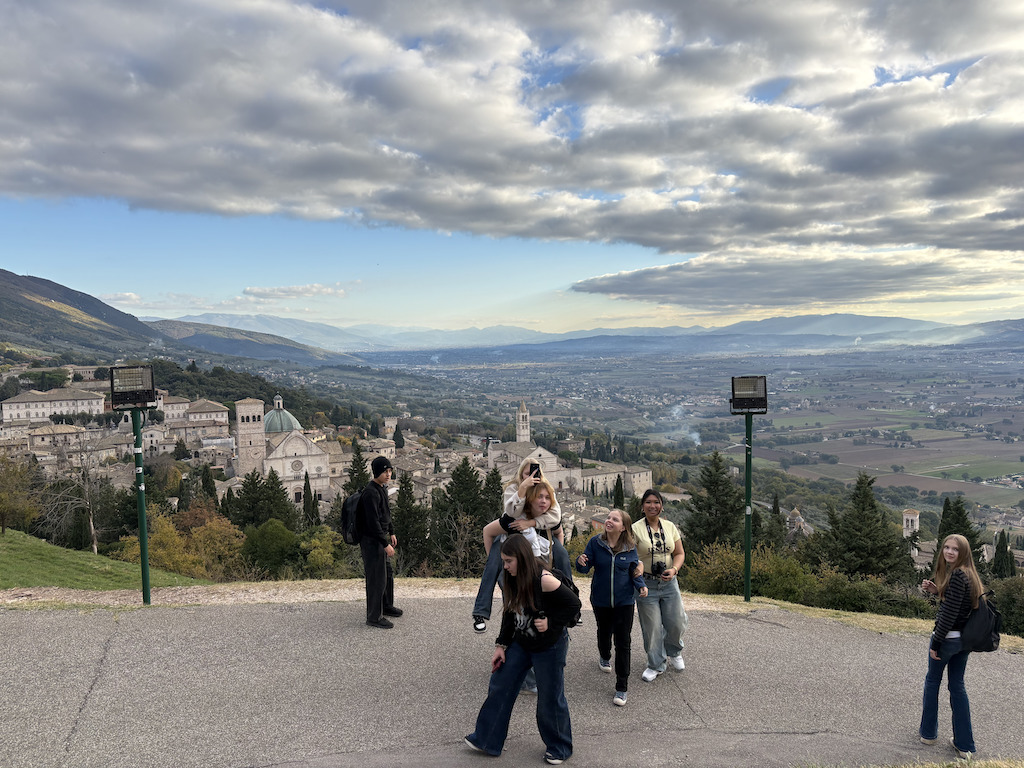
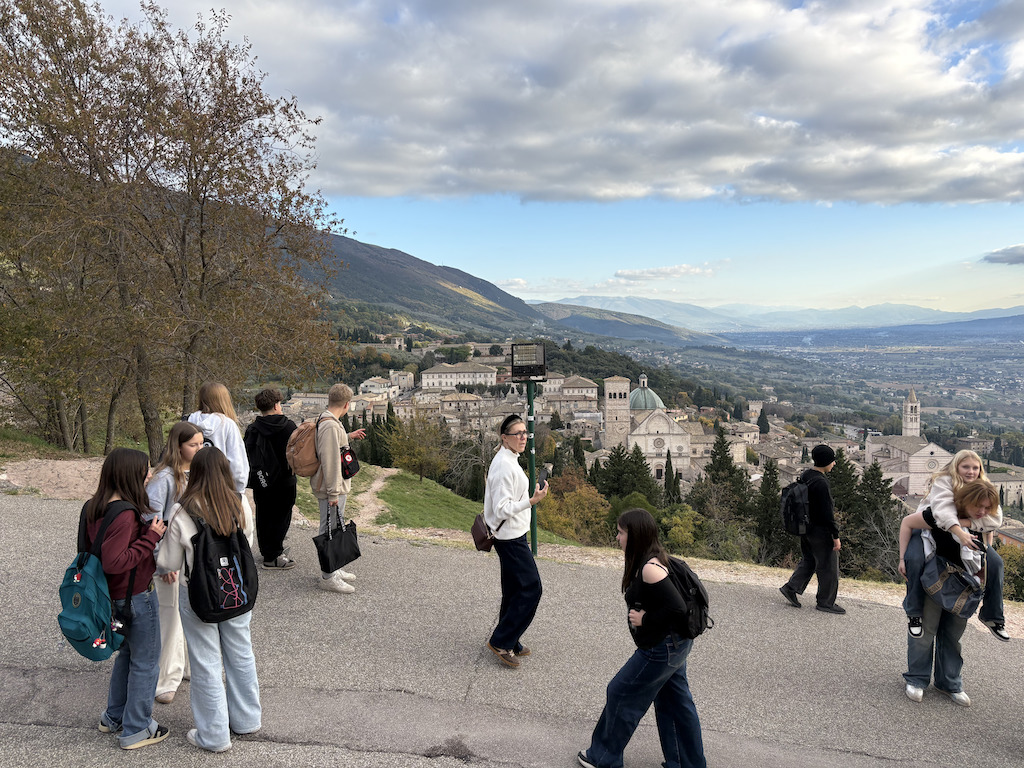
The trip to Assisi proves to be a deeply enriching cultural experience. A guided tour of Franciscan sites—such as the Basilica and Piazza del Comune—conducted in English offers the students food for thought and a profound understanding of Italy’s historical heritage. In the afternoon, excitement builds again with a visit to the Rocca Maggiore for Banksy’s “Peace on Earth” exhibition.
Friday, November 14
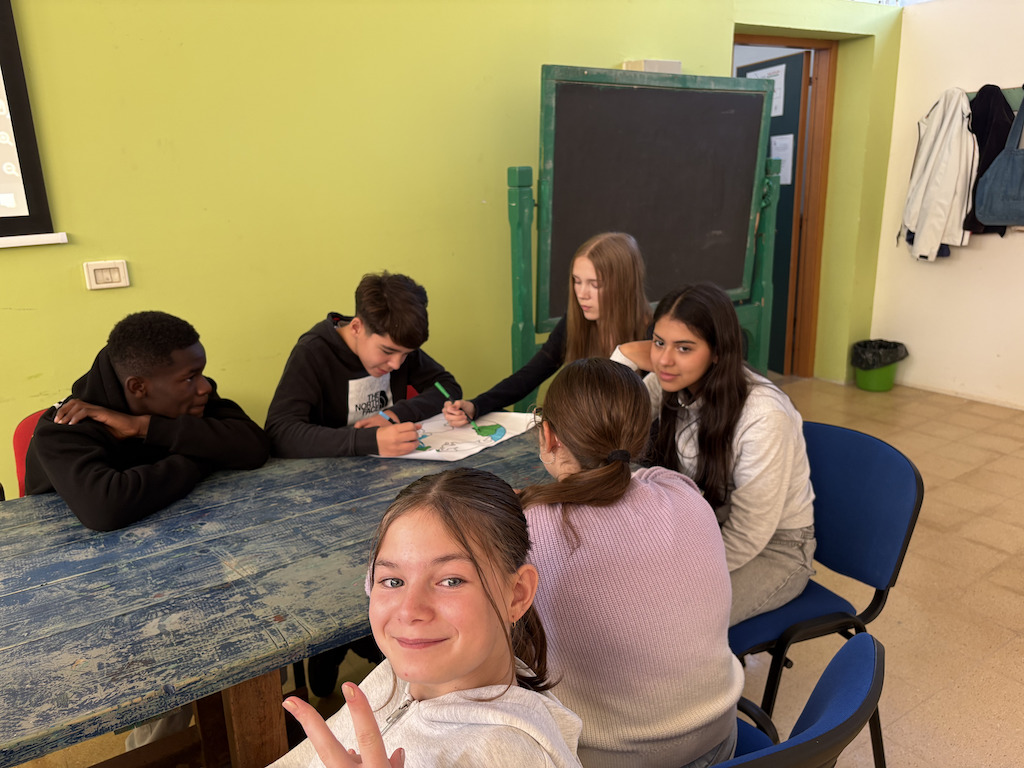
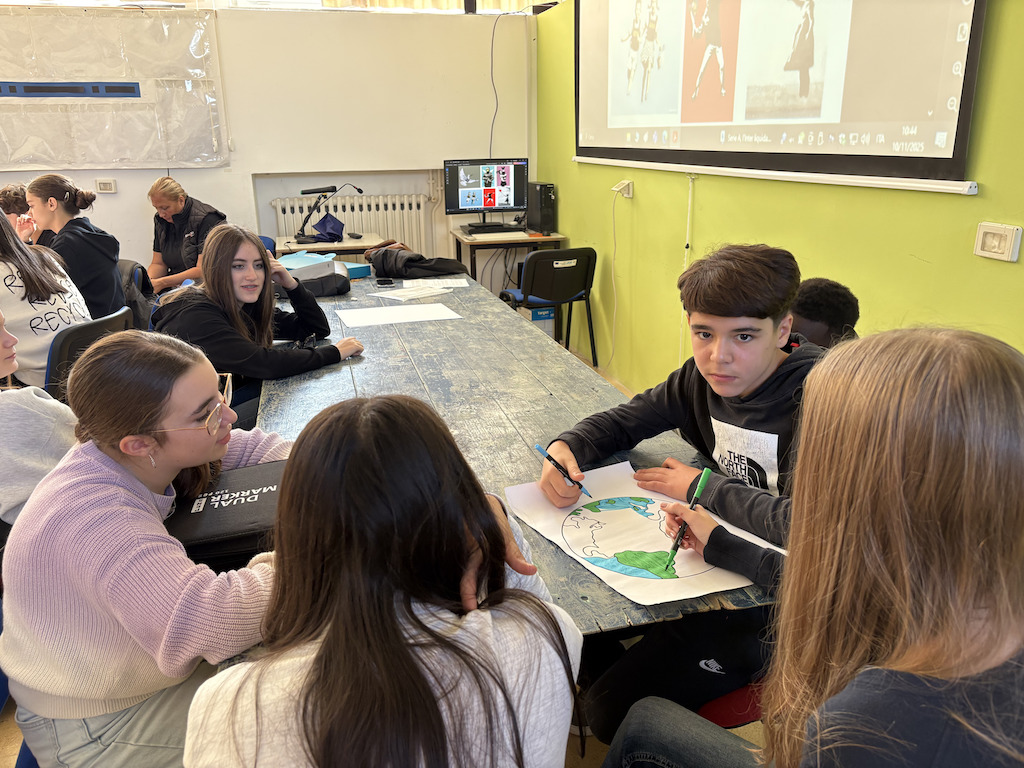
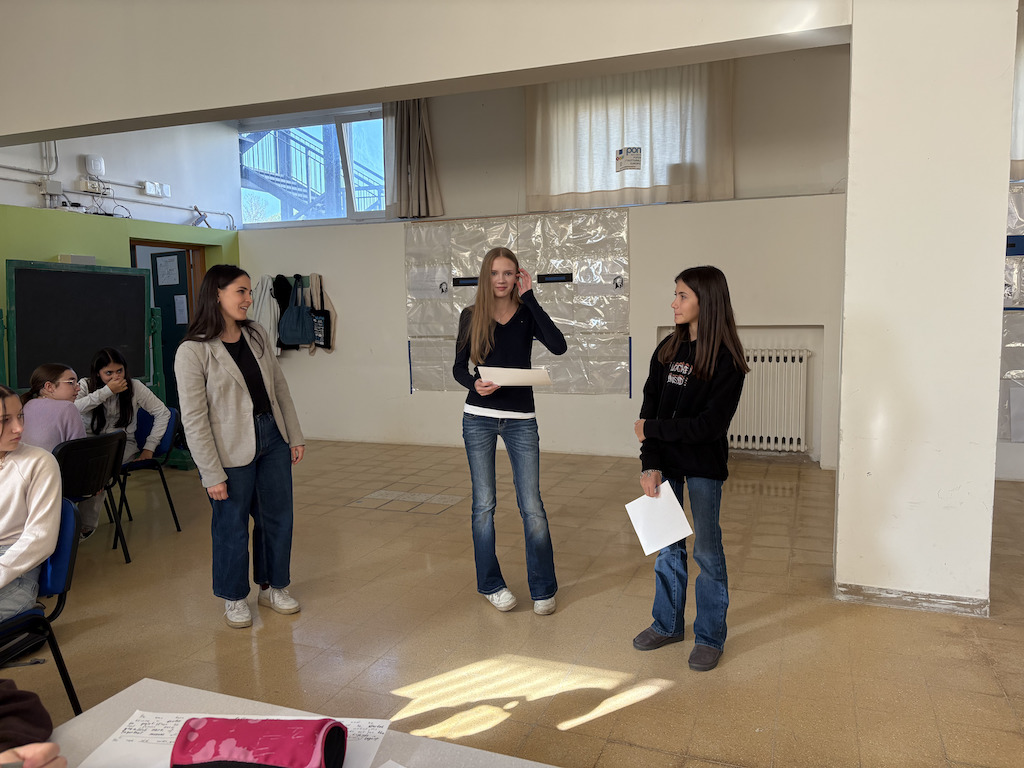
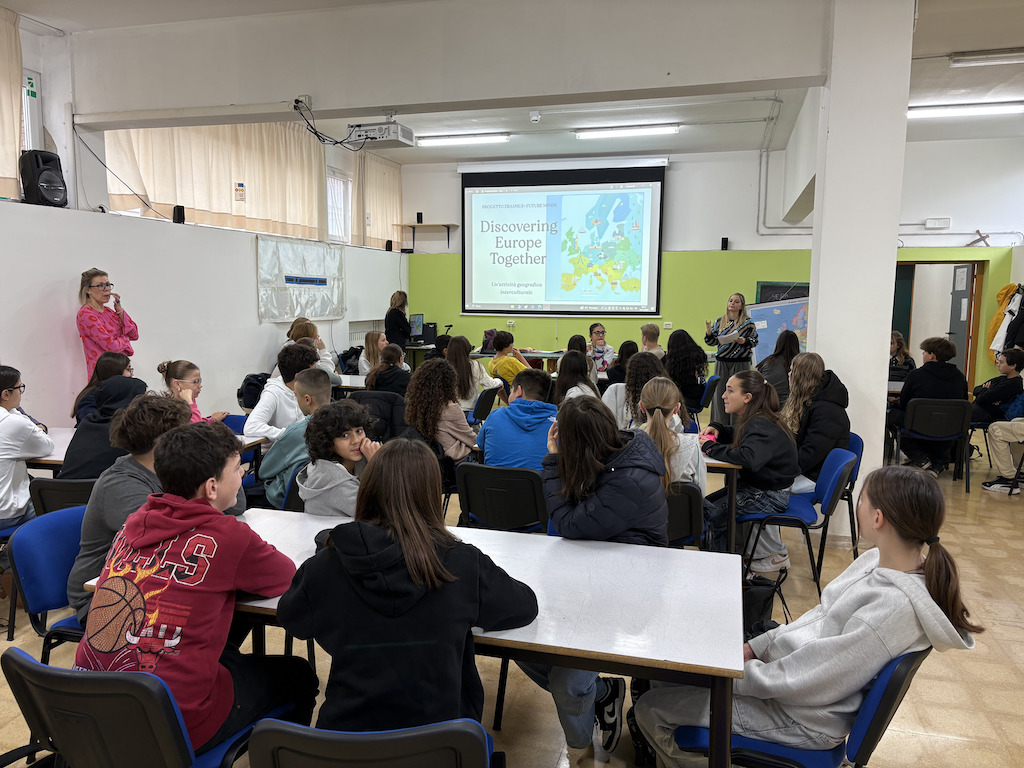
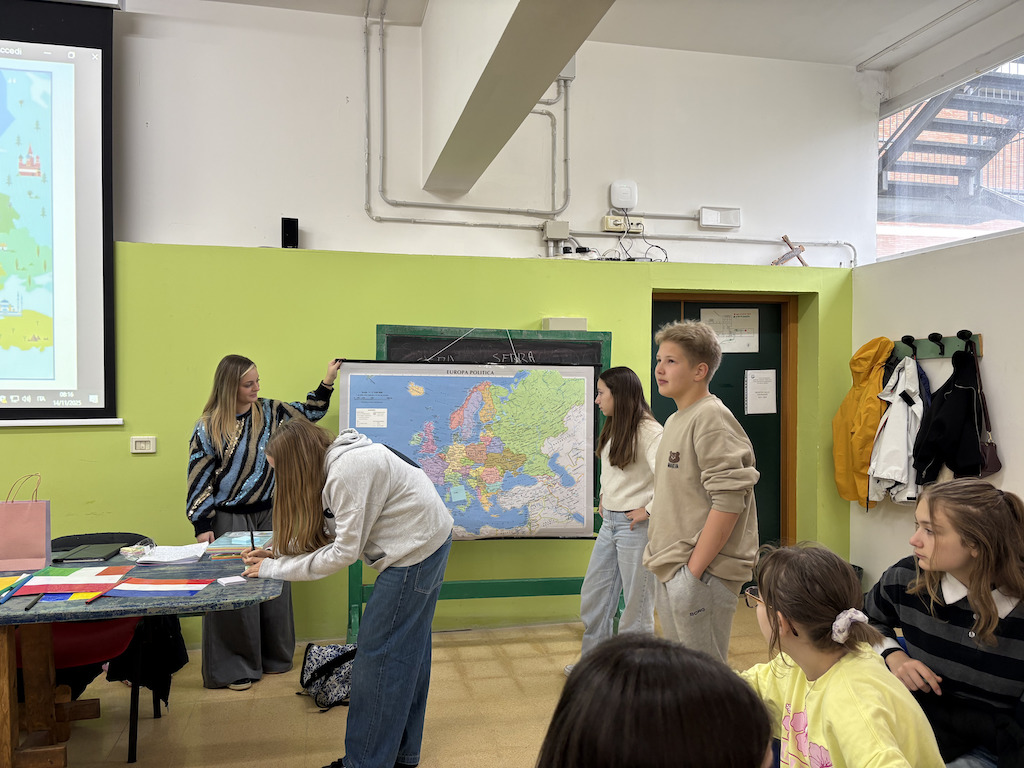
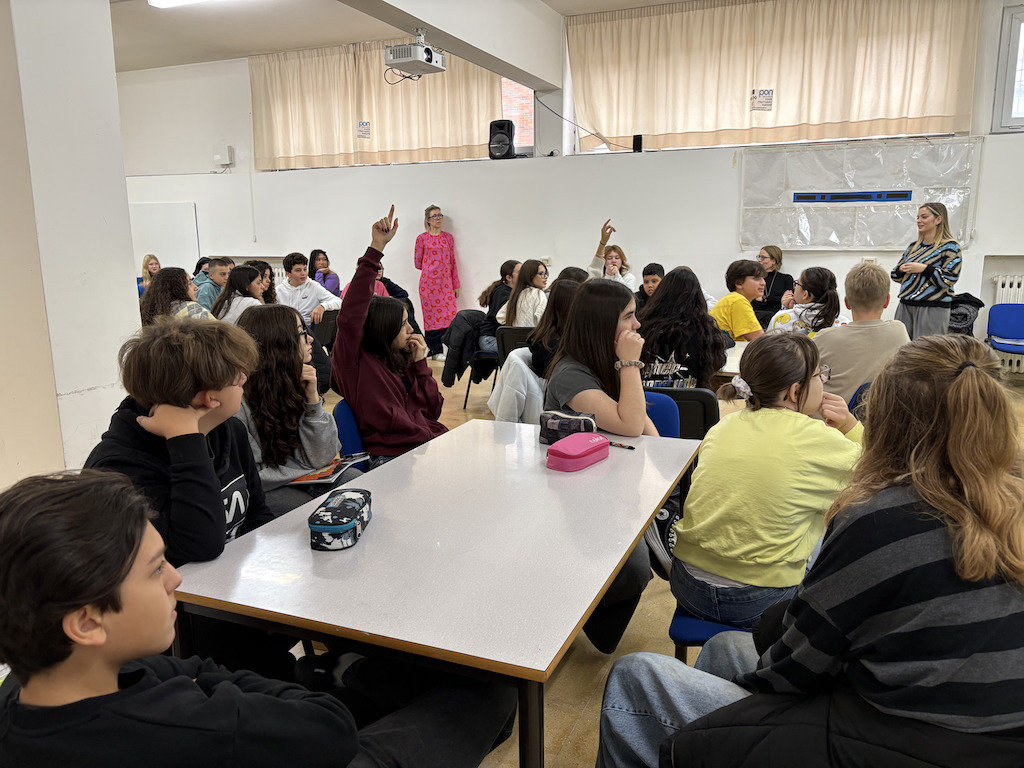
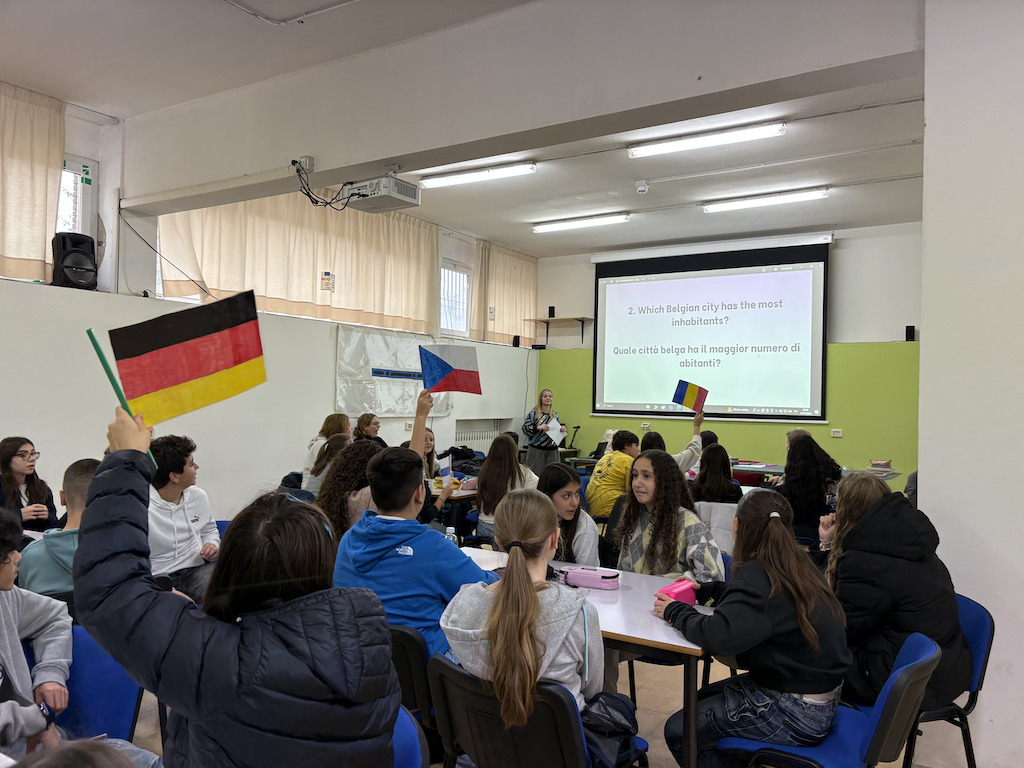
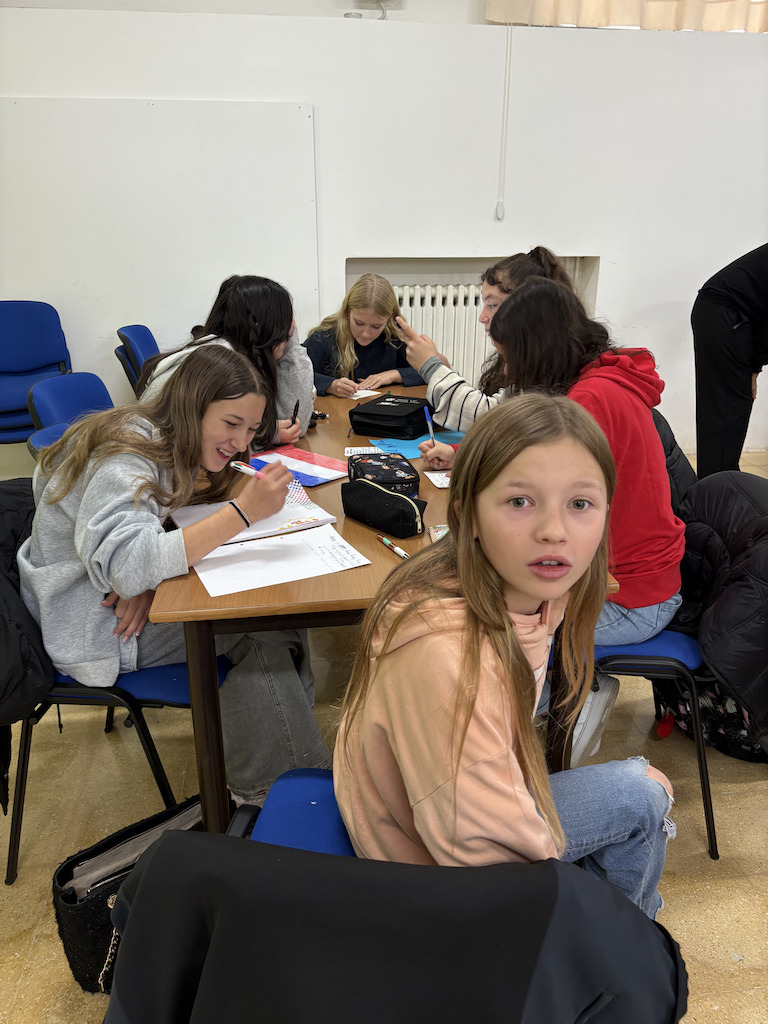
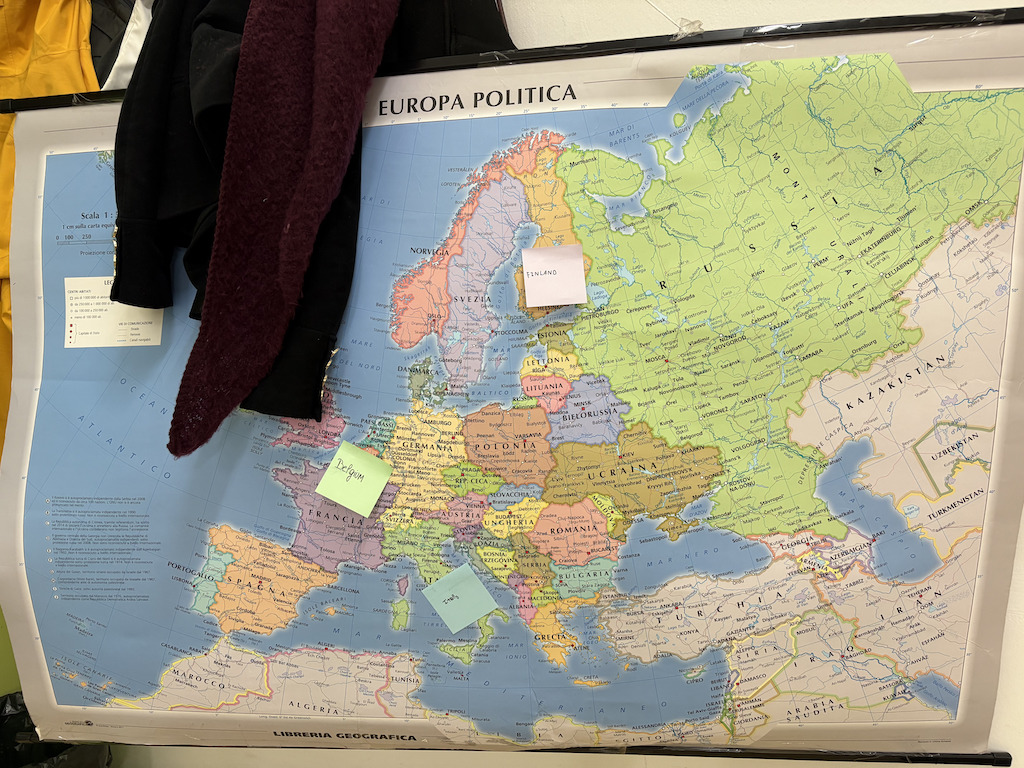
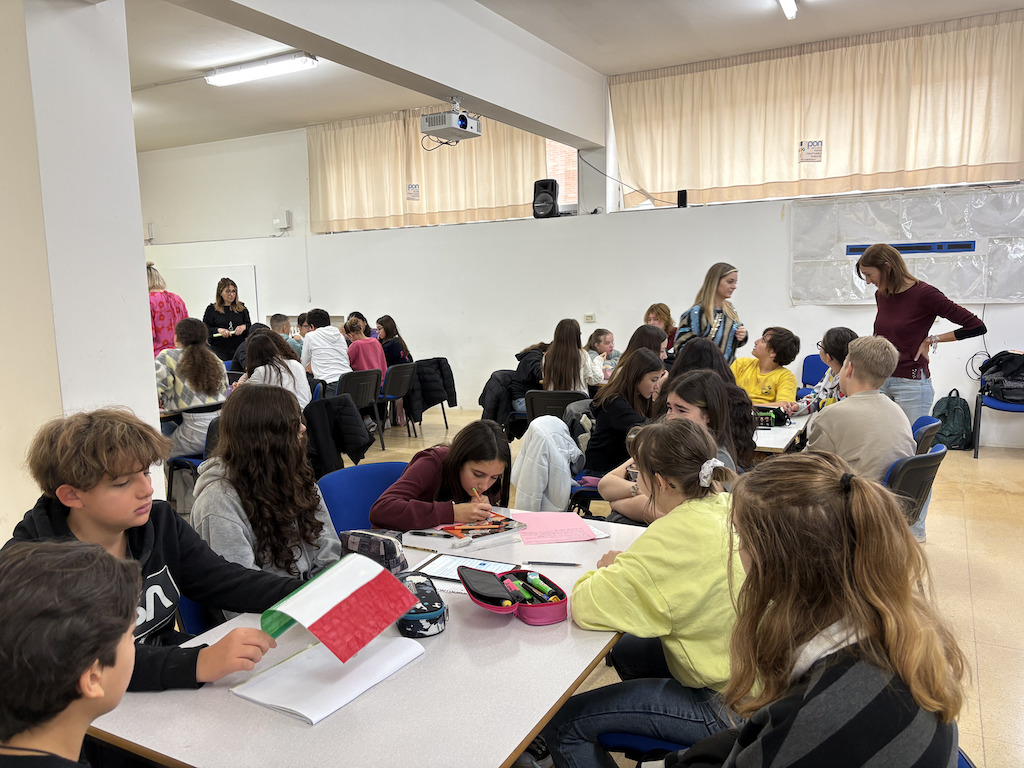
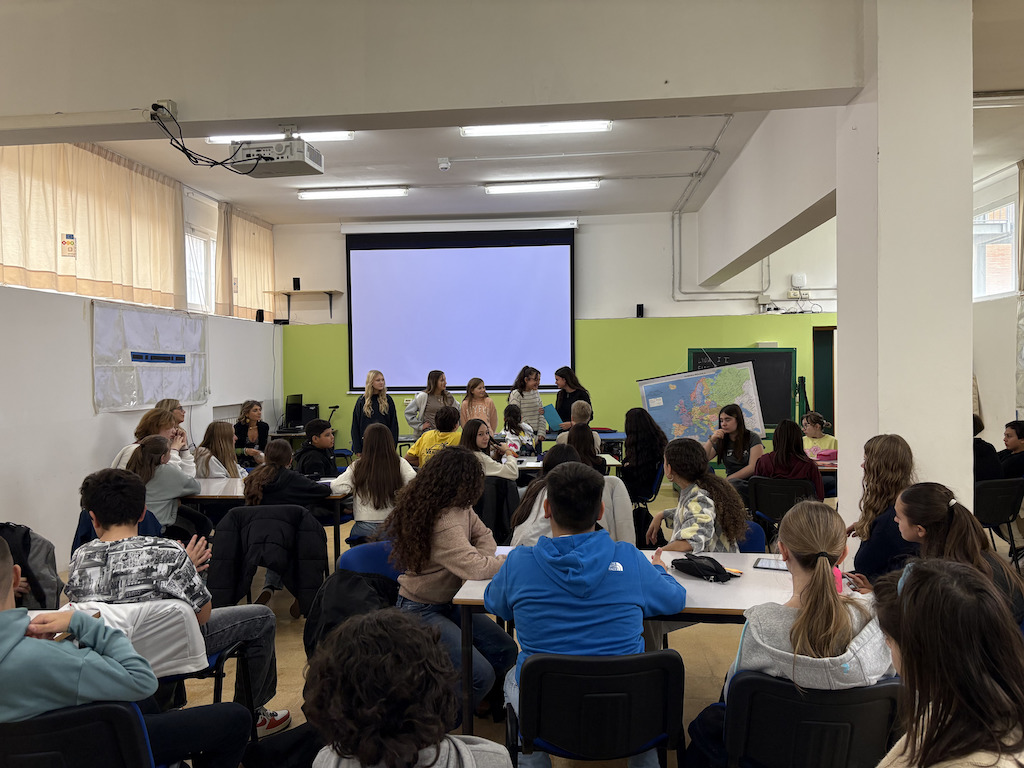
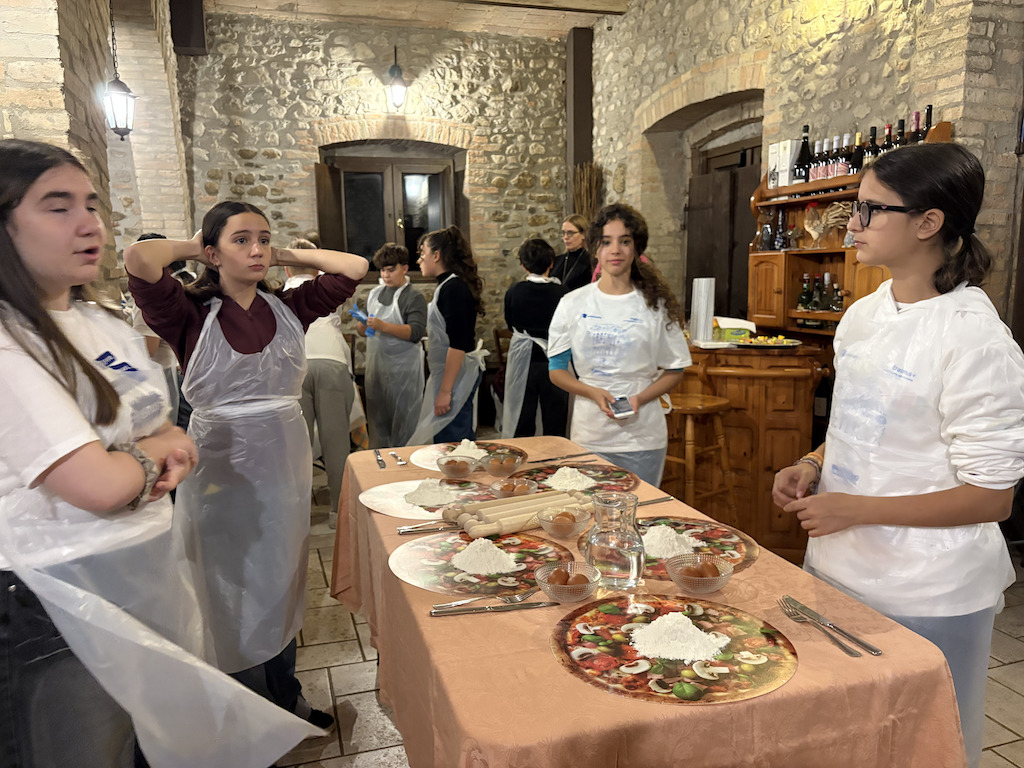
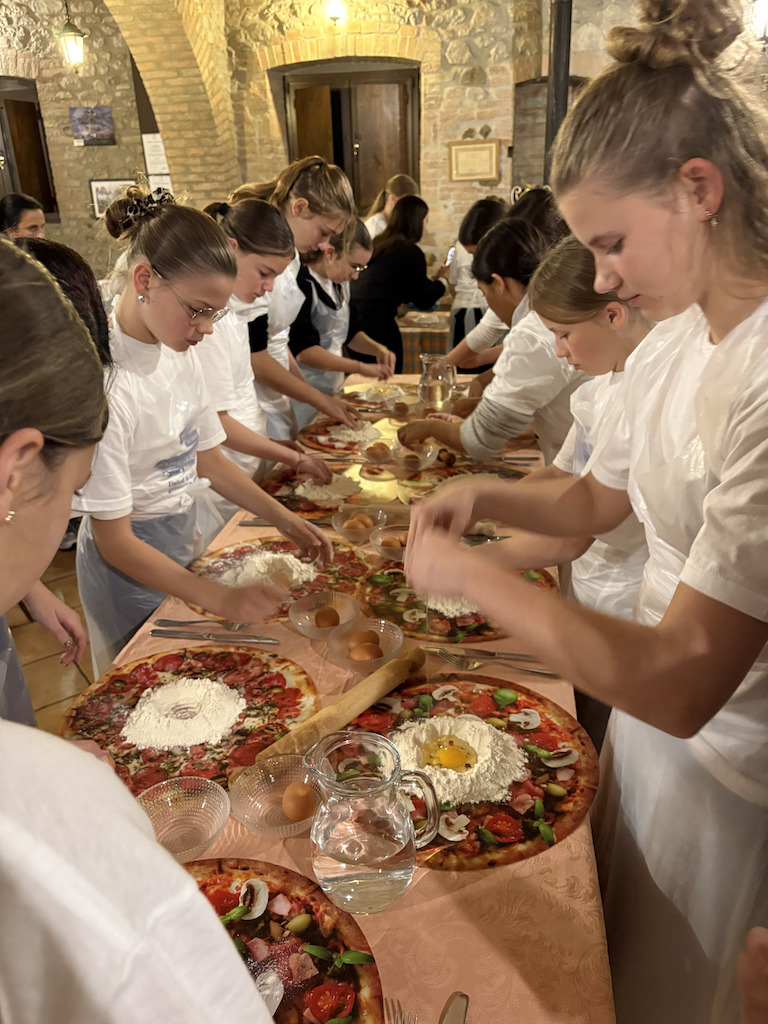
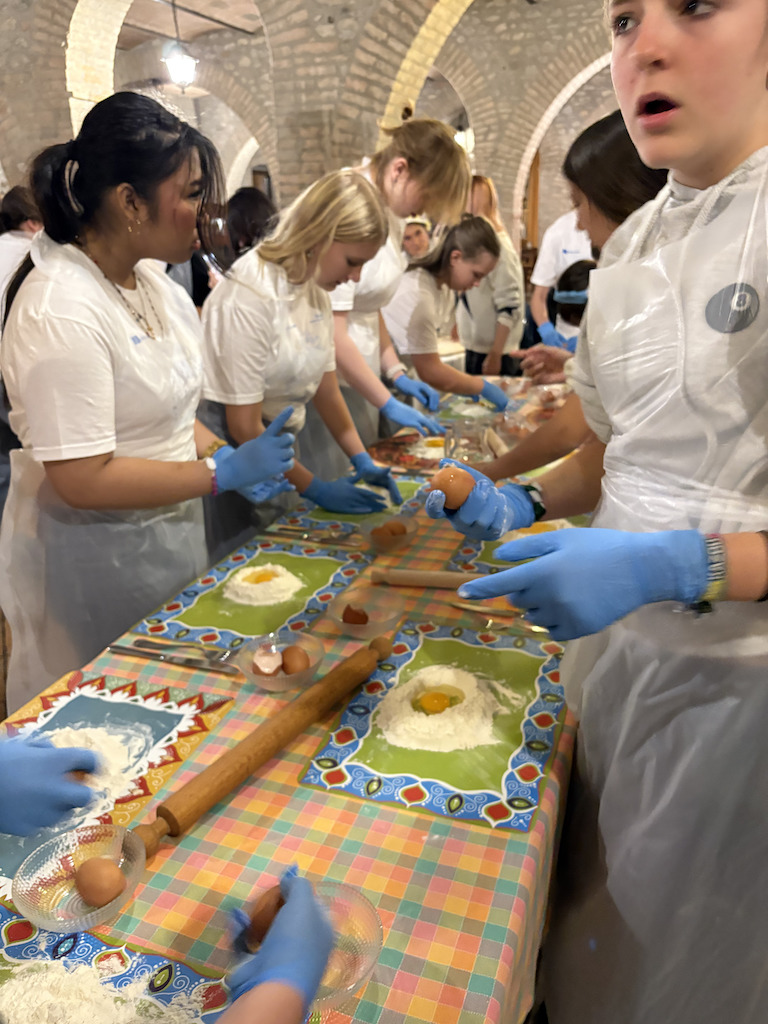
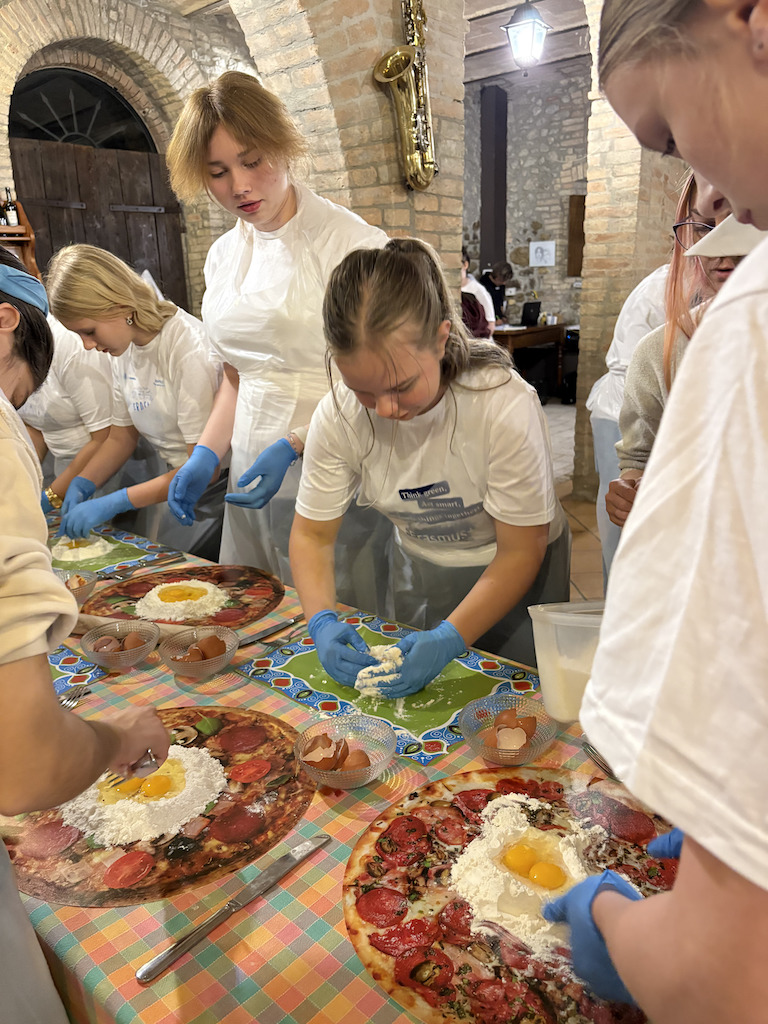
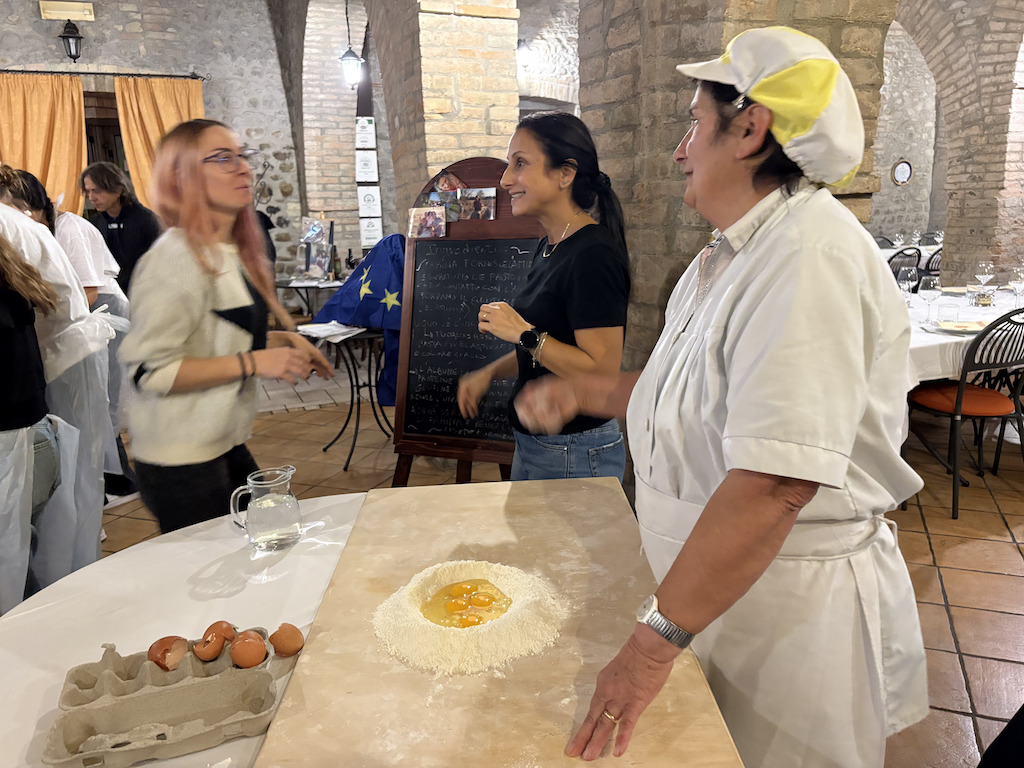
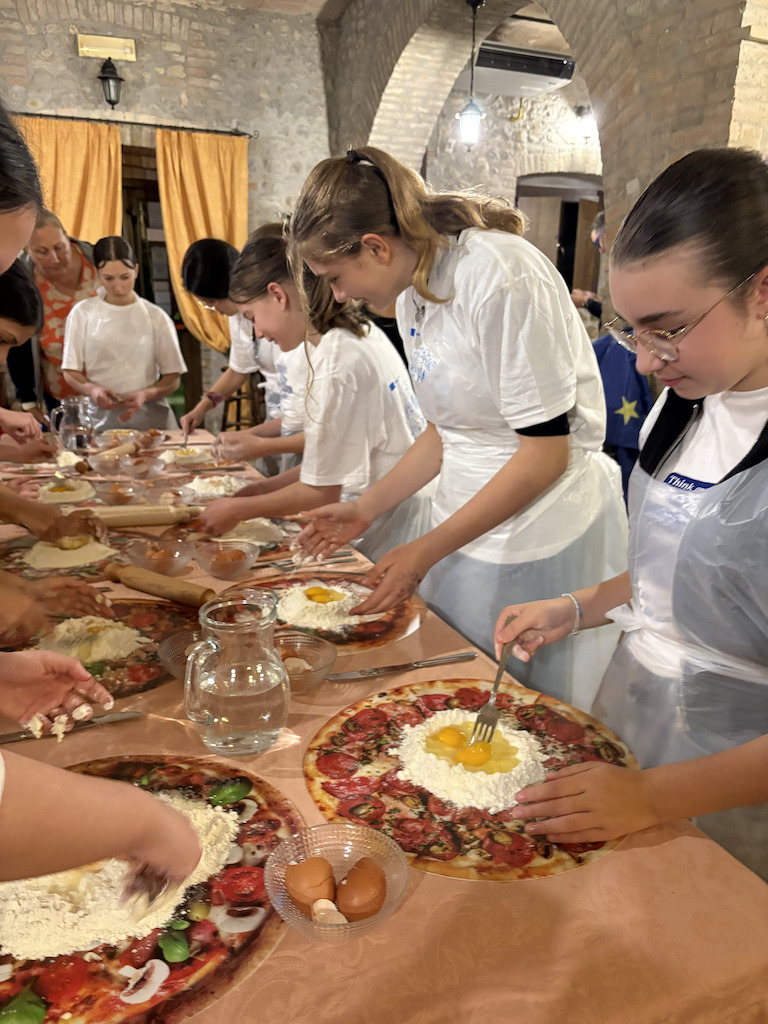
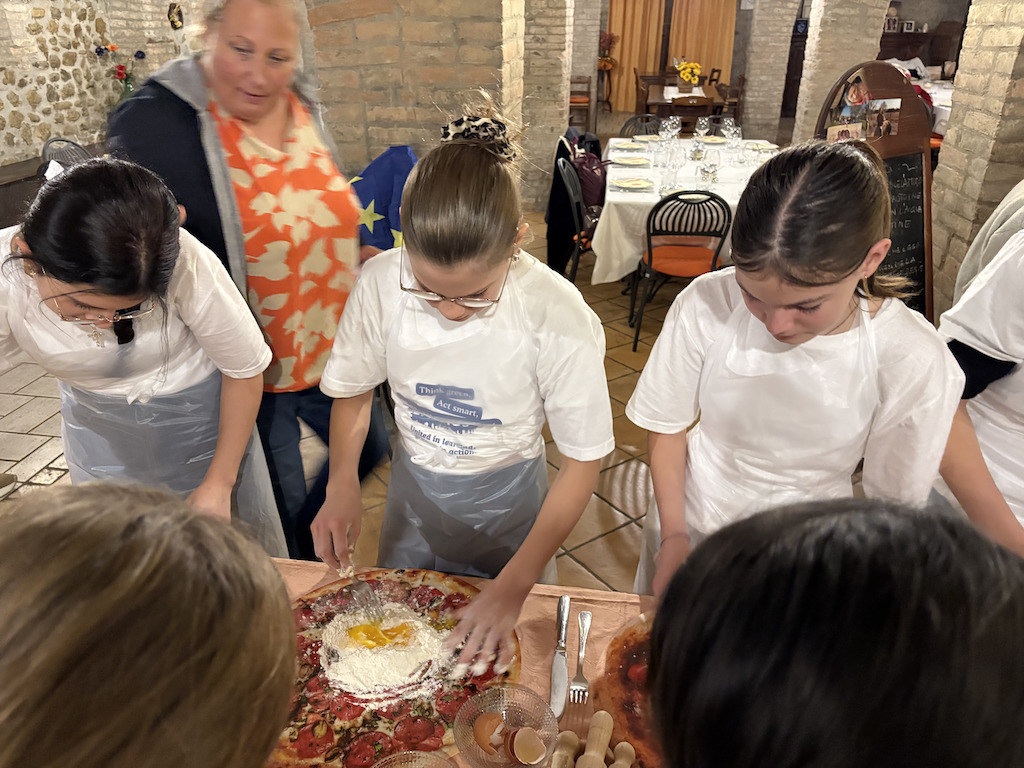
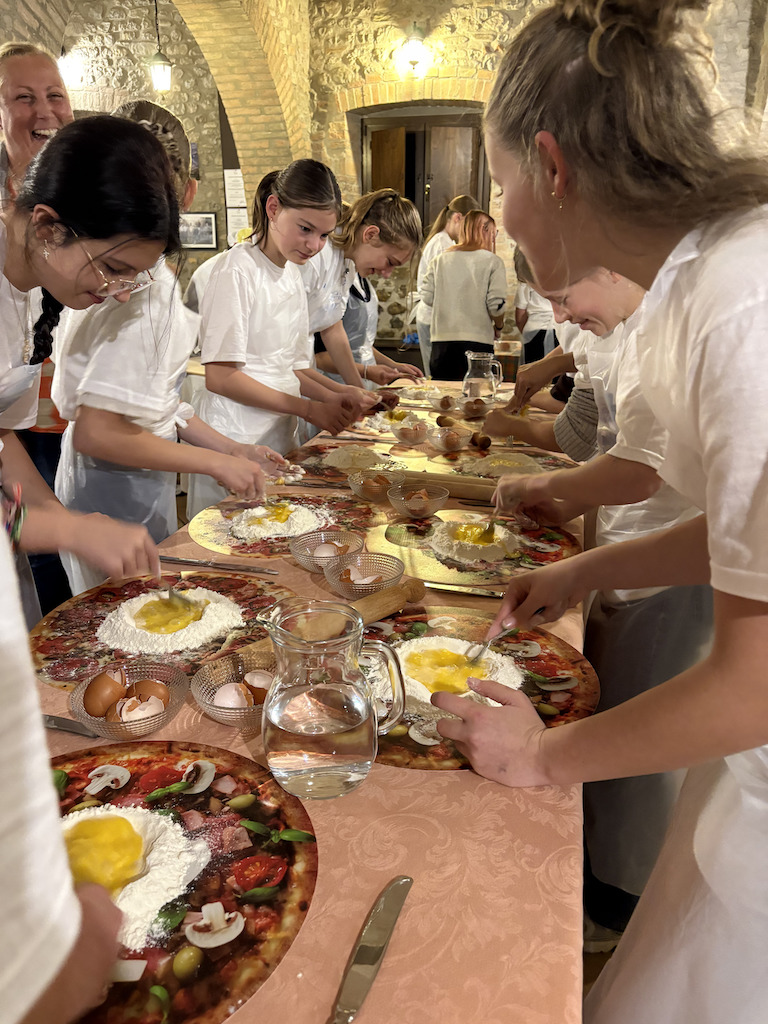
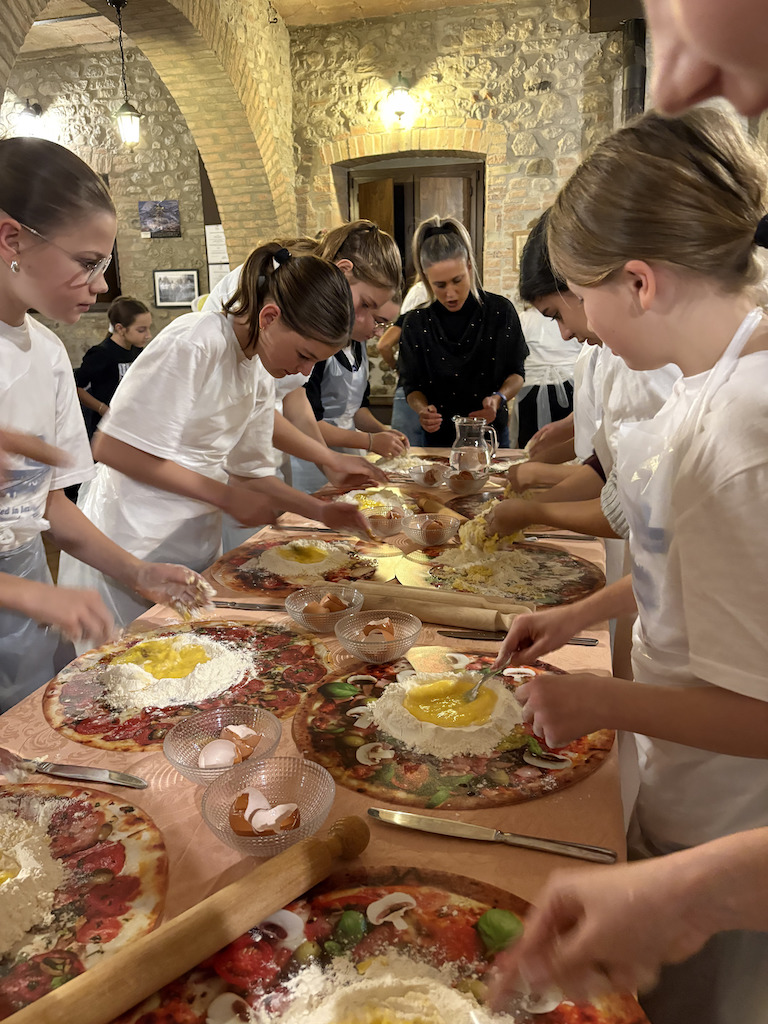
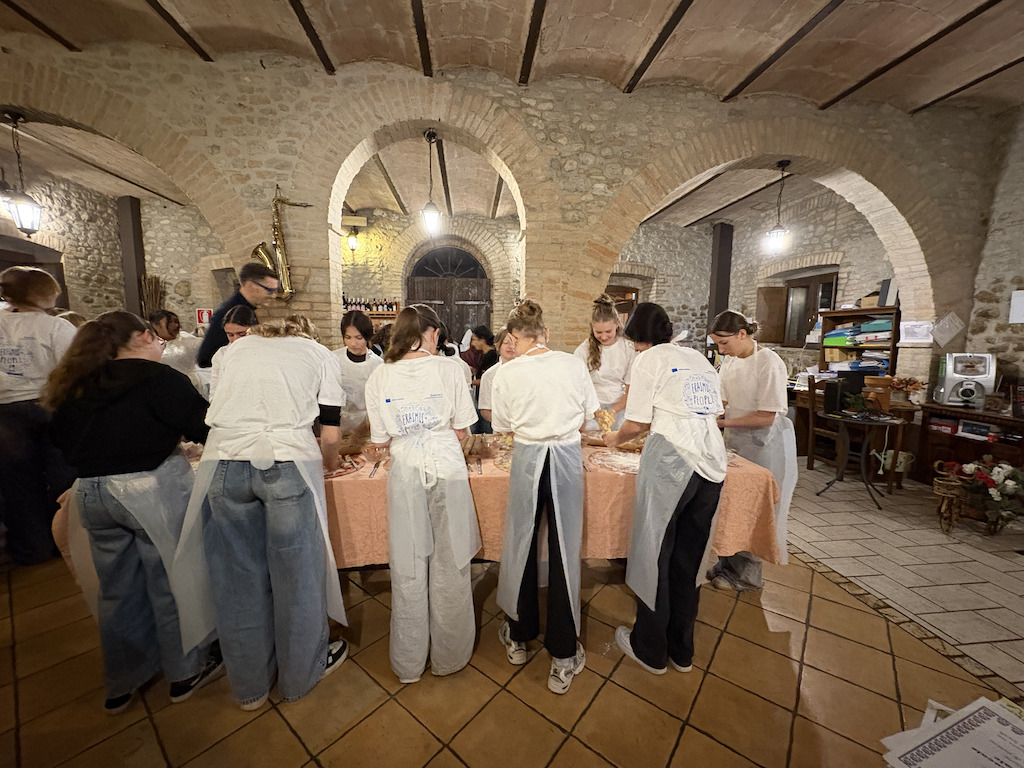
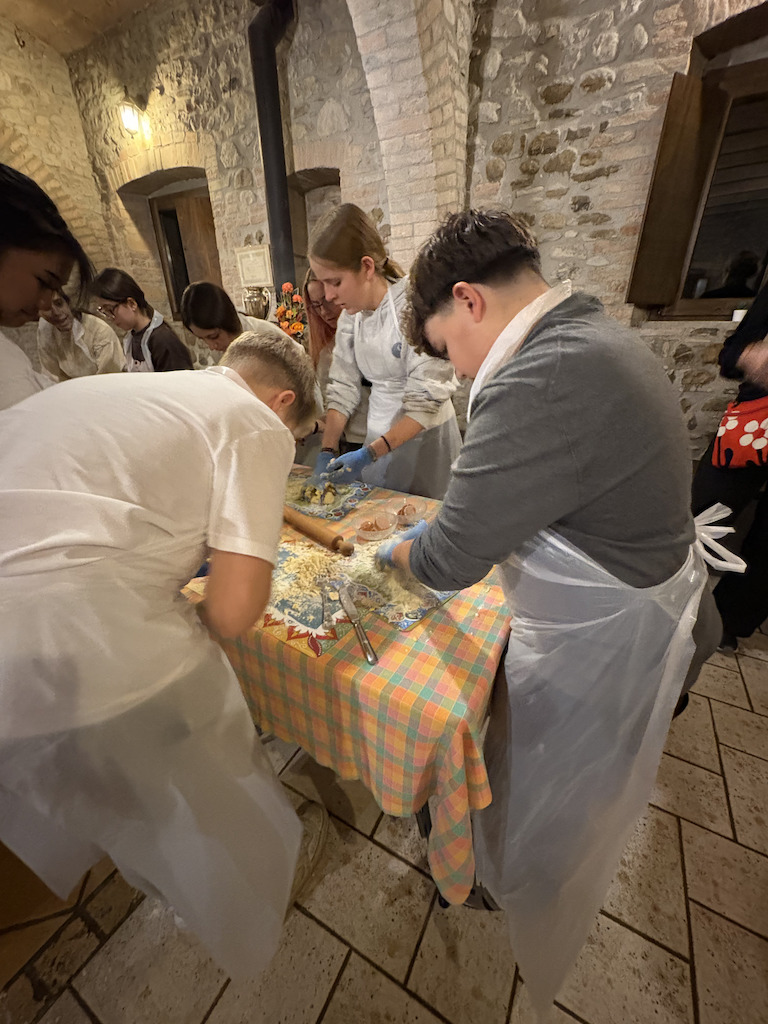
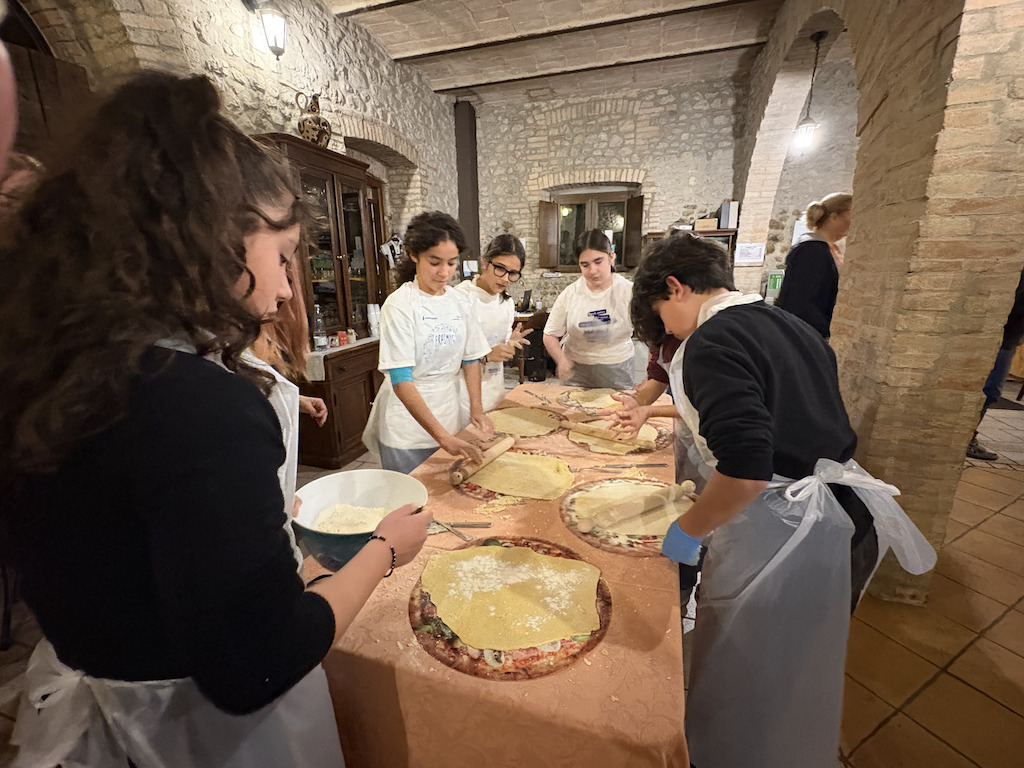
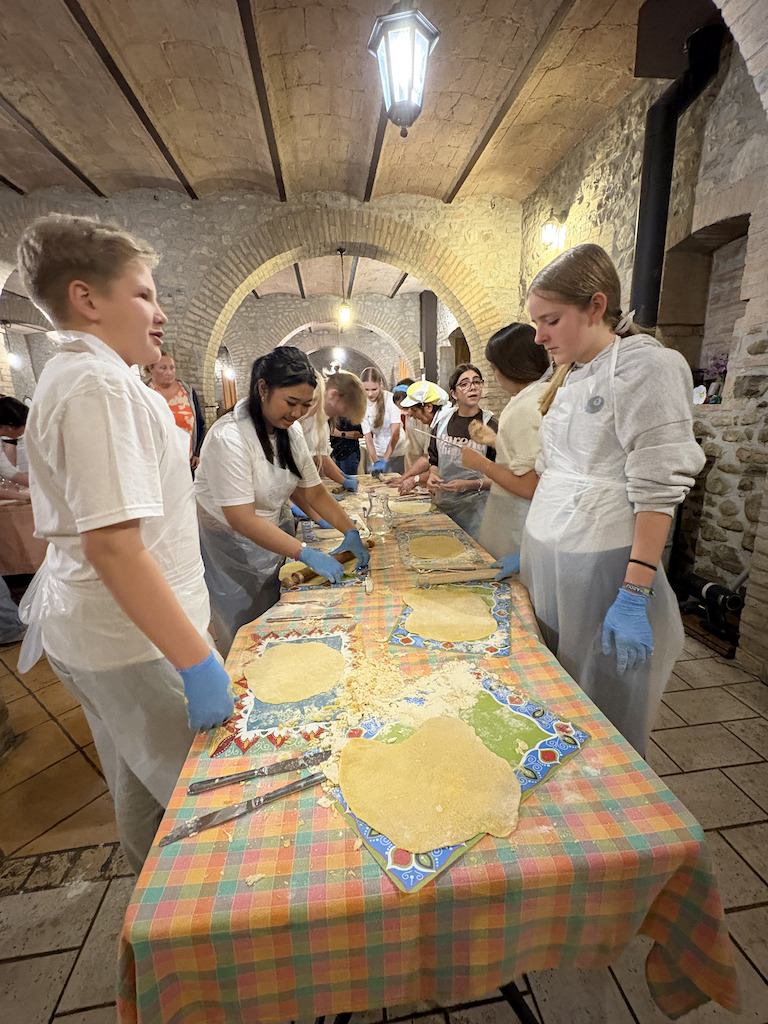
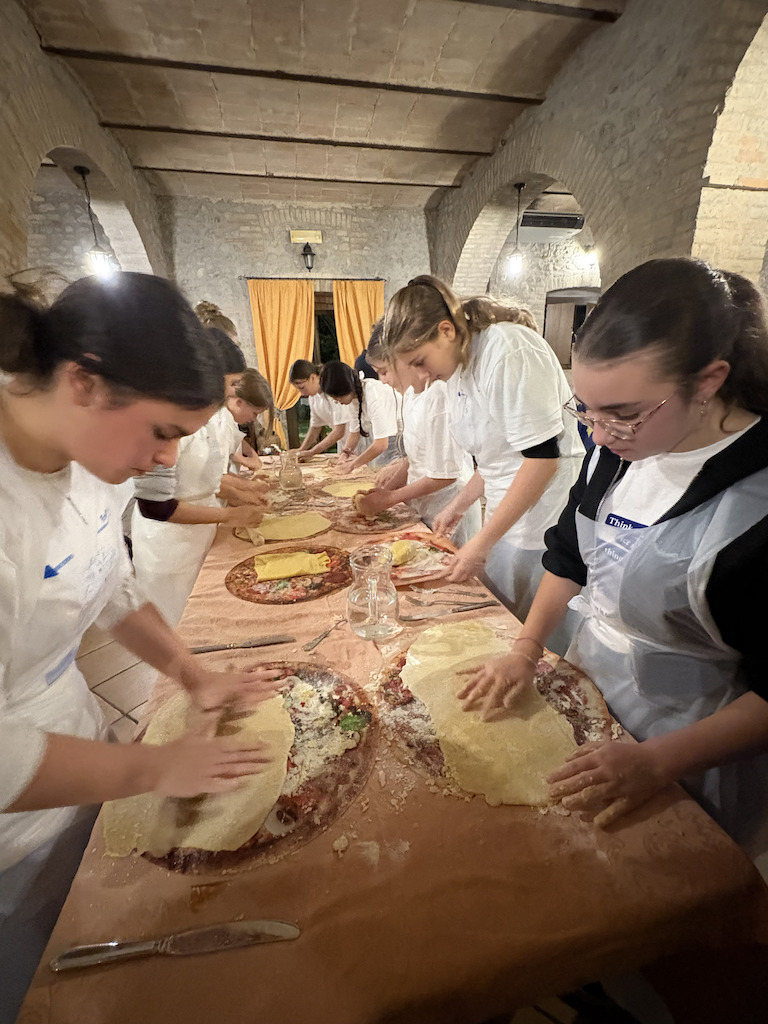
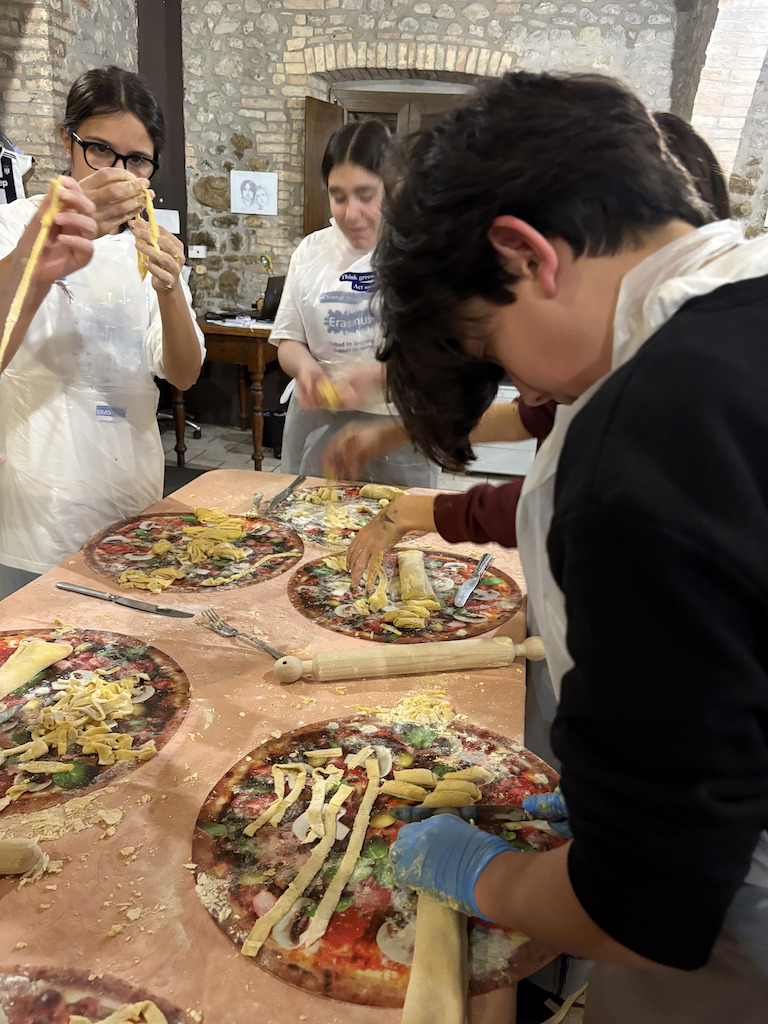
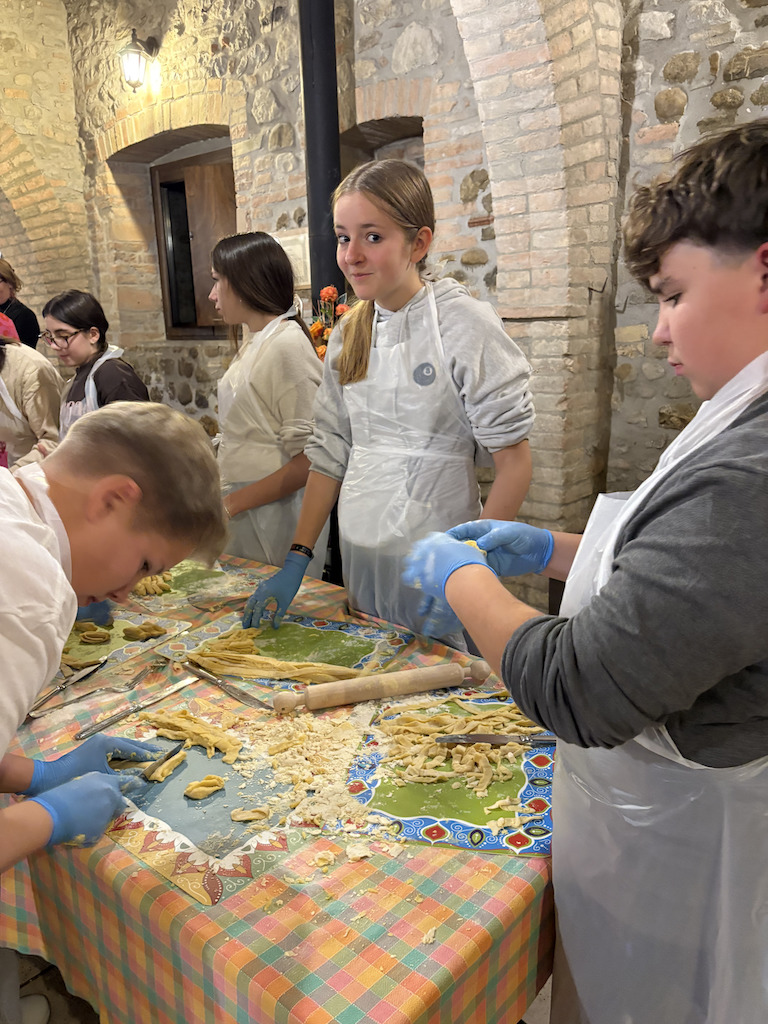
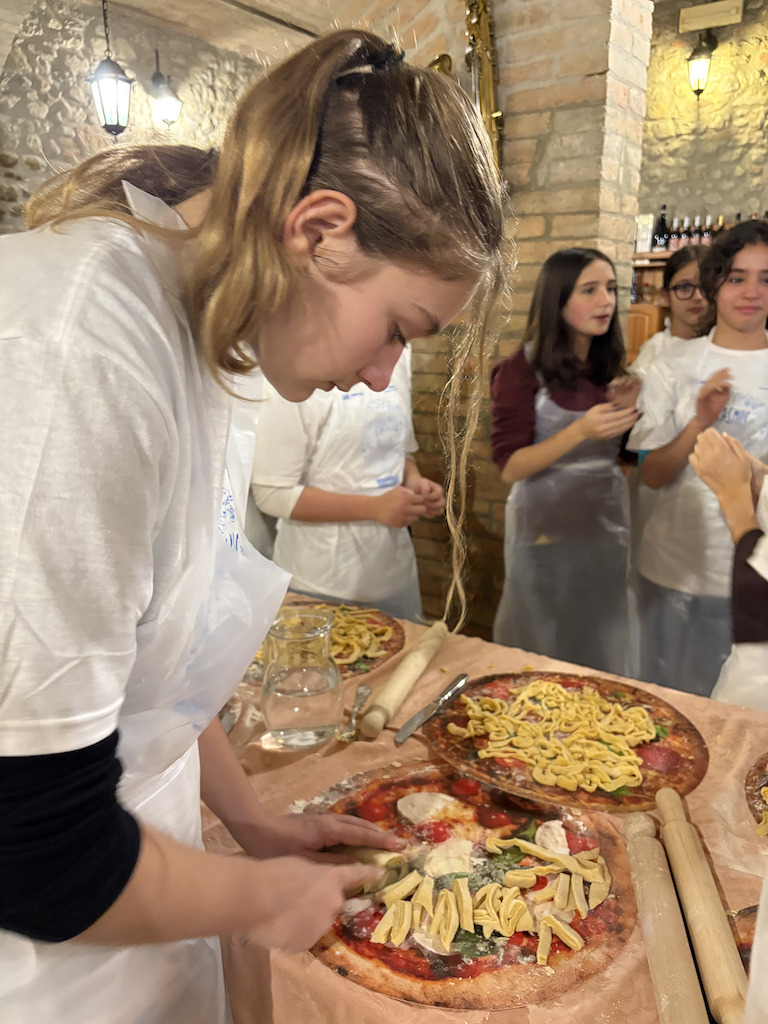
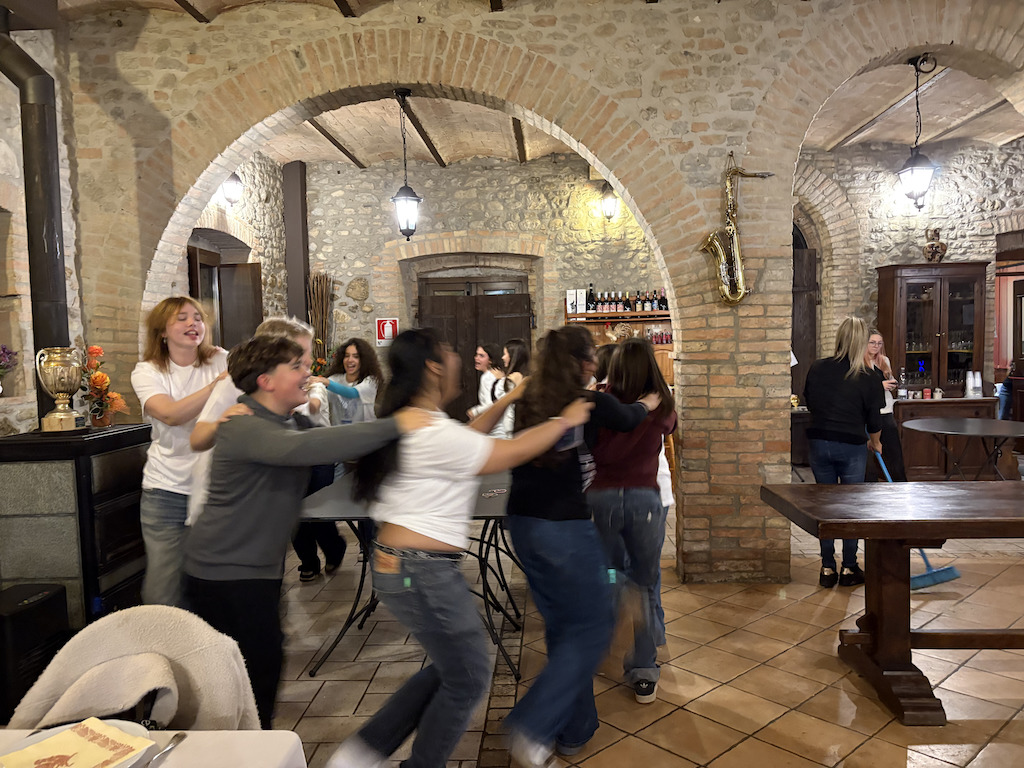
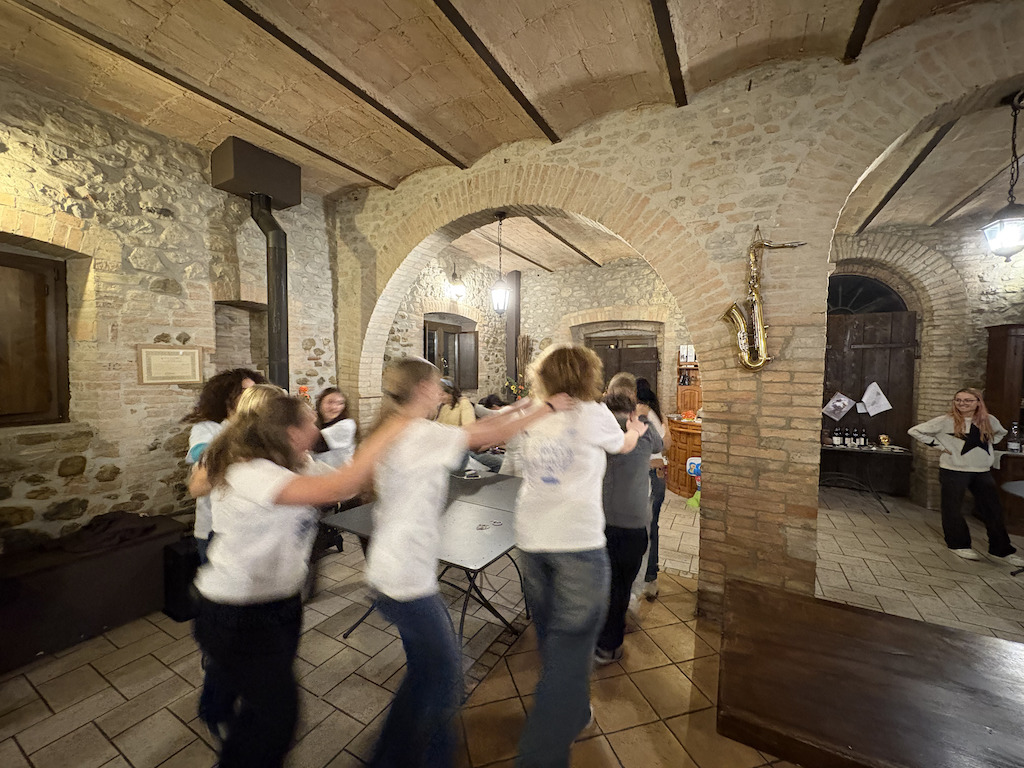
The final school morning is dedicated entirely to sharing and creative work in the Great Hall. The session begins with a comparative geography lesson, featuring general knowledge quizzes designed to test students’ understanding in a fun way. Next, working in mixed groups, the students create infographics covering various aspects—such as culture, cuisine, and the environment—that encourage comparisons between the three countries. The second part of the morning is dedicated to producing a podcast titled “Urban Futures: City of Tomorrow,” inspired by the picture book *Coleotteri per colazione* (Beetles for Breakfast). The groups focus on issues of critical global importance—climate change and environmental and economic sustainability—creating work that is both impactful and timely. In the evening, the students take part in a cooking workshop at the “I Due Mondi” agritourism farm. Taking part in the hands-on preparation of *tagliatelle* proves to be a resounding success, fostering an atmosphere of joyful collaboration.
Saturday, November 15
The final gathering, though brief, is filled with positive emotion and affection. The Finnish and Belgian delegations depart simultaneously, leaving behind an intense week of cultural exchange and mutual enrichment, and the knowledge that they have built bridges of friendship.
Urban Futures: the city of tomorrow
Students from Belgium, Finland, and Italy have successfully collaborated on an exciting and highly successful project: the podcast “Urban futures: the city of tomorrow.” This engaging series delves into innovative solutions for combating climate change, directly addressing one of the most pressing issues of our time.
The project took its inspiration from the beautiful book “Beetles for Breakfast” (Italian title: Coleotteri a colazione) by Madeleine Finlay and Jisu Choi, published by Camelo Zampa. This thought-provoking book explores sustainable living and alternative food sources, providing the perfect starting point for students to think outside the box.
In their podcast, the students explored and illustrated several highly innovative and creative solutions to mitigate the effects of climate change in urban environments.
To ensure lively and critical discussions, the students adopted a dynamic role-playing format for each episode: the “Host” guided the conversation and introduced the topic, the “Innovators” presented and passionately defended a specific innovative solution and the “Skeptic” challenged the proposed innovation with realistic questions, potential drawbacks, and economic or logistical concerns, ensuring a balanced and critical analysis.
This format not only sharpened their public speaking and communication skills but also fostered critical thinking by requiring them to anticipate and defend against potential criticisms.
The collaborative effort across three countries—Belgium, Finland, and Italy—was outstanding. The entire project is a resounding success! It highlights the power of international collaboration and demonstrates the dedication of our students to building a more sustainable future.
POCAST 1
POCAST 2
POCAST 3
PODCAST 4
Gallery